
Gorilla Trekking Permit Prices in 2026 Gorilla trekking is a once-in-a-lifetime experience that draws travelers…
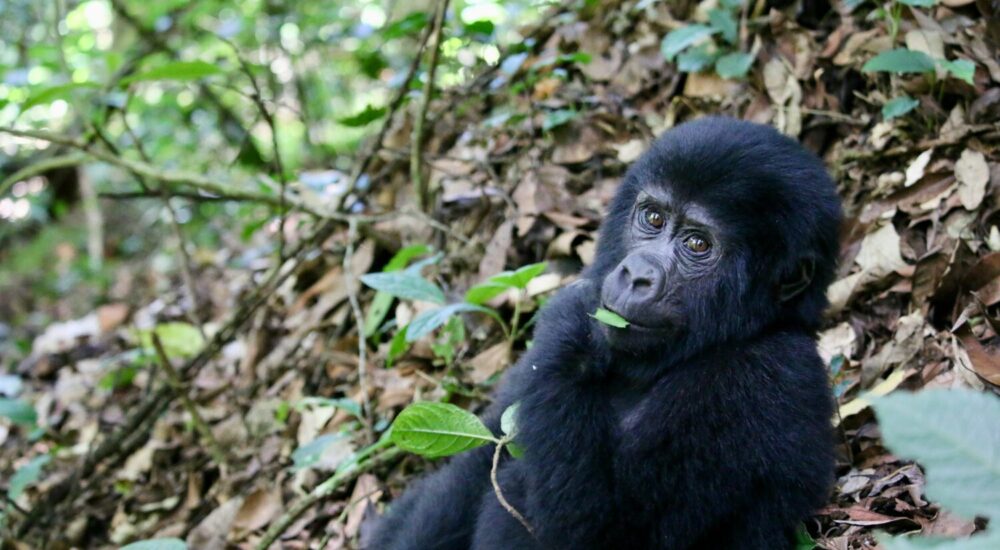
Do Gorillas Swim? Interesting Gorilla Behaviors
Do Gorillas Swim? Interesting Gorilla Behaviors
Do Gorillas Swim? Exploring Fascinating Gorilla Behaviors in the Wild
Mountain gorillas and lowland gorillas are among the most fascinating primates on Earth. Their intelligence, family bonds, communication methods, and daily habits continue to amaze researchers and travelers alike. One question that often surprises many safari enthusiasts is: Do gorillas swim? While gorillas are incredibly strong and adaptable animals, swimming is actually one activity they tend to avoid completely.
Understanding how gorillas interact with water opens the door to learning much more about their behavior, survival instincts, and life in Africa’s tropical forests. Whether you are planning a gorilla trekking safari in Uganda, Rwanda, or the Democratic Republic of Congo, learning about these incredible creatures makes the experience even more meaningful.
At Monumental Expeditions and Safaris, we specialize in unforgettable gorilla trekking experiences across East Africa. This guide explores the truth about gorillas and swimming while uncovering other remarkable behaviors that make gorillas one of the most extraordinary wildlife species on the planet.
Do Gorillas Swim?
The simple answer is no, gorillas generally do not swim. Unlike some primates that are comfortable in water, gorillas naturally avoid deep water bodies such as lakes, rivers, and swamps whenever possible. Researchers have observed that gorillas rarely enter water beyond knee level and often search for alternative routes to avoid crossing rivers.
One of the main reasons why gorillas do not swim is their heavy body structure. Adult silverback gorillas can weigh between 140 and 220 kilograms, making it difficult for them to stay buoyant in deep water. Their muscular bodies are designed for climbing, knuckle-walking, and navigating dense forests rather than floating or paddling.
Another reason gorillas avoid water is instinctive caution. Gorillas are highly intelligent animals that prioritize safety. In the wild, deep water can present risks such as drowning, strong currents, or encounters with predators like crocodiles in some regions. As a result, gorillas evolved to stay away from large water bodies whenever possible.
Interestingly, western lowland gorillas living in swampy forests have developed behaviors that allow them to move through shallow wetlands while foraging for aquatic plants. However, even these gorillas do not actually swim.
How Gorillas Cross Rivers and Wet Areas
When gorillas encounter streams or marshy areas, they usually look for the safest crossing points. They may use fallen trees, shallow areas, or dense vegetation to move across without fully entering the water.
Mountain gorillas found in Bwindi Impenetrable National Park and Volcanoes National Park inhabit dense forests with smaller streams rather than major rivers. Their habitats naturally reduce the need for swimming.
Young gorillas are especially cautious around water. Mothers carefully guide infants during movement, ensuring they remain safe and dry. This protective behavior reflects the strong family bonds gorillas are known for.
Travelers on a gorilla trekking safari in Uganda may occasionally observe gorillas avoiding muddy or flooded sections of the forest trail. These moments offer fascinating insight into gorilla survival instincts.
Gorillas Are Highly Intelligent Primates
Although gorillas do not swim, they possess remarkable intelligence. Scientists consider gorillas among the smartest animals in the world. They display problem-solving abilities, emotional awareness, and social learning similar to humans.
Wild gorillas use tools occasionally, especially western lowland gorillas that use sticks to test swamp depth before crossing wetlands. This demonstrates planning and environmental awareness.
Captive gorillas have also shown impressive communication skills. Some learned sign language and could communicate emotions, needs, and simple thoughts with human caretakers.
This intelligence plays a major role in their daily survival. Gorillas remember food locations, recognize social relationships, and adapt to changing environmental conditions.
The Strong Social Structure of Gorilla Families
One of the most fascinating gorilla behaviors is their social organization. Gorillas live in groups called troops or families led by a dominant male known as the silverback.
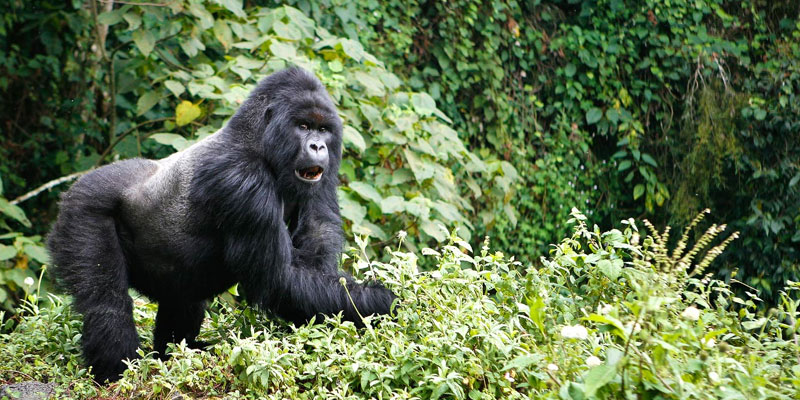
The silverback protects the group, resolves conflicts, decides travel routes, and ensures group safety. Gorilla families may include several females, juveniles, infants, and sometimes younger males.
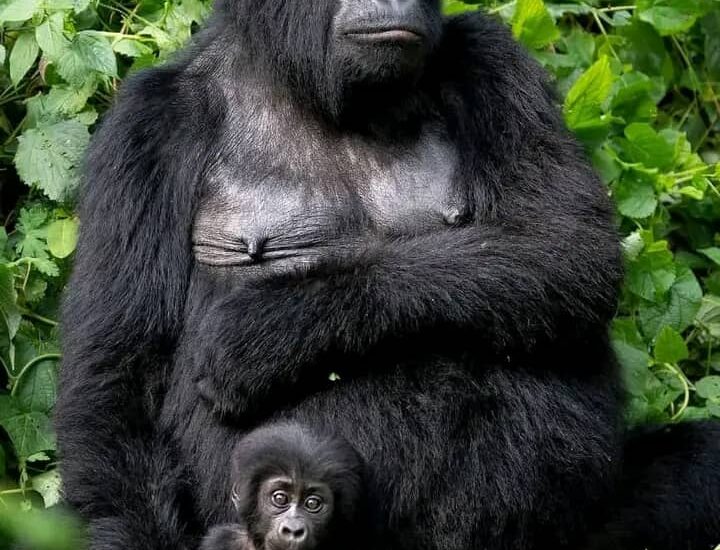
Family bonds among gorillas are incredibly strong. Mothers care for infants with remarkable tenderness, carrying them for months and teaching them survival skills as they grow.
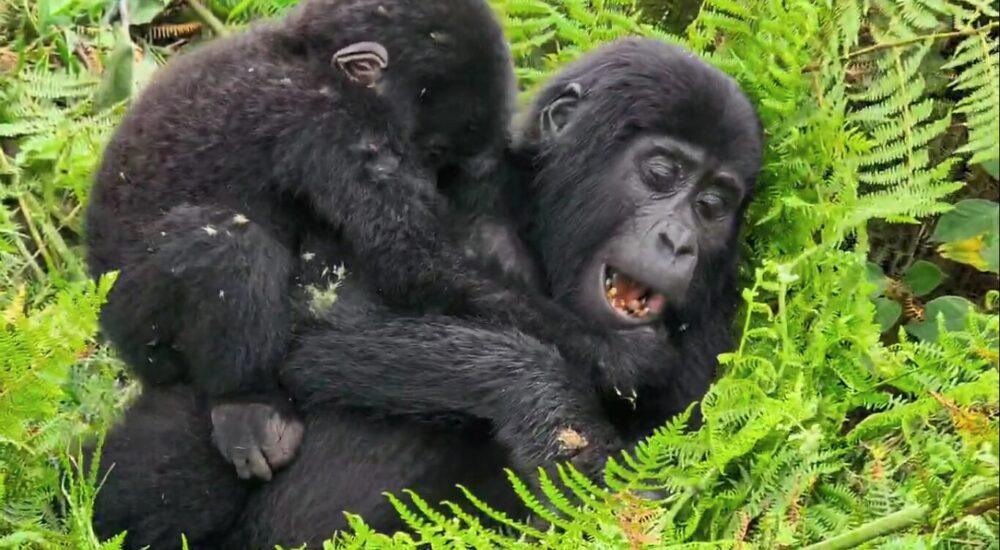
Young gorillas are playful and curious. During gorilla trekking experiences, visitors often observe juveniles wrestling, climbing trees, rolling on the ground, and chasing each other through the forest. These playful interactions help develop strength and social skills.
How Gorillas Communicate
Communication is another extraordinary aspect of gorilla behavior. Gorillas use vocalizations, body language, facial expressions, and physical gestures to communicate within the group.
Researchers have identified over 20 distinct gorilla vocal sounds, including grunts, hoots, barks, roars, and screams. Each sound carries a different meaning, from warning signals to expressions of contentment.
The famous chest-beating display is perhaps the most recognized gorilla behavior. Contrary to popular belief, chest-beating is not always aggressive. Silverbacks use it to demonstrate strength, establish dominance, or communicate over long distances in dense forests.
Gorillas also use eye contact, posture, and touch to strengthen social bonds. Grooming and gentle physical interaction help maintain harmony within the family group.
Daily Life of Gorillas in the Wild
Gorillas spend most of their day feeding, resting, and socializing. They are primarily herbivorous animals, consuming leaves, shoots, stems, bamboo, fruits, and roots.
An adult gorilla may eat up to 30 kilograms of vegetation daily. Because of this large food requirement, gorillas spend considerable time moving through the forest searching for food.
Despite their enormous strength, gorillas are generally peaceful animals. Aggressive encounters are relatively rare and usually occur only when the group feels threatened.
Each evening, gorillas build nests from leaves and branches for sleeping. Infants share nests with their mothers, while adult males usually sleep alone on the ground.
Observing these natural behaviors during a gorilla trekking safari provides an unforgettable wildlife experience unlike any other safari activity in Africa.
Interesting Differences Between Mountain Gorillas and Lowland Gorillas
There are two main gorilla species and several subspecies. The most famous for tourism are mountain gorillas and western lowland gorillas.
Mountain Gorillas
Mountain gorillas inhabit high-altitude forests in Uganda, Rwanda, and the Democratic Republic of Congo. They have thicker fur adapted for cold mountain temperatures and tend to be larger and more robust.
Uganda is home to more than half of the world’s remaining mountain gorilla population, primarily in Bwindi Impenetrable National Park and Mgahinga Gorilla National Park.
Western Lowland Gorillas
Western lowland gorillas inhabit Central African rainforests and swamp forests. They are generally smaller, have shorter hair, and consume more fruit than mountain gorillas.
Because they inhabit swampy regions, western lowland gorillas sometimes interact more with waterlogged environments, though they still avoid swimming.
Why Gorillas Matter to Conservation
Learning about gorilla behaviors helps highlight the importance of conservation. Gorillas are endangered due to habitat loss, poaching, disease transmission, and human encroachment.
Mountain gorilla conservation is considered one of Africa’s greatest wildlife success stories. Through tourism revenue, anti-poaching efforts, veterinary intervention, and community conservation programs, gorilla numbers have slowly increased.
Responsible gorilla tourism directly supports conservation. Gorilla permit fees help fund national parks, ranger salaries, community projects, and habitat protection.
When travelers book with experienced operators like Monumental Expeditions and Safaris, they contribute to sustainable tourism initiatives that protect gorillas for future generations.
What to Expect During Gorilla Trekking
A gorilla trekking safari offers close encounters with habituated gorilla families in their natural habitat. Treks can last from one to several hours depending on the location of the gorilla family.
Experienced guides and trackers lead visitors through dense forests while sharing detailed information about gorilla behavior, ecology, and conservation.
Once the gorillas are located, visitors spend one unforgettable hour observing them from a safe distance. Watching a silverback interact with his family or seeing playful juveniles in the forest creates memories that last a lifetime.
Many visitors are surprised by how calm and human-like gorillas appear in the wild. Their emotional expressions, social interactions, and intelligence make the experience deeply moving.
Interesting Gorilla Behaviors Tourists Often Observe
During gorilla trekking adventures, travelers commonly witness unique and fascinating behaviors including:
Playfulness Among Young Gorillas
Juvenile gorillas are energetic and curious. They climb trees, swing from branches, tumble through vegetation, and imitate adults.
Protective Mothers
Mother gorillas are highly attentive and protective of their infants. They constantly groom, carry, and nurture their young.
Silverback Leadership
The dominant silverback carefully monitors group safety and movement. His calm confidence is central to the group’s stability.
Feeding Habits
Gorillas spend much of the day feeding on vegetation. Visitors may observe them stripping bamboo, chewing leaves, or foraging quietly.
Communication Displays
Chest-beating, grunts, and facial expressions are common during social interactions.
These behaviors make gorilla trekking one of the most immersive wildlife experiences available anywhere in Africa.
Best Places for Gorilla Trekking in Africa
Bwindi Impenetrable National Park – Uganda
Bwindi is the most popular destination for mountain gorilla trekking. Its dense rainforest hosts numerous habituated gorilla families and offers exceptional biodiversity.
Mgahinga Gorilla National Park – Uganda
Mgahinga provides a quieter trekking experience within the scenic Virunga Mountains.
Volcanoes National Park – Rwanda
Rwanda offers luxury gorilla trekking experiences with shorter transfer times from Kigali.
Virunga National Park – DR Congo
Virunga offers adventurous trekking opportunities and stunning volcanic landscapes.
Best Time for Gorilla Trekking
Gorilla trekking is possible year-round, but the dry seasons are generally considered the best periods for hiking conditions.
The best months include:
- June to September
- December to February
During rainy seasons, trails become muddy and slippery, though gorilla sightings remain excellent because gorillas do not migrate.
Gorilla Trekking Rules and Etiquette
Protecting gorillas requires strict visitor guidelines. Important rules include:
- Maintain a safe viewing distance
- Avoid direct eye contact with silverbacks
- Never touch gorillas
- Do not visit if sick
- Follow guide instructions at all times
- Keep noise levels low
These regulations help minimize stress and disease transmission to gorillas.
Why Gorilla Encounters Are So Emotional
Many travelers describe gorilla trekking as life-changing. Observing gorillas in their natural habitat creates a deep emotional connection because of how closely their behaviors resemble human interactions.
Watching a mother care for her infant, a juvenile playing in the forest, or a silverback protecting his family often leaves visitors with profound respect for wildlife conservation.
The experience also highlights the importance of preserving Africa’s forests and endangered species.
Plan Your Gorilla Safari with Monumental Expeditions and Safaris
At Monumental Expeditions and Safaris, we organize expertly guided gorilla trekking tours across Uganda, Rwanda, and Congo. Our safari packages combine gorilla encounters with wildlife safaris, cultural experiences, chimpanzee trekking, and luxury lodge stays.
Whether you are planning your first African safari or returning for another adventure, our team ensures a seamless and memorable experience.
Conclusion
So, do gorillas swim? The answer is largely no. Gorillas naturally avoid deep water and are not known as swimmers. Their heavy bodies, cautious instincts, and forest-adapted lifestyles make swimming unnecessary and risky for them.
However, this single behavior is only one small part of what makes gorillas extraordinary. Their intelligence, emotional depth, communication skills, and strong family bonds continue to fascinate researchers and travelers from around the world.
A gorilla trekking safari offers the rare opportunity to witness these incredible behaviors firsthand in the misty forests of East and Central Africa. From playful juveniles to powerful silverbacks, every gorilla encounter reveals something unforgettable about one of humanity’s closest relatives.
Related Posts
Eco-Friendly Gorilla Trekking: Conservation & Community Benefits Explore the importance of eco-friendly gorilla trekking and…
How to See Gorillas in Congo Are you eager to see gorillas in Congo and…