Gorilla tracking tours from Cyanika border Rwanda – Volcanoes National park and Mgahinga National Park.…
Bwindi Community Walks & Cultural Experiences
Bwindi Community Walks & Cultural Experiences
Discover the Human Side of Bwindi Impenetrable National Park
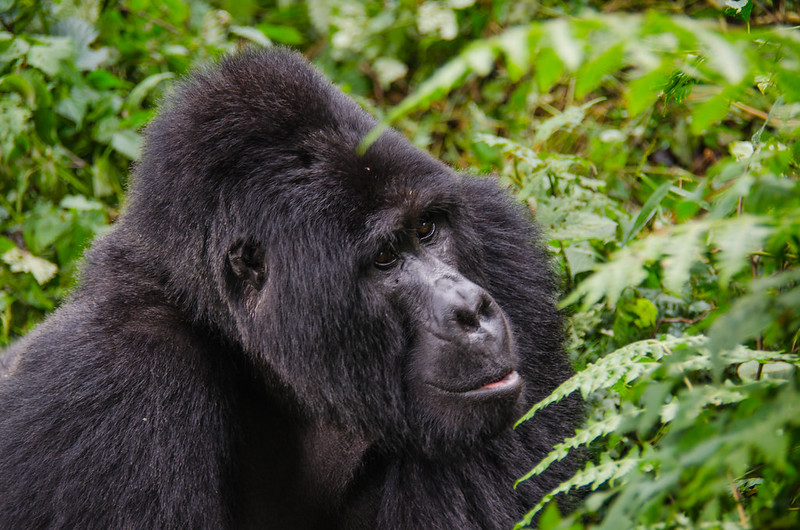
Most travelers visit Bwindi Impenetrable National Park for mountain gorilla trekking. The dense rainforest, steep hills, and close encounters with endangered gorillas create one of Africa’s most unforgettable wildlife experiences. However, the forest holds more than wildlife. The communities surrounding the park preserve rich traditions, local knowledge, music, dance, crafts, and stories that add deeper meaning to every safari.
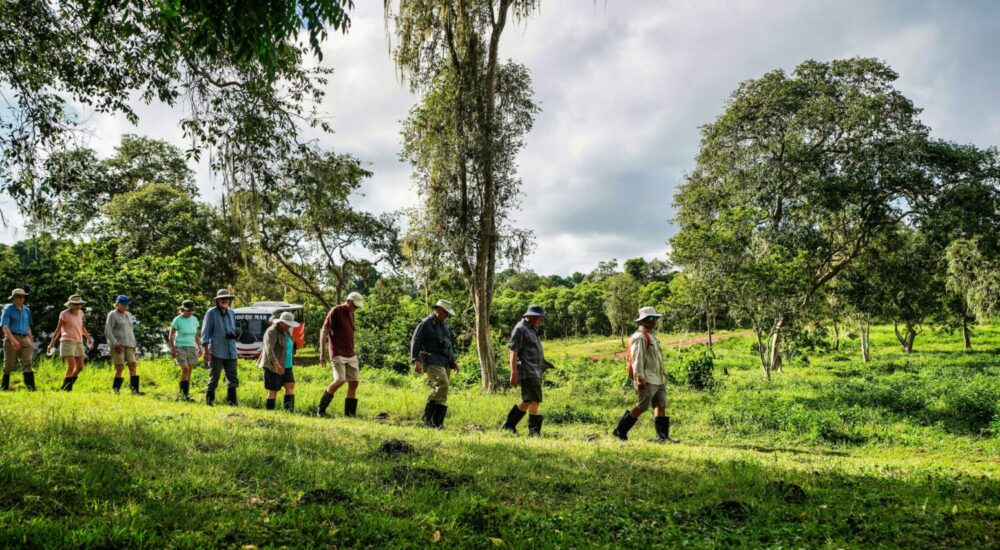
A Bwindi community walk introduces visitors to the daily life of the Bakiga and Batwa communities living near the forest. These cultural experiences reveal how local people interact with the environment, preserve their heritage, and benefit from tourism connected to gorilla conservation. Travelers do not simply observe culture from a distance. They participate in village life, meet local families, visit schools and farms, learn traditional practices, and hear personal stories from community guides.
For many visitors, these cultural encounters become one of the most emotional and memorable parts of a Uganda safari. They create a stronger connection to Bwindi beyond gorilla trekking and help travelers understand the relationship between conservation and local livelihoods.
Why Community Experiences Matter in Bwindi
Bwindi Impenetrable National Park sits in southwestern Uganda and protects nearly half of the world’s remaining mountain gorillas. The park borders several rural communities that depend on tourism for employment and development opportunities. Gorilla trekking permits, lodge partnerships, craft markets, and guided cultural tours help generate income for families living around the forest.
A Bwindi community walk supports local guides, women’s groups, schools, youth initiatives, and cultural organizations. Tourism encourages communities to protect the forest instead of relying on activities that threaten wildlife habitats. When visitors participate in community tours, they directly contribute to conservation and sustainable tourism in Uganda.
Cultural tourism also preserves traditions that might otherwise disappear. Local storytelling, music, herbal medicine, basket weaving, blacksmithing, and traditional farming methods remain active because communities continue sharing them with younger generations and visitors.
What to Expect During a Bwindi Community Walk
A typical Bwindi community walk takes place near the main gorilla trekking sectors including Buhoma, Rushaga, Nkuringo, and Ruhija. Community guides lead visitors through villages, farms, homesteads, schools, churches, and cultural centers while explaining local customs and history.
The walks usually last between two and four hours depending on the route and activities included. Some experiences focus on cultural performances and village interactions, while others combine nature walks, traditional medicine demonstrations, coffee experiences, and Batwa heritage trails.
Visitors walk at a relaxed pace through beautiful rural landscapes filled with terraced hills, banana plantations, tea farms, and scenic forest views. Along the way, local residents often welcome guests warmly with songs, smiles, and storytelling.
Unlike staged tourist performances, most community walks in Bwindi feel authentic and personal because local guides share their real daily experiences and family histories.
Visiting the Batwa Community in Bwindi
One of the most meaningful cultural experiences in Bwindi involves visiting the Batwa people. The Batwa are indigenous forest dwellers who lived in the Bwindi forest for generations before the area became a protected national park.
Traditionally, the Batwa survived through hunting, gathering honey, collecting medicinal plants, and living closely with nature. When Bwindi became a national park in 1991, many Batwa families lost access to the forest and faced major social and economic challenges.
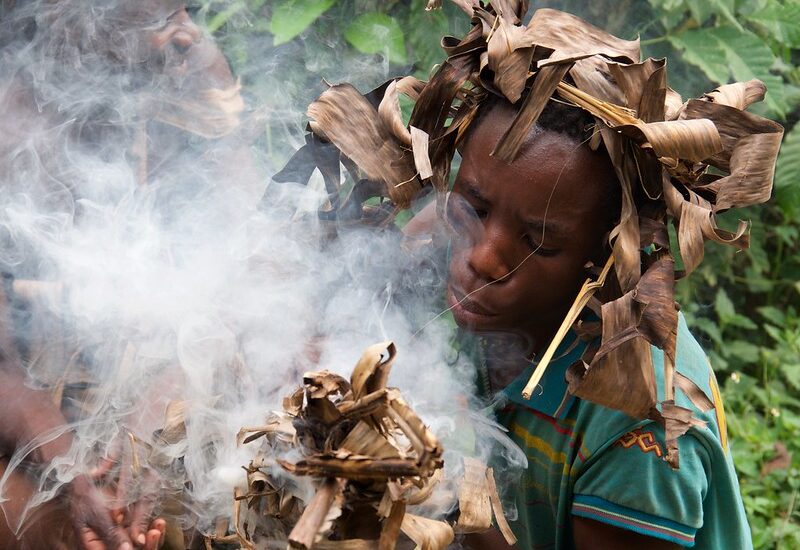
Today, several Batwa cultural initiatives allow visitors to learn about their history, traditions, music, and survival skills. During a Batwa cultural encounter, guides demonstrate traditional hunting techniques, fire-making methods, herbal medicine knowledge, and ancient forest lifestyles.
The Batwa performances include energetic dances, songs, storytelling, and dramatic recreations of life inside the forest. These experiences help preserve Batwa heritage while creating income for local families.
The Batwa Trail near Mgahinga Gorilla National Park remains one of Uganda’s best-known indigenous cultural experiences, but visitors in Bwindi can also enjoy excellent Batwa community visits near Buhoma and Rushaga.
The Bakiga Culture Around Bwindi
The Bakiga people form the largest ethnic group around Bwindi Impenetrable National Park. They are known for their hardworking farming culture, terraced agriculture, vibrant dances, and strong community values.
A Bwindi community walk often includes opportunities to visit Bakiga homesteads and farms where visitors can learn about banana cultivation, coffee processing, brewing local beer, and preparing traditional meals.
The Bakiga cultural dances involve energetic drumming, singing, and fast footwork that reflects the strength and resilience of the community. Cultural centers around Bwindi organize performances that allow visitors to participate in the dancing and drumming sessions.
Guests may also learn about traditional marriage customs, local folklore, family structures, and the role of elders within the community. These interactions create a deeper appreciation for rural Ugandan life beyond the wildlife safari experience.
Coffee Tours and Local Farming Experiences
Coffee growing plays an important role in the economy around Bwindi. The fertile volcanic soils and cool climate create ideal conditions for Arabica coffee farming. Many community walks include coffee experiences where visitors follow the journey from bean to cup.
During the tour, local farmers explain how they plant, harvest, dry, roast, and grind coffee using traditional methods. Visitors can participate in roasting coffee over a fire and taste freshly prepared local coffee afterward.
These experiences support small-scale farmers while giving travelers insight into the agricultural traditions that sustain local families.
In addition to coffee, visitors often see banana plantations, bean farms, tea gardens, and livestock farming during village walks. The landscape surrounding Bwindi reflects generations of careful farming on steep hillsides.
Traditional Music, Dance, and Storytelling
Music and dance hold a special place in the communities surrounding Bwindi. Nearly every cultural tour includes traditional performances that celebrate local identity and history.
Drumming groups welcome visitors with lively rhythms while dancers perform traditional Bakiga and Batwa dances. Songs often tell stories about nature, family, hunting, farming, and community celebrations.
Storytelling sessions allow elders and guides to share oral traditions passed down through generations. These stories explain local beliefs, legends connected to the forest, and historical events that shaped the region.
Visitors frequently join the performances, creating joyful interactions between travelers and local communities.
Community Projects Supported by Tourism
Many cultural experiences around Bwindi connect directly to community development projects. Revenue from tourism helps fund schools, clean water initiatives, women’s cooperatives, healthcare programs, and conservation education.
Several women’s groups produce handmade baskets, jewelry, fabrics, and crafts that visitors can purchase during community tours. These sales create important income opportunities for families.
Some lodges and tour operators partner with local schools and vocational training centers to improve education and employment opportunities for young people living near the park.
By participating in a Bwindi community walk, travelers contribute to sustainable tourism that benefits both people and wildlife.
Best Places for Community Walks in Bwindi
Buhoma Sector
Buhoma offers some of the most established community tourism experiences in Bwindi. Visitors can explore village walks, Batwa performances, craft shops, schools, and local breweries. The Buhoma Community Rest Camp and surrounding cultural organizations actively support local tourism initiatives.
Rushaga Sector
Rushaga combines excellent gorilla trekking opportunities with rich cultural encounters. Visitors can join coffee tours, women’s group visits, and Batwa cultural experiences while enjoying stunning views of the forest and surrounding hills.
Nkuringo Sector
Nkuringo provides quieter and more scenic cultural walks through remote villages and terraced landscapes. The region offers authentic interactions with local farming communities and panoramic viewpoints overlooking Bwindi forest.
Ruhija Sector
Ruhija community experiences often combine birdwatching, nature walks, and village interactions. The cooler climate and peaceful environment make this area ideal for travelers seeking a less crowded experience.
Combining Gorilla Trekking with Cultural Experiences
Many travelers focus entirely on gorilla trekking when planning a Bwindi safari. However, adding a Bwindi community walk creates a more complete and rewarding experience.
Gorilla trekking introduces visitors to the extraordinary wildlife of Uganda, while cultural tours reveal the human stories connected to conservation. Together, these experiences provide a balanced understanding of Bwindi’s environmental and cultural importance.
Most community walks fit easily into safari itineraries. Travelers can participate in cultural activities on the afternoon after gorilla trekking or during an extra day in Bwindi.
Combining wildlife and cultural experiences also supports responsible tourism by spreading tourism benefits across local communities.
Best Time for Bwindi Community Walks
Community walks take place throughout the year because cultural activities continue in every season. However, the dry months from June to September and December to February offer easier walking conditions and clearer views of the surrounding landscapes.
The rainy seasons from March to May and October to November bring greener scenery and fewer tourists, although trails may become muddy.
Unlike gorilla trekking, community walks remain relatively flexible and accessible even during wet weather.
What to Wear for a Bwindi Community Walk
Comfortable walking shoes work best for village walks around Bwindi. Visitors should also wear lightweight long trousers, breathable shirts, sunscreen, and a light rain jacket because weather conditions can change quickly in the highlands.
A camera helps capture memorable cultural moments, but travelers should always ask permission before taking close-up photos of local people.
Small cash amounts also help visitors purchase crafts and support local vendors during the walk.
Responsible Cultural Tourism in Bwindi
Respect plays an essential role during any cultural experience. Visitors should approach community tours with genuine curiosity and cultural sensitivity.
Listening carefully to local guides, supporting community businesses, dressing modestly, and asking respectful questions all help create positive interactions.
Travelers should avoid treating cultural visits like staged attractions. Instead, these experiences work best when visitors engage openly and appreciate the opportunity to learn directly from local communities.
Responsible tourism strengthens relationships between conservation efforts and local livelihoods while protecting cultural heritage for future generations.
Where to Stay for Cultural Experiences in Bwindi
Several lodges around Bwindi work closely with local communities and organize excellent cultural experiences for guests.
Luxury travelers can stay at lodges such as Sanctuary Gorilla Forest Camp, Clouds Mountain Gorilla Lodge, or Buhoma Lodge. These properties often support community conservation programs and cultural initiatives.
Midrange options including Ichumbi Gorilla Lodge, Engagi Lodge, and Gorilla Mist Camp also provide easy access to community walks and cultural activities.
Choosing accommodation that supports local employment and sustainability enhances the positive impact of your visit.
Planning Your Bwindi Cultural Safari
A successful Bwindi safari combines gorilla trekking, cultural encounters, and scenic exploration. Most visitors spend at least three days in the region to enjoy both wildlife and community experiences without rushing.
Travelers can reach Bwindi by road from Kampala or Kigali, or by domestic flights to nearby airstrips such as Kihihi and Kisoro.
Working with an experienced local operator helps organize permits, accommodation, transportation, and authentic cultural activities.
At Monumental Expeditions and Safaris, we design personalized Uganda safaris that connect travelers with both the wildlife and communities of Bwindi. Our itineraries include carefully selected cultural experiences that support local conservation and community development.
You can also combine Bwindi with destinations such as Queen Elizabeth National Park, Lake Bunyonyi, Kibale Forest, and Mgahinga Gorilla National Park for a more diverse Uganda safari.
Final Thoughts on Bwindi Community Walks
A Bwindi community walk transforms a gorilla safari into a deeper cultural journey. These experiences reveal the people, traditions, and stories that shape life around one of Africa’s most important rainforests.
Visitors leave with more than photographs of gorillas. They gain meaningful connections with local communities, greater appreciation for conservation efforts, and unforgettable memories of Uganda’s cultural richness.
Bwindi remains one of the few places in the world where travelers can experience extraordinary wildlife and authentic community interactions within the same destination. For anyone seeking a more immersive safari experience, cultural walks around Bwindi deserve a place in every itinerary.
Related Posts