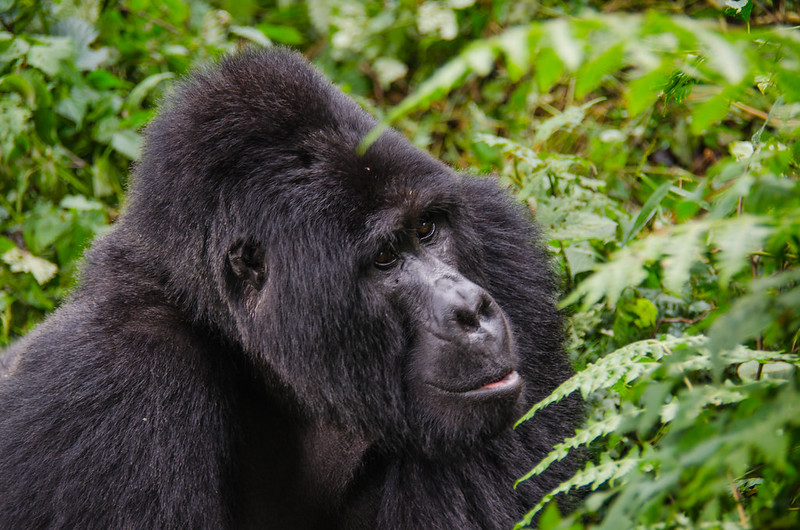
Gorilla tracking tours from Cyanika border Rwanda – Volcanoes National park and Mgahinga National Park.…
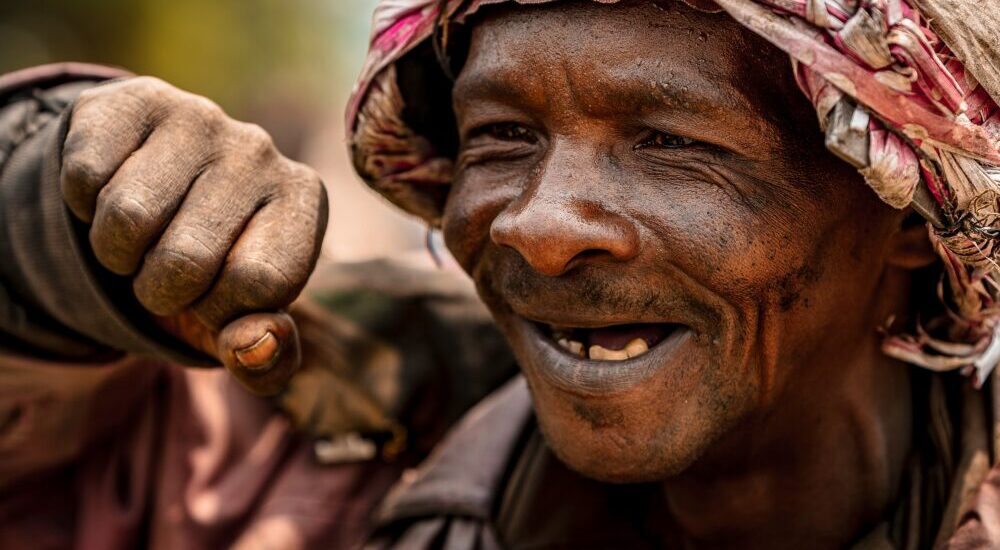
How gorilla trekking tours have impacted the Batwa people. (The untold story)
Impact of Gorilla Trekking on the Batwa People in East Africa
Overview
Gorilla trekking in East Africa stands as one of the most sought-after wildlife experiences in the world. While it plays a vital role in conservation and tourism growth, its impact on indigenous communities—especially the Batwa people of Uganda and the wider Great Lakes region—remains complex. This article explores the historical background, cultural disruption, and evolving relationship between gorilla tourism and the Batwa.
Who Are the Batwa People?
The Batwa are one of the oldest indigenous forest-dwelling communities in Central and East Africa. Their identity is deeply tied to the rainforest ecosystems that once provided their livelihood, culture, and spirituality.
The Batwa people lived as hunter-gatherers in the dense forests of the Great Lakes region for thousands of years. They relied on the forest for food, herbal medicine, and spiritual practices. Archaeological and linguistic evidence confirms their long-standing presence, making them among the earliest inhabitants of these ecosystems.
Over centuries, interactions with Bantu and Nilotic groups shaped their socio-economic structure. These relationships often placed the Batwa in dependent roles, exchanging forest products like honey and meat for tools and cultivated food. Despite this exchange, they retained a strong connection to the forest.

Historical Marginalization of the Batwa
The Batwa’s marginalization began long before modern conservation but intensified during colonial and post-colonial periods.
As centralized kingdoms expanded across Rwanda, Burundi, and Uganda, the Batwa became increasingly marginalized. They remained largely landless and politically excluded, often serving as entertainers, potters, or hunters for ruling elites.
Colonial rule further worsened their situation. Large forest areas were seized for plantations and reserves, displacing Batwa communities and restricting their traditional practices. Colonial narratives labeled them as “primitive,” reinforcing discrimination that persisted even after independence.
Conservation and Forced Evictions
The creation of national parks for gorilla conservation marked a turning point in Batwa history.
During the 1990s and early 2000s, major conservation areas such as Bwindi Impenetrable National Park and Mgahinga Gorilla National Park in Uganda, and Volcanoes National Park in Rwanda, were established. These efforts aimed to protect endangered mountain gorillas but resulted in the eviction of Batwa communities from their ancestral lands—often without compensation.
This displacement severed the Batwa from their cultural roots and traditional livelihoods. The forest was not just a resource base; it was central to their identity, beliefs, and way of life.
Gorilla Tourism and Economic Opportunities
Gorilla tourism introduced new economic pathways, but access to benefits remains uneven.
With the rise of gorilla trekking, tourism created employment opportunities for some Batwa individuals. These include roles as porters, guides, lodge staff, and performers in cultural experiences. Revenue-sharing initiatives from gorilla permits have also contributed to local economies.
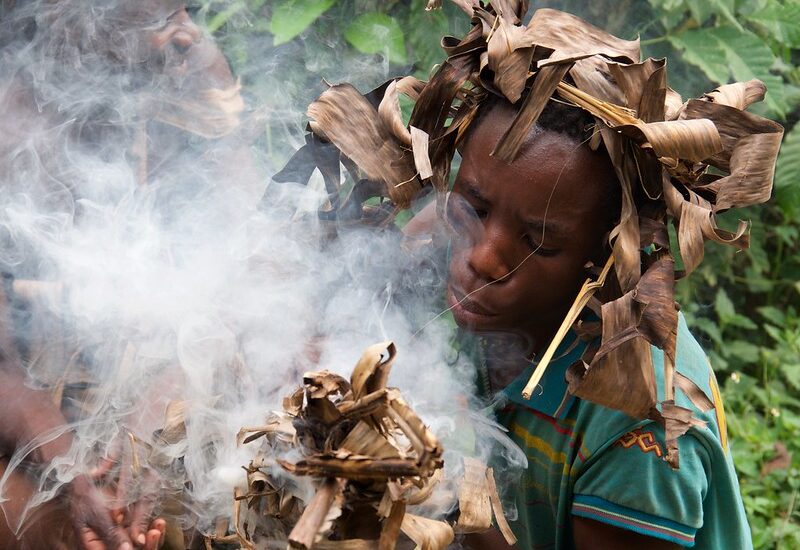
In addition, “Batwa cultural experiences” have become part of the tourism circuit. These allow visitors to learn about traditional forest life, music, and storytelling while providing income to participating communities.
Challenges and Limitations of Tourism Benefits
Despite visible opportunities, tourism has not fully addressed the deeper challenges faced by the Batwa.
Many Batwa communities receive only a small share of tourism revenue. They are often excluded from decision-making processes and remain vulnerable to fluctuations in tourism demand, as seen during global disruptions like COVID-19.
Cultural tourism also raises concerns. Some experiences become staged performances designed for tourists rather than authentic cultural expression. This risks reinforcing stereotypes and limiting long-term cultural preservation.
More critically, structural issues such as landlessness, lack of legal recognition, and limited access to education and healthcare continue to hinder sustainable development.
Pathways to Sustainable and Inclusive Tourism
For gorilla tourism to benefit the Batwa meaningfully, inclusive and community-led approaches are essential.
Effective strategies include involving Batwa communities in decision-making through Free, Prior, and Informed Consent (FPIC). This ensures that tourism projects respect their rights and cultural values.
Empowering Batwa-led enterprises—such as community-managed cultural trails or tourism businesses—can significantly improve income distribution. Legal recognition of land rights and access to forest resources also plays a critical role in restoring dignity and livelihoods.
Long-term investment in education, healthcare, and housing—funded partly through tourism revenue—offers a more sustainable path toward development.
Conservation vs Community: A Double-Edged Impact
Gorilla tourism has delivered conservation success but presents a mixed outcome for indigenous communities.
On one hand, tourism has helped protect endangered mountain gorillas and generated global awareness. On the other, it has not fully compensated for the historical injustices faced by the Batwa, particularly forced displacement and cultural loss.
This dual impact highlights the need for policies that balance conservation goals with human rights and community development.
Why This Matters for Travelers
Modern travelers play a role in shaping the future of sustainable tourism in Africa.
When you visit destinations like Bwindi Impenetrable National Park or Volcanoes National Park, your travel choices contribute to both conservation and community livelihoods. Responsible tourism—especially when it supports ethical operators and community-based initiatives—can help create a more equitable system.
Gorilla trekking is not only a wildlife experience; it is also a cultural and social journey that connects visitors to the realities of conservation and indigenous rights.
Conclusion
Gorilla trekking tourism in East Africa has transformed conservation efforts and created economic opportunities. However, for the Batwa people, the story remains complex. While tourism has introduced income and visibility, it has not fully addressed the consequences of displacement and long-term marginalization.
A more inclusive, Batwa-led approach—focused on land rights, fair revenue sharing, and cultural preservation—is essential. Only then can gorilla tourism evolve into a truly sustainable and restorative force for both wildlife and indigenous communities.
For nature lovers and conservationists, when you travel to Uganda or Rwanda, for gorilla trekking experiences, you not only enjoy the thrilling experience of the endangered gorilla species but also contribute to the survival of the Batwa people. For more information about organizing your gorilla trekking experience contact us.
Related Posts