SAFARI TO MURCHISON FALLS NATIONAL PARK – WATER FALL BOAT CRUISE & TOP OF FALLS…
Uganda Photography Safari: Best Spots & Tips for Wildlife Photos
Uganda Photography Safari: Best Spots & Tips for Wildlife Photos
Uganda has quietly become one of Africa’s most rewarding destinations for photographers seeking raw, authentic, and diverse wildlife imagery. A Uganda photography safari offers an extraordinary range of subjects, from endangered mountain gorillas in misty rainforests to elephants crossing golden savannah plains, dramatic waterfalls, colorful birdlife, and vibrant cultural scenes.
Unlike heavily commercialized safari destinations, Uganda still feels wild and untouched in many regions. This gives photographers a rare opportunity to capture nature in its most natural and undisturbed form. Whether you are a professional wildlife photographer, a travel content creator, or an enthusiast with a passion for storytelling through images, Uganda delivers unmatched photographic variety.
From Bwindi Impenetrable National Park to Queen Elizabeth National Park, Murchison Falls, Kibale Forest, and Lake Mburo, every destination offers unique lighting conditions, wildlife behavior, and scenic compositions.
For travelers planning professional or personal photography-focused safaris, Monumental Expeditions and Safaris offers tailored itineraries designed around optimal lighting, wildlife positioning, and seasonal movements.
Why Uganda Is a Top Destination for Wildlife Photography
 Uganda stands out in Africa’s photography landscape because of its exceptional biodiversity and dramatic scenery. Within a single safari, photographers can capture rainforest primates, savannah predators, river ecosystems, volcanic landscapes, and high-altitude mountains.
The country is home to over 1,000 bird species, more than 340 mammal species, and some of the world’s most iconic primates, including mountain gorillas and chimpanzees. This diversity creates endless opportunities for storytelling through photography.
Another major advantage is the relatively low tourist density in many national parks. Unlike busier safari destinations, Uganda often allows photographers more time and space to compose shots without excessive vehicle congestion.
Lighting conditions are also excellent, particularly during early morning and late afternoon hours when wildlife activity is highest and natural lighting enhances depth, color, and texture.
The combination of wildlife diversity, dramatic landscapes, and authentic safari environments makes Uganda a dream destination for photography enthusiasts.
Bwindi Impenetrable National Park: Gorilla Photography Paradise
One of the most iconic highlights of a Uganda photography safari is gorilla photography in Bwindi Impenetrable National Park. This UNESCO World Heritage Site is home to nearly half of the world’s remaining mountain gorillas, making it one of the most important primate photography locations on Earth.
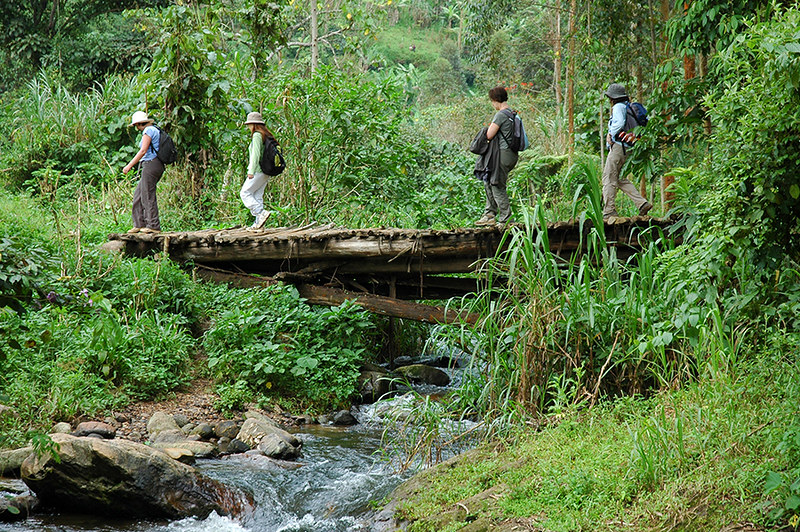
Photographing gorillas requires patience, respect, and careful observation. The trekking experience itself takes place in dense rainforest, where light filters through thick vegetation, creating dramatic shadows and atmospheric conditions ideal for storytelling images.
Once a gorilla family is located, photographers are allowed one hour to capture images. This time is precious, as gorillas may move, feed, rest, or interact with each other in unpredictable ways.
Close-up portraits of silverbacks, playful juveniles, and nurturing mothers provide powerful emotional compositions. The misty forest environment adds depth and mood, making Bwindi one of the most cinematic photography locations in Africa.
For best results, photographers are encouraged to use fast lenses, high ISO capabilities, and weather protection for their equipment due to frequent moisture and changing light conditions.
Queen Elizabeth National Park: Big Game and Scenic Diversity
Queen Elizabeth National Park is one of Uganda’s most diverse photography destinations. The park offers a unique blend of savannah landscapes, volcanic crater lakes, wetlands, and forest ecosystems, making it ideal for varied wildlife photography.
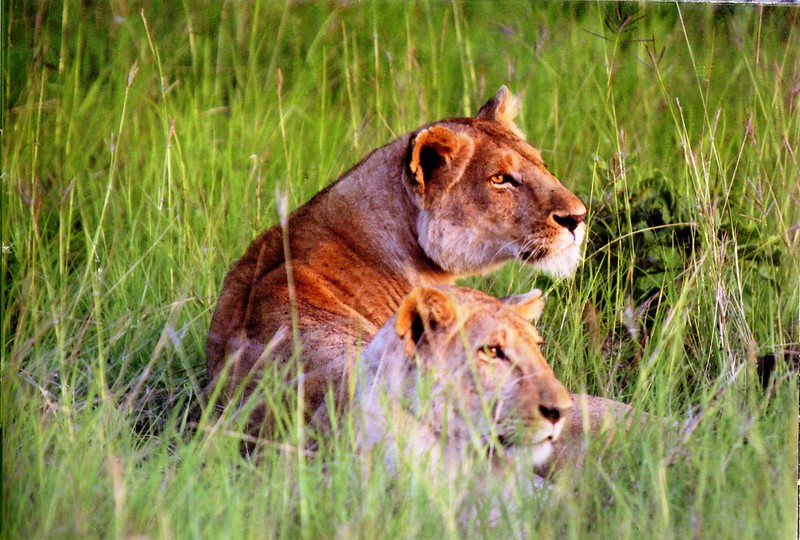
The Ishasha sector is particularly famous for its tree-climbing lions. Capturing lions resting in fig trees creates rare and highly sought-after photographic compositions.
Elephants, buffaloes, hippos, and antelopes are commonly seen across the Kasenyi plains, especially during early morning game drives when animals are most active.
The Kazinga Channel is another photography hotspot. Boat cruises along the channel allow close-up shots of hippos, crocodiles, elephants, and a wide variety of bird species. The water reflections and soft lighting during golden hours enhance image quality significantly.
Bird photographers also find Queen Elizabeth National Park especially rewarding due to its high concentration of species, including kingfishers, fish eagles, and herons.
Murchison Falls National Park: Dramatic Landscapes and Wildlife Action
Murchison Falls National Park offers some of the most dramatic photography opportunities in Uganda. The highlight of the park is the powerful Murchison Falls, where the Nile River forces itself through a narrow gorge before plunging into the Albertine Rift Valley.
This natural spectacle creates incredible long-exposure photography opportunities, especially when capturing water movement and mist rising from the falls.
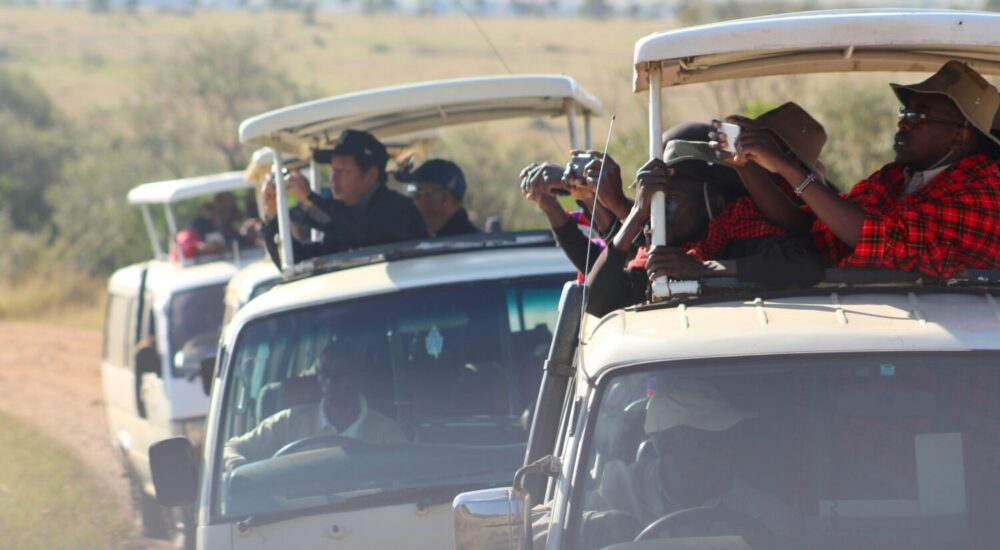
Game drives across the northern sector of the park offer sightings of lions, giraffes, elephants, leopards, and large herds of buffaloes. The open savannah provides excellent visibility for wildlife tracking and composition.
Boat cruises along the Nile River offer additional photographic perspectives, allowing close encounters with crocodiles, hippos, and river birds.
Sunrise and sunset light in Murchison Falls National Park is particularly striking, making it one of the best locations in Uganda for golden-hour photography.
Kibale Forest: Primate Photography in Dense Rainforest
Kibale Forest National Park is one of Africa’s best destinations for chimpanzee photography. The park is home to a large population of habituated chimpanzees, offering excellent opportunities for capturing behavioral moments in dense forest environments.
Chimpanzees are highly active and often move quickly through the forest canopy, creating dynamic photographic challenges. This requires fast autofocus, continuous shooting modes, and an understanding of chimpanzee behavior.
Beyond chimpanzees, Kibale Forest is rich in primate diversity, including red colobus monkeys, L’Hoest’s monkeys, and grey-cheeked mangabeys.
The forest environment also provides excellent macro photography opportunities, including insects, fungi, plants, and bird species.
The combination of wildlife activity and lush green environments makes Kibale Forest ideal for storytelling and environmental photography.
Lake Mburo National Park: Intimate Wildlife Encounters
Lake Mburo National Park offers a more intimate photography experience compared to Uganda’s larger parks. Its compact size allows photographers to move quickly between locations and maximize shooting opportunities.
The park is known for zebras, impalas, giraffes, elands, and hippos. Walking safaris provide unique perspectives that are not available in most other national parks.
Horseback safaris also allow photographers to approach wildlife quietly and capture natural behavior without engine disturbance.
Lake Mburo’s rolling hills, acacia woodlands, and lake systems create beautiful natural backdrops for wildlife photography.
Sunset reflections over Lake Mburo are particularly popular among landscape photographers.
Best Photography Locations for Birds in Uganda
Uganda is one of Africa’s premier bird photography destinations, making it a paradise for birdwatchers and wildlife photographers alike.
The country’s diverse ecosystems support species such as the shoebill stork, African fish eagle, great blue turaco, kingfishers, hornbills, and sunbirds.
Mabamba Swamp near Lake Victoria is one of the best places to photograph the rare shoebill stork, a highly sought-after bird species among photographers worldwide.
Queen Elizabeth National Park, Murchison Falls, and Semuliki National Park also offer exceptional bird photography opportunities.
Early morning light combined with calm wetland environments creates ideal conditions for capturing sharp and colorful bird images.
Essential Photography Tips for a Uganda Safari
Successful wildlife photography in Uganda requires preparation, patience, and adaptability. Weather conditions can change quickly, especially in rainforest environments.
A fast telephoto lens is essential for capturing distant wildlife subjects, while a wide-angle lens is ideal for landscapes and environmental storytelling.
Protecting equipment from humidity, dust, and rain is important due to Uganda’s varied climate conditions.
Understanding animal behavior significantly improves photography success rates, especially when tracking gorillas, chimpanzees, and predators.
Golden hours—early morning and late afternoon—provide the best lighting conditions for wildlife photography across all national parks.
Travelers should also remain flexible, as wildlife movement often determines photography opportunities more than strict schedules.
Cultural Photography Opportunities in Uganda
Beyond wildlife, Uganda offers rich cultural photography experiences. Local communities provide vibrant subjects, including traditional dances, craft making, farming activities, and daily life scenes.
Batwa cultural experiences near Bwindi offer powerful storytelling opportunities through portraits, forest heritage demonstrations, and traditional performances.
Coffee farming communities in western Uganda also provide visually rich environments with terraced landscapes and harvesting activities.
Capturing cultural interactions adds depth and context to wildlife photography portfolios.
Best Time for Photography Safaris in Uganda
Uganda can be visited year-round, but dry seasons from June to September and December to February are generally best for wildlife photography.
During these months, wildlife is easier to locate, roads are more accessible, and lighting conditions are more predictable.
Rainy seasons offer dramatic landscapes, fewer tourists, and vibrant green environments, making them ideal for creative and atmospheric photography.
Each season offers different advantages depending on the photographer’s artistic goals.
Accommodation for Photography Travelers
Uganda offers a wide range of safari lodges and camps suitable for photography travelers. Many lodges are strategically located near national parks, reducing travel time to photography sites.
Some properties offer early breakfast arrangements for sunrise game drives and flexible schedules for photographers.
Lodges in Bwindi, Queen Elizabeth, and Murchison Falls often provide panoramic views, allowing photographers to capture wildlife even from accommodation premises.
Monumental Expeditions and Safaris assists photography travelers in selecting lodges that align with lighting conditions, proximity to wildlife areas, and comfort preferences.
Why Choose Monumental Expeditions and Safaris
Planning a Uganda photography safari requires careful coordination of timing, locations, permits, and logistics. Monumental Expeditions and Safaris specializes in designing photography-focused itineraries tailored to wildlife movements, seasonal conditions, and client objectives.
The company ensures access to experienced guides who understand photographic positioning, animal behavior, and optimal shooting conditions.
From gorilla trekking photography to big game safaris and birdwatching expeditions, customized packages are designed to maximize photographic opportunities across Uganda’s diverse ecosystems.
Capture the Untamed Beauty of Uganda
A Uganda photography safari offers more than just wildlife images. It provides storytelling opportunities across landscapes, cultures, and ecosystems that remain largely untouched and authentic.
From misty gorilla forests to golden savannah plains, from powerful waterfalls to quiet lakeside sunsets, Uganda offers endless inspiration for photographers of all levels.
Every moment presents a new frame, a new story, and a new opportunity to capture Africa in its most natural form.
For photographers seeking diversity, authenticity, and adventure, Uganda remains one of the most rewarding destinations in the world.
Related Posts