Gorilla Trekking in Uganda, is it really worth it? These Gentle Giants (Mountain Gorillas) can…
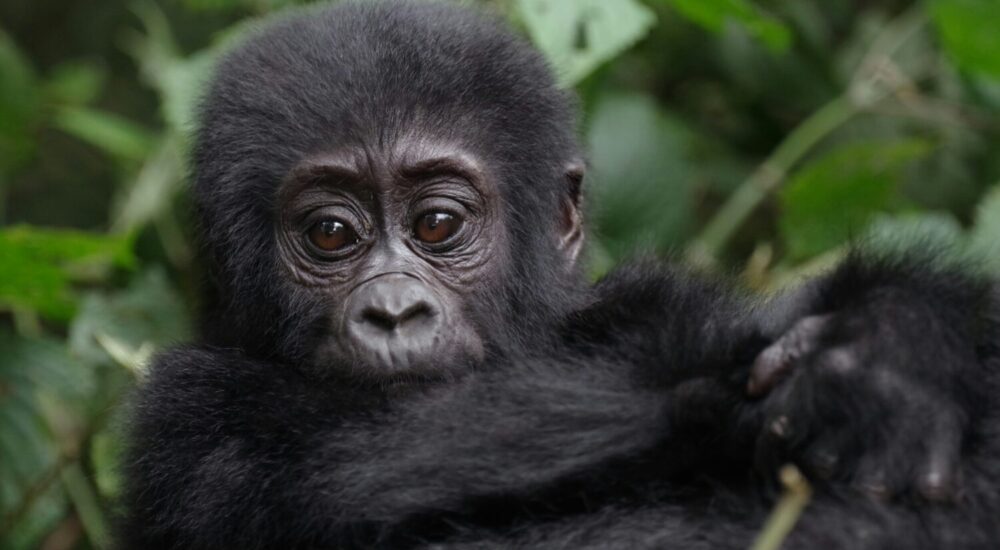
Twin Mountain Gorillas: Rare & Special Sightings
Twin Mountain Gorillas: Rare & Special Sightings
Overview
Among all wildlife experiences in Africa’s dense rainforests, few moments feel as extraordinary as encountering twin mountain gorillas. These rare births attract global attention because they are uncommon, scientifically significant, and emotionally powerful for both researchers and travelers. In the world of primates, twins are extremely rare, and in mountain gorilla populations, such events become historical conservation milestones.
The search term twin gorillas Uganda often reflects curiosity about whether such sightings truly exist and what makes them so special. The truth is that twin births in mountain gorillas are documented but remain exceptionally rare, and survival rates are even lower due to the intense demands of maternal care in the wild.
Understanding twin gorilla births offers deeper insight into reproduction, maternal behavior, survival challenges, and conservation progress in Uganda’s Bwindi Impenetrable National Park and other gorilla habitats in East and Central Africa.
For travelers, learning about twin gorillas adds another layer of meaning to gorilla trekking safaris. It highlights the fragility of life in the wild and the importance of protecting every birth, especially those that come with extraordinary challenges like twins.
What Are Twin Mountain Gorillas?
Twin mountain gorillas are two infants born from a single pregnancy to a female gorilla. Just like in humans, twin births occur when two embryos develop simultaneously, resulting in two babies delivered during the same birth event.
However, unlike humans, twin births in gorillas present far greater survival challenges. In the wild, a mother gorilla must carry, nurse, protect, and teach her infants entirely on her own, without external support. This makes twin survival extremely demanding.
In the context of twin gorillas Uganda, most recorded twin births have been observed in Uganda’s gorilla populations, particularly in Bwindi Impenetrable National Park, which hosts nearly half of the world’s remaining mountain gorillas.
Even when twins are born, it is common for only one infant to survive beyond early stages due to limited maternal resources and environmental pressures.
Why Twin Gorillas Are So Rare
Twin births among mountain gorillas are rare because of biological and evolutionary factors. Gorillas typically give birth to one infant at a time after a gestation period of about 8.5 months. This single-offspring strategy allows mothers to invest all their energy into raising one infant successfully.
When twins occur, the mother suddenly faces double the demands for feeding, carrying, and protection. Since gorillas rely entirely on breast milk during early development, producing enough nutrition for two infants becomes extremely challenging.
In wild environments, survival depends on strength, mobility, and constant protection from threats such as predators or environmental stress. A mother gorilla carrying twins may struggle to move efficiently, especially through steep forest terrain like Bwindi or Volcanoes National Park.
This is why twin gorillas Uganda remain a rare biological event rather than a common occurrence.
Famous Cases of Twin Gorillas in Uganda
Uganda has recorded some of the most notable twin gorilla births in conservation history. Bwindi Impenetrable National Park has been central to these rare sightings, with a few documented cases captured by researchers and conservation teams.
One of the most widely discussed cases involved a female mountain gorilla that gave birth to twins within a habituated group. Researchers observed the mother’s intense struggle to care for both infants simultaneously. While initial survival was uncertain, one or both infants often required extended monitoring.
These rare cases of twin gorillas Uganda provide valuable insights into maternal behavior, group support, and survival dynamics within gorilla families.
Such sightings also highlight the importance of long-term monitoring programs that allow researchers to track individual gorilla families over many years.
Survival Challenges for Twin Gorillas
The survival rate of twin gorillas in the wild is extremely low. Even under ideal conditions, raising two infants simultaneously places enormous physical strain on the mother.
A female gorilla must carry her infants during movement, nurse them regularly, and protect them from environmental risks. When twins are born, one infant often becomes weaker due to limited access to milk or physical carrying capacity.
In many documented cases of twin gorillas Uganda, the mother may prioritize one infant while the other struggles to survive. In rare cases where both survive, extended group support and favorable environmental conditions play a critical role.
Gorilla groups are highly social, and other females may occasionally assist indirectly by providing proximity protection or social stability, but the primary responsibility always remains with the mother.
Maternal Behavior in Twin Gorilla Cases
Gorilla mothers are known for their strong emotional bonds and exceptional care. When twins are born, maternal behavior becomes even more intense and complex.
A mother must adjust her movement patterns, feeding behavior, and resting habits to accommodate two infants. She often spends more time stationary to allow nursing and bonding.
In twin gorillas Uganda observations, mothers have been seen displaying heightened protectiveness and reduced mobility during early months after birth.
Infants depend entirely on physical contact, especially during the first year of life. Twins may compete for attention and feeding, which adds further complexity to maternal care.
This extraordinary level of caregiving demonstrates the emotional depth and intelligence of mountain gorillas.
How Gorilla Groups Respond to Twins
Gorilla families are highly social units led by a dominant silverback. When twins are born, the entire group often responds with curiosity and increased attention.
The silverback plays a protective role, ensuring the safety of the mother and infants. Other females in the group may show interest and occasionally assist through proximity, although direct caregiving remains limited.
In cases of twin gorillas Uganda, group stability becomes especially important. A calm and stable social structure increases the chances of survival for both infants.
Juvenile gorillas may also show curiosity toward the twins, sometimes interacting playfully when the mother allows safe proximity.
Scientific Importance of Twin Gorilla Births
Twin gorilla births are important for researchers studying primate reproduction, genetics, and survival strategies. These rare events help scientists understand the limits of maternal investment and the evolutionary reasons behind single-offspring births in gorillas.
Studying twin gorillas Uganda also provides insight into population dynamics. Since gorillas typically reproduce slowly, any variation in birth patterns can significantly affect long-term population growth.
Researchers closely monitor twin cases to understand how environmental factors, nutrition, and group stability influence survival outcomes.
These studies contribute directly to conservation strategies aimed at protecting endangered mountain gorillas.
Twin Gorillas and Conservation Awareness
Every recorded twin gorilla birth becomes an important conservation milestone. It attracts global attention and highlights both the fragility and resilience of mountain gorilla populations.
Conservation teams in Uganda use these events to raise awareness about gorilla protection, habitat conservation, and the importance of sustainable tourism.
The presence of twin gorillas Uganda in conservation discussions also emphasizes the need for continuous monitoring and veterinary support programs that assist gorilla families in critical situations.
Gorilla tourism revenue helps fund these initiatives, ensuring that gorilla populations remain protected for future generations.
Where Twin Gorilla Sightings Are Most Likely
Most documented twin gorilla cases have occurred in Uganda’s Bwindi Impenetrable National Park, one of the most biologically diverse gorilla habitats in the world.
Bwindi hosts multiple habituated gorilla families, allowing researchers and tourists to observe long-term behavioral patterns.
Explore Uganda Gorilla Tours:
www.gorillatrackings.com/uganda-gorilla-tours
Rwanda’s Volcanoes National Park also supports mountain gorilla populations, though recorded twin births are even rarer in this region.
Discover Rwanda Gorilla Trekking:
www.gorillatrackings.com/rwanda-gorilla-trekking
Virunga National Park in Congo provides additional habitat for mountain gorillas, contributing to regional population stability and genetic diversity.
Explore Congo Gorilla Safaris:
www.gorillatrackings.com/congo-gorilla-tours
Twin Gorillas During Gorilla Trekking Experiences
Although tourists are unlikely to specifically encounter twin gorillas during trekking, the possibility of observing a family that includes twins makes gorilla trekking even more exciting.
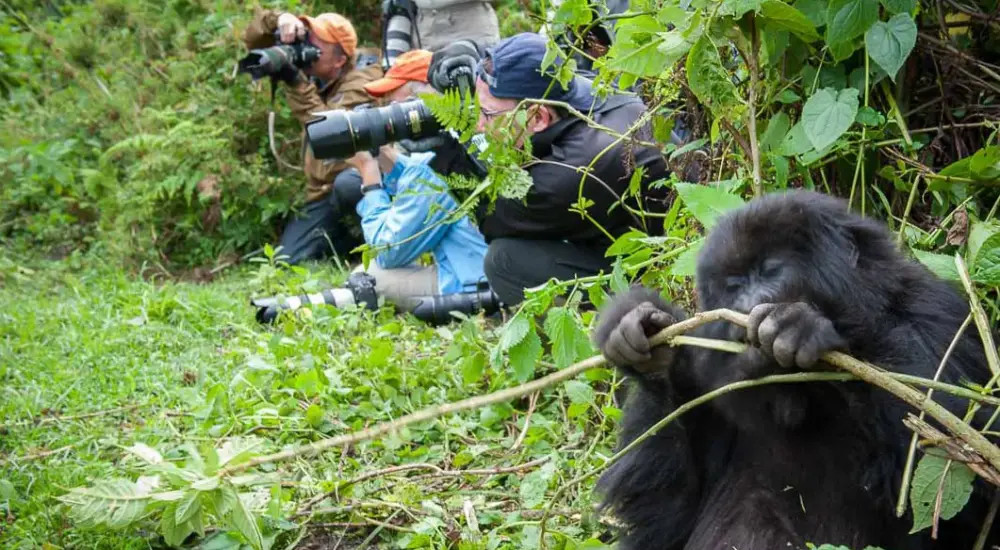
During guided treks, visitors may witness infants within gorilla families and learn about their development, social interactions, and maternal care.
Understanding rare events like twin gorillas Uganda enhances the trekking experience by adding depth to every gorilla encounter.
Each gorilla family seen in the wild represents a unique story shaped by survival, reproduction, and conservation efforts.
Emotional Impact of Twin Gorilla Stories
Stories of twin gorilla births often evoke strong emotional responses. They highlight both the beauty and fragility of life in the wild.
For researchers and guides who witness these events firsthand, twin gorillas represent moments of hope and challenge at the same time. The struggle of survival reflects the realities of nature, while successful cases represent conservation achievement.
These stories also inspire greater appreciation among travelers who participate in gorilla trekking safaris.
Conservation Challenges Facing Gorilla Families
Mountain gorillas continue to face threats such as habitat loss, disease transmission, and human encroachment. These challenges make every birth—especially rare twin births—significant for population sustainability.
Protecting gorilla habitats ensures that mothers have access to sufficient food resources and safe environments to raise their young.
Conservation programs in Uganda, Rwanda, and Congo are actively working to maintain stable gorilla populations through anti-poaching patrols, habitat protection, and regulated tourism.
The Future of Twin Gorilla Research
As conservation efforts improve, researchers continue to monitor gorilla populations more closely than ever before. This increases the chances of documenting future twin gorillas Uganda cases and improving survival outcomes.
Advances in veterinary support, behavioral tracking, and non-invasive monitoring techniques are helping scientists understand how to better support gorilla mothers in rare twin scenarios.
The future of gorilla conservation depends on continued research, responsible tourism, and global awareness.
Experience Gorilla Families with Monumental Expeditions and Safaris
Monumental Expeditions and Safaris offers immersive gorilla trekking experiences across Uganda, Rwanda, and Congo. Our expert-guided safaris allow travelers to observe gorilla families in their natural habitat while learning about rare behaviors, conservation science, and forest ecology.
Every trek contributes to conservation efforts that protect mountain gorillas, including rare and special cases like twin births.
Related Posts