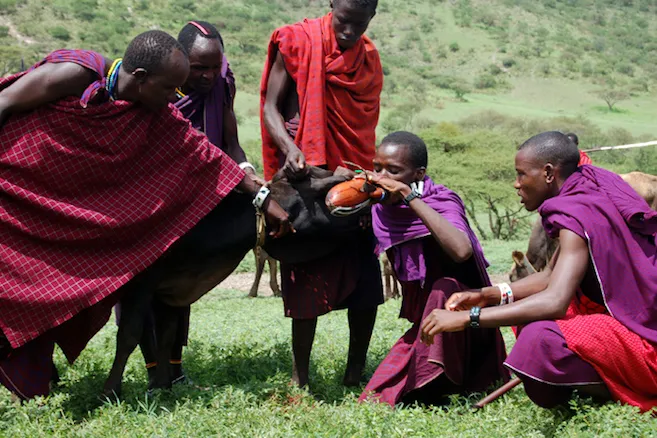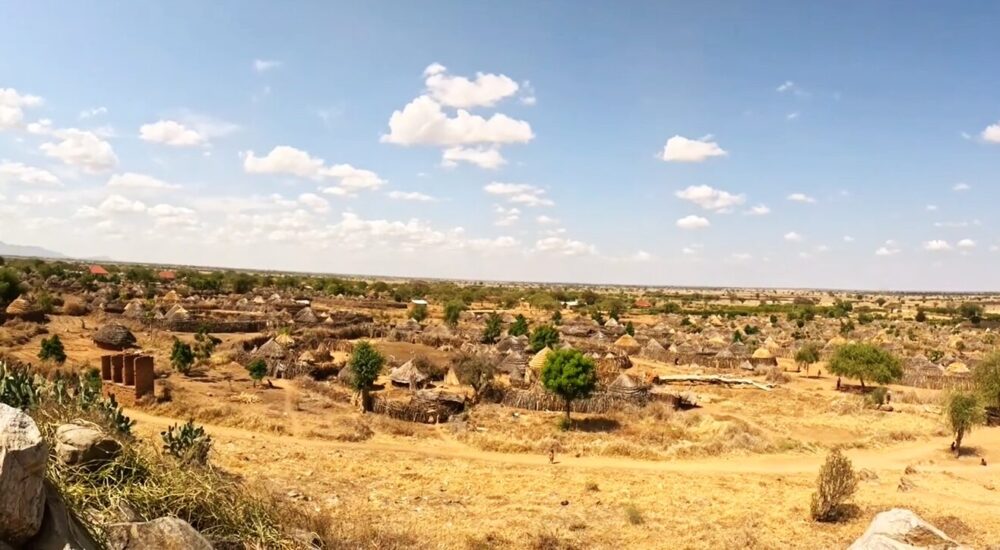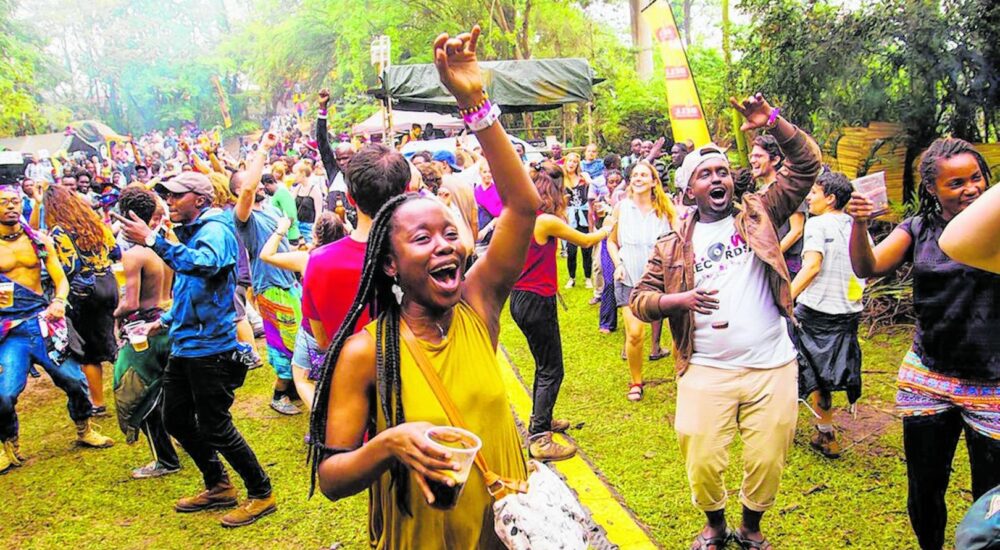
Who Are the Maasai? The Maasai ethnic group is a semi-nomadic community found primarily in…
The Uganda Martyrs
The Uganda Martyrs: A Powerful Story of Faith, Courage, and Heritage
Uganda is widely known as the Pearl of Africa, celebrated for its breathtaking wildlife, scenic landscapes, and rich cultural heritage. However, beyond its natural beauty lies one of Africa’s most inspiring historical and religious stories — the story of The Uganda Martyrs. Their legacy remains a cornerstone of Uganda’s Christian history and continues to attract thousands of pilgrims and cultural tourists every year. The story of the Uganda Martyrs is not just about religion; it represents faith, sacrifice, resilience, and the cultural transformation of Uganda.
Today, the Uganda Martyrs Shrines at Namugongo stand as one of Africa’s most significant religious tourism destinations, drawing visitors from across the globe. Whether you are a pilgrim, historian, or traveler seeking meaningful cultural experiences, learning about the Uganda Martyrs offers deep insight into Uganda’s spiritual and historical identity.
Who Were the Uganda Martyrs?
The Uganda Martyrs were a group of 45 young Christian converts who were executed between 1885 and 1887 during the reign of Kabaka Mwanga II, the king of Buganda Kingdom. Among these martyrs, 22 were Roman Catholics and 23 were Anglicans. These young men served as royal pages in the Buganda Kingdom and were brutally killed for refusing to renounce their Christian faith.
The martyrs were primarily converts to Christianity during a time when European missionaries were introducing Christianity to Uganda. Their refusal to abandon their faith was seen as defiance against the king’s authority and traditional beliefs, leading to one of the most significant religious persecutions in African history.
The Historical Background of the Uganda Martyrs
The Arrival of Christianity in Uganda
Christianity was introduced in Buganda in the late 19th century by European missionaries. The Church Missionary Society (CMS) introduced Anglican Christianity in 1877, while the Roman Catholic White Fathers arrived in 1879. Islam had already been introduced earlier through Arab traders.
Initially, Kabaka Mutesa I welcomed foreign religions because he saw them as opportunities for diplomatic and trade relations. However, tensions grew when Kabaka Mwanga II ascended to the throne in 1884.
Kabaka Mwanga II feared that Christianity would weaken his authority because Christian converts refused to participate in traditional rituals and sometimes challenged royal orders. This conflict laid the foundation for the tragic events that would follow.
Why Were the Uganda Martyrs Killed?
The execution of the Uganda Martyrs was fueled by a combination of political, cultural, and religious tensions.
1. Fear of Losing Authority
Kabaka Mwanga II believed Christianity threatened his power. The converts placed loyalty to their faith above loyalty to the king, which was considered treason in the Buganda Kingdom.
2. Refusal to Renounce Christianity
Many royal pages converted to Christianity and refused to abandon their beliefs despite severe punishment. Their firm commitment angered the king.
3. Resistance to Royal Demands
Some historical accounts suggest that certain pages resisted immoral demands from the king, which further intensified persecution.
The Execution at Namugongo
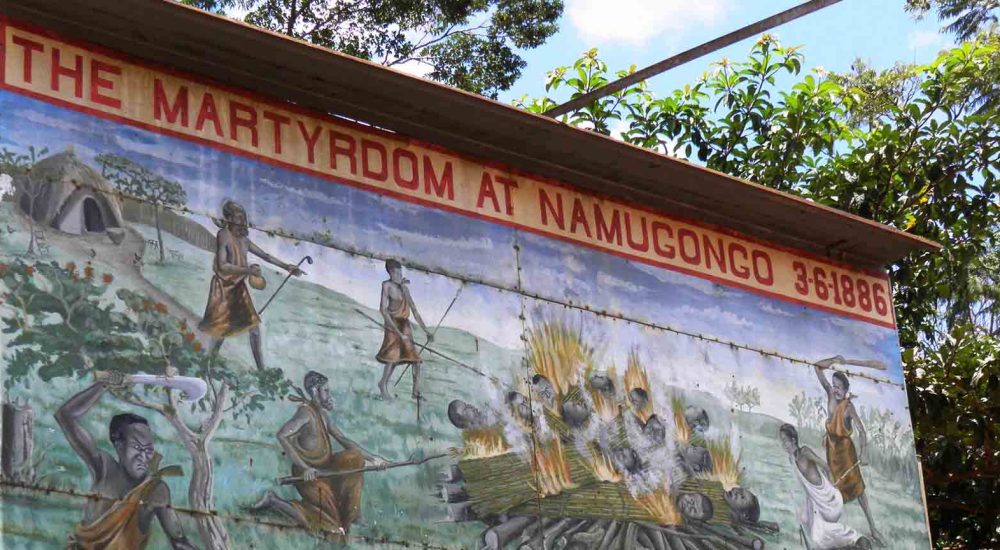
The most remembered and symbolic event occurred on June 3rd, 1886, when a group of young Christian converts were burned alive at Namugongo. The martyrs were marched from the royal palace to Namugongo, a journey that took several days. During this journey, some were tortured and killed along the way.
One of the most famous martyrs was Saint Charles Lwanga, who is celebrated as the leader of the Catholic martyrs. He is remembered for protecting younger converts and strengthening their faith before execution.
Another well-known martyr was Saint Kizito, the youngest martyr, who was only 14 years old at the time of his death. His courage continues to inspire young Christians worldwide.
Canonization of the Uganda Martyrs
The courage of the Uganda Martyrs gained international recognition. In 1920, Pope Benedict XV beatified the Catholic martyrs, and in 1964, Pope Paul VI canonized the 22 Catholic martyrs, officially declaring them saints.
Their canonization made Uganda the center of Christian pilgrimage in Africa. Today, the Uganda Martyrs are among the most respected Christian saints globally.
The Uganda Martyrs Shrines at Namugongo
The Namugongo Martyrs Shrine is the main site where the martyrs were executed and is now a major religious and tourism landmark in Uganda. The shrine is divided into two sections:
1. Catholic Shrine
The Namugongo Catholic Shrine was built on the exact site where Saint Charles Lwanga was burned alive. The shrine features a stunning architectural design resembling a traditional African hut supported by pillars shaped like spears.
Thousands of pilgrims gather here every year, especially during Martyrs Day celebrations.
2. Anglican Shrine
The Namugongo Anglican Shrine commemorates the Anglican martyrs. It also serves as a place of worship and reflection, attracting numerous visitors.
Visitors exploring Uganda’s spiritual heritage often include Namugongo in their itineraries when booking cultural and religious tours in Uganda through trusted operators like Monumental Expeditions and Safaris.
Uganda Martyrs Day Celebrations
Every year on June 3rd, Uganda hosts one of the largest religious gatherings in Africa — Uganda Martyrs Day. Pilgrims travel from Uganda, Kenya, Tanzania, Rwanda, South Sudan, and beyond to honor the martyrs.
Activities During Martyrs Day
-
Prayer services and mass gatherings
-
Religious processions and pilgrimages
-
Cultural performances and storytelling
-
Reflection and spiritual teachings
This annual celebration attracts over two million pilgrims, making it a significant event for religious tourism in Uganda.
Religious Tourism and Cultural Heritage in Uganda
The Uganda Martyrs story plays a major role in promoting religious tourism in Africa. Travelers visiting Uganda often combine pilgrimage tours with wildlife safaris and cultural experiences.
Tour operators such as Monumental Expeditions and Safaris offer tailored packages that allow travelers to explore both Uganda’s spiritual landmarks and wildlife destinations.
Visitors interested in combining pilgrimage tours with wildlife adventures can explore internal resources such as:
These tours allow travelers to experience Uganda’s religious, historical, and natural attractions in one unforgettable journey.
The Impact of the Uganda Martyrs on Christianity in Africa
The sacrifice of the Uganda Martyrs significantly strengthened Christianity across Africa. Their story inspired rapid Christian growth in Uganda and neighboring countries.
Today, Uganda has one of the largest Christian populations in Africa. The martyrs symbolize unwavering faith and continue to inspire Christians globally.
Their story also demonstrated how African believers played a key role in shaping Christianity on the continent rather than merely receiving it from foreign missionaries.
Visiting the Uganda Martyrs Shrines Today
Best Time to Visit
While the shrines are open year-round, the best time to visit depends on your interests:
-
June 3rd – Ideal for experiencing the Martyrs Day celebrations
-
Dry seasons (June to August and December to February) – Best for combining pilgrimage with wildlife safaris
Many visitors combine Namugongo visits with national park tours, including gorilla trekking experiences in Bwindi Impenetrable National Park. Travelers can find helpful planning resources from Monumental Expeditions and Safaris.
What to Expect During a Visit to Namugongo
Visitors to Namugongo can explore several attractions, including:
Martyrs Museum
The museum provides historical artifacts, photographs, and detailed accounts of the martyrs’ lives and executions.
Sacred Lakes and Prayer Areas
Pilgrims believe the lakes near the shrine have spiritual significance and often gather there for prayer and reflection.
Religious Architecture
The impressive church structures reflect Uganda’s rich cultural and religious fusion.
Uganda Martyrs and Uganda’s National Identity
The Uganda Martyrs are not only religious icons but also national heroes. Their story represents unity, resilience, and the transformation of Uganda’s cultural landscape.
Schools, churches, and communities across Uganda teach the story of the martyrs as part of national history. Their legacy continues to shape Uganda’s identity and moral values.
Combining Uganda Martyrs Tours with Safari Adventures
Uganda offers unique travel experiences that combine spirituality with adventure tourism. Travelers can visit Namugongo and then explore Uganda’s wildlife destinations such as:
-
Bwindi Impenetrable National Park
-
Queen Elizabeth National Park
-
Murchison Falls National Park
-
Kibale Forest National Park
Safari planners like Monumental Expeditions and Safaris specialize in creating customized itineraries blending religious tourism, gorilla trekking, and wildlife safaris.
The Global Recognition of the Uganda Martyrs
The Uganda Martyrs story extends far beyond Africa. Christian communities worldwide celebrate their sacrifice. Churches and religious institutions in Europe, North America, and Asia recognize the martyrs as symbols of faith and courage.
The Namugongo Shrine remains one of the most important Catholic pilgrimage sites globally, comparable to Lourdes in France and Fatima in Portugal.
Lessons from the Uganda Martyrs
The story of the Uganda Martyrs teaches powerful lessons that remain relevant today:
Faith and Conviction
The martyrs demonstrated extraordinary dedication to their beliefs despite facing death.
Courage and Leadership
Figures like Saint Charles Lwanga showed leadership and protection of fellow believers.
Cultural Transformation
The martyrs helped shape Uganda’s transition into a country with strong Christian values.
Why the Uganda Martyrs Are Important for Travelers
Travelers interested in African history, culture, and religion find the Uganda Martyrs story deeply moving. Visiting Namugongo offers travelers:
-
Cultural and historical education
-
Spiritual reflection and pilgrimage experience
-
Opportunity to explore Uganda’s heritage
Combining the visit with wildlife tours allows travelers to experience Uganda’s diverse attractions through trusted operators like Monumental Expeditions and Safaris.
Conclusion
The story of the Uganda Martyrs stands as one of Africa’s most remarkable accounts of faith, sacrifice, and cultural transformation. Their courage continues to inspire millions of believers and travelers worldwide. The Namugongo Martyrs Shrine remains a powerful symbol of Uganda’s religious heritage and one of Africa’s most visited pilgrimage destinations.
For travelers seeking to explore Uganda’s spiritual landmarks alongside unforgettable safari adventures, trusted tour operators such as Monumental Expeditions and Safaris provide expertly designed travel packages. Whether you are drawn by history, religion, or adventure, visiting the Uganda Martyrs Shrines offers a meaningful and enriching travel experience.
To plan your pilgrimage and safari journey, visit Monumental Expeditions and safaris and explore Uganda’s remarkable blend of spirituality, culture, and wildlife.
Related Posts