
How Much Does It Cost to Go on an East Africa Safari? Planning your East…
Safari Eco-Certification: What to Look For
Safari Eco-Certification: What to Look For
Safari travel in Africa is changing quickly. Travelers are no longer satisfied with just seeing wildlife; they want to know their journey contributes to conservation, supports local communities, and protects fragile ecosystems for future generations. This shift has made safari eco-certification one of the most important considerations when choosing a safari in Uganda, Rwanda, Kenya, or Tanzania.
Eco-certification is not just a label. It is a reflection of how responsibly a safari operator, lodge, or tourism service manages its environmental footprint, treats wildlife, and engages with surrounding communities. In destinations like Uganda’s Bwindi Impenetrable Forest or Rwanda’s Volcanoes National Park, where gorilla trekking depends entirely on conservation success, eco-certification directly influences the survival of endangered species.
Understanding what to look for in safari eco-certification helps travelers make informed choices that go beyond price and comfort. It ensures that every safari experience contributes positively to wildlife protection and community development.
Understanding Safari Eco-Certification in Modern Tourism
At its core, safari eco-certification is a structured evaluation of sustainability practices within the tourism industry. It assesses how safari operators, lodges, and related services reduce environmental impact while maintaining high-quality visitor experiences.
Eco-certified safari providers are typically assessed across several key areas including environmental management, energy efficiency, waste control, community engagement, and wildlife protection practices.
In East Africa, where tourism takes place inside protected ecosystems, eco-certification plays an even more critical role. National parks in Uganda and Rwanda, for example, depend heavily on tourism revenue to fund conservation programs for species such as mountain gorillas and chimpanzees.
A certified or genuinely responsible safari provider ensures that tourism becomes a tool for conservation rather than a threat to biodiversity.
Why Eco-Certification Matters in African Safari Destinations
African safari destinations are among the most biologically diverse ecosystems on Earth, but they are also highly sensitive. Even small increases in tourism pressure can impact wildlife behavior, habitat stability, and community livelihoods.
When travelers choose responsibly managed safaris, they directly support:
- Protection of endangered wildlife species
- Conservation of natural habitats and forests
- Reduction of pollution and waste in national parks
- Fair employment for local communities
- Sustainable development in rural tourism regions
In contrast, poorly managed tourism can lead to habitat degradation, wildlife disturbance, and economic inequality within surrounding communities.
This is why responsible safari tourism in Africa is no longer optional. It is essential for long-term conservation success.
Eco-Certified Safari Lodges and Their Role in Conservation
One of the most visible aspects of safari eco-certification is the performance of safari lodges. Accommodation plays a major role in determining the overall environmental impact of a safari experience.
Eco-certified lodges in Uganda and Rwanda are designed to operate in harmony with nature. Instead of altering landscapes, they blend into forest and savannah environments using sustainable architecture and low-impact construction methods.
These lodges typically prioritize renewable energy sources such as solar power, reducing reliance on fossil fuels in remote areas. Water conservation systems, including rainwater harvesting and greywater recycling, are commonly implemented to reduce pressure on natural water sources.
Waste management is another critical factor. Eco-lodges aim to minimize plastic use, recycle materials, and properly manage waste disposal to avoid pollution in sensitive ecosystems like Bwindi Forest or Kibale Forest.
Beyond environmental practices, these lodges also focus on community engagement. Many employ local staff, source food locally, and support nearby schools and health initiatives, ensuring that tourism benefits extend beyond conservation areas.
Wildlife Protection Standards in Eco-Certified Safaris
A major component of safari eco-certification involves how wildlife is treated during tourism activities. This is especially important for sensitive experiences such as gorilla trekking and chimpanzee tracking in Uganda and Rwanda.
Eco-certified safari operators strictly follow wildlife viewing guidelines designed to minimize stress on animals and prevent disease transmission. These include maintaining safe distances from wildlife, limiting group sizes during treks, and enforcing strict visitor behavior rules in national parks.
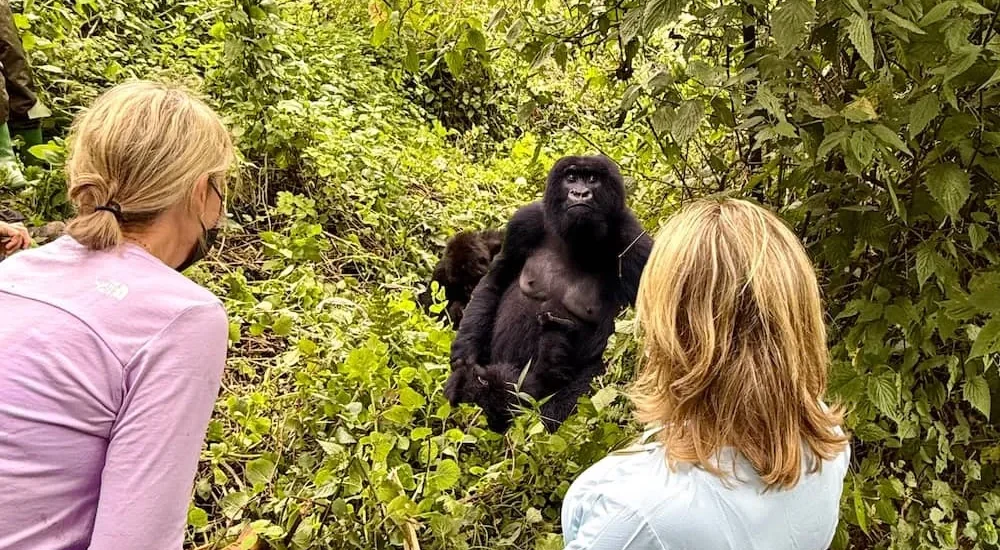
In gorilla trekking, for example, visitors are allowed only one hour with a habituated gorilla family, and group sizes are carefully controlled. These regulations protect mountain gorillas from overexposure to human presence while still allowing meaningful wildlife encounters.
Chimpanzee trekking in Kibale Forest follows similar protocols, ensuring that human interaction does not disrupt natural primate behavior.
These ethical standards are a key indicator of a truly responsible gorilla trekking safari in Uganda or Rwanda.
Community Impact and Social Responsibility in Eco-Tourism
One of the most important elements of safari eco-certification is community involvement. Safari tourism in Africa does not exist in isolation; it directly affects communities living near national parks and wildlife reserves.
Eco-certified safari operators prioritize fair employment opportunities for local residents, including roles as guides, trackers, lodge staff, and cultural ambassadors.
In Uganda, for example, communities around Bwindi Impenetrable Forest and Queen Elizabeth National Park benefit from tourism revenue-sharing programs. These funds are used for education, healthcare, infrastructure, and livelihood projects.
In Rwanda, community-based tourism initiatives near Volcanoes National Park also support local development while strengthening conservation awareness.
By choosing a responsible safari operator, travelers ensure their journey contributes to long-term social and economic development in rural Africa.
How Eco-Certification Supports Gorilla Conservation
Few wildlife experiences in the world are as closely linked to conservation funding as gorilla trekking. Mountain gorillas in Uganda and Rwanda remain endangered, and their survival depends heavily on regulated tourism.
Eco-certified safari operations ensure that gorilla trekking follows strict conservation protocols. Permit fees collected from tourists directly fund park management, anti-poaching patrols, veterinary care, and habitat protection.
In Bwindi Impenetrable National Park and Volcanoes National Park, tourism has played a significant role in increasing gorilla populations over the past decades. This success is largely due to well-managed, sustainable tourism systems.
Without responsible tourism practices, gorilla conservation would face far greater challenges from poaching, habitat loss, and human-wildlife conflict.
This makes eco-certified gorilla trekking safaris in East Africa one of the most impactful forms of wildlife tourism globally.
Red Flags When Identifying Non-Responsible Safari Operators
While many safari companies promote sustainability, not all genuinely follow eco-certified practices. Travelers should be cautious of operators that lack transparency or fail to demonstrate clear conservation commitments.
Warning signs may include:
- Lack of information about environmental or community programs
- Unusually cheap safari prices with no explanation of sustainability practices
- No mention of park regulations or responsible wildlife viewing guidelines
- Overcrowded safari itineraries that ignore ecological limits
- Absence of local community involvement or employment
A truly responsible safari operator will always be transparent about how their operations support conservation and community development.
The Role of Travelers in Sustainable Safari Tourism
Sustainable tourism is not only the responsibility of safari operators. Travelers also play an important role in ensuring positive impact.
Visitors can support eco-friendly safari experiences in Africa by choosing certified operators, respecting park rules, minimizing waste, and engaging responsibly with local communities.
Small decisions such as avoiding single-use plastics, following guide instructions during wildlife encounters, and supporting local crafts can significantly enhance the positive impact of a safari.
When travelers act responsibly, they help reinforce conservation efforts and encourage more operators to adopt sustainable practices.
The Future of Eco-Certified Safaris in Africa
The future of African safari tourism is increasingly centered around sustainability. As global awareness of environmental issues grows, travelers are prioritizing destinations and operators that demonstrate real conservation impact.
Uganda and Rwanda are already leading this transformation through regulated gorilla tourism, community conservation programs, and strict national park management systems.
In the coming years, safari eco-certification in Africa will become even more important as demand for responsible travel continues to rise. Operators who fail to adopt sustainable practices risk being excluded from a growing market of conscious travelers.
This shift represents a positive direction for both wildlife conservation and tourism development across East Africa.
Why Choose Monumental Expeditions and Safaris
At Monumental Expeditions and Safaris, sustainability is at the heart of every journey we design. We focus on responsible tourism practices that protect wildlife, empower communities, and deliver authentic safari experiences across Uganda and Rwanda.
Our itineraries include carefully selected lodges and partners that follow strong environmental and social responsibility standards. From gorilla trekking safaris in Bwindi and Volcanoes National Park to chimpanzee tracking in Kibale Forest and wildlife safaris in Queen Elizabeth and Murchison Falls National Parks, every experience is designed with conservation in mind.
We believe that travel should not only create memories but also contribute to the protection of Africa’s natural heritage.
Explore our responsible safari experiences, here and plan a journey that supports wildlife conservation while delivering unforgettable adventure.
Related Posts
Gorilla Trekking Altitude: Everything You Need to Know Before Your Trek Gorilla trekking is one…
How Long Can Tourists Spend with Gorillas? A Complete Guide for First-Time Gorilla Trekkers Gorilla…