Birding trips in Bwindi impenetrable National Park – Albertine rift endemics in Uganda. The Bwindi…
How to Respectfully Photograph Local People on Safari
How to Respectfully Photograph Local People on Safari
Safari travel is often associated with wildlife, landscapes, and dramatic natural encounters, but one of the most meaningful aspects of any African journey is the opportunity to meet and photograph local communities. From pastoralist cultures near national parks to forest-edge villages around gorilla trekking destinations, human encounters add depth, emotion, and cultural context to a safari experience.
However, photographing people in these settings requires more than just a good camera. It requires awareness, respect, and cultural sensitivity. In modern African safari travel, especially in destinations like Uganda and Rwanda, respectful photography is becoming an essential part of responsible tourism.
Understanding how to approach photography of local people on safari ensures that images are not only visually powerful but also ethically created and culturally appropriate. It also helps build trust between travelers and communities, ensuring that tourism remains a positive force in rural Africa.
Why Respectful Photography Matters on Safari
Photography has the power to tell stories, preserve memories, and connect cultures. But when done without consent or understanding, it can also create discomfort, misrepresentation, or even harm.
In many safari regions, local communities live alongside wildlife conservation areas such as Bwindi Impenetrable Forest, Queen Elizabeth National Park, or Volcanoes National Park. These communities are not tourist attractions; they are people with daily lives, traditions, and dignity.
Respectful safari photography in Africa ensures that cultural interactions remain positive and mutually beneficial. It also reinforces ethical tourism practices that support long-term community engagement and trust.
When travelers approach photography with sensitivity, they contribute to a more sustainable form of tourism where people feel valued rather than observed.
Understanding Cultural Sensitivity in Safari Photography
Cultural sensitivity is the foundation of ethical photography. In Uganda, Rwanda, and across East Africa, communities vary widely in traditions, social norms, and attitudes toward photography.
Some individuals may be comfortable being photographed, especially in organized cultural experiences, while others may prefer privacy. Assuming consent can lead to uncomfortable or disrespectful situations.
Before taking a photograph, it is important to observe body language, ask permission, and respect any refusal without pressure. This is especially important in rural villages where photography may feel intrusive if not properly introduced.
A respectful approach to local people photography on safari begins with understanding that not every moment needs to be captured. Sometimes, the experience itself is more valuable than the image.
Asking for Permission Before Taking Photos
One of the most important principles of ethical photography is simple: always ask before taking a photo.
In many East African communities, a smile and a polite gesture are often enough to communicate intent. In some cases, local guides or cultural leaders can assist in facilitating introductions.
Asking permission not only shows respect but also often leads to more authentic and relaxed photographs. People are more likely to feel comfortable and engaged when they understand the purpose of the image.
In organized cultural visits around Uganda safari destinations such as Bwindi or Kibale, photography is usually welcomed, but consent should still be confirmed individually.
Respectful communication builds trust and often leads to more meaningful photographic experiences.
Building Human Connection Before Photography
The most powerful safari photographs are rarely rushed. They are the result of genuine human interaction.
Taking time to greet people, engage in conversation, or simply observe daily life before raising a camera changes the entire dynamic of photography.
In Uganda and Rwanda, cultural encounters often include storytelling, traditional dances, craft demonstrations, and daily activities. Participating in these experiences before photographing them creates context and emotional depth.
When travelers connect first and photograph second, images become more than visual records. They become stories of shared experience.
This approach is central to responsible safari photography in East Africa.
Avoiding Exploitative or Invasive Photography
Not all photography is appropriate in safari environments. Some situations require restraint and awareness.
Photographing people without permission, zooming in on individuals in vulnerable situations, or treating communities as visual subjects rather than human beings can lead to ethical concerns.
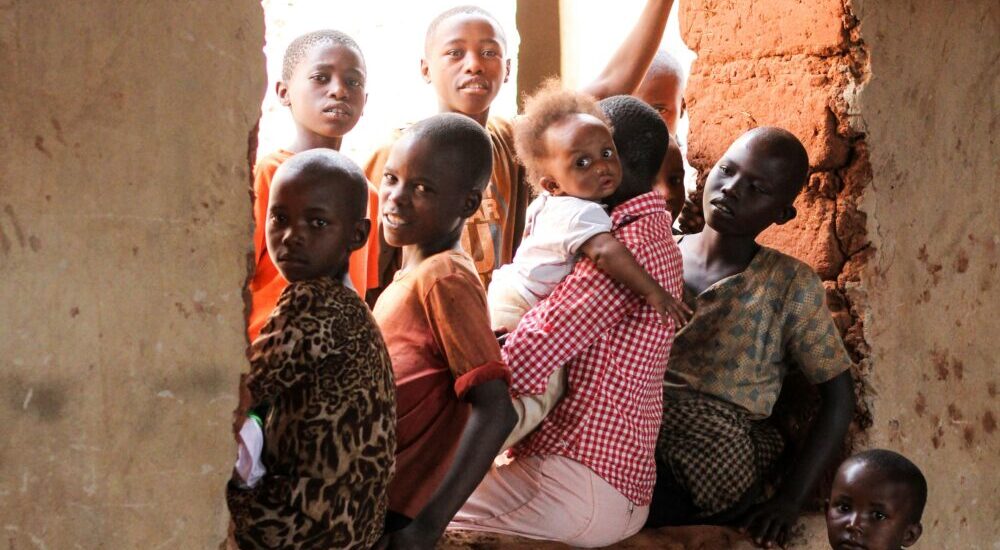
In rural safari areas, especially near national parks, it is important to avoid photographing children without parental consent or capturing images that may misrepresent living conditions.
Respectful travel photography in Africa prioritizes dignity over spectacle. The goal is not to document everything but to represent people fairly and respectfully.
The Role of Guides in Ethical Photography
Local guides play a crucial role in facilitating respectful photography on safari. They understand cultural norms, community dynamics, and appropriate moments for photography.
In destinations such as Uganda’s gorilla trekking regions or Rwanda’s cultural villages, guides often act as cultural mediators. They help travelers understand when photography is appropriate and when it is better to simply observe.
Working closely with guides ensures that photography remains ethical and culturally sensitive throughout the journey.
This is especially important in Uganda safari tours and Rwanda cultural experiences, where community interaction is a key part of the itinerary.
Respecting Privacy in Everyday Life
Not every moment in a safari destination is meant to be photographed. Daily life in villages, markets, and rural communities is not a performance.
Respecting privacy means recognizing when photography may be intrusive. People may be working, resting, or engaging in personal activities that are not intended for public documentation.
A good rule in ethical safari photography is to ask whether the moment would feel comfortable if roles were reversed.
If the answer is uncertain, it is better to step back and simply observe.
Supporting Local Communities Through Photography
Photography on safari can also have a positive impact when done responsibly. Many communities benefit from tourism through cultural experiences, craft sales, and storytelling traditions.
When travelers engage respectfully and support local artisans or cultural groups, photography becomes part of a broader economic and cultural exchange.
In Uganda and Rwanda, community tourism initiatives often rely on visitor participation to sustain livelihoods near national parks.
Respectful photography encourages continued cultural preservation while ensuring that communities feel valued and respected.
Capturing Authentic Moments Without Staging
One of the challenges in safari photography is balancing authenticity with presentation. While staged cultural performances are common in tourism settings, the most meaningful images often come from natural, unposed moments.
Waiting patiently, observing interactions, and allowing moments to unfold naturally results in more genuine storytelling.
In African safari photography, authenticity always carries more emotional weight than forced composition.
However, even in staged environments, respecting performers and following their guidance remains essential.
Ethical Considerations When Photographing Children
Photographing children requires extra care and sensitivity. In many safari destinations, children are part of cultural encounters or village visits, but consent must always involve parents or guardians.
It is important to avoid intrusive close-up shots or images that could be misinterpreted or shared inappropriately.
Responsible safari photography in Uganda and Rwanda treats children with dignity, ensuring their privacy and safety are protected at all times.
Photography and Conservation Awareness
Ethical photography also extends to how images are used after the safari. Travelers should be mindful of how they share photos on social media or public platforms.
Images should reflect respect for people and places rather than reinforcing stereotypes or misrepresentations.
In conservation-focused destinations such as Bwindi Impenetrable Forest or Volcanoes National Park, photography also plays a role in raising awareness about wildlife protection and community conservation efforts.
Responsible storytelling strengthens the link between tourism and conservation.
The Emotional Value of Respectful Photography
When photography is done respectfully, it becomes more than documentation. It becomes connection.
Images captured with consent and understanding often carry deeper emotional meaning because they are rooted in genuine interaction.
Many travelers find that their most powerful safari photographs are not of wildlife alone, but of people whose stories and hospitality shaped their journey.
Respectful photography transforms travel memories into shared human experiences.
Why This Matters in Modern Safari Tourism
As safari tourism continues to grow in popularity, ethical considerations are becoming increasingly important.
Destinations like Uganda and Rwanda are leading examples of conservation-driven tourism where wildlife protection and community engagement go hand in hand.
Respectful photography ensures that this balance remains intact. It supports sustainable tourism models that benefit both visitors and local populations.
In the long term, ethical photography helps preserve cultural integrity while enhancing the quality of safari experiences.
Why Travel With Monumental Expeditions and Safaris
At Monumental Expeditions and Safaris, we believe that travel should always respect both nature and people. Our guided experiences across Uganda and Rwanda emphasize responsible tourism, cultural sensitivity, and ethical wildlife and community interaction.
Whether you are on a gorilla trekking safari in Bwindi, a cultural visit in Rwanda, or a wildlife journey across East Africa, our guides ensure that photography is conducted respectfully and meaningfully.
We work closely with local communities to ensure that every interaction is positive, informed, and mutually beneficial.
Explore our responsible safari experiences and plan a journey that values both wildlife and people.
Related Posts