Gorilla Trekking Rwanda from Dubai: The Ultimate Luxury Safari Guide Travelers based in Dubai are…
Post-Elections in Uganda: What It Means for Tourism & Gorilla Trekking
Uganda’s 2026 general election, held on January 15, 2026, marked another chapter in the country’s political journey with President Yoweri Museveni securing a seventh term in office amid controversy and opposition rejection of the results. While the political climate in urban centers has garnered significant international attention — including debates over election transparency, internet blackouts, and suppressed civil liberties — the country’s tourism sector, especially gorilla trekking in Uganda, continues to stand resilient.
In this comprehensive blog, we’ll explore how Uganda’s post-election environment influences tourism, why investors and travelers should still consider the country’s wildlife attractions, and why gorilla trekking remains a highlight on Uganda safaris.
Understanding Uganda’s Post-Election Climate
Uganda’s elections have long been a focal point for political discourse in East Africa. The 2026 polls took place under intense scrutiny, with opposition figures decrying irregularities and restricted communication, while the government cited security needs as justification for certain restrictions like temporary internet shutdowns.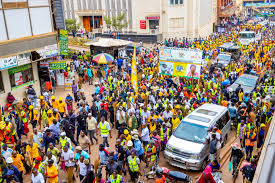
After the election, demonstrations and clashes in some urban areas — particularly Kampala and its suburbs — reflected the nation’s divided political sentiments. However, national parks and tourism hubs located outside major urban centers remained largely unaffected, supported by proactive safety assurances from the Uganda Tourism Board (UTB) and tourism stakeholders.
Despite political tensions, Uganda’s national commitment to maintaining tourism operations — a critical part of its economy — has been evident.
Why Tourism Matters to Uganda
Tourism is among Uganda’s top foreign exchange earners and supports thousands of jobs across the hospitality, transport, and conservation sectors. The country’s incredible biodiversity, landscapes, and cultural heritage have earned it the nickname “The Pearl of Africa.”
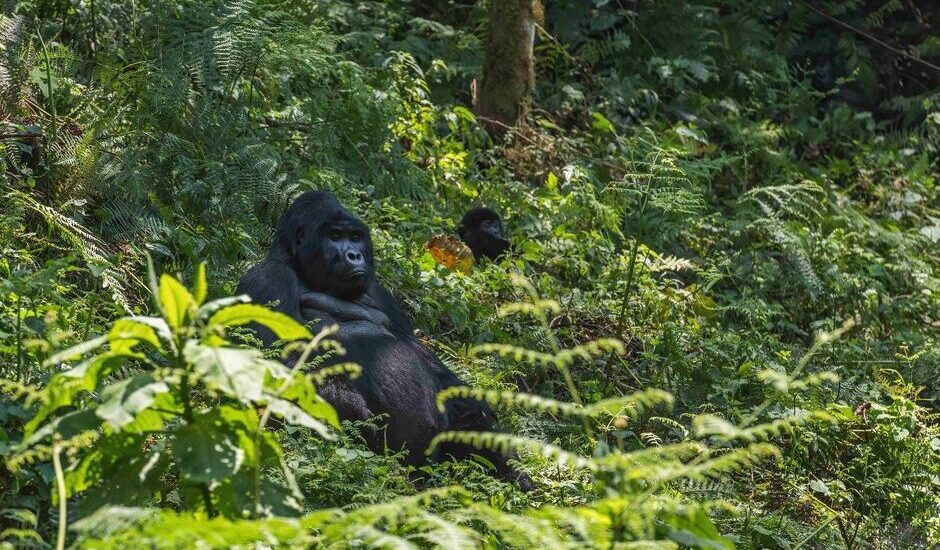
At the core of Uganda’s tourism appeal is wildlife tourism, especially gorilla trekking in Uganda’s Bwindi Impenetrable National Park and Mgahinga Gorilla National Park — home to about half of the world’s remaining mountain gorillas.
Economic Importance of Gorilla Tourism
-
Revenue generation: Gorilla permits are one of Uganda’s highest-earning tourism products, with fees for foreign non-residents set around USD 800 per trek.
-
Conservation funding: These fees directly support park management and conservation initiatives, helping protect these endangered primates and their habitats.
-
Community benefits: A portion of tourism revenue is allocated to local communities, fostering goodwill and sustainable human-wildlife coexistence.
Tourism Performance During & After Elections
1. Continued Operations in National Parks
Contrary to concerns that political uncertainty might disrupt travel plans, Uganda’s national parks remained open and operational before, during, and after the elections, with safaris and gorilla treks proceeding as scheduled.
Whether it’s Bwindi’s lush rainforests, queenly Queen Elizabeth National Park, or Murchison Falls’ breathtaking rapids, Uganda’s wildlife destinations have demonstrated an impressive ability to stay undisturbed during political events.
2. Stabilized Tourist Confidence
Tour operators and the UTB have worked hard to reassure international travelers that tourist zones are distant from election hotspots, helping protect both wildlife experiences and traveler safety.
This assurance is backed by historical performance — during previous election cycles, such as in 2021, protected areas operated without interruptions and many visitors reported smooth and memorable safari experiences even amid political activity elsewhere.
3. Heightened Security & Traveler Safety
To maintain peace and security, especially around election day, authorities have bolstered patrols in key tourism corridors and lodges, ensuring that safari guests enjoy uninterrupted service.
Travel advisors consistently recommend that visitors avoid political rallies and large urban gatherings, but note that remote parks are calm and welcoming even during sensitive political periods.
Gorilla Trekking: A Resilient Tourism Experience
Gorilla trekking in Uganda is more than a tourist activity — it’s a once-in-a-lifetime wildlife encounter that continues to draw global adventurers despite any political headlines.
What Makes Gorilla Trekking Special?
-
Unique wildlife encounter: Uganda is one of only a handful of places in the world where visitors can see mountain gorillas in their natural habitat.
-
Conservation success: The growing population of mountain gorillas reflects the success of community-inclusive conservation efforts.
-
Limited permits: Daily gorilla trekking permits are limited, which helps protect the animals and ensures a high-value experience for visitors.
Practical Tips for Travelers
-
Book early: Gorilla permits sell out quickly, especially in peak seasons like June–September and December–February.
-
Dress appropriately: Trekking through rainforests means sturdy boots, gaiters, and weather-ready gear are essential.
-
Respect rules: Maintain proper distance from gorillas and follow guide instructions to protect both yourself and the wildlife.
How Post-Election Perceptions Shape Travel Decisions
Tourism is often influenced by perception. While news headlines about political tension or internet restrictions can initially concern potential visitors, the reality on the ground in Uganda’s wildlife regions paints a different picture — one of resilience and calm.
Balancing Risk & Reward
-
Urban caution: Travelers are advised to exercise caution in cities around politically charged events.
-
Safari sanctuaries: In contrast, national parks and rural areas offer tranquil experiences with limited political disruption.
Many seasoned travelers and tour companies highlight that tourist activities rarely intersect with political events, especially once guests are outside major cities.
Tips for Travelers in Uganda’s Post-Election Season
✔ Plan Logistics Thoughtfully
Election periods may involve increased traffic or road checkpoints around cities. Allow extra time for transfers and internal travel to parks.
✔ Stay Informed
Follow official Uganda Tourism Board announcements and rely on verified tour guides for up-to-date travel information.
✔ Avoid Political Gatherings
Keep leisure travel separate from political events to ensure safety and peace of mind.
✔ Embrace Uganda’s Wildlife Diversity
Beyond gorilla trekking, explore Uganda’s birdlife, primate forests, chimpanzee trails, and scenic lakesides for a rich travel experience.
Conclusion — Tourism Remains Uganda’s Bright Frontier
Uganda’s post-election period has injected fresh conversation around political stability and democratic processes. Yet in the face of this, the nation’s tourism ecosystem — from gorilla trekking to safari expeditions — has continued to thrive.
The enduring appeal of Uganda safaris, driven by unmatched biodiversity and wildlife encounters, continues to draw global travelers seeking adventure, conservation education, and nature immersion.
For those considering a visit, Uganda’s parks are open, its wildlife abundant, and its gorilla trekking experiences world-class — untouched by the political narratives of the moment and rooted in the country’s identity as the Pearl of Africa.
Related Posts