Gorilla Trekking Rwanda from Dubai: The Ultimate Luxury Safari Guide Travelers based in Dubai are…
How Strong Is a Mountain Gorilla?
How Strong Is a Mountain Gorilla? Unveiling the Power of Nature’s Gentle Giants
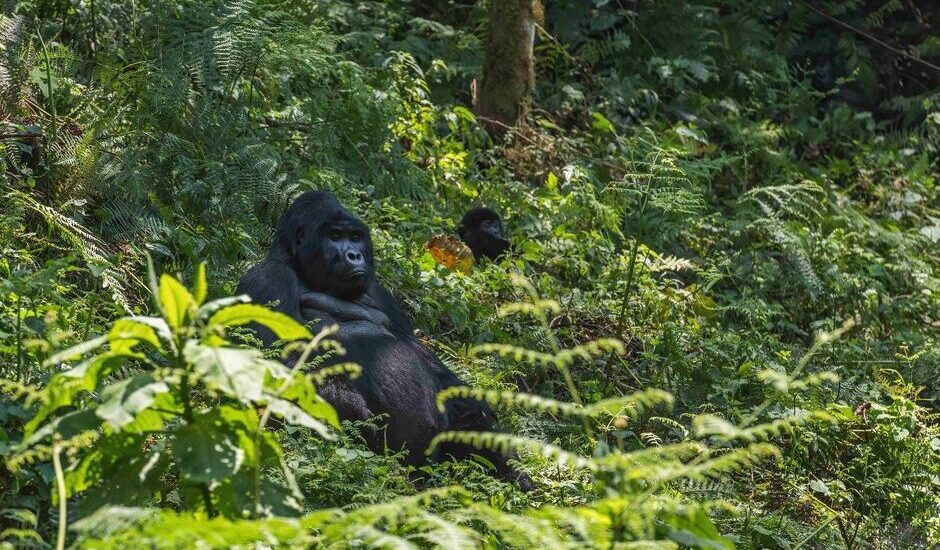
In the misty forests of East Africa, the mountain gorilla stands as a symbol of raw power and gentle demeanor. These magnificent primates, known scientifically as Gorilla beringei beringei, captivate wildlife enthusiasts and researchers alike with their incredible strength. But just how strong is a mountain gorilla? This comprehensive guide delves into the facts, figures, and fascinating biology behind their prowess, drawing from scientific studies and expert observations. Whether you’re curious about their silverback gorilla strength compared to humans or eager to witness this power firsthand, we’ll explore it all. For those planning a safari, Monumental Expeditions and Safaris, a premier Uganda-based tour operator specializing in gorilla trekking in Uganda and Rwanda, offers unforgettable encounters that bring you face-to-face with these giants while supporting conservation efforts.
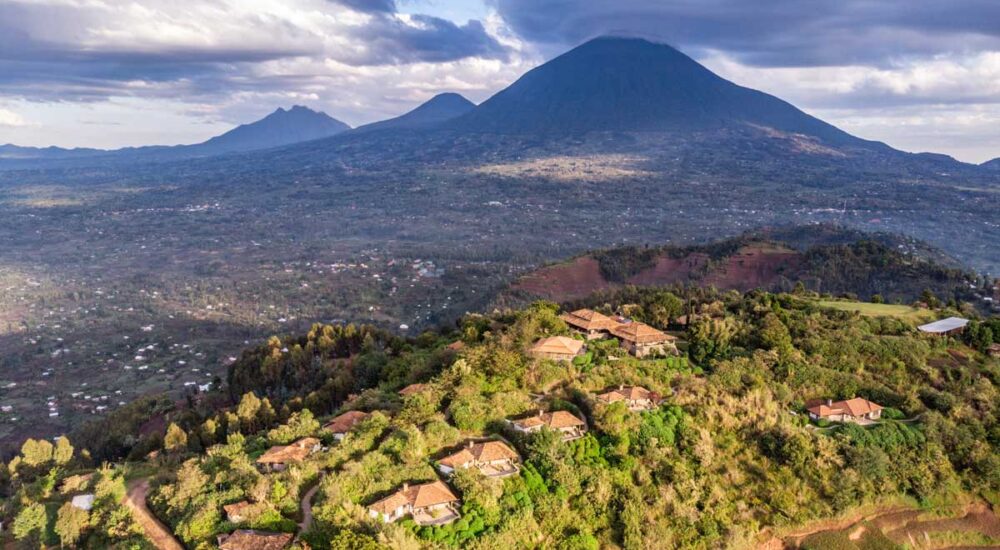
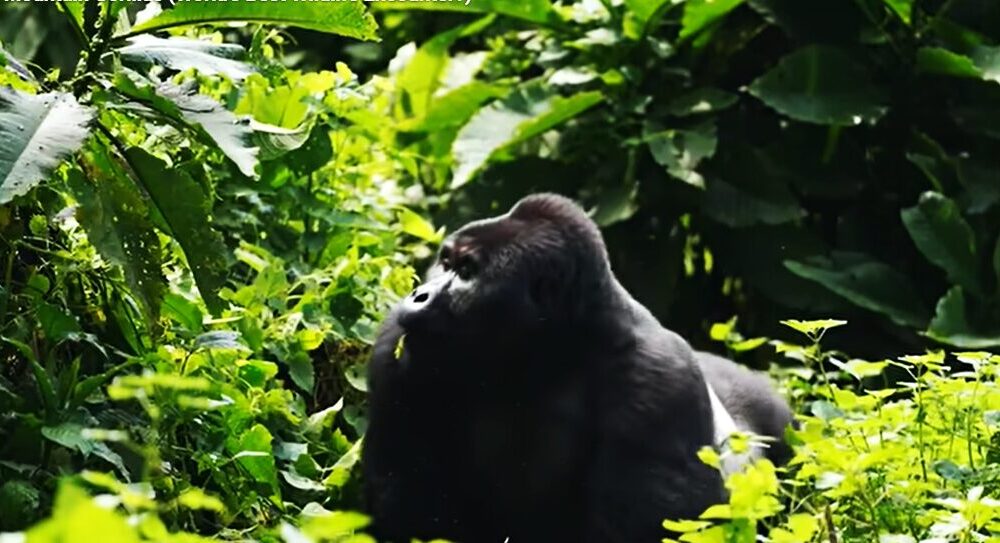
Mountain gorillas inhabit the volcanic slopes of the Virunga Mountains and Bwindi Impenetrable Forest, regions accessible through guided treks organized by experts like Monumental Expeditions and Safaris. Their strength isn’t just a myth—it’s a survival tool honed by evolution. Adult males, or silverbacks, can weigh up to 430 pounds (195 kg) and stand over 5.5 feet tall when upright. Yet, their power far exceeds what their size suggests, making them one of the strongest animals pound-for-pound.
Physical Characteristics Contributing to Mountain Gorilla Strength
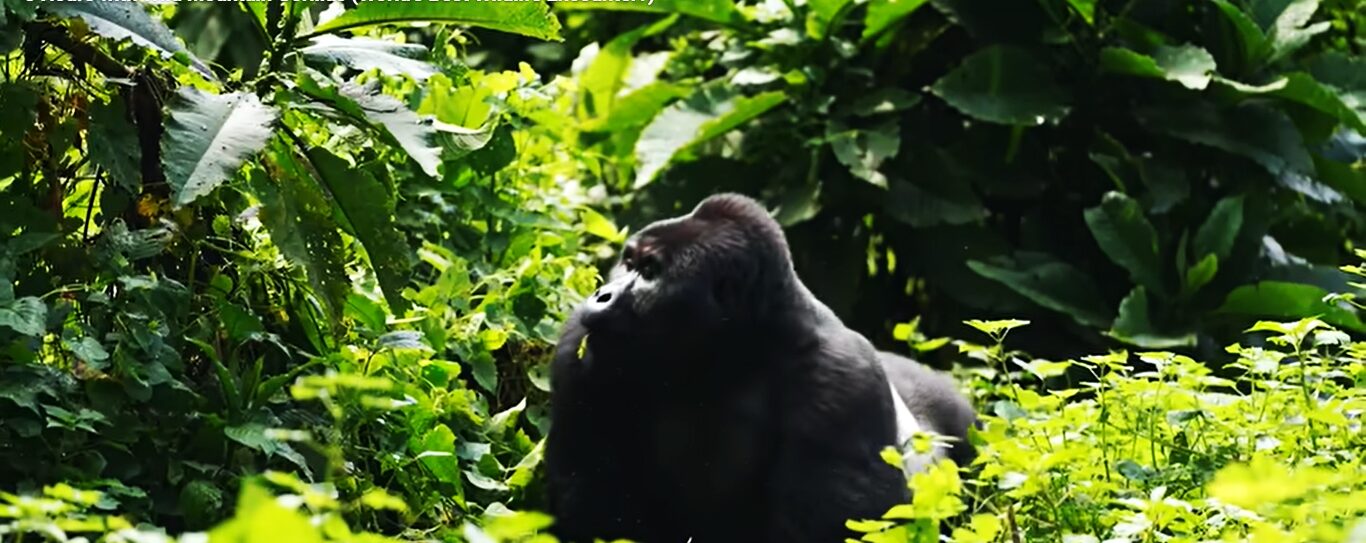
The foundation of a mountain gorilla’s strength lies in its robust physical build. Unlike humans, gorillas have a body adapted for life in dense, rugged terrain. Their arms are significantly longer than their legs, with arm spans reaching up to 8.5 feet—ideal for knuckle-walking and climbing. This anatomy distributes weight efficiently, allowing them to navigate steep slopes with ease.
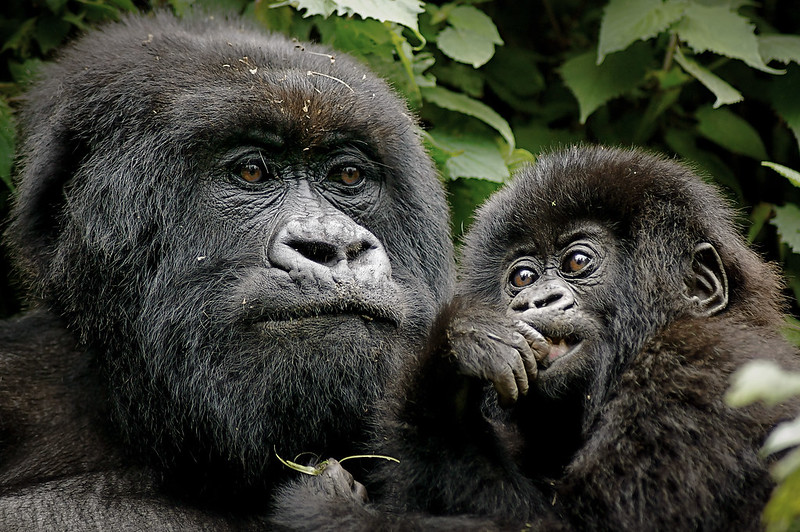
A key feature is their massive chest and shoulders, supported by a sagittal crest on the skull where powerful jaw muscles attach. Adult silverbacks develop a distinctive silver saddle of fur, signaling maturity and dominance. Their hands are broad with strong grips, capable of manipulating vegetation or defending their troop. Females are smaller, averaging 215 pounds (97 kg), but still exhibit remarkable power relative to their size.
Gorillas’ bones are denser and thicker than human bones, providing a sturdy framework for their muscles. Studies show that gorilla bones are three times stronger, longer, and thicker than those of humans, reducing the risk of fractures during intense activities. This skeletal advantage, combined with their low center of gravity, enhances stability and force generation. In the wild, observed by trekkers on safaris with Monumental Expeditions and Safaris, gorillas effortlessly bend thick bamboo stalks or uproot plants, demonstrations of their adapted physique.
Their fur, thicker in mountain subspecies due to cooler altitudes, adds insulation but doesn’t hinder movement. Overall, these characteristics make mountain gorillas agile powerhouses, perfectly suited for their environment.
Muscle Structure and Composition: The Engine of Power
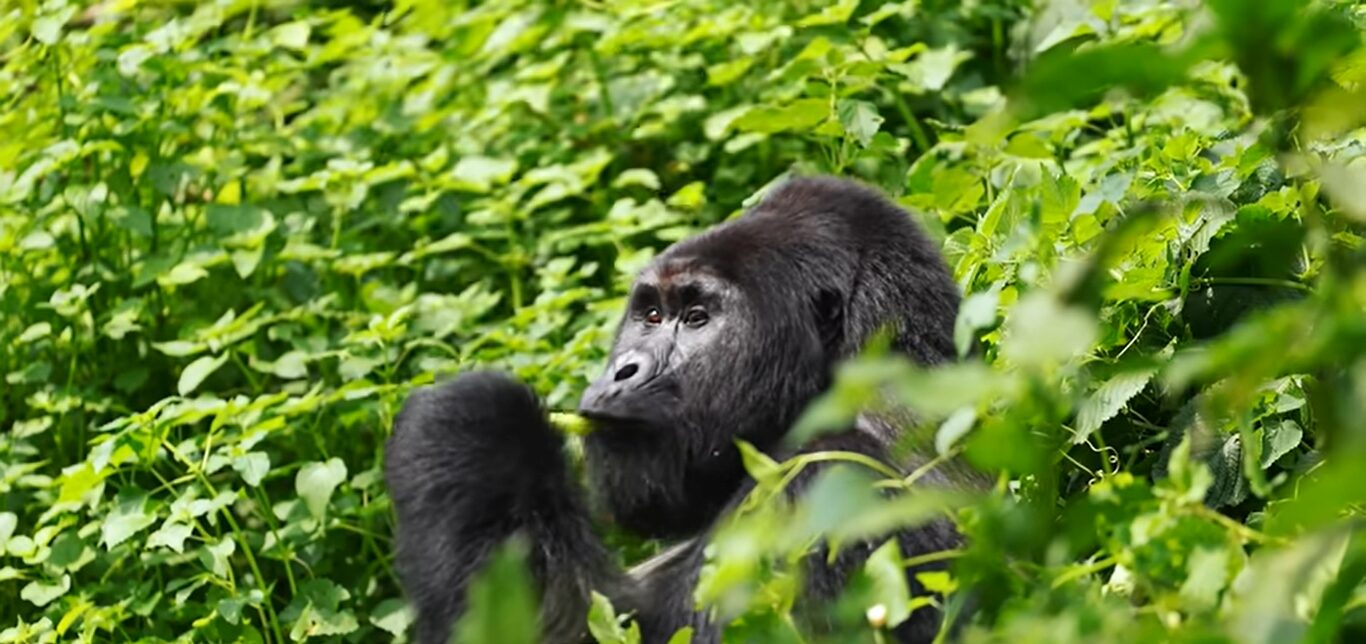
Diving deeper into gorilla muscle anatomy, we find why they outmatch humans in strength. Gorillas possess a higher proportion of fast-twitch muscle fibers, which provide explosive power for short bursts. Humans, by contrast, have more slow-twitch fibers suited for endurance.
A gorilla’s muscle mass constitutes about 37% of its body weight, compared to 42% in humans on average. However, their muscles are denser and attached differently. Gorilla muscle fibers are shorter and thicker, allowing greater force per contraction. This is evident in their shoulder and arm muscles, like the latissimus dorsi, which comprises 44.2% of their shoulder musculature. Such adaptations enable superior pulling and lifting.
Evolutionarily, gorillas’ muscles are optimized for arboreal and terrestrial life. Their pectorals and deltoids are massive, supporting chest-beating displays that echo through forests—a behavior often witnessed on gorilla trekking tours with Monumental Expeditions and Safaris. Hormones play a role too; higher testosterone in silverbacks promotes muscle growth, leading to their imposing builds.
Compared to other apes, gorillas have more pronounced muscle attachments on bones, increasing leverage. Research from musculoskeletal modeling shows gorillas have similar glenohumeral abduction potential to humans but excel in torque. This structure allows them to generate forces far beyond human capabilities, making everyday tasks like foraging appear superhuman.
Lifting Strength: Myths and Realities
One of the most asked questions is: How much can a mountain gorilla lift? Estimates vary, but reliable sources indicate silverbacks can lift up to 1,800 pounds (815 kg) of dead weight—roughly 10 times their body weight. This is twice what a well-trained human weightlifter might manage.
In the wild, gorillas don’t bench-press, but they demonstrate lifting by uprooting trees or carrying heavy loads. A silverback might drag a 400-pound fallen log or hoist itself plus family members into trees. Guinness World Records notes a gorilla lifting 815 kg, far surpassing human records like Eddie Hall’s 500 kg deadlift.
Factors include their grip strength, estimated at over 500 pounds per hand, and back muscles that provide immense pulling power. Studies suggest gorillas can generate pulling forces exceeding 1,800 pounds with upper bodies alone. During Uganda gorilla safaris with Monumental Expeditions and Safaris, guides recount instances where silverbacks effortlessly move boulders during territorial disputes.
However, myths exaggerate: claims of 27 times human strength are debunked; realistic figures are 4-10 times stronger. This lifting ability aids in nest-building and protection, essential for survival.
Bite Force: The Jaw-Dropping Power
A mountain gorilla’s bite force is among the animal kingdom’s strongest, clocking in at around 1,300 pounds per square inch (PSI). That’s twice a lion’s 650 PSI and comparable to a great white shark’s.
This force stems from massive jaw muscles anchored to the sagittal crest. Gorillas’ teeth, including large canines up to 2 inches long, are tools for defense and processing tough vegetation like bamboo. In controlled tests, adult males register 1,300 PSI, enabling them to crush hard stems or deter threats.
Despite being herbivores, their bite is a weapon. One chomp could shatter bones or cause fatal injuries. Observers on treks with Monumental Expeditions and Safaris note that silverbacks rarely use this force aggressively toward humans, preferring intimidation displays.
Comparisons: Human bite force is about 162 PSI, making gorillas’ jaws over eight times stronger. This power underscores their dominance in the ecosystem.
Speed and Agility: Not Just Brute Force
While known for strength, mountain gorillas are surprisingly agile. They can sprint up to 25 mph (40 km/h) in short bursts, outpacing the average human’s 15 mph. Their quadrupedal gait provides stability on uneven terrain.
Agility shines in climbing: they scale trees up to 60 feet, using powerful arms to swing branch-to-branch. In Bwindi Forest, trekkers with Monumental Expeditions and Safaris witness gorillas leaping gaps or ascending slopes swiftly.
This combination of speed and strength aids in evading poachers or rivals. Despite bulk, their low body fat (around 10%) and efficient muscles allow quick maneuvers. Juveniles display even more acrobatics, tumbling and wrestling to build skills.
Comparisons: Gorilla Strength vs. Humans and Other Animals
Mountain gorilla strength compared to humans is staggering: a silverback is 4-9 times stronger overall. While a strong human might lift 400 kg, gorillas handle 815 kg effortlessly. Pound-for-pound, they’re superior due to muscle density.
Vs. other animals: A gorilla’s bite surpasses a lion’s, and its lift matches an elephant’s relative strength. In hypothetical matchups, experts say one silverback could overpower 10-20 fit humans. Against grizzly bears, gorillas’ agility might give an edge in forests.
Behaviors Demonstrating Strength in the Wild
In natural settings, silverback gorilla power manifests in daily behaviors. Chest-beating, producing sounds up to 100 decibels, asserts dominance without fights. When conflicts arise, silverbacks charge, using strength to shove rivals.
Nest-building involves bending branches into platforms— a task requiring immense grip. Foraging shows jaw strength as they strip bark. During Rwanda gorilla trekking with Monumental Expeditions and Safaris, visitors see play-wrestling among young, honing future power.
Protective acts, like shielding troops from leopards, exemplify sacrificial strength. Rare aggressions are swift, underscoring their controlled might.
Conservation: Protecting These Powerful Primates
Despite their strength, mountain gorillas are vulnerable, with only about 1,063 left. Threats include habitat loss, poaching, and disease. Conservation efforts, supported by tourism revenue from operators like Monumental Expeditions and Safaris, have boosted populations.
Eco-tourism funds anti-poaching and community programs. By choosing responsible safaris, you contribute to their survival.
Experiencing Mountain Gorilla Strength Up Close with Monumental Expeditions and Safaris
To truly appreciate how strong a mountain gorilla is, nothing beats a personal encounter. Monumental Expeditions and Safaris, based in Kampala, Uganda, specializes in tailored gorilla trekking safaris in Bwindi and Virunga. Their expert guides ensure safe, ethical observations, often highlighting strength displays.

Their commitment to sustainability means your trip aids conservation, allowing future generations to marvel at these beasts.
Conclusion: The Enduring Might of Mountain Gorillas
In summary, the strength of a mountain gorilla is a marvel of nature—lifting 1,800 lbs, biting at 1,300 PSI, and outpacing threats with agility. Yet, they’re gentle guardians, emphasizing the need for protection. Through Monumental Expeditions and Safaris, you can witness this power responsibly, creating memories while supporting their future.
Related Posts