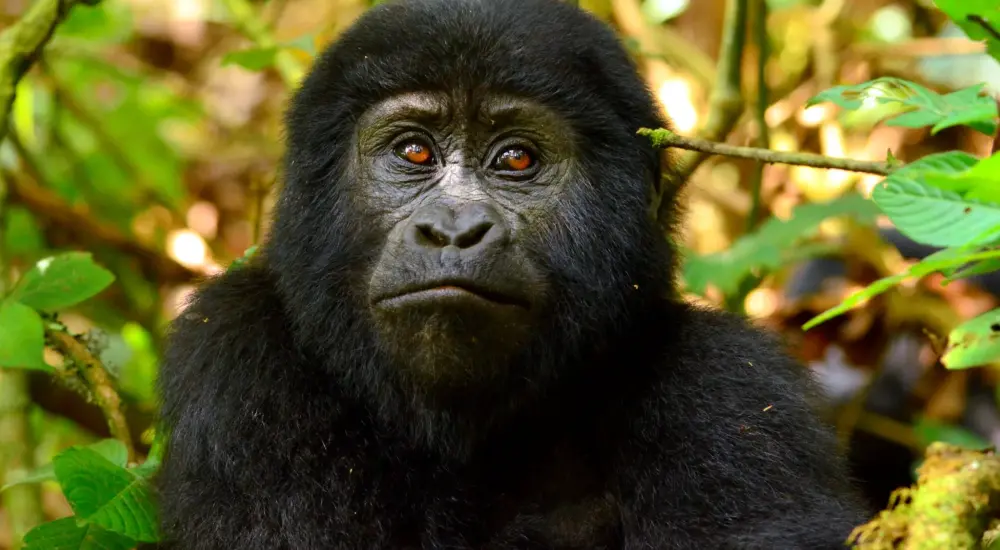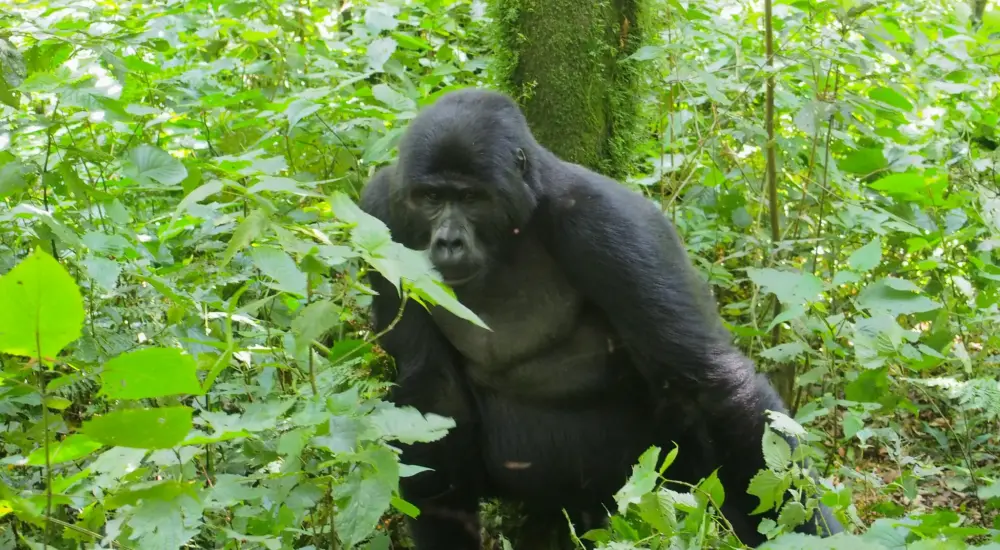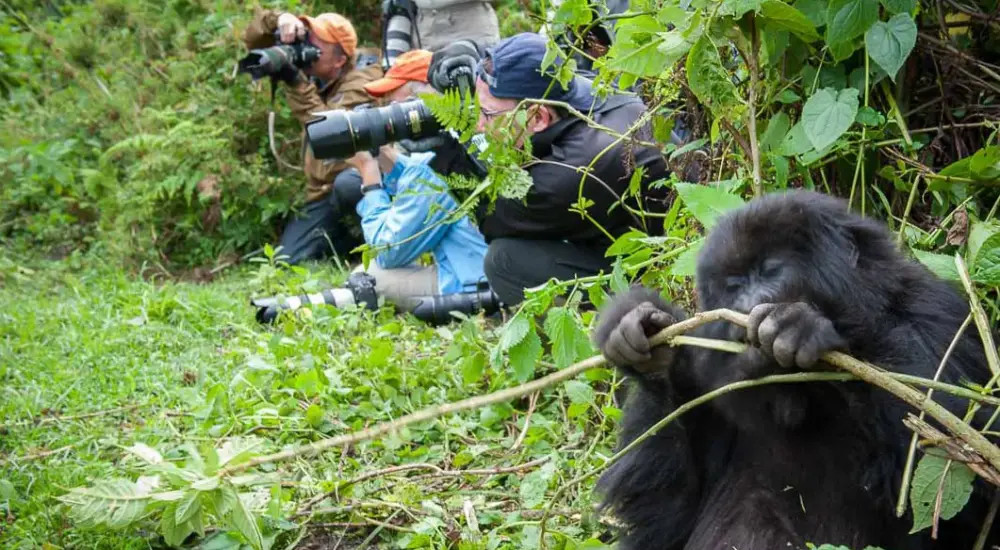
Gorilla Trekking in Uganda, is it really worth it? These Gentle Giants (Mountain Gorillas) can…
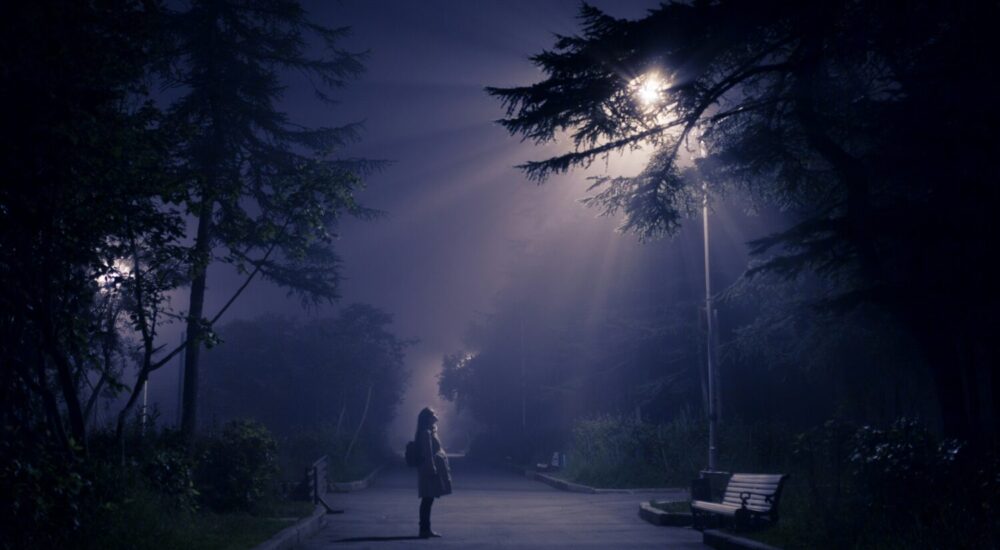
Bwindi Forest Night Walks: What to Expect
Bwindi Forest Night Walks: What to Expect in Uganda’s Ancient Rainforest
Overview
Bwindi Forest Night Walks offer a completely different perspective of Uganda’s famous rainforest. While most travelers visit Bwindi Impenetrable National Park for gorilla trekking during the day, the forest transforms after sunset into a mysterious wilderness filled with nocturnal sounds, hidden wildlife movements, and rare nighttime encounters. The dense jungle becomes quieter in some places and surprisingly alive in others as insects begin their evening chorus, owls call from towering trees, and small mammals move through the undergrowth.
For travelers seeking a deeper connection with the rainforest beyond mountain gorillas, a Bwindi night walk experience introduces the untouched atmosphere of Africa’s oldest montane forests after dark. Guided by experienced local rangers and trackers, these walks reveal species and behaviors that daytime visitors rarely witness. From glowing insects and tree frogs to bush babies and nocturnal birds, every step through the forest feels immersive and unpredictable.
Unlike standard wildlife safaris focused on open savannah game viewing, night walks in Bwindi Forest place visitors inside one of the most biodiverse ecosystems in Africa. The experience combines adventure, conservation awareness, forest ecology, and cultural understanding into a unique activity that complements gorilla trekking perfectly.
Why Bwindi Forest Feels Different at Night
During daylight hours, Bwindi Impenetrable National Park appears lush, vibrant, and visually overwhelming with thick vegetation, giant ferns, moss-covered trees, and steep jungle slopes. At night, however, the forest atmosphere changes dramatically. Visibility becomes limited to flashlight beams, making sounds, movement, and scent more noticeable than during the day.
The forest canopy blocks much of the moonlight, creating a deep jungle environment where visitors depend heavily on ranger guidance. Every rustling leaf or distant call gains meaning. The slow pace of the walk allows travelers to absorb the rainforest more carefully and appreciate details usually missed during daytime hikes.
One of the most fascinating aspects of Bwindi Forest Night Walks is how wildlife behavior shifts after sunset. Many species remain hidden during the day to avoid predators or conserve energy. Once darkness arrives, the forest becomes active with nocturnal creatures searching for food, communicating, and moving through the dense vegetation.
This transformation creates a completely different safari atmosphere compared to traditional gorilla trekking experiences.
Where Night Walks Take Place in Bwindi
Most Bwindi night walk experiences occur near community-managed forest areas, lodge buffer zones, and designated trails close to the park boundaries. Some lodges situated along the forest edge organize guided evening walks in partnership with local communities and conservation authorities.
Popular areas around Buhoma and Rushaga often provide the best opportunities because of their accessibility and well-developed tourism infrastructure. These locations also contain rich biodiversity, making wildlife encounters more likely.
Unlike gorilla trekking routes that require deeper park access, night walks usually focus on safer and controlled trails where visitors can comfortably explore the forest ecosystem after dark. Rangers select routes carefully depending on weather conditions, wildlife movement, and visitor fitness levels.
The terrain can still be steep and slippery in some sections, especially after rainfall, but the pace remains slower and more observational than gorilla trekking hikes.
Wildlife You May Encounter During Bwindi Forest Night Walks
One of the biggest reasons travelers choose Bwindi Forest Night Walks is the chance to encounter wildlife species rarely seen during the daytime. Although sightings can never be guaranteed in a rainforest environment, the diversity of nocturnal life makes every outing exciting.
Bush babies rank among the most anticipated sightings. These small primates move quickly through tree branches using powerful leaps and often reflect flashlight beams with glowing eyes. Their calls echo through the forest and create one of Bwindi’s most recognizable nighttime sounds.
Travelers may also encounter nocturnal rodents, forest duikers, chameleons, tree frogs, civets, and giant forest snails. Some lucky visitors spot porcupines or genets moving through the undergrowth.
Bird enthusiasts especially appreciate night walks in Bwindi Forest because the rainforest supports numerous nocturnal bird species. Rangers often identify species by sound before locating them visually with flashlights. African wood owls, nightjars, and other forest birds become active after sunset.
The insect diversity is equally impressive. Butterflies disappear, but moths emerge in astonishing numbers and sizes. Fireflies occasionally illuminate darker sections of the forest, creating magical moments along the trail.
Although mountain gorillas generally settle into nests before dark and are not part of night walk activities, visitors sometimes observe indirect signs of their presence, including feeding trails and nesting areas discovered earlier in the day.
The Role of Rangers During Bwindi Night Walks
Experienced ranger guides play a critical role in making Bwindi Forest Night Walks safe, educational, and rewarding. Their understanding of the rainforest ecosystem allows visitors to notice wildlife behaviors and forest details that would otherwise remain invisible.
Rangers identify sounds, animal tracks, feeding signs, and movement patterns throughout the walk. Many guides possess extensive knowledge about medicinal plants, forest ecology, bird calls, and nocturnal species behavior.
Safety remains a major priority during the experience. Rangers maintain controlled group movement and monitor wildlife activity closely. Visitors receive briefings before entering the forest, including guidance about flashlight use, noise levels, and trail etiquette.
Because the rainforest environment changes quickly at night, ranger expertise significantly improves both wildlife viewing opportunities and visitor confidence during the activity.
What the Forest Sounds Like After Dark
One of the most unforgettable parts of a Bwindi night walk experience is the soundscape. The forest becomes an orchestra of insects, frogs, distant primate calls, and rustling vegetation.
Unlike open savannah environments where visibility dominates the safari experience, Bwindi at night relies heavily on sound awareness. Visitors begin recognizing subtle differences between moving leaves, bird calls, and insect communication.
The repetitive chirping of crickets blends with occasional owl calls overhead. Tree frogs create rhythmic sounds near damp areas, while distant primate noises echo unpredictably through the forest canopy.
These natural sounds create an immersive atmosphere rarely experienced during standard daytime safaris.
What to Wear for Bwindi Forest Night Walks
Proper preparation greatly improves comfort during night walks in Bwindi Forest. The rainforest environment remains cool, damp, and muddy even during dry months.
Long trousers and long-sleeved shirts help protect against insects and thorny vegetation. Waterproof hiking boots provide better grip on slippery trails, especially after rainfall. Neutral-colored clothing works best because bright colors can disturb wildlife visibility.
Travelers should also carry lightweight rain jackets since Bwindi’s weather changes quickly throughout the year. A good flashlight or headlamp becomes essential, although guides usually carry stronger spotting lights for wildlife observation.
Insect repellent remains highly recommended because mosquitoes and other insects become more active after sunset.
Best Time for Bwindi Forest Night Walks
Bwindi Forest Night Walks can take place throughout the year, but weather conditions influence the overall experience. Uganda’s dry seasons from June to September and December to February generally provide more comfortable walking conditions with reduced trail mud and better visibility.
Rainy seasons create a more intense rainforest atmosphere with louder frog activity, thicker mist, and vibrant vegetation, but trails become more challenging.
Night temperatures in Bwindi can feel surprisingly cool due to the forest altitude. Travelers should prepare for changing conditions regardless of the season.
Because nocturnal wildlife activity varies naturally, no two night walks feel exactly the same.
Combining Night Walks With Gorilla Trekking
Many travelers combine Bwindi Forest Night Walks with gorilla trekking to experience both daytime and nighttime aspects of the rainforest ecosystem. This combination creates a more complete understanding of Bwindi’s biodiversity.
Gorilla trekking focuses primarily on mountain gorilla encounters during daylight hours, while night walks introduce smaller hidden species and rainforest ecology. Together, these experiences provide a richer perspective of Uganda’s conservation importance.
Visitors staying two or more nights in Bwindi often find that adding a night walk enhances the overall safari experience significantly.
Travelers planning gorilla trekking can also explore related experiences through:
- Gorilla Trekking in Bwindi Impenetrable National Park
- Rushaga Gorilla Trekking Experience
- Buhoma Sector Gorilla Safaris
- Gorilla Habituation Experience Uganda
- Best Time for Gorilla Trekking in Uganda
These internal links help improve website SEO while guiding readers toward related safari content on www.gorillatrackings.com.
Cultural Experiences Connected to Bwindi Night Walks
Some Bwindi night walk experiences integrate local community storytelling and Batwa cultural knowledge into the activity. Indigenous Batwa communities historically depended on the forest for survival and possess deep understanding of nocturnal forest life.
Local guides sometimes explain traditional hunting methods, medicinal plant uses, and forest survival techniques passed down through generations. These cultural insights add educational depth beyond wildlife observation alone.
Community-based tourism initiatives connected to Bwindi also help generate local income while supporting conservation efforts around the park.
Photography Challenges During Bwindi Forest Night Walks
Photographing wildlife during Bwindi Forest Night Walks requires patience and specialized settings. Low-light rainforest conditions create unique challenges even for experienced photographers.
Fast-moving nocturnal animals, dense vegetation, and limited flashlight illumination make wildlife photography more difficult than daytime safaris. Travelers using cameras should carry equipment capable of performing well in low-light environments.
Many visitors ultimately focus more on experiencing the atmosphere rather than capturing perfect wildlife images. The sounds, darkness, and unpredictability of the forest often create stronger memories than photographs alone.
Conservation Importance of Night Walk Tourism
Responsible tourism activities such as Bwindi night walk experiences contribute to broader conservation awareness and community support around the park.
By encouraging travelers to spend more time exploring the rainforest ecosystem, tourism revenue extends beyond gorilla permits alone. This diversification benefits local guides, lodges, cultural groups, and conservation programs.
Educating visitors about lesser-known forest species also strengthens appreciation for rainforest biodiversity beyond flagship animals like mountain gorillas.
Conservation authorities continue balancing tourism growth with environmental protection to ensure that nighttime activities remain sustainable and low-impact.
Accommodation Options Near Bwindi Forest Night Walk Areas
Travelers planning Bwindi Forest Night Walks usually stay in lodges positioned close to forest edges for easier evening access. Both luxury and midrange accommodations around Buhoma, Rushaga, Nkuringo, and Ruhija sectors provide convenient locations.
Popular accommodation choices include:
- Buhoma Lodge
- Mahogany Springs Lodge
- Gorilla Safari Lodge
- Four Gorillas Lodge
- Rushaga Gorilla Camp
- Nkuringo Bwindi Gorilla Lodge
Many lodges help arrange guided walks directly through local operators or conservation partnerships.
Choosing accommodation near the forest significantly enhances the nighttime rainforest atmosphere because wildlife sounds continue throughout the evening.
Is Bwindi Forest Safe at Night?
Safety concerns are common among first-time visitors considering Bwindi Forest Night Walks, but organized walks remain generally safe when conducted by professional guides and rangers.
Guided groups follow approved trails and maintain controlled movement throughout the activity. Rangers monitor wildlife conditions carefully and adjust routes when necessary.
Large dangerous wildlife encounters remain extremely rare in designated night walk areas. The focus primarily involves small nocturnal species, birdlife, and rainforest ecology rather than high-risk wildlife tracking.
Travelers should always follow ranger instructions closely and avoid independent nighttime exploration near the forest.
Why Bwindi Night Walks Create a More Immersive Safari Experience
Traditional African safaris often emphasize visibility and large wildlife sightings across open landscapes. Bwindi Forest Night Walks shift the experience toward immersion, atmosphere, and sensory awareness.
The darkness forces visitors to slow down and engage with the rainforest differently. Instead of scanning distant plains for animals, travelers become part of the forest environment itself.
This intimate connection with nature creates powerful memories for travelers seeking authentic rainforest exploration beyond standard safari routines.
For many visitors, the combination of mountain gorilla trekking and nighttime forest exploration becomes one of the most rewarding wildlife experiences in Uganda.
Planning Your Bwindi Forest Night Walk Experience
Travelers planning a Bwindi night walk experience should ideally include at least two or three nights in Bwindi Impenetrable National Park. This allows enough time for gorilla trekking, forest walks, cultural visits, and relaxation between activities.
Working with experienced Uganda safari specialists helps coordinate permits, lodge reservations, transportation, and guide arrangements efficiently.
At Monumental Expeditions and Safaris, customized Bwindi itineraries combine gorilla trekking with immersive rainforest activities, community experiences, and wildlife safaris across Uganda and Rwanda.
Explore more Uganda gorilla safari experiences contact us and discover how Bwindi Forest transforms after sunset into one of Africa’s most fascinating nocturnal wilderness environments.
Related Posts