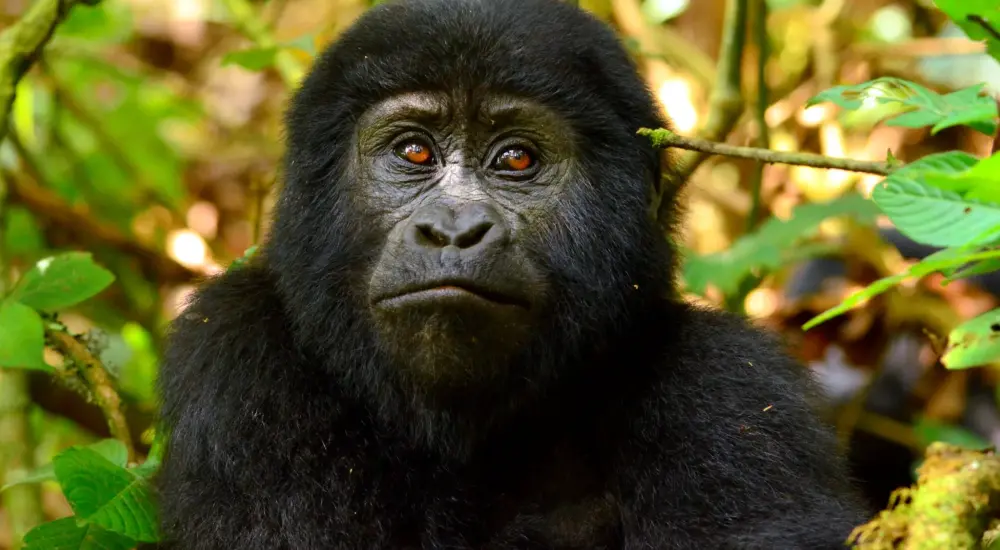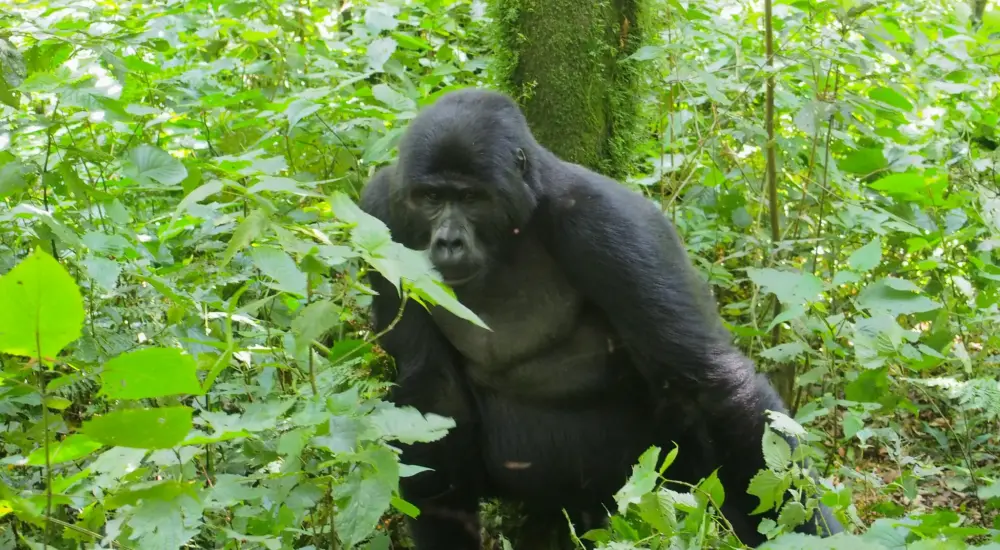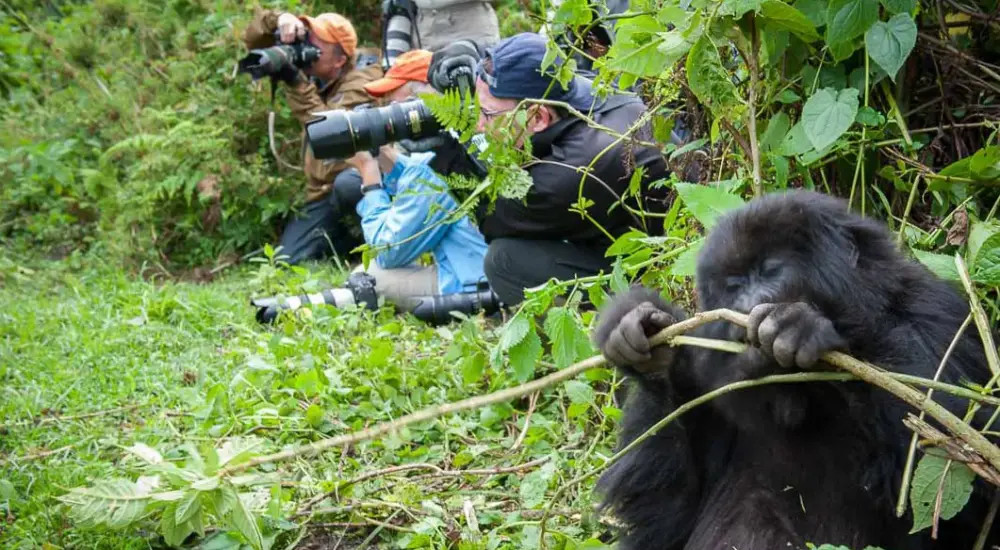
Gorilla Trekking in Uganda, is it really worth it? These Gentle Giants (Mountain Gorillas) can…
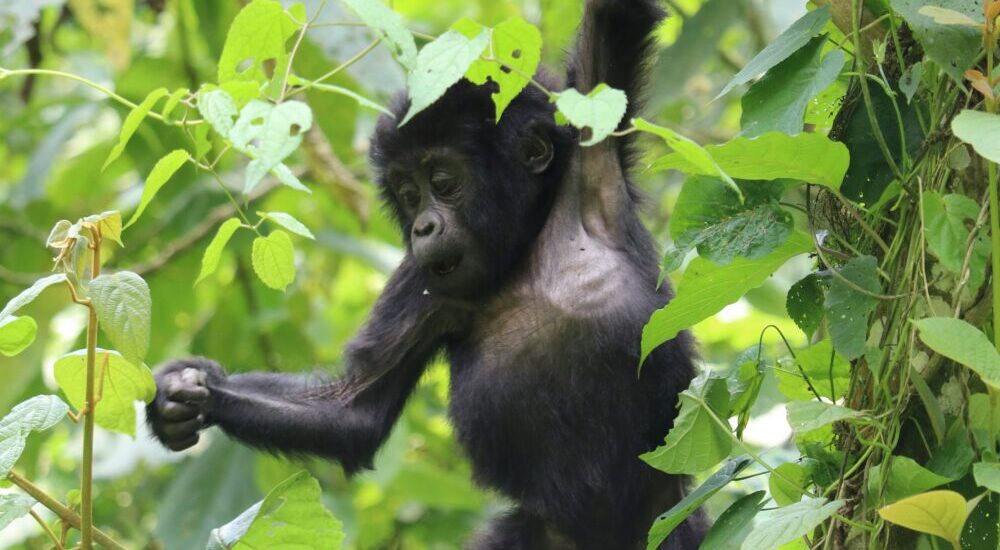
International Gorilla Conservation Program (IGCP) Guide
International Gorilla Conservation Program (IGCP) Guide
Overview
The International Gorilla Conservation Program (IGCP) plays one of the most important roles in protecting endangered mountain gorillas across East and Central Africa. Operating within the Virunga Massif ecosystem shared by Uganda, Rwanda, and the Democratic Republic of Congo, the organization focuses on long-term gorilla conservation through transboundary collaboration, community involvement, scientific research, tourism management, and habitat protection.
For travelers planning gorilla trekking safaris in Uganda or Rwanda, understanding how the International Gorilla Conservation Program works adds greater meaning to the gorilla trekking experience itself. Every mountain gorilla encounter today reflects decades of coordinated conservation efforts involving governments, local communities, park authorities, researchers, conservation organizations, and responsible tourism operators.
Mountain gorillas once faced severe extinction risks due to poaching, habitat destruction, political instability, and expanding human populations around protected forests. Today, however, mountain gorillas represent one of the few endangered great ape species showing measurable population recovery. This conservation success did not happen by accident. It emerged through highly organized partnerships led partly by programs such as the IGCP.
The organization continues helping governments and conservation authorities manage gorilla habitats responsibly while balancing tourism growth, environmental sustainability, and community development. As gorilla trekking tourism expands globally, the role of the International Gorilla Conservation Program becomes even more important for maintaining long-term protection of these fragile rainforest ecosystems.
What Is the International Gorilla Conservation Program (IGCP)?
The International Gorilla Conservation Program (IGCP) is a regional conservation initiative focused specifically on protecting mountain gorillas and their habitats within the Virunga landscape.
The program works across three countries:
- Uganda
- Rwanda
- Democratic Republic of Congo
Because mountain gorillas move across borders within interconnected forest ecosystems, conservation cannot succeed through isolated national efforts alone. The IGCP therefore promotes transboundary cooperation between governments, conservation agencies, local communities, and tourism stakeholders.
The organization was established through partnerships involving major conservation groups, including:
- World Wide Fund for Nature (WWF)
- Fauna & Flora International (FFI)
- Conservation International
Together, these partnerships support coordinated gorilla conservation strategies throughout the region.
The primary mission of the International Gorilla Conservation Program centers on ensuring that mountain gorillas survive while local communities benefit directly from conservation and tourism activities.
Why Mountain Gorilla Conservation Matters
Mountain gorillas remain among the rarest wildlife species on Earth. They survive only within a few protected rainforest ecosystems in East and Central Africa.
The largest populations exist within:
- Bwindi Impenetrable National Park
- Mgahinga Gorilla National Park
- Volcanoes National Park
- Virunga National Park
These forests face constant pressure from:
- Human population growth
- Agricultural expansion
- Illegal logging
- Poaching
- Charcoal production
- Habitat fragmentation
Without strong conservation systems, mountain gorillas would face serious extinction risks.
The International Gorilla Conservation Program helps reduce these threats by supporting conservation policies that protect gorillas while improving economic opportunities for local communities living near protected areas.
This balance between conservation and development has become one of the most successful wildlife protection models in Africa.
How the International Gorilla Conservation Program Works
The IGCP operates through a combination of conservation strategies designed to protect gorillas while promoting sustainable coexistence between wildlife and local people.
Rather than focusing only on anti-poaching patrols, the organization addresses broader environmental and social challenges connected to gorilla survival.
Its work includes:
- Community conservation programs
- Tourism management support
- Ranger training
- Conservation policy development
- Scientific research coordination
- Habitat protection
- Sustainable livelihood initiatives
- Cross-border conservation cooperation
This integrated approach recognizes that mountain gorilla conservation depends heavily on human cooperation and long-term environmental management.
The organization works closely with national wildlife authorities including:
- Uganda Wildlife Authority (UWA)
- Rwanda Development Board (RDB)
- Institut Congolais pour la Conservation de la Nature (ICCN)
Together, these institutions help manage gorilla tourism, park protection, and conservation monitoring throughout the region.
The Importance of Transboundary Conservation
One of the defining features of the International Gorilla Conservation Program involves transboundary conservation cooperation.
Mountain gorillas do not recognize political borders. Gorilla families may move across forest ecosystems shared between Uganda, Rwanda, and the Democratic Republic of Congo.
This means conservation challenges must be addressed collectively rather than individually.
The IGCP therefore helps coordinate:
- Shared conservation strategies
- Regional wildlife monitoring
- Tourism policies
- Ranger collaboration
- Veterinary response systems
- Habitat management approaches
Transboundary conservation significantly improves regional stability for mountain gorilla populations.
It also strengthens communication between neighboring countries involved in gorilla tourism and wildlife protection.
Gorilla Tourism and the IGCP
The success of gorilla trekking tourism depends heavily on conservation systems supported by organizations like the International Gorilla Conservation Program.
Today, gorilla trekking generates millions of dollars annually for:
- National parks
- Community development
- Conservation operations
- Tourism infrastructure
- Ranger salaries
- Wildlife protection programs
The IGCP helps ensure tourism remains sustainable and conservation-focused rather than purely commercial.
This includes supporting:
- Visitor management systems
- Responsible tourism guidelines
- Community tourism participation
- Conservation education
- Ecotourism planning
By promoting sustainable tourism practices, the organization helps reduce environmental pressure on gorilla habitats while maximizing conservation benefits.
Travelers booking gorilla safaris therefore contribute directly to conservation funding and community support programs.
Community Involvement in Gorilla Conservation
One of the biggest lessons in wildlife conservation is that local communities must benefit from conservation for it to succeed long-term.
The International Gorilla Conservation Program strongly emphasizes community engagement around gorilla habitats.
Programs supported by the organization often include:
- Sustainable agriculture projects
- Alternative income initiatives
- Conservation education
- Women empowerment programs
- Ecotourism training
- Youth environmental leadership
- Community enterprise development
By improving local livelihoods, the organization helps reduce dependence on forest resources such as firewood, charcoal, bushmeat hunting, and illegal logging.
Communities that benefit economically from gorilla tourism are more likely to support conservation efforts and protect wildlife habitats.
This approach has played a major role in the recovery of mountain gorilla populations over recent decades.
Conservation Education and Awareness
Education remains another important pillar of the International Gorilla Conservation Program.
Environmental awareness programs help local communities understand:
- The ecological importance of gorillas
- Tourism benefits
- Forest conservation
- Wildlife protection laws
- Sustainable land use practices
The IGCP supports conservation messaging in schools, villages, tourism sectors, and local leadership structures.
Educational programs also encourage future careers in:
- Wildlife conservation
- Tourism
- Environmental science
- Park management
- Ecotourism operations
Strengthening local conservation knowledge helps create long-term support for environmental protection throughout the region.
Gorilla Health Monitoring and Veterinary Support
Because mountain gorillas share close genetic similarities with humans, disease transmission remains one of the biggest conservation concerns.
The International Gorilla Conservation Program supports wildlife health monitoring systems that help reduce disease risks within gorilla populations.
Health protection efforts often involve:
- Visitor regulations
- Gorilla monitoring
- Veterinary interventions
- Disease surveillance
- Ranger training
- Community health awareness
Strict gorilla trekking rules exist partly because respiratory infections and human diseases can spread quickly among gorilla groups.
Responsible tourism practices therefore remain essential for protecting gorilla health.
Visitors preparing for gorilla trekking should also explore:
- Gorilla Trekking Rules and Regulations
- Gorilla Trekking Fitness Requirements
- Gorilla Habituation Experience Uganda
- Best Time for Gorilla Trekking
- Gorilla Permit Costs in Uganda and Rwanda
These internal links improve website SEO while guiding travelers toward related safari content on www.gorillatrackings.com.
Supporting Rangers and Protected Areas
Park rangers remain the frontline defenders of mountain gorilla habitats.
The IGCP helps support ranger capacity through:
- Training programs
- Equipment support
- Cross-border collaboration
- Conservation planning assistance
Rangers play critical roles in:
- Anti-poaching patrols
- Gorilla monitoring
- Tourist management
- Habitat protection
- Visitor safety
Without strong ranger systems, gorilla conservation would become far more difficult.
The organization’s support strengthens conservation effectiveness throughout the Virunga ecosystem.
Gorilla Habitats Protected Through IGCP Efforts
The forests protected through IGCP-supported conservation systems represent some of Africa’s most important biodiversity hotspots.
These habitats support:
- Mountain gorillas
- Golden monkeys
- Forest elephants
- Rare birds
- Chimpanzees
- Amphibians
- Indigenous plant species
Protecting gorillas therefore protects entire rainforest ecosystems.
Healthy forests also support:
- Water systems
- Carbon storage
- Climate regulation
- Biodiversity conservation
This ecosystem-based conservation approach strengthens long-term environmental sustainability throughout the region.
How Gorilla Conservation Supports Local Economies
Gorilla tourism has transformed many communities surrounding protected parks.
The International Gorilla Conservation Program recognizes that tourism can become a powerful economic incentive for conservation when managed responsibly.
Tourism supports:
- Safari lodges
- Tour operators
- Local guides
- Handicraft markets
- Transportation services
- Community tourism enterprises
As local communities earn income from tourism, support for gorilla conservation increases significantly.
This relationship between tourism and conservation remains one of the strongest foundations for mountain gorilla protection today.
Challenges Facing Mountain Gorilla Conservation
Despite major conservation successes, mountain gorillas still face ongoing challenges.
These include:
- Population pressure around parks
- Habitat encroachment
- Climate change
- Political instability
- Disease outbreaks
- Illegal forest activities
The International Gorilla Conservation Program continues adapting conservation strategies to address these evolving threats.
Long-term gorilla survival depends on sustained conservation investment and continued international cooperation.
Why Travelers Should Understand Gorilla Conservation
For many visitors, gorilla trekking becomes far more meaningful when connected to conservation awareness.
Understanding the work of organizations like the IGCP helps travelers appreciate:
- The fragility of gorilla habitats
- The importance of responsible tourism
- The role of conservation funding
- Community contributions to wildlife protection
Every gorilla trekking permit helps support broader conservation systems protecting endangered mountain gorillas.
Responsible travel choices therefore matter significantly.
At Monumental Expeditions and Safaris, gorilla trekking experiences are designed not only around wildlife encounters but also around conservation education and sustainable tourism practices.
Planning a Gorilla Trekking Safari
Travelers interested in mountain gorilla conservation often choose safaris combining gorilla trekking with broader rainforest and wildlife experiences across Uganda and Rwanda.
Popular safari options include:
- Bwindi Gorilla Trekking Safaris
- Volcanoes National Park Gorilla Tours
- Gorilla Habituation Experiences
- Golden Monkey Tracking
- Chimpanzee Trekking Safaris
- Rwanda and Uganda Combined Tours
These itineraries help travelers explore the broader ecological importance of East Africa’s rainforest ecosystems.
Monumental Expeditions and Safaris offers customized gorilla trekking tours focused on responsible tourism, conservation awareness, and authentic wildlife experiences throughout Uganda and Rwanda.
The Future of Gorilla Conservation
The future of mountain gorilla conservation remains cautiously optimistic.
Population recovery over recent decades demonstrates that coordinated conservation efforts can succeed when governments, communities, researchers, conservation organizations, and tourism stakeholders work together.
The International Gorilla Conservation Program continues playing a major role in shaping this future through:
- Regional cooperation
- Conservation planning
- Community engagement
- Sustainable tourism development
- Habitat protection
As global interest in gorilla tourism continues growing, responsible conservation systems will remain essential for protecting one of Africa’s most extraordinary wildlife species.
Related Posts