Gorilla Trekking Rwanda from Dubai: The Ultimate Luxury Safari Guide Travelers based in Dubai are…
Behind the Scenes: The Daily Life of a Gorilla Tracker in Bwindi
Behind the Scenes: The Daily Life of a Gorilla Tracker in Bwindi
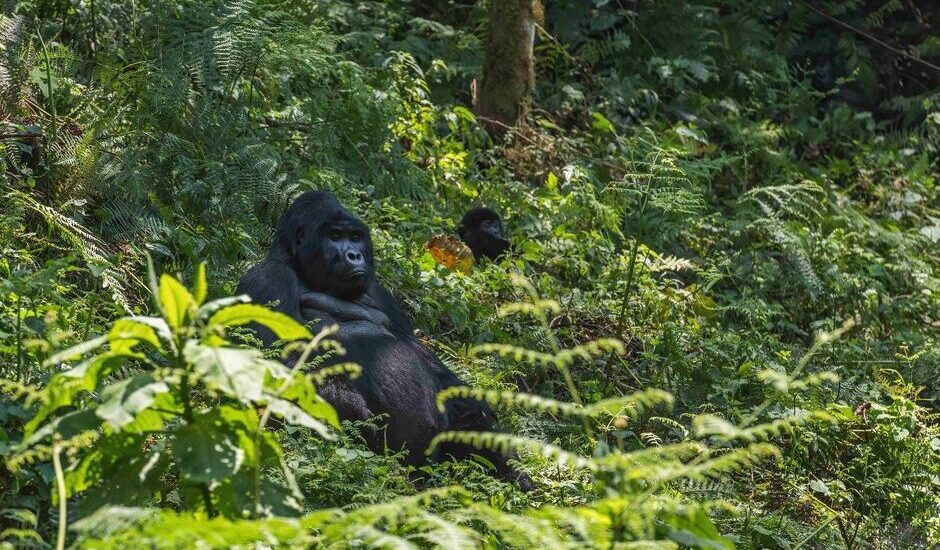
Hidden deep within the misty rainforest of Bwindi Impenetrable National Park lies a world few people ever get to see — a world where dedication, courage, and an unbreakable connection with nature define daily life. This is the world of the gorilla tracker in Bwindi, unsung heroes working tirelessly to ensure the survival of one of the most endangered primates on Earth: the mountain gorilla.
While tourists spend one magical hour with these great apes, gorilla trackers spend nearly every day in their presence, forging paths through thick jungle, observing behaviors, and protecting them from dangers. In this blog, we go behind the scenes to explore the daily life of a gorilla tracker in Bwindi, their responsibilities, challenges, and the profound impact of their work.
What Is a Gorilla Tracker?
A gorilla tracker is a trained wildlife professional responsible for locating and monitoring gorilla families in their natural habitat. In Bwindi Impenetrable National Park, trackers are essential to both gorilla trekking tourism and conservation research.
A Typical Day in the Life of a Gorilla Tracker in Bwindi
1. Early Morning Briefing (5:30 AM – 6:30 AM)
The day starts early with a team meeting at the park headquarters. Trackers review the gorilla group locations, gather their tools — GPS devices, notebooks, radios — and prepare for a long day in the forest.
2. Entering the Forest (6:30 AM – 7:30 AM)
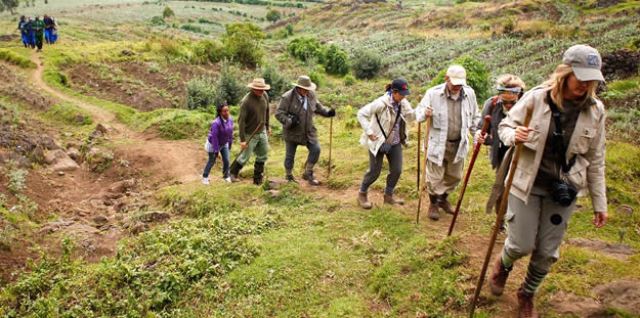
Trackers hike into the forest before tourists. Navigating through dense vegetation and steep slopes, they follow signs such as nests, dung, and food remnants to locate the gorillas.
3. Locating the Gorilla Family (7:30 AM – 10:00 AM)
Using their intimate knowledge of the forest, trackers identify the exact location of the gorilla group. They monitor health, behaviors, group dynamics, and record vital conservation data.
4. Gorilla Trekking Support (10:00 AM – 1:00 PM)
Once gorillas are located, trackers help guide trekking groups or researchers. They ensure tourist safety, translate behaviors, and assist with gorilla habituation if needed.
5. Afternoon Observation & Exit (1:00 PM – 4:00 PM)
After visitors leave, trackers may continue observing the gorillas, collecting data, or removing snares left by poachers. They eventually exit the forest, usually after a 10-hour day.
6. Daily Reporting (4:00 PM – 6:00 PM)
At headquarters, trackers log all data collected during the day. This includes group health, movements, GPS logs, and other notes crucial for research and conservation planning.
Training and Skills of a Gorilla Tracker
To become a gorilla tracker in Bwindi, one must undergo extensive training, including:
- Jungle survival and navigation
- Gorilla behavior and ecology
- GPS use and data recording
- First aid and safety training
Most trackers come from nearby communities and have a deep-rooted connection to the forest.
The Emotional Side of the Job
Trackers form strong emotional bonds with gorillas, recognizing individuals by name and personality. They feel joy at new births and sorrow at sickness or loss. Their connection is personal and profound.
Challenges Faced by Gorilla Trackers
- Harsh forest conditions
- Risk of disease, injury, or wildlife encounters
- Modest pay
- Poaching threats and illegal logging
Impact on Conservation
Trackers are key to the success of mountain gorilla conservation. Their daily work has helped the population rebound from near extinction. They also serve as local educators and advocates for wildlife protection.
How You Can Support Gorilla Trackers
- Choose ethical tour operators
- Tip your tracker generously
- Donate to conservation NGOs
- Raise awareness about trackers’ work
Conclusion
The life of a gorilla tracker in Bwindi is demanding yet deeply meaningful. These conservation warriors are the reason why tourists can enjoy unforgettable encounters with gorillas and why the species continues to survive. Behind every photo, every sighting, and every research report, there’s a tracker who walked miles, braved the forest, and kept watch.
Related Posts