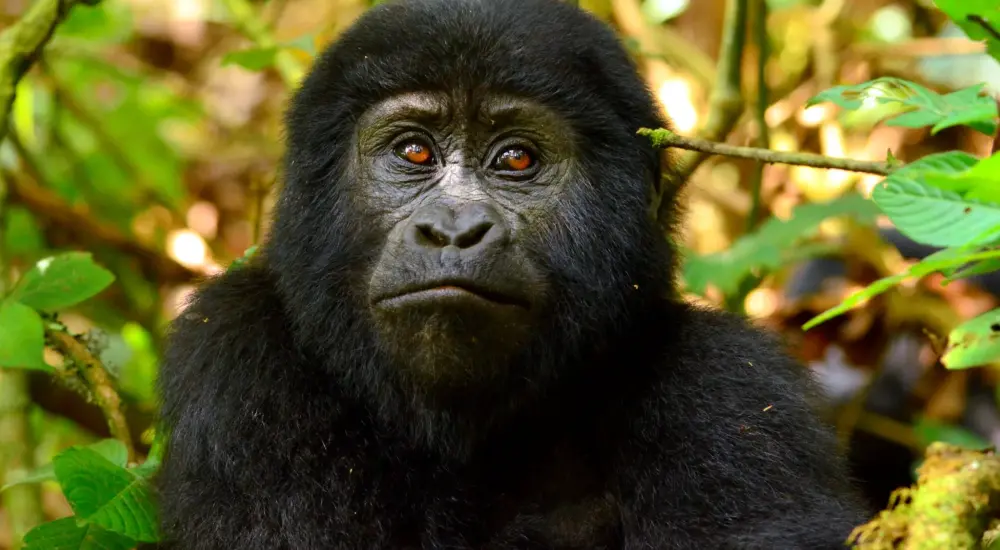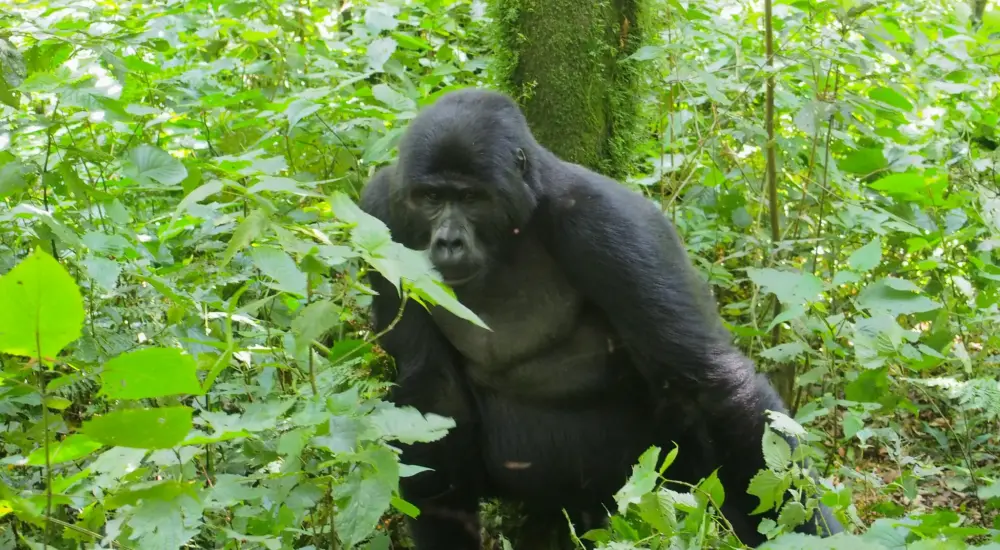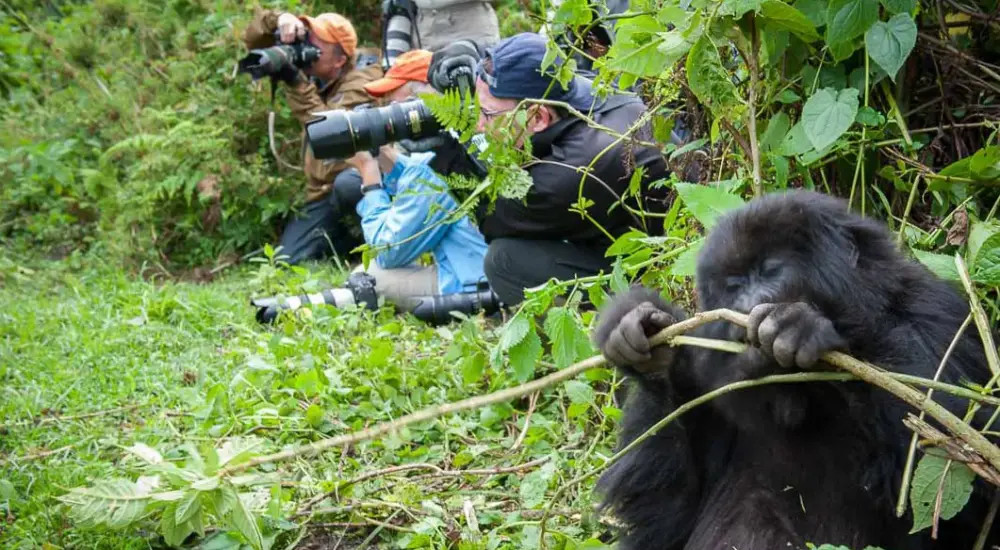
Gorilla Trekking in Uganda, is it really worth it? These Gentle Giants (Mountain Gorillas) can…
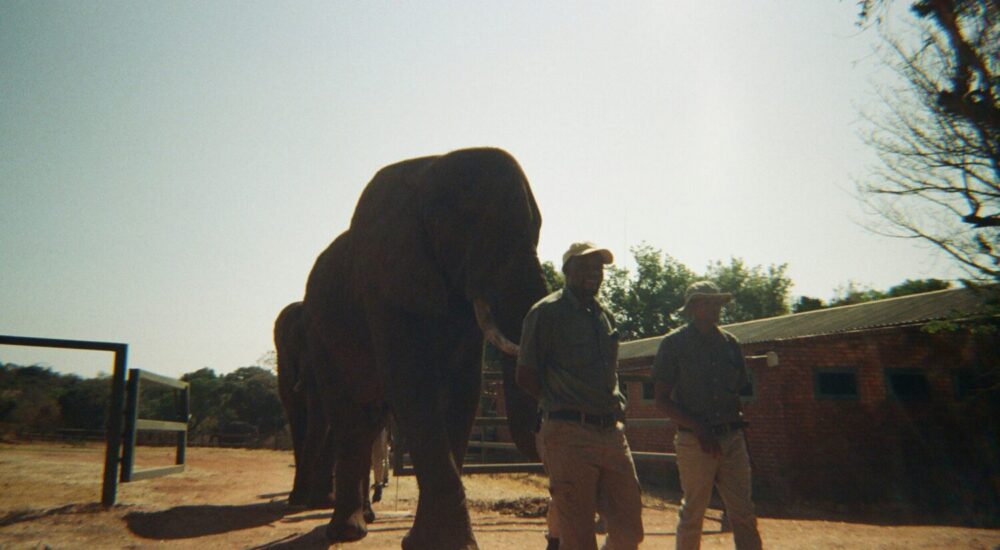
What Gear Do Gorilla Rangers Use?
What Gear Do Gorilla Rangers Use? Essential Equipment Behind Mountain Gorilla Conservation
Mountain gorillas are among the world’s most protected wildlife species, and much of their survival can be credited to the dedicated men and women who patrol their habitats every day. Gorilla rangers work in some of Africa’s most challenging environments, including the dense rainforests of Uganda, Rwanda, and the Democratic Republic of Congo. Their responsibilities range from protecting gorillas against poaching threats to monitoring gorilla families, assisting researchers, guiding tourists, and preserving fragile ecosystems.
One question frequently asked by travelers preparing for a gorilla trekking adventure is: What gear do gorilla rangers use? The answer reveals the incredible preparation, expertise, and equipment required to safeguard endangered mountain gorillas.
The equipment used by rangers is specifically designed to help them navigate rugged terrain, communicate across vast forested areas, monitor wildlife, collect conservation data, and respond quickly to emergencies. Every piece of gear contributes to the broader mission of protecting mountain gorillas and ensuring the long-term success of conservation programs.
Understanding the tools and equipment used by gorilla rangers provides valuable insight into the behind-the-scenes work that makes gorilla trekking possible and supports the recovery of mountain gorilla populations.
The Critical Role of Gorilla Rangers
Before examining the equipment itself, it is important to understand the diverse responsibilities gorilla rangers undertake daily.
Gorilla rangers patrol protected forests such as Bwindi Impenetrable National Park, Mgahinga Gorilla National Park, Volcanoes National Park, and Virunga National Park. Their work involves tracking gorilla families, removing snares, preventing illegal activities, monitoring animal health, guiding researchers, and supporting tourism operations.
A typical ranger may spend several hours or even an entire day moving through steep slopes, thick vegetation, muddy trails, and high-altitude forests. Their gear must therefore be durable, lightweight, reliable, and suitable for harsh conditions.
The effectiveness of conservation efforts often depends on how well-equipped these frontline conservation professionals are.
Uniforms Designed for Forest Protection
One of the most recognizable pieces of gorilla ranger gear is the ranger uniform.
Uniforms serve several purposes beyond identification. They provide protection against scratches, insects, thorny vegetation, and changing weather conditions.
Most ranger uniforms consist of:
- Durable long-sleeved shirts
- Heavy-duty trousers
- Weather-resistant jackets
- Protective hats or caps
The materials are chosen to withstand constant exposure to dense forest environments. Rangers frequently move through bamboo zones, tangled undergrowth, and steep mountain slopes where ordinary clothing would quickly wear out.
Uniforms also help establish authority within protected areas and distinguish conservation personnel from visitors and local communities.
Hiking Boots: The Most Important Piece of Equipment
If there is one item that every gorilla ranger considers indispensable, it is a high-quality pair of hiking boots.
Mountain gorilla habitats feature challenging terrain that includes:
- Muddy forest trails
- Slippery slopes
- Rocky paths
- Wet river crossings
- Dense vegetation
Rangers often walk long distances every day, sometimes covering terrain that tourists only experience briefly during gorilla trekking.
The boots used by rangers provide:
- Strong ankle support
- Water resistance
- Excellent traction
- Long-lasting durability
- Comfort during extended patrols
Without proper footwear, carrying out conservation duties in mountain gorilla habitats would be nearly impossible.
GPS Devices for Gorilla Monitoring
Modern conservation relies heavily on technology, and GPS units are among the most valuable tools in a ranger’s equipment kit.
GPS tracking devices allow rangers to record precise locations while monitoring gorilla families and patrolling protected areas.
These devices help conservation teams:
- Track gorilla movements
- Map nesting sites
- Monitor patrol routes
- Record illegal activities
- Document wildlife observations
The collected data contributes to long-term conservation research and management planning.
In many protected areas, GPS information is integrated into broader monitoring systems that help authorities understand how gorillas use their habitat and identify areas requiring additional protection.
Radios and Communication Equipment
Effective communication is essential for ranger operations.
Mountain forests often lack reliable mobile phone coverage, making two-way radios one of the most important pieces of gorilla conservation equipment.
Rangers use radio communication to:
- Coordinate patrol teams
- Report gorilla sightings
- Share security updates
- Request medical assistance
- Communicate with park headquarters
Rapid communication can be crucial when responding to emergencies involving wildlife, tourists, or illegal activities.
Many ranger stations maintain extensive radio networks that connect teams across large conservation landscapes.
Machetes for Navigating Dense Vegetation
A machete is another essential tool carried by many gorilla rangers.
Dense rainforest vegetation can quickly block trails and make movement difficult. Rangers use machetes to clear pathways, access remote areas, and navigate thick undergrowth.
The use of machetes is carefully controlled to minimize environmental impact.
Rather than creating large disturbances, experienced rangers make only the cuts necessary for safe movement through the forest.
For trackers searching for habituated gorilla groups, machetes help open routes while maintaining respect for the natural habitat.
Binoculars for Wildlife Observation
Observation plays a significant role in conservation work.
Rangers frequently use binoculars to monitor wildlife activity from a distance without causing disturbance.
Binoculars help rangers:
- Observe gorilla groups
- Identify animal behavior
- Detect illegal activities
- Monitor birds and other wildlife
- Conduct ecological surveys
The ability to observe from afar reduces stress on animals and supports non-invasive conservation practices.
High-quality binoculars have become standard equipment in many gorilla conservation programs.
Field Notebooks and Data Collection Tools
Technology has transformed wildlife conservation, but traditional field notebooks remain valuable.
Many rangers carry notebooks or waterproof data sheets to record observations in the field.
Information commonly recorded includes:
- Gorilla group locations
- Nest counts
- Health observations
- Wildlife sightings
- Patrol activities
- Illegal activity reports
Accurate data collection supports scientific research and helps conservation authorities make informed decisions.
Some parks increasingly use digital tablets and mobile data collection systems, but paper records continue to serve as reliable backups in remote environments.
First Aid Kits and Emergency Supplies
Safety remains a priority for gorilla rangers.
The remote nature of gorilla habitats means medical assistance may not always be immediately available.
As a result, ranger teams often carry first aid supplies that include:
- Bandages
- Antiseptics
- Pain relief medication
- Emergency dressings
- Basic trauma supplies
Minor injuries can occur while navigating rough terrain, making first aid preparedness essential.
Emergency supplies may also prove useful when assisting tourists during gorilla trekking excursions.
Rain Gear for Tropical Forest Conditions
Mountain gorilla habitats experience frequent rainfall throughout the year.
Weather conditions can change rapidly, especially in Bwindi and the Virunga Mountains.
Rangers typically carry:
- Waterproof jackets
- Rain ponchos
- Protective covers for equipment
- Waterproof backpacks
Remaining dry helps maintain comfort, safety, and operational effectiveness during long patrols.
Rain protection also safeguards sensitive equipment such as GPS devices, cameras, and radios.
Cameras for Monitoring and Documentation
Photography serves both conservation and research purposes.
Many ranger teams use cameras to document:
- Gorilla behavior
- Conservation activities
- Habitat conditions
- Evidence of illegal activities
- Wildlife health observations
Photographic records provide valuable evidence for researchers and park managers.
Images can also help track physical changes in individual gorillas over time.
In some conservation programs, camera trap technology complements ranger observations by monitoring wildlife activity in remote areas.
Tracking Equipment Used During Gorilla Monitoring
Tracking gorilla families requires specialized skills and equipment.
Experienced trackers use a combination of:
- GPS units
- Maps
- Compasses
- Radios
- Observation tools
Trackers follow signs such as:
- Fresh nests
- Feeding remains
- Footprints
- Broken vegetation
- Vocalizations
These traditional tracking skills remain just as important as modern technology.
The combination of local expertise and scientific equipment creates highly effective monitoring systems.
Protective Gloves for Field Operations
Forest patrol work often involves handling rough vegetation and removing illegal snares.
Protective gloves help prevent:
- Cuts
- Scratches
- Insect bites
- Exposure to contaminants
When removing wire traps set by poachers, gloves become particularly important.
Snare removal is one of the most common conservation activities performed by ranger teams throughout mountain gorilla habitats.
Drones and Advanced Technology
Some conservation organizations are beginning to integrate advanced technologies into ranger operations.
Drone technology may assist with:
- Habitat mapping
- Forest monitoring
- Anti-poaching surveillance
- Environmental assessments
Drones do not replace traditional patrols but can provide valuable supplementary information.
Similarly, advanced mapping software and digital conservation platforms are helping rangers analyze data more efficiently than ever before.
Anti-Poaching Equipment
One of the most important responsibilities of gorilla rangers is preventing illegal activities.
Anti-poaching operations may involve specialized equipment such as:
- GPS tracking systems
- Surveillance tools
- Communication devices
- Patrol monitoring systems
Rangers regularly search for snares intended for other wildlife species that can accidentally injure gorillas.
Their efforts have significantly reduced threats within many protected areas.
Every snare removed represents a potential life saved.
The Human Skill Behind the Equipment
Although modern equipment plays a crucial role, the most valuable conservation asset remains the ranger.
Technology cannot replace years of field experience, tracking expertise, ecological knowledge, and dedication.
Successful gorilla conservation depends on:
- Skilled trackers
- Experienced patrol teams
- Scientific monitoring
- Community engagement
- Sustainable tourism
The equipment rangers use enhances their capabilities, but their commitment and expertise ultimately drive conservation success.
Mountain gorilla populations have increased in recent decades largely because of the tireless efforts of these frontline conservation professionals.
Why Gorilla Rangers Matter to Gorilla Trekking
Every gorilla trekking experience relies heavily on ranger support.
Before visitors enter the forest, ranger teams have often already spent hours locating gorilla groups and assessing conditions.
During trekking activities, rangers help:
- Ensure visitor safety
- Protect gorillas
- Interpret wildlife behavior
- Enforce conservation regulations
- Enhance the overall experience
The next time you encounter a mountain gorilla family in the wild, it is worth remembering the tremendous effort involved in making that encounter possible.
Behind every successful trek stands a dedicated team of rangers equipped with the tools necessary to protect one of Africa’s most treasured wildlife species.
Experience Gorilla Conservation Firsthand
One of the best ways to appreciate the work of gorilla rangers is by participating in a responsible gorilla trekking safari.
As you hike through the forests of Uganda or Rwanda, you will witness firsthand how trackers and rangers work together to locate and protect mountain gorillas.
At Monumental Expeditions and Safaris, we offer expertly guided gorilla trekking adventures that support sustainable tourism and conservation efforts across East Africa.
Whether you dream of visiting Bwindi Impenetrable National Park, Mgahinga Gorilla National Park, or Volcanoes National Park, our safari specialists can help you plan an unforgettable wildlife experience.
Book Your Gorilla Safari Today
Discover the incredible world of mountain gorillas and learn how dedicated conservation teams protect them every day.
Visit Monumental Expeditions and safaris to explore gorilla trekking packages, Uganda safaris, Rwanda tours, and customized wildlife adventures.
Talk to Our Safari Experts
Let our team help you choose the best gorilla trekking destination, secure permits, and create a personalized itinerary that brings you closer to Africa’s most extraordinary primates.
Related Posts