Speke Memorial Monument in Jinja Uganda – Source of the Nile visit. Monument to Speke…
Impala at Lake Mburo: Uganda’s Most Common Antelope
Impala at Lake Mburo: Uganda’s Most Common Antelope
Uganda is renowned for its mountain gorillas, chimpanzees, lions, and elephants, but some of the country’s most fascinating wildlife species are often overlooked. Among them is the elegant impala, one of Africa’s most recognizable antelopes and a signature species of Lake Mburo National Park. For many visitors exploring Uganda’s savannah landscapes, spotting an Impala at Lake Mburo becomes one of the highlights of their safari experience.
Lake Mburo National Park occupies a unique position in Uganda’s wildlife conservation story because it is the only national park in the country where impalas occur naturally in significant numbers. These graceful antelopes contribute greatly to the park’s biodiversity and offer visitors excellent opportunities to observe fascinating animal behavior in a stunning natural setting.
Whether you are a wildlife enthusiast, photographer, birder, or first-time safari traveler, understanding the ecology, behavior, and conservation importance of the Impala at Lake Mburo adds a deeper appreciation to your Uganda safari adventure.
Why Lake Mburo National Park is Famous for Impalas
Located in southwestern Uganda, Lake Mburo National Park covers approximately 370 square kilometers and protects a diverse ecosystem of rolling grasslands, acacia woodlands, wetlands, rocky outcrops, and lakes. Despite being Uganda’s smallest savannah national park, it supports an impressive variety of wildlife.
Among the park’s most iconic residents are impalas, which are so closely associated with the area that they influenced the park’s conservation significance. In fact, Lake Mburo remains the only protected area in Uganda where visitors can reliably see large populations of impalas in their natural habitat.
The combination of open grasslands and scattered acacia trees provides ideal conditions for these antelopes. The landscape offers abundant grazing opportunities while maintaining enough visibility for impalas to detect predators.
For travelers seeking authentic wildlife experiences without the crowds often found in larger safari destinations, Lake Mburo presents one of East Africa’s most rewarding opportunities to observe impalas in Uganda.
Understanding the Impala
The impala is a medium-sized antelope species known for its athletic ability, elegance, and remarkable adaptability. Scientifically classified as Aepyceros melampus, the impala occupies savannah and woodland habitats throughout eastern and southern Africa.
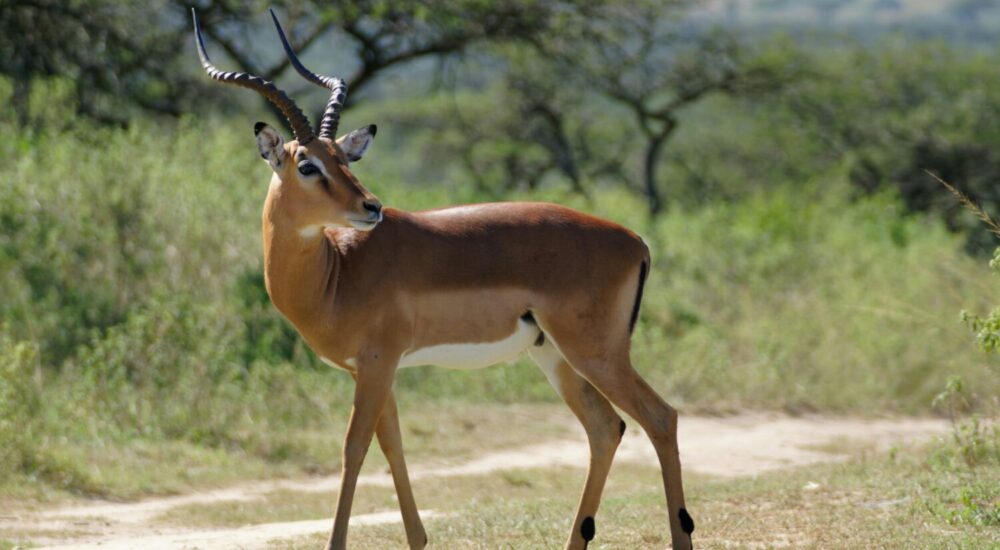
One glance at an impala reveals why it is often regarded as one of Africa’s most beautiful antelope species. Its sleek reddish-brown coat contrasts beautifully with its white underparts, black tail markings, and distinctive facial patterns.
Male impalas possess long, lyre-shaped horns that can grow up to 90 centimeters in length, while females do not develop horns.
Their slender bodies and powerful hind legs enable them to perform extraordinary leaps that help them evade predators and navigate challenging terrain.
The Remarkable Agility of the Impala
One of the most fascinating characteristics of the Impala at Lake Mburo is its exceptional jumping ability.
Impala can leap distances of up to ten meters in a single bound and reach heights of more than three meters. These athletic feats make them among Africa’s most agile antelope species.
When threatened, impalas often perform a series of rapid jumps in different directions. This behavior confuses predators and increases the chances of escape.
Visitors on game drives frequently witness impalas sprinting across the savannah before launching into graceful airborne leaps that seem almost effortless.
Their speed and agility represent essential survival adaptations in ecosystems where predators are constantly searching for opportunities.
Social Structure and Herd Dynamics
Impalas are highly social animals and typically live in organized groups. Their social systems vary according to season, habitat conditions, and breeding cycles.
Female impalas often form nursery herds consisting of adult females and young offspring. These groups can range from a few individuals to dozens of animals.
Adult males adopt different strategies. Some establish territories and defend them vigorously during the breeding season, while others form bachelor groups outside reproductive periods.
The complex social interactions within impala populations create fascinating wildlife viewing opportunities. Visitors may observe territorial displays, grooming behavior, playful interactions among juveniles, and coordinated herd movements across the grasslands.
These social dynamics contribute significantly to the appeal of observing impalas at Lake Mburo National Park.
Habitat Preferences of Impalas
Impalas thrive in environments that combine open grasslands with nearby woodland cover. This habitat preference explains their abundance within Lake Mburo National Park.
The park’s acacia-dotted savannah offers ideal grazing opportunities while providing shade and protection during the hottest parts of the day.
Unlike specialized grazers or browsers, impalas are mixed feeders. They consume grasses during wet seasons when fresh growth is abundant and switch to leaves, shoots, herbs, and shrubs during drier periods.
This dietary flexibility enables impalas to adapt successfully to changing environmental conditions throughout the year.
Their ability to exploit multiple food sources partly explains why impalas remain among Africa’s most widespread and successful antelope species.
Best Places to See Impalas at Lake Mburo
One reason travelers enjoy visiting Lake Mburo is the reliability of wildlife sightings. Impalas occur throughout much of the park and can often be observed shortly after entering the protected area.
The open plains surrounding Rwonyo, Zebra Track, Kazuma Track, and Research Track frequently support large impala herds.
Morning game drives often provide excellent viewing conditions because animals remain active while temperatures are cooler.
Late afternoon excursions also offer rewarding opportunities as impalas emerge from shaded areas to feed before sunset.
Visitors participating in walking safaris can enjoy particularly intimate encounters with these elegant antelopes while learning about their ecology from experienced guides.
Impalas and Predator Relationships
Although Lake Mburo supports fewer large predators than some of Uganda’s other national parks, impalas still face various natural threats.
Leopards represent one of the most significant predators within the ecosystem. Hyenas, pythons, and occasionally other carnivores may also prey upon impalas.
The constant need for vigilance has shaped many aspects of impala behavior. Their large eyes provide excellent vision, while their sensitive hearing helps detect approaching danger.
Impala herds rely heavily on collective awareness. When one animal detects a threat, alarm signals quickly alert the entire group.
Visitors observing these interactions gain valuable insight into the delicate balance that defines African wildlife ecosystems.
Breeding and Reproduction
The breeding season adds another fascinating dimension to the life of the Impala at Lake Mburo.
During rutting periods, dominant males establish territories and compete for access to females. These competitions often involve impressive displays of strength and endurance.
Males engage in vocalizations, scent marking, and occasional horn clashes to establish dominance.
Following successful mating, females carry their young for approximately six to seven months before giving birth to a single calf.
Young impalas remain hidden for several weeks before joining nursery groups, where they benefit from the protection of the herd.
The survival of these calves plays a crucial role in maintaining healthy impala populations within the park.
Why Impalas are Important to the Ecosystem
The ecological importance of impalas extends far beyond their beauty and abundance.
As herbivores, impalas influence vegetation patterns through their feeding behavior. Their grazing and browsing activities help maintain ecological balance and contribute to habitat diversity.
Impalas also serve as an important prey species, supporting predator populations and facilitating natural ecosystem processes.
Their movements assist with seed dispersal and nutrient cycling, further enhancing ecosystem health.
The presence of large, healthy impala populations often indicates a well-functioning savannah environment capable of supporting diverse wildlife communities.
Wildlife Species Commonly Seen Alongside Impalas
One of the advantages of visiting Lake Mburo is the opportunity to observe impalas alongside numerous other wildlife species.
Visitors frequently encounter:
- Zebras
- Elands
- Topis
- Defassa waterbucks
- Bushbucks
- Warthogs
- Buffaloes
- Hippos
- Crocodiles
- Klipspringers
- Reedbucks
The diversity of herbivores creates exceptional wildlife viewing experiences and provides countless opportunities for photography.
Bird enthusiasts also benefit from the park’s rich avian diversity, with over 350 bird species recorded.
Unique Safari Experiences for Viewing Impalas
Lake Mburo offers several wildlife activities that enhance opportunities to observe impalas.
Game Drives
Traditional game drives remain the most popular option for wildlife viewing. Professional guides understand animal movements and can position vehicles for optimal observation and photography.
Walking Safaris
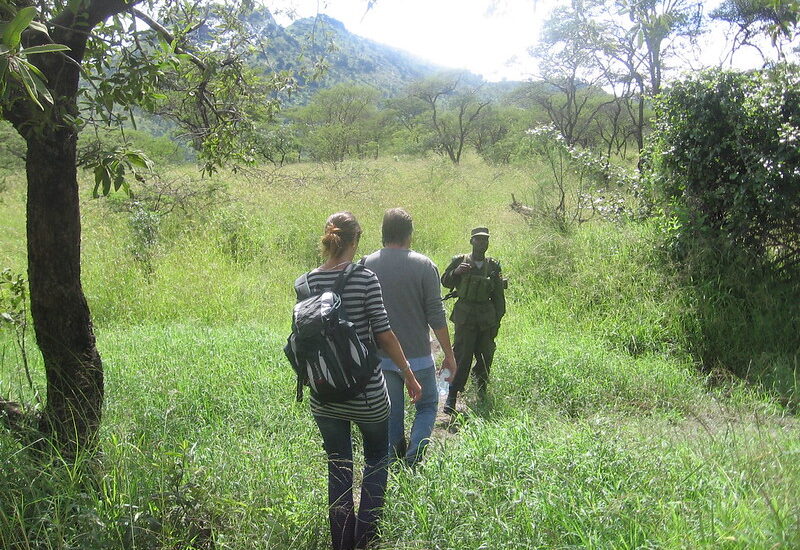
Lake Mburo is among the few Ugandan parks where visitors can explore wildlife habitats on foot.
Walking safaris provide a unique perspective and allow travelers to appreciate impala behavior, tracks, and ecological relationships more closely.
Horseback Safaris
Horseback safaris represent one of the park’s most distinctive attractions.
Because wildlife often perceives horses differently from vehicles, visitors can approach grazing impalas and other herbivores more naturally.
Night Game Drives
Night excursions reveal a different side of the ecosystem and occasionally provide opportunities to observe nocturnal wildlife activity.
Although impalas become less active after dark, these drives contribute to a broader understanding of park ecology.
Conservation of Impalas in Uganda
The future of the Impala at Lake Mburo depends on continued conservation efforts.
Protected areas such as Lake Mburo National Park play a vital role in preserving suitable habitat and maintaining healthy wildlife populations.
Uganda Wildlife Authority works closely with local communities, conservation organizations, and tourism stakeholders to protect biodiversity.
Tourism contributes directly to conservation by generating revenue that supports anti-poaching operations, habitat management, research programs, and community development initiatives.
Visitors who choose responsible safari operators help ensure that future generations can continue enjoying Uganda’s remarkable wildlife heritage.
Combining Lake Mburo with Other Uganda Safari Destinations
Many travelers include Lake Mburo as part of a broader Uganda safari itinerary.
Its convenient location along routes connecting Kampala to southwestern Uganda makes it an excellent stop before or after gorilla trekking adventures.
Popular combinations include:
Bwindi Impenetrable National Park for mountain gorilla trekking.
Kibale National Park for chimpanzee tracking.
Queen Elizabeth National Park for tree-climbing lions and boat safaris.
Murchison Falls National Park for Big Five wildlife encounters.
This combination allows visitors to experience Uganda’s extraordinary diversity, from tropical forests and mountain ecosystems to savannah landscapes filled with antelope and other wildlife.
At Monumental Expeditions and Safaris, expertly designed itineraries combine these destinations into unforgettable safari experiences tailored to individual interests and travel goals.
Experience the Beauty of the Impala at Lake Mburo
The Impala at Lake Mburo represents much more than a common antelope. It symbolizes the ecological richness, beauty, and diversity that make Uganda one of Africa’s most rewarding safari destinations.
From their graceful movements and remarkable athletic abilities to their complex social behavior and ecological importance, impalas offer endless opportunities for wildlife observation and appreciation.
Whether viewed from a safari vehicle, on foot during a guided walk, or while exploring the park on horseback, these elegant animals consistently leave lasting impressions on visitors.
A journey to Lake Mburo National Park provides an opportunity to witness one of Africa’s most iconic antelopes in one of Uganda’s most scenic and accessible wildlife areas.
Book Your Lake Mburo Wildlife Safari
Discover the beauty of the Impala at Lake Mburo and explore Uganda’s incredible wildlife with Monumental Expeditions and Safaris.
Visit Monumental Expeditions and safaris to explore customized safari packages that combine Lake Mburo National Park, gorilla trekking, chimpanzee tracking, birdwatching, and wildlife adventures across Uganda and East Africa.
Start planning your unforgettable Uganda safari today.
Related Posts