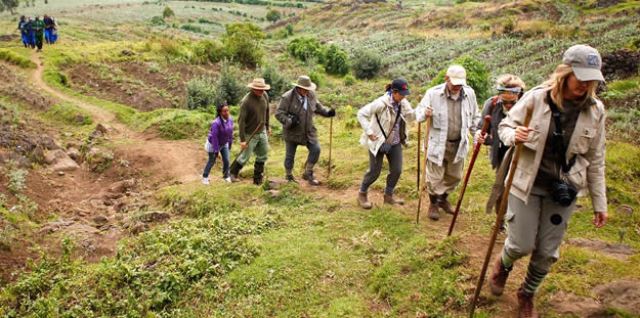
Understanding the Gorilla Trekking Experience Gorilla trekking involves hiking through rainforests to find and observe…
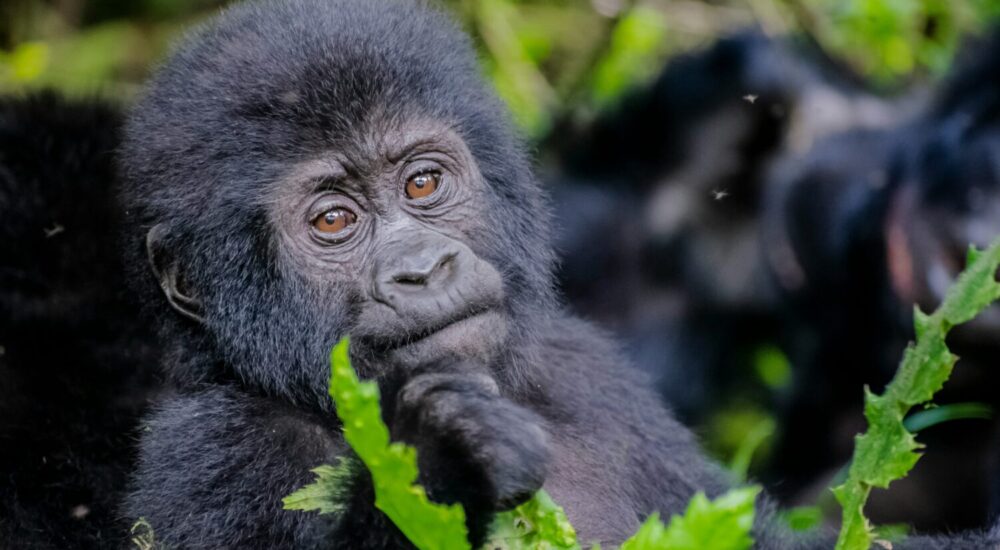
Gorilla Baby Boom: When Gorilla Births Are Announced
Gorilla Baby Boom: When Gorilla Births Are Announced
Overview
In the quiet depths of East Africa’s mountain forests, every new gorilla birth is treated as a major conservation milestone. These events are rare, carefully documented, and celebrated by researchers, rangers, and conservation organizations. When news spreads about a new arrival in a gorilla family, it is often described as a “gorilla baby boom,” especially during seasons when multiple infants are born across different groups.
The phrase gorilla baby birth Uganda is often used when such announcements originate from Uganda’s protected parks, particularly Bwindi Impenetrable National Park and Mgahinga Gorilla National Park. These areas host nearly half of the world’s remaining mountain gorillas, making Uganda one of the most important countries for gorilla population growth and conservation success.
Each gorilla birth represents more than just a biological event. It reflects years of conservation effort, habitat protection, veterinary care, and responsible tourism. For travelers on gorilla trekking safaris, these births symbolize hope and continuity for one of the world’s most endangered primates.
How Gorilla Birth Announcements Happen in the Wild
Unlike human societies, gorilla births are not “announced” in a public or organized way. Instead, they are discovered and confirmed through continuous field monitoring by researchers and park rangers. In Uganda, Rwanda, and Congo, habituated gorilla families are tracked regularly, allowing conservation teams to observe changes in group composition.
When a new infant is spotted, researchers record the event, confirm maternal identity, estimate birth timing, and document early behavior. Once verified, the information is shared with conservation authorities and sometimes publicized as part of wildlife updates or conservation reports.
In cases of gorilla baby birth Uganda, such announcements often come from Bwindi Impenetrable National Park, where long-term monitoring has made it possible to track individual gorilla families across decades.
These updates are important not only for scientific records but also for global awareness, fundraising, and tourism engagement.
Why Gorilla Births Are So Significant
Mountain gorillas have one of the slowest reproductive rates among mammals. A female typically gives birth once every four to six years. This slow reproduction cycle means that every newborn plays a critical role in population recovery.
A single gorilla baby represents years of biological investment from the mother and decades of conservation effort from human teams. When multiple births occur within a short period, conservationists often describe it as a “baby boom,” even though the total number may still be small.
The importance of gorilla baby birth Uganda lies in its direct impact on population stability. With fewer than 1,100 mountain gorillas left in the wild, every successful birth contributes significantly to long-term survival.
The Role of Uganda in Gorilla Birth Success
Uganda plays a leading role in global mountain gorilla conservation. Bwindi Impenetrable National Park alone hosts multiple habituated gorilla families, each monitored closely by Uganda Wildlife Authority and international conservation partners.
The success of gorilla baby birth Uganda events is closely linked to strong protection systems. Anti-poaching patrols, veterinary intervention programs, and regulated gorilla tourism have created a safer environment for reproduction.
Unlike in the past, when gorillas faced severe threats from hunting and habitat loss, modern conservation strategies have significantly improved infant survival rates.
Uganda’s protected parks now serve as safe breeding grounds where gorilla families can grow and thrive under monitored conditions.
How Gorilla Mothers Care for Newborn Babies
Gorilla mothers are deeply attentive and protective. After giving birth, a female gorilla dedicates nearly all her energy to caring for her infant. The baby clings to the mother’s chest for the first few months and depends entirely on her for warmth, transport, and nutrition.
In gorilla baby birth Uganda observations, researchers often note how mothers reduce movement during the early weeks to ensure the infant remains safe and well-fed. Nursing occurs frequently, and the bond between mother and baby strengthens rapidly.
Gorilla infants begin to explore their surroundings slowly after a few months, but they remain closely attached to the mother for several years. Even as they grow more independent, they continue to rely on maternal protection and guidance.
How Gorilla Groups React to New Births
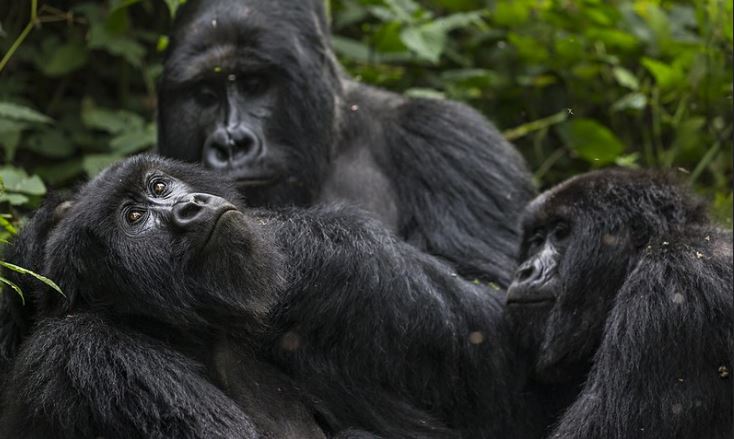
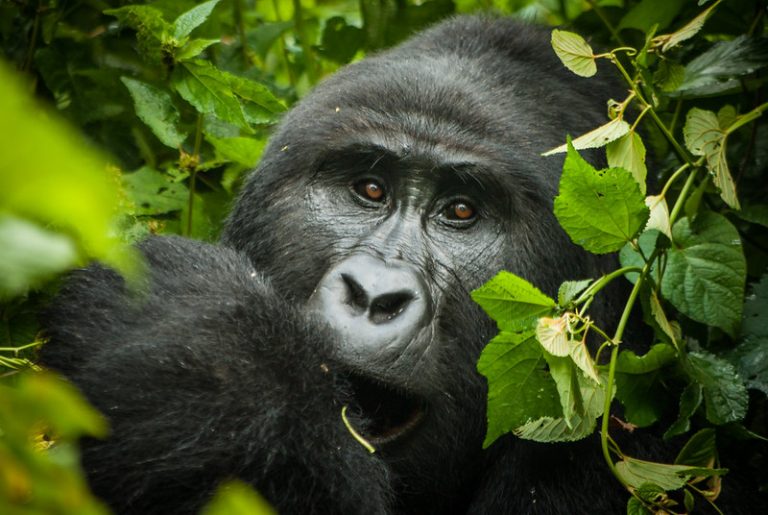
Gorilla families are highly social structures led by a dominant silverback. When a new baby is born, the entire group typically responds with curiosity and interest.
The silverback plays a protective role, ensuring the safety of the mother and infant. He may position himself closer to the pair during movement or rest periods, especially in the early stages of life.
Other females in the group sometimes show nurturing behavior, especially if they are related to the mother. Juvenile gorillas may approach cautiously, observing the newborn with curiosity.
In cases of gorilla baby birth Uganda, group stability is essential for infant survival. Calm and well-organized families provide the best environment for newborn gorillas to thrive.
The Science Behind Gorilla Reproduction
Gorilla reproduction is a slow and energy-intensive process. Females reach reproductive maturity around 8–10 years of age, while males mature later. Gestation lasts approximately 8.5 months, similar to humans.
Because of the long interbirth intervals, gorilla populations grow slowly even under ideal conditions. This makes every successful birth extremely valuable from a conservation perspective.
The frequency of gorilla baby birth Uganda events is influenced by several factors including food availability, group stability, health status, and environmental protection.
Researchers closely monitor reproductive trends to better understand population dynamics and improve conservation planning.
Why Gorilla Baby Booms Are Rare but Important
A true “baby boom” in gorilla populations does not mean dozens of births in a short time. Instead, it refers to periods when multiple gorilla families across different regions experience successful births within a similar timeframe.
These moments are rare but highly significant. They often indicate stable environmental conditions, successful conservation efforts, and improved health among gorilla populations.
When reports of gorilla baby birth Uganda increase, conservationists view it as a positive sign of ecosystem health and population recovery.
Infant Survival Challenges in the Wild
Despite conservation progress, gorilla infants still face several challenges. The most vulnerable period is the first year of life, when dependency on the mother is absolute.
Infant mortality can result from illness, accidents, maternal inexperience, or environmental stress. However, in protected parks like Bwindi, survival rates have improved significantly due to monitoring and veterinary support.
In gorilla baby birth Uganda cases, ranger teams and researchers closely observe newborns during early months to ensure they are developing normally.
The presence of stable family groups and strong silverbacks also increases infant survival chances.
Gorilla Baby Development and Growth
Gorilla infants grow rapidly during their early years. Within weeks, they begin to grip their mother’s fur more strongly and gradually increase their mobility.
By around six months, they start interacting with other group members under supervision. Play behavior becomes an important part of development, helping young gorillas build strength, coordination, and social skills.
In gorilla baby birth Uganda observations, juveniles often become highly active within their family groups, engaging in playful wrestling and climbing activities.
This early social learning is essential for their long-term survival and integration into gorilla society.
Conservation Impact of Gorilla Birth Announcements
Every confirmed gorilla birth contributes to global conservation awareness. When news spreads about a new infant, it often attracts attention from researchers, media, and tourism stakeholders.
These announcements help highlight the importance of protecting gorilla habitats and supporting sustainable tourism programs.
Revenue generated from gorilla trekking permits directly supports conservation activities in Uganda, Rwanda, and Congo. This includes ranger salaries, anti-poaching patrols, and community development programs.
The continued success of gorilla baby birth Uganda reports demonstrates the effectiveness of these conservation strategies.
Where Gorilla Births Are Most Commonly Reported
Most documented gorilla births occur in Uganda’s Bwindi Impenetrable National Park due to its large population of habituated gorilla families.
Bwindi is divided into several trekking sectors, each home to different gorilla groups. This diversity increases the likelihood of observing reproductive activity across multiple families.
Explore Uganda Gorilla Tours:
www.gorillatrackings.com/uganda-gorilla-tours
Rwanda’s Volcanoes National Park also records regular gorilla births, supported by strong conservation programs and long-term research initiatives.
Discover Rwanda Gorilla Trekking:
www.gorillatrackings.com/rwanda-gorilla-trekking
Virunga National Park in Congo contributes to regional population growth, although monitoring conditions are more challenging due to terrain and security factors.
Gorilla Trekking and Baby Sightings
For travelers, encountering a gorilla infant during trekking is one of the most emotional wildlife experiences possible. Baby gorillas are playful, curious, and often closely observed by their mothers.
While specific gorilla baby birth Uganda sightings are not guaranteed, trekking offers the chance to see infants at different stages of development within family groups.
Each encounter provides insight into gorilla family life, social learning, and maternal care.
Experienced guides often explain the age, behavior, and role of infants within the group during trekking experiences.
Emotional Significance of Gorilla Births
Gorilla births evoke strong emotional reactions from researchers, rangers, and visitors alike. They represent hope, resilience, and the success of long-term conservation efforts.
For conservation teams, each newborn symbolizes years of work protecting habitats, preventing poaching, and supporting local communities.
For travelers, learning about gorilla baby birth Uganda adds emotional depth to safari experiences, making encounters with gorilla families more meaningful and memorable.
The Future of Gorilla Population Growth
With continued conservation efforts, mountain gorilla populations are slowly increasing. This growth is a rare success story in global wildlife conservation.
Improved protection, veterinary care, and responsible tourism have created conditions where gorillas can reproduce more safely than in previous decades.
The future of gorilla baby birth Uganda trends depends on continued habitat protection and international conservation support.
Explore Gorilla Safaris with Monumental Expeditions and Safaris
Monumental Expeditions and Safaris offers immersive gorilla trekking experiences across Uganda, Rwanda, and Congo. Our guided safaris allow travelers to witness gorilla families in their natural environment while learning about reproduction, behavior, and conservation.
We specialize in responsible wildlife tourism that directly supports gorilla protection and community development.
Related Posts