How safe is Gorilla Trekking? Gorilla trekking activity is one of the most scaring safaris/tours…
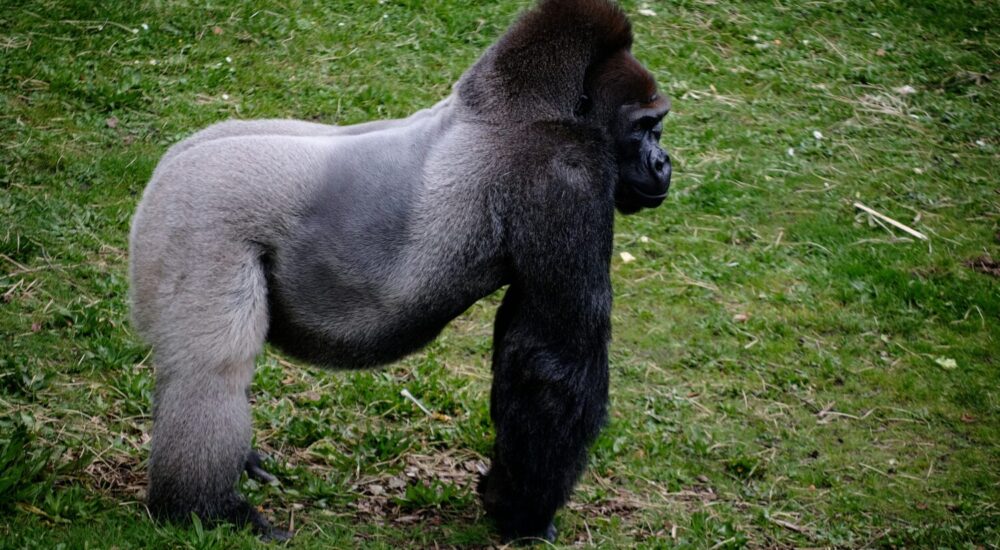
Dian Fossey Gorilla Fund International: How It Works
Dian Fossey Gorilla Fund International: How It Works
Overview
The Dian Fossey Gorilla Fund International stands among the most influential wildlife conservation organizations in Africa. Established to protect endangered mountain gorillas and preserve their fragile habitats, the organization continues the groundbreaking conservation work started by Dian Fossey in the Virunga Mountains of Rwanda. Today, the fund operates as a global leader in gorilla research, conservation science, anti-poaching efforts, community engagement, and environmental education.
For travelers planning gorilla trekking experiences in Rwanda or Uganda, understanding how the Dian Fossey Gorilla Fund International works adds deeper meaning to every trek. The mountain gorillas visitors encounter today survive partly because of decades of protection, scientific monitoring, and conservation programs pioneered through Fossey’s work.
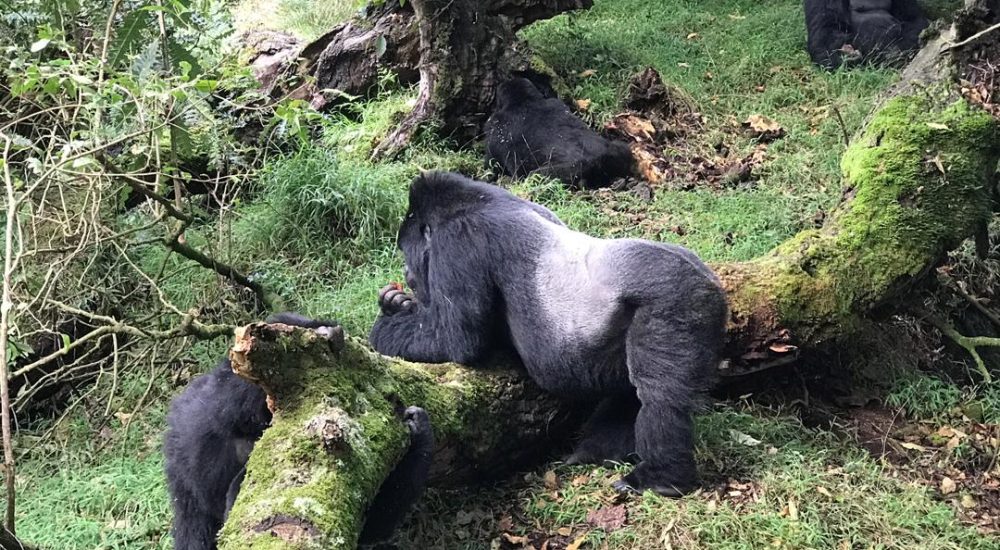
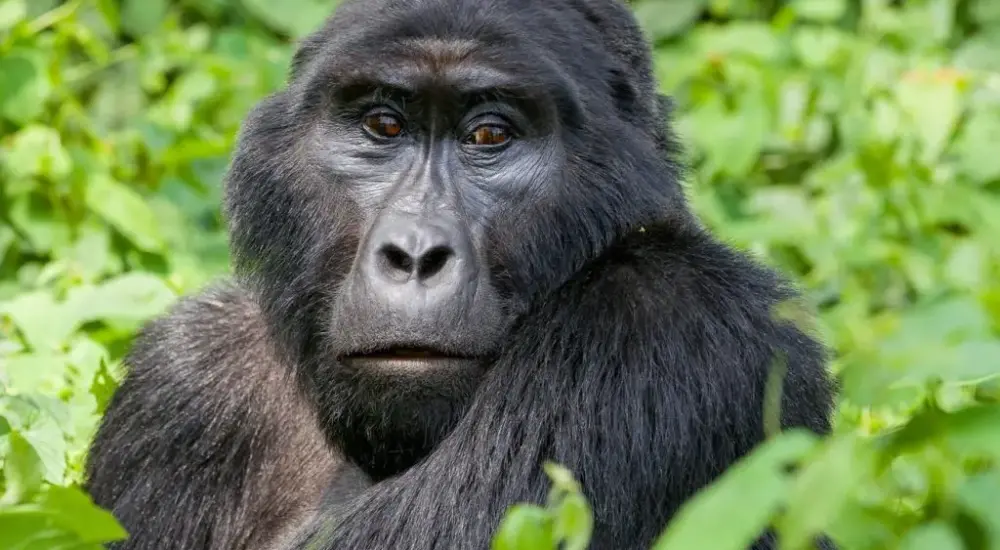
Mountain gorilla populations once faced the serious threat of extinction due to poaching, habitat destruction, disease transmission, political instability, and illegal wildlife trade. Through continuous conservation action, the population has slowly recovered, making mountain gorillas one of the few great ape species showing measurable population growth in recent decades.
The organization’s success comes from combining science, ranger support, community development, education, tourism partnerships, and long-term ecological monitoring into one integrated conservation model. This broad approach allows the Dian Fossey Gorilla Fund to support not only gorilla survival but also the protection of entire rainforest ecosystems across the Virunga region.
The Origins of the Dian Fossey Gorilla Fund International
The story of the Dian Fossey Gorilla Fund International begins with American primatologist Dian Fossey, who arrived in Rwanda in 1967 to study mountain gorillas in the Virunga Mountains. At the time, mountain gorillas remained poorly understood, and their populations were declining rapidly.
Fossey established the Karisoke Research Center between Mount Karisimbi and Mount Bisoke in Rwanda’s Volcanoes National Park. From this remote forest base, she conducted long-term behavioral studies on gorilla families and became one of the first researchers to document their social structures, communication patterns, emotional intelligence, and family bonds.
Her work transformed global understanding of gorillas. Instead of aggressive creatures often portrayed in media, Fossey revealed mountain gorillas as intelligent, gentle, and highly social primates.
As poaching increased during the 1970s and 1980s, Fossey shifted much of her attention toward direct conservation. She organized anti-poaching patrols, exposed illegal wildlife activities, and advocated fiercely for gorilla protection.
Following her death in 1985, the organization continued her mission under the name Dian Fossey Gorilla Fund International, expanding conservation programs across Rwanda and neighboring gorilla habitats.
How the Dian Fossey Gorilla Fund International Works
The success of the Dian Fossey Gorilla Fund International depends on several interconnected conservation strategies working together simultaneously. Rather than focusing on a single issue, the organization combines research, protection, education, and community involvement to create sustainable conservation systems.
The organization monitors gorilla families daily through trained field staff and researchers who track gorilla health, movement, births, social dynamics, and habitat use. This constant monitoring helps conservation teams detect threats early, including disease outbreaks, injuries, or illegal human activity near gorilla groups.
Anti-poaching remains another major component of the organization’s work. Rangers remove snares from forests, patrol protected areas, and work alongside national park authorities to reduce illegal hunting activities that threaten gorillas and other wildlife.
Community development programs also form a central part of the conservation model. The organization supports local education initiatives, livelihood projects, conservation awareness campaigns, and training opportunities that encourage communities to benefit from gorilla conservation rather than depend on forest exploitation.
Scientific research continues to guide conservation decisions as well. Researchers study gorilla genetics, habitat health, climate impacts, disease risks, and ecosystem dynamics to improve long-term management strategies.
This integrated approach explains why the Dian Fossey Gorilla Fund has become one of the world’s most respected conservation organizations.
The Role of Karisoke Research Center
The Karisoke Research Center remains the heart of the organization’s scientific operations. Originally established by Dian Fossey herself, the center continues conducting some of the world’s longest-running gorilla studies.
Researchers at Karisoke monitor mountain gorilla families across Volcanoes National Park and collect detailed information about gorilla behavior, population changes, reproduction, social relationships, and health conditions.
Because gorillas share a high percentage of human DNA, studying their behavior also provides important insights into primate evolution, communication, and social intelligence.
The research center trains both international scientists and African conservation professionals, strengthening local expertise in wildlife conservation and primatology.
Karisoke also contributes heavily to conservation policy development throughout the Virunga region.
Travelers interested in gorilla conservation history often combine gorilla trekking experiences with visits related to Dian Fossey’s legacy, including:
- Dian Fossey Tomb Hike
- Volcanoes National Park Gorilla Trekking
- Gorilla Conservation Experiences in Rwanda
- Gorilla Habituation Experiences
These related experiences help visitors understand the deeper conservation story behind modern gorilla tourism.
Gorilla Monitoring and Daily Protection
One of the most important activities carried out by the Dian Fossey Gorilla Fund International involves daily gorilla monitoring. Field teams enter the forest every day to locate habituated gorilla families and assess their condition.
Monitoring teams document:
- Group composition
- New births
- Injuries
- Feeding patterns
- Movement routes
- Behavioral interactions
- Signs of illness
- Human disturbance risks
This continuous observation allows conservation teams to respond quickly when problems arise.
If a gorilla becomes trapped in a snare or shows signs of disease, veterinary intervention teams can mobilize rapidly. This quick response system has saved numerous gorilla lives over the years.
Monitoring also improves scientific understanding of mountain gorilla populations and helps conservation authorities manage tourism activities responsibly.
Anti-Poaching Operations and Forest Protection
Poaching remains one of the most serious threats facing mountain gorillas and other rainforest wildlife. Although gorillas themselves are not usually targeted directly for bushmeat, they often suffer injuries or death from wire snares intended for smaller animals.
The Dian Fossey Gorilla Fund supports anti-poaching patrols throughout gorilla habitats. Rangers search for illegal traps, monitor suspicious activity, and protect critical forest zones.
These patrols remove thousands of snares annually from protected areas.
Forest protection efforts also include:
- Habitat monitoring
- Illegal logging prevention
- Encroachment detection
- Biodiversity surveys
- Environmental restoration projects
Maintaining healthy forest ecosystems remains essential because gorillas depend entirely on intact rainforest habitats for survival.
Community Involvement in Gorilla Conservation
Long-term gorilla conservation cannot succeed without strong community support. The Dian Fossey Gorilla Fund International recognizes that local people living near gorilla habitats must benefit directly from conservation efforts.
The organization invests heavily in education and sustainable development initiatives surrounding protected areas.
Programs often include:
- School construction support
- Conservation education
- Women empowerment projects
- Agricultural training
- Water access programs
- Youth leadership initiatives
- Local employment opportunities
By improving livelihoods and educational opportunities, the organization reduces pressure on forest resources while strengthening positive attitudes toward wildlife conservation.
Many local residents today work as:
- Rangers
- Researchers
- Guides
- Lodge staff
- Conservation educators
- Tourism operators
This connection between tourism and conservation creates one of the strongest economic incentives for protecting mountain gorillas.
The Relationship Between Gorilla Tourism and Conservation
Modern gorilla trekking tourism depends heavily on conservation systems developed through organizations like the Dian Fossey Gorilla Fund International.
Tourism revenue generated from gorilla permits supports:
- National park operations
- Ranger salaries
- Veterinary care
- Community projects
- Habitat protection
- Infrastructure development
Controlled tourism also creates international awareness about mountain gorilla conservation.
However, gorilla tourism must remain carefully regulated to avoid negative impacts such as disease transmission or environmental degradation.
Strict trekking rules exist partly because of lessons learned through decades of research conducted by the Fossey Fund and partner organizations.
Travelers preparing for gorilla trekking should also explore:
- Gorilla Trekking Rules and Regulations
- How Gorilla Habituation Works
- Gorilla Permit Costs in Rwanda and Uganda
- Best Time for Gorilla Trekking
- Gorilla Trekking Fitness Requirements
These internal links improve SEO performance while guiding readers toward related travel content on www.gorillatrackings.com.
Gorilla Health and Veterinary Support
Because gorillas share close genetic similarities with humans, they remain highly vulnerable to human diseases. Respiratory infections alone can threaten entire gorilla families.
The Dian Fossey Gorilla Fund works closely with veterinary teams to monitor gorilla health and reduce disease risks.
Health protection measures include:
- Visitor distance regulations
- Face mask recommendations
- Limited group sizes
- Health screening protocols
- Emergency veterinary interventions
Researchers also study disease transmission patterns to improve future protection strategies.
These conservation health measures became even more important during global disease outbreaks when protecting endangered gorillas required additional precautions.
Scientific Research Beyond Gorillas
Although mountain gorillas remain the organization’s primary focus, the Dian Fossey Gorilla Fund International also studies broader rainforest ecosystems.
Researchers examine:
- Climate change impacts
- Forest regeneration
- Biodiversity patterns
- Carbon storage
- Other primate species
- Human-wildlife interactions
Protecting gorillas ultimately requires protecting entire ecosystems.
The forests of Rwanda, Uganda, and the Virunga region support hundreds of bird species, mammals, reptiles, insects, and plant varieties beyond gorillas alone.
This ecosystem-based conservation model strengthens long-term environmental sustainability.
Education and Training Programs
The organization invests significantly in conservation education for future generations.
Training programs help develop African scientists, conservation leaders, and wildlife researchers who continue advancing gorilla protection across the region.
Educational outreach includes:
- School conservation programs
- University partnerships
- Ranger training
- Research internships
- Community workshops
- Youth environmental leadership programs
These initiatives help build local conservation capacity while inspiring broader environmental awareness.
Dian Fossey’s Lasting Legacy
Dian Fossey’s influence extends far beyond scientific research. Her work permanently changed global attitudes toward gorillas and wildlife conservation.
Before her research, few people understood mountain gorillas or recognized the urgency of protecting them. Today, gorilla conservation stands as one of Africa’s most recognized environmental success stories.
The growth of responsible gorilla tourism in Rwanda and Uganda continues reflecting Fossey’s legacy.
Travelers trekking gorillas today directly support many conservation systems inspired by her original work in the Virunga Mountains.
Visiting Rwanda and Uganda Responsibly
Travelers interested in supporting conservation should prioritize responsible safari operators, eco-conscious lodges, and ethical gorilla tourism practices.
Responsible travel choices include:
- Following trekking regulations
- Respecting wildlife distances
- Supporting local communities
- Reducing environmental impact
- Choosing licensed operators
At Monumental Expeditions and Safaris, gorilla trekking itineraries focus on responsible tourism experiences that support long-term conservation goals while providing meaningful wildlife encounters.
Popular safari experiences include:
- Rwanda Gorilla Trekking Tours
- Uganda Gorilla Trekking Safaris
- Volcanoes National Park Tours
- Bwindi Gorilla Trekking Packages
- Gorilla and Wildlife Combination Safaris
Why the Dian Fossey Gorilla Fund Still Matters Today
Although mountain gorilla numbers have improved over recent decades, conservation challenges continue evolving.
Threats still include:
- Habitat pressure
- Human population growth
- Climate change
- Disease risks
- Political instability
- Illegal resource use
The work of the Dian Fossey Gorilla Fund International remains essential because conservation requires constant long-term commitment rather than short-term success.
Every protected gorilla family represents decades of scientific research, ranger dedication, conservation funding, and community cooperation.
For visitors standing face-to-face with mountain gorillas during a trek, understanding this conservation journey creates a deeper appreciation for the experience itself.
Planning a Gorilla Trekking Safari
Travelers inspired by the conservation story behind mountain gorillas often choose safaris that combine wildlife encounters with educational experiences about gorilla protection.
At Monumental Expeditions and Safaris offers customized itineraries across Rwanda and Uganda designed around responsible gorilla tourism, conservation awareness, and authentic rainforest experiences.
Whether trekking gorillas in Bwindi Impenetrable National Park or Volcanoes National Park, travelers become part of a larger conservation story that continues shaping the future of Africa’s endangered mountain gorillas.
Related Posts