Luxury vs. Budget Safaris: Which African Adventure is Right for You? Africa is a continent…
Cultural Attractions in Rwanda
Cultural Attractions in Rwanda – Exploring History, Heritage, and Traditions
Introduction
Rwanda, famously known as the Land of a Thousand Hills, is a country of remarkable resilience, stunning landscapes, and a vibrant culture. While gorilla trekking and wildlife safaris attract many visitors, Rwanda’s cultural attractions offer a rich insight into its history, traditions, and the heart of its people.
From museums that recount the country’s past to living cultural villages, Rwanda is a place where visitors can immerse themselves in stories, music, dance, and crafts. For travelers combining wildlife adventures with cultural exploration, Rwanda provides an unforgettable experience.
If you’re planning a tour that includes gorilla trekking and cultural exploration, Monumental Expeditions and Safaris can organize personalized itineraries in Rwanda.
1. Kigali Genocide Memorial
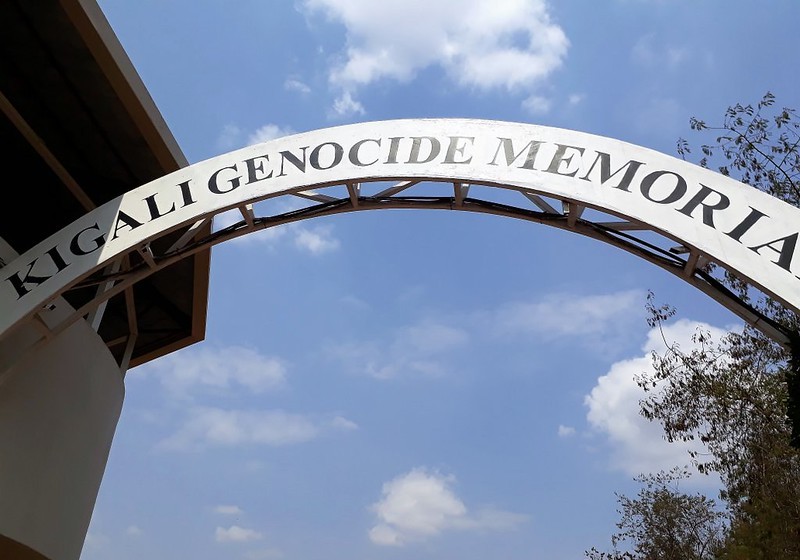
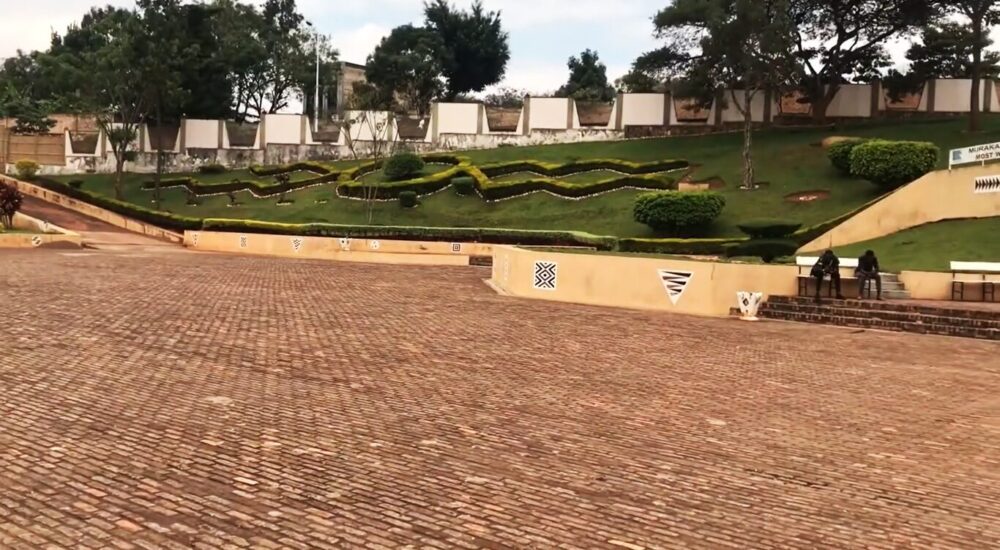
The Kigali Genocide Memorial is a solemn but essential stop for understanding Rwanda’s history. It serves as a tribute to the victims of the 1994 Genocide against the Tutsi, offering visitors a deep and reflective experience.
Highlights:
-
Educational exhibitions on the genocide
-
Mass graves and memorial gardens
-
Survivor testimonies and archives
-
Guided tours providing historical context
Visiting the memorial helps travelers appreciate Rwanda’s journey of reconciliation and unity, a key part of understanding Rwandan culture.
2. Inema Arts Center – Kigali
For contemporary cultural experiences, the Inema Arts Center showcases Rwanda’s vibrant art scene. Founded by local artists, it is a hub for:
-
Modern African paintings
-
Sculptures and ceramics
-
Live performances
-
Art workshops for visitors
Inema Arts Center allows tourists to interact with local artists, purchase authentic artworks, and support Rwanda’s creative economy.
3. Ethnographic Museum – Huye (Butare)
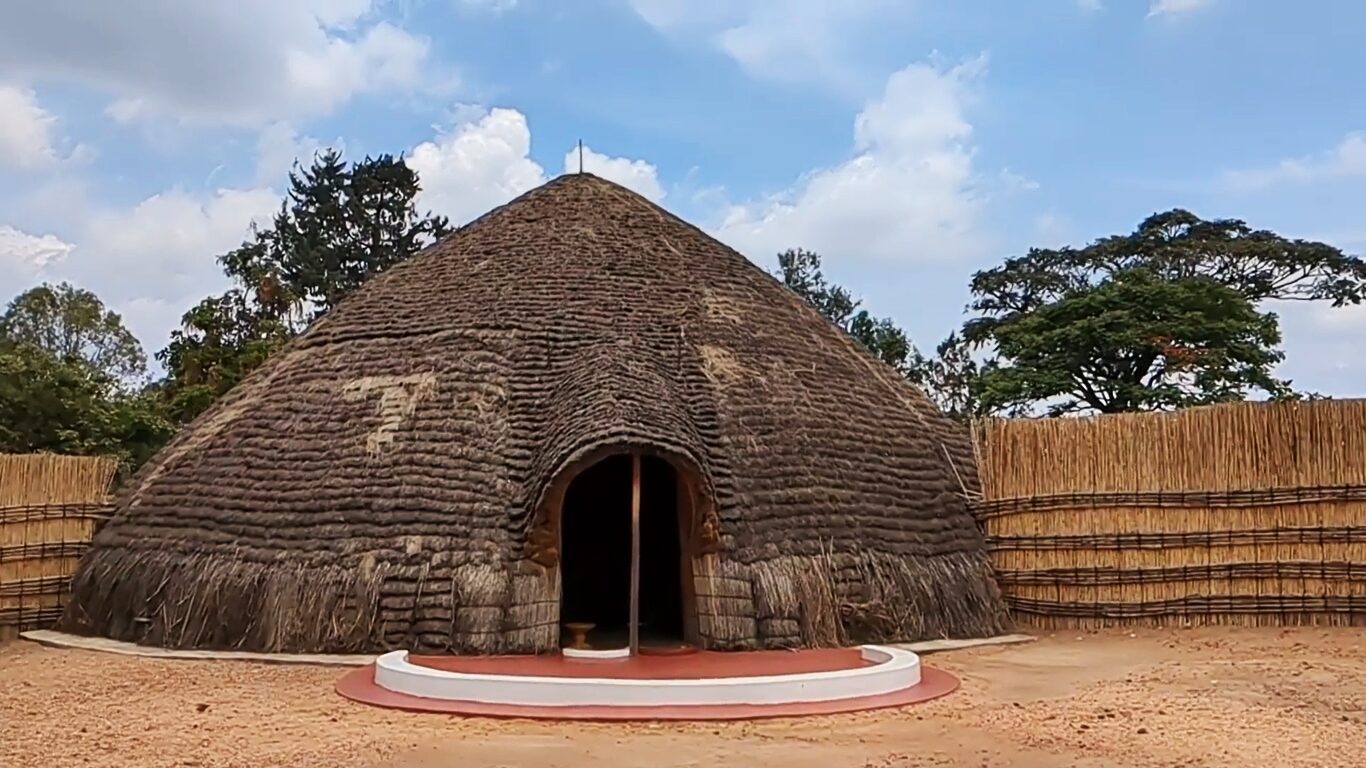
Located in the southern city of Huye, the Ethnographic Museum is one of Rwanda’s premier cultural institutions. It houses collections that trace the country’s history, including:
-
Traditional artifacts
-
Musical instruments
-
Clothing and jewelry
-
Agricultural tools and crafts
The museum provides a comprehensive view of Rwandan heritage and is ideal for history enthusiasts and students of African culture.
4. King’s Palace Museum – Nyanza
The King’s Palace Museum in Nyanza offers a glimpse into Rwanda’s royal past. Visitors can explore:
-
A reconstructed royal palace with traditional architecture
-
Royal artifacts and ceremonial items
-
Traditional huts showcasing historical lifestyles
-
Insights into Rwanda’s monarchy before colonial rule
A visit here provides context for understanding Rwanda’s social structures and traditions.
5. Iby’iwacu Cultural Village – Volcanoes National Park
For travelers combining gorilla trekking in Volcanoes National Park, a stop at Iby’iwacu Cultural Village is ideal. This living cultural village allows visitors to:
-
Witness traditional Rwandan dances, drumming, and storytelling
-
Participate in basket weaving, pottery, and cooking demonstrations
-
Meet local performers and artisans
-
Learn about daily life and customs of the local communities
It’s a hands-on experience that complements a wildlife adventure perfectly.
6. Nyamirambo Women’s Center – Kigali
The Nyamirambo Women’s Center offers a unique cultural experience in the vibrant Nyamirambo district of Kigali. Visitors can:
-
Take guided walking tours of the neighborhood
-
Sample traditional Rwandan cuisine
-
Participate in cooking classes
-
Engage in community projects and local craft workshops
This is a great way to experience urban culture and community life in Rwanda.
7. Traditional Dance and Music Performances
Rwandan dance and music are central to its cultural identity. Many venues across Rwanda, including cultural villages and hotels, host performances featuring:
-
Umushayayo – ceremonial dance
-
Intore Dance – warrior dance with sticks and shields
-
Drumming ensembles – rhythmic and energetic performances
-
Storytelling with songs and instruments
Attending these performances provides a deep connection to Rwandan traditions and communal values.
8. Kandt House Museum – Kigali
The Kandt House Museum was originally the residence of Richard Kandt, the first German governor of Rwanda. Today, it showcases:
-
Rwanda’s colonial history
-
Exhibits on natural history and ethnography
-
Insights into Rwanda’s transition from pre-colonial times to independence
This museum offers a comprehensive historical context for understanding modern Rwandan society.
9. Local Markets and Handicrafts
Rwanda’s markets are vibrant hubs for cultural exchange. Popular markets include:
-
Kimironko Market – Kigali’s largest market, offering fresh produce, fabrics, and crafts
-
Nyamirambo Market – traditional goods and street food
-
Handicraft markets near Volcanoes NP – baskets, wood carvings, and jewelry
Shopping at these markets supports local artisans and communities while allowing tourists to take home authentic souvenirs.
10. Coffee and Tea Plantations
Rwanda is known for its high-quality coffee and tea. Plantation tours offer:
-
Guided walks through lush plantations
-
Demonstrations of traditional harvesting and processing
-
Tasting sessions of Rwandan coffee or tea
-
Insight into rural livelihoods and sustainable agriculture
Visiting plantations is a cultural and sensory experience, highlighting the importance of agriculture in Rwandan life.
11. Lake Kivu – Gisenyi and Rubavu
Lake Kivu is not just scenic but culturally significant. Along its shores:
-
Traditional fishing communities thrive
-
Visitors can learn about local crafts and cuisine
-
Boat rides provide insight into lake-based livelihoods
-
Relax at lakeside resorts while experiencing local hospitality
Combining Lake Kivu experiences with cultural tours or gorilla trekking creates a balanced itinerary.
Tips for Cultural Tourism in Rwanda
-
Respect Local Customs: Ask before taking photos of people, especially in villages.
-
Support Local Artisans: Buy crafts directly from artisans.
-
Hire Local Guides: Gain authentic insights into history and culture.
-
Combine With Wildlife Tourism: Pair cultural tours with gorilla or chimpanzee trekking for a complete Rwanda experience.
-
Learn a Few Words of Kinyarwanda: Simple greetings like “Muraho” (Hello) go a long way.
For combined wildlife and cultural itineraries, contact Monumental Expeditions and Safaris for expert planning.
Best Time to Explore Cultural Attractions
Rwanda is enjoyable year-round, but:
-
Dry seasons (June–September and December–February) are best for walking tours and village visits.
-
Wet seasons (March–May, September–November) bring lush scenery but may make some trails muddy.
Why Cultural Tourism Matters
Cultural tourism in Rwanda:
-
Preserves traditional practices and knowledge
-
Supports local communities financially
-
Educates visitors about history, resilience, and social values
-
Promotes sustainable and responsible tourism
By visiting museums, villages, and markets, travelers contribute to community development and heritage conservation.
Combining Gorilla Tourism with Cultural Attractions
Rwanda offers perfect synergy between wildlife and culture. For example:
-
Volcanoes NP: Gorilla trekking + Iby’iwacu Cultural Village
-
Kigali: Genocide memorial + Nyamirambo Women’s Center + local markets
-
Lake Kivu: Scenic relaxation + local fishing community visits
With a trusted operator like Monumental Expeditions and Safaris, you can plan a custom itinerary combining primate safaris and cultural exploration.
Conclusion
Rwanda’s cultural attractions provide visitors with a deep, meaningful connection to the country’s history, heritage, and people. From museums and historical sites to traditional villages and performing arts, the country offers countless opportunities to learn, reflect, and engage with Rwandan culture.
When combined with gorilla trekking or chimpanzee tracking, cultural tourism ensures a holistic East African safari experience.
For expertly planned cultural and wildlife tours in Rwanda, contact Monumental Expeditions and Safaris
Related Posts