Does Uganda Have Tigers? Exploring the Big Cats of Africa The simple answer is no,…
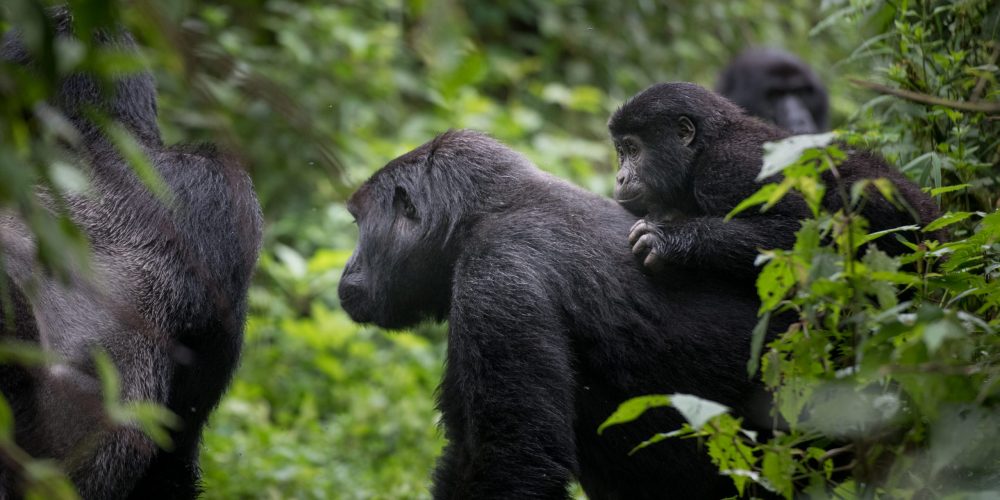
Best Time for Gorilla Trekking in Uganda and Rwanda
Best Time for Gorilla Trekking in Uganda and Rwanda: Seasonality Guide
Planning your gorilla trekking adventure in Uganda or Rwanda? Discover the best time for gorilla trekking based on seasonal weather, trail conditions, and park accessibility. This comprehensive guide will help you choose the ideal season for your unforgettable wildlife experience.
Introduction
If you’re dreaming of trekking through dense rainforests to see the elusive mountain gorillas, Uganda and Rwanda are top destinations. The Bwindi Impenetrable Forest in Uganda and the Volcanoes National Park in Rwanda offer world-class trekking experiences. However, the best time for gorilla trekking depends largely on seasonal weather and your personal preferences. This guide explains the seasons and what you can expect throughout the year.
Understanding Gorilla Trekking Seasonality
The mountain gorillas inhabit high-altitude rainforests where weather plays a major role in trekking conditions. Both countries experience two main seasons:
- Dry Seasons: Generally the best time to trek with less rain, easier trails, and improved wildlife visibility.
- Wet Seasons: Characterized by heavy rainfall, slippery and muddy trails but fewer tourists and lush landscapes.
The Dry Seasons: Ideal Gorilla Trekking Periods
1. June to September (Long Dry Season)
The long dry season is often considered the best time for gorilla trekking. Trails are easier to navigate, and gorilla encounters are typically more comfortable.
- Weather: Warm sunny days with cooler nights, especially at higher altitudes like Volcanoes National Park.
- Advantages: Dry, accessible trails with fewer leeches and mosquitoes.
- Crowds: Peak season with high tourist volume. Early permit booking is essential.
2. December to February (Short Dry Season)
This shorter dry period offers similarly favorable trekking conditions with moderate temperatures and less rain.
- Advantages: Lush scenery and moderate visitor numbers.
- Crowds: Less crowded than the long dry season but still popular.
The Wet Seasons: Pros and Cons for Gorilla Trekking
1. March to May (Long Rainy Season)
The long rainy season brings heavy rainfall, making trails muddy and physically challenging.
- Challenges: Difficult hiking conditions and some reduced park operations.
- Advantages: Fewer tourists, vibrant green landscapes, and sometimes lower costs.
2. October to November (Short Rainy Season)
This shorter rainy season still brings wet conditions but often less intense than the long rains.
- Advantages: Lush environment and more solitude.
- Challenges: Trails remain slippery; waterproof gear is necessary.
Comparing Uganda and Rwanda Gorilla Trekking Seasons
| Season | Uganda (Bwindi, Mgahinga) | Rwanda (Volcanoes National Park) |
|---|---|---|
| Long Dry (Jun-Sep) | Best time – dry trails, great wildlife viewing | Best time – pleasant hiking weather, fewer leeches |
| Short Dry (Dec-Feb) | Good conditions, moderate crowds | Good conditions, great for gorilla families |
| Long Rainy (Mar-May) | Difficult trails, lush scenery, fewer crowds | Challenging hiking, less tourism, green landscapes |
| Short Rainy (Oct-Nov) | Wet but manageable, quieter parks | Wet conditions, ideal for solitude and nature photography |
Tips for Gorilla Trekking Regardless of Season
- Wear waterproof hiking boots and gaiters, especially during rainy seasons.
- Bring layered clothing to adapt to changing temperatures.
- Use effective insect repellent to protect against mosquitoes and leeches.
- Book your gorilla trekking permits well in advance during peak seasons.
- Hire a porter to ease the physical demands of trekking through difficult terrain.
- Prepare physically to handle challenging hikes, especially in wet and slippery conditions.
When to Book Gorilla Trekking Permits?
Gorilla trekking permits are limited and in high demand, especially during the dry seasons. To secure your spot:
- Book at least 6 months in advance if traveling during the peak dry months (June–September).
- During wet seasons, availability may be slightly higher, but early booking is still recommended.
- Permit Costs: Uganda permits cost about $700 USD per person, while Rwanda permits are approximately $1,500 USD (subject to change).
How Season Affects Gorilla Behavior and Viewing
Mountain gorillas generally stay within their home ranges year-round without seasonal migrations. However:
- During wet seasons, gorillas may rest more under dense canopy to avoid heavy rain, potentially shortening viewing times.
- Dry seasons encourage more movement and foraging, often resulting in longer and more varied encounters.
Other Activities to Consider by Season
If trekking is challenging during rainy months, consider these alternative experiences:
- Chimpanzee trekking in Kibale Forest (Uganda)
- Golden monkey trekking in Mgahinga Gorilla National Park (Uganda) or Volcanoes National Park (Rwanda)
- Bird watching – ideal during wet seasons with abundant migratory and resident species
- Cultural visits and community tours, which are less affected by weather
Final Thoughts: When Is the Best Time for You?
While the dry seasons offer the most comfortable trekking conditions and are generally the best time overall, each season has unique advantages:
- Dry Seasons: Ideal for first-time trekkers and those seeking easier hikes.
- Wet Seasons: Perfect for adventurous travelers looking for solitude, lush green scenery, and sometimes better prices.
Choose the season that aligns with your fitness level, budget, and desire for crowds or solitude to make the most of your gorilla trekking journey.
FAQs About Gorilla Trekking Seasons
Q: Can I trek year-round?
A: Yes, mountain gorillas are habituated for trekking all year round, but weather affects trail conditions and difficulty.
Q: Do gorilla permits vary by season?
A: Permit prices typically remain constant throughout the year, but availability and visitor numbers change with the seasons.
Q: Is rain gear necessary?
A: Absolutely essential during the wet seasons for a comfortable trekking experience.
Q: Are there risks trekking during the rainy season?
A: Trails can be slippery and physically demanding; good preparation and proper gear are vital.
Summary: Seasonality Cheat Sheet
| Season | Weather | Trekking Difficulty | Visitor Crowds | Permit Availability | Wildlife Viewing |
|---|---|---|---|---|---|
| June – September | Dry, cool | Easy – Moderate | High | Limited (book early) | Excellent |
| December – February | Dry, warm | Moderate | Moderate | Good | Very Good |
| March – May | Heavy rain | Difficult | Low | More Flexible | Good |
| October – November | Rain showers | Moderate – Difficult | Low | Flexible | Good |
Related Posts