Uganda Safaris Uganda safaris offer some of the most breathtaking wildlife experiences in Africa, attracting…
Gorilla Habituation Experience vs. Traditional Trekking
Gorilla Habituation Experience vs. Traditional Trekking: Which Should You Choose?
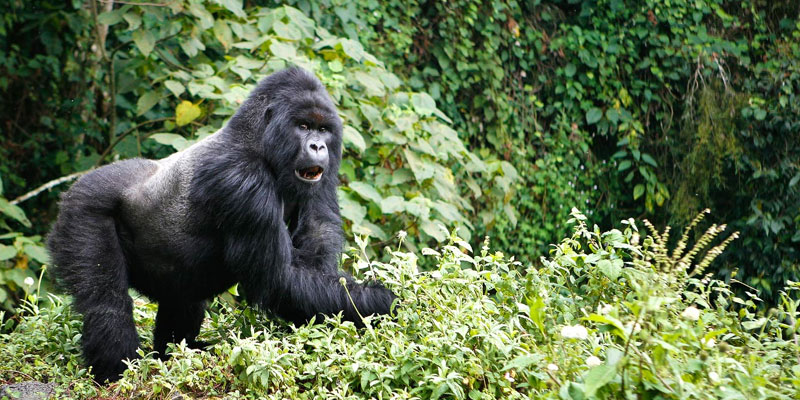
Gorilla trekking in Uganda is one of the most sought-after wildlife adventures in the world. With half of the world’s remaining mountain gorilla population residing in Uganda’s Bwindi Impenetrable National Park and Mgahinga Gorilla National Park, the country offers two unique ways to see these majestic primates: the Gorilla Habituation Experience and Traditional Gorilla Trekking.
Both experiences offer once-in-a-lifetime opportunities to observe mountain gorillas in the wild, but they differ in cost, time, interaction, and intent. In this comprehensive guide, we’ll explore the key differences between these two activities and help you decide: Which gorilla encounter is right for you?
What Is Traditional Gorilla Trekking?
Traditional Gorilla Trekking is the most common activity for travelers visiting Uganda and Rwanda. It involves a guided hike into the rainforest in search of one of the habituated gorilla families.
What to Expect
- Duration: 2 to 6 hours.
- Time with gorillas: 1 hour.
- Group size: 8 visitors.
- Permit cost: $800 per person (Uganda, 2026).
What Is the Gorilla Habituation Experience?
The Gorilla Habituation Experience is a more immersive version of the traditional trek. It allows visitors to spend up to 4 hours with a semi-habituated gorilla group.
What to Expect
- Duration: Up to a full day.
- Time with gorillas: 4 hours.
- Group size: 4 visitors.
- Permit cost: $1,500 per person.
Comparison Table
| Feature | Traditional Gorilla Trekking | Gorilla Habituation Experience |
|---|---|---|
| Time with gorillas | 1 hour | Up to 4 hours |
| Permit cost | $800 | $1,500 |
| Group size | 8 | 4 |
| Location | Bwindi & Mgahinga | Bwindi (Rushaga only) |
| Interaction level | Observation | Participation in habituation |
| Physical demand | Moderate | High |
Pros and Cons
Traditional Gorilla Trekking
Pros:
- More affordable.
- Shorter time commitment.
- Widely available.
Cons:
- Only 1 hour with gorillas.
- Less immersive experience.
Gorilla Habituation Experience
Pros:
- Up to 4 hours with gorillas.
- Exclusive and intimate experience.
- Participate in conservation efforts.
Cons:
- Expensive.
- Physically demanding.
- Limited availability (only in Rushaga sector).
Who Should Choose Which?
Choose Traditional Trekking If:
- You’re on a budget.
- You have limited time.
- You prefer a relaxed, less intense hike.
Choose Habituation If:
- You want more time with gorillas.
- You’re interested in conservation and research.
- You’re physically fit and can handle a long trek.
Locations for Trekking and Habituation
Bwindi Impenetrable National Park: Offers both activities. Rushaga sector is the only area for habituation.
Mgahinga Gorilla National Park: Offers only traditional trekking.
Conservation and Community Impact
Both activities contribute significantly to gorilla conservation and support local communities. Permit revenues fund:
- Anti-poaching efforts.
- Park management and security.
- Community development like education and healthcare.
Preparing for Your Gorilla Experience
Regardless of your choice, preparation is essential.
What to Pack:
- Hiking boots
- Rain gear
- Long sleeves and trousers
- Insect repellent
- Snacks and water
- Camera (no flash)
Booking Permits
Permits can be obtained through the Uganda Wildlife Authority or certified tour operators. Book early to secure your spot!
Rules and Etiquette
- Maintain 7-meter distance.
- Do not trek if ill.
- Follow ranger instructions at all times.
- No flash photography.
Final Thoughts
When choosing between the Gorilla Habituation Experience vs. Traditional Trekking, it ultimately depends on your budget, interest level, and stamina. Both offer a rare opportunity to observe and protect one of the world’s most endangered species — the majestic mountain gorilla.
Whether you choose a short, powerful hour or an in-depth four-hour journey, you’re guaranteed a life-changing adventure in Uganda’s stunning rainforests.
Related Posts