African Safari River Adventures and Boat Safaris African safaris are often associated with thrilling…
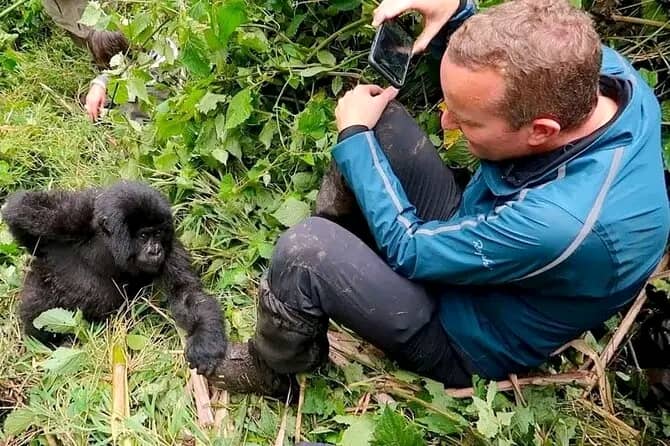
Where can I go gorilla trekking? | Gorilla trekking safaris
1. Introduction to Gorilla Trekking
Gorilla trekking is a specialized form of ecotourism that allows visitors to walk through dense forests and mountains to observe gorillas in the wild. It is available only in specific regions of Africa where gorillas reside. Trekking provides insights into their behavior, family structure, and habitat while supporting conservation efforts.
Gorillas are endangered, and trekking permits help fund anti-poaching efforts and community development.
2. Types of Gorillas for Trekking
There are two main species of gorillas you can see in the wild:
-
Mountain Gorillas (Gorilla beringei beringei)
-
Found in high-altitude forests of Uganda, Rwanda, and DR Congo
-
Known for thick, dark fur and gentle behavior
-
-
Eastern Lowland Gorillas (Gorilla beringei graueri)
-
Found in the eastern Democratic Republic of Congo
-
Larger and more robust, adapted to lowland forests
-
Currently, western gorillas and Cross River gorillas are rarely seen by tourists due to remote habitats and low population numbers.
3. Best Gorilla Trekking Destinations
Here are the top locations for gorilla trekking, each offering a unique experience:
3.1 Bwindi Impenetrable Forest, Uganda
-
Why Visit:
Home to almost half of the world’s mountain gorilla population. The forest is lush, dense, and full of biodiversity. -
Trekking Experience:
Visitors hike through challenging trails to reach habituated gorilla families. -
Best Time to Visit:
June–September (dry season) for easier trekking. -
Highlights:
-
Close encounters with gorilla families
-
Opportunity to see gorillas of all ages
-
-
Permit Info:
Permits are limited and must be booked in advance.
Plan your Bwindi gorilla trekking safari with: Monumental Expeditions and Safaris.
3.2 Volcanoes National Park, Rwanda
-
Why Visit:
Famous for Dian Fossey’s research and well-habituated silverback-led troops. -
Trekking Experience:
Guided hikes through volcanic slopes, cloud forests, and bamboo zones. -
Best Time to Visit:
January–February and June–September (dry seasons) -
Highlights:
-
Observe silverback gorillas leading their troops
-
Trekking in scenic landscapes with views of dormant volcanoes
-
-
Permit Info:
Rwanda offers fewer permits than Uganda, making early booking essential.
Explore Rwanda gorilla trekking tours via: Monumental Expeditions and Safaris
3.3 Mgahinga Gorilla National Park, Uganda
-
Why Visit:
A smaller and quieter park, offering more intimate gorilla encounters. -
Trekking Experience:
Shorter trails, excellent for first-time trekkers or those seeking a serene experience. -
Best Time to Visit:
June–September or December–February -
Highlights:
-
Observing gorilla behavior without large crowds
-
Birdwatching and scenic volcanic slopes
-
Book a Mgahinga gorilla trekking safari with: Monumental Expeditions and Safaris.
3.4 Virunga National Park, DR Congo
-
Why Visit:
Africa’s oldest national park and home to eastern lowland gorillas. -
Trekking Experience:
Remote and adventurous, often requiring multi-day trekking in dense forests. -
Best Time to Visit:
June–September (dry season) -
Highlights:
-
Extremely wild and less frequented gorillas
-
Opportunities to explore active volcanoes and diverse wildlife
-
Due to political and security considerations, booking through reputable operators is crucial. Learn more: Monumental Expeditions and Safaris.
4. Preparing for Gorilla Trekking
4.1 Physical Requirements
-
Moderate to high fitness is recommended.
-
Trails can be steep, muddy, and slippery, especially during the rainy season.
4.2 What to Bring
-
Hiking boots or sturdy shoes
-
Long-sleeved shirts and pants to protect against insects
-
Rain jacket or poncho
-
Gloves for bamboo or thorny vegetation
-
Camera with zoom lens
4.3 Safety and Guidelines
-
Maintain a safe distance (7 meters) from gorillas
-
Avoid eating, smoking, or loud noises
-
Follow guide instructions strictly to minimize stress on gorillas
Following these guidelines ensures ethical and responsible tourism.
5. The Cost of Gorilla Trekking
-
Gorilla trekking permits are priced differently by country:
-
Uganda: $700–$800 per person for adults
-
Rwanda: $1,500 per person
-
DR Congo: $400–$600 (varies by park and operator)
-
-
Costs often include guides, park fees, and conservation contributions.
Booking with reputable operators like Monumental Expeditions and Safaris ensures safety, permits, and ethical tourism practices.
6. Benefits of Gorilla Trekking
-
Wildlife Conservation: Fees support anti-poaching and habitat protection
-
Community Support: Tourism helps local communities thrive
-
Education: Learn about gorilla behavior, ecology, and conservation
-
Adventure: Trek through breathtaking forests, mountains, and volcanic landscapes
Gorilla trekking is a life-changing experience that combines adventure with wildlife conservation.
7. Best Time to Go Gorilla Trekking
Gorilla trekking is possible year-round, but dry seasons are preferred:
-
Uganda: June–September, December–February
-
Rwanda: June–September, January–February
-
DR Congo: June–September
During the rainy season, trails can be slippery and more physically challenging. However, the forest is lush, and fewer tourists visit.
8. Tips for First-Time Gorilla Trekkers
-
Book in advance: Permits are limited and highly sought after
-
Hire experienced guides: Essential for safety and spotting gorillas
-
Carry minimal gear: Keep packs light to navigate dense forests
-
Respect gorilla behavior: Avoid eye contact with dominant silverbacks
-
Stay patient: Gorillas move slowly; observation requires patience
These tips enhance your gorilla trekking experience while protecting the animals.
9. How Gorilla Trekking Supports Conservation
Gorilla trekking is more than a tourist activity; it is a vital conservation tool:
-
Funding protection programs: Permit fees go directly to park management
-
Protecting habitat: Revenue supports anti-deforestation efforts
-
Community incentives: Local people benefit, reducing hunting and human-gorilla conflict
Learn more about supporting gorilla conservation:
10. Conclusion
If you’re wondering “Where can I go gorilla trekking?”, the answer lies in a few exceptional locations in Uganda, Rwanda, and DR Congo:
-
Bwindi Impenetrable Forest, Uganda – dense forests and habituated troops
-
Volcanoes National Park, Rwanda – iconic silverbacks and scenic treks
-
Mgahinga Gorilla National Park, Uganda – serene and intimate experience
-
Virunga National Park, DR Congo – remote and adventurous trekking
Gorilla trekking is a once-in-a-lifetime experience that combines wildlife observation, adventure, and support for conservation.
Plan your ethical and unforgettable gorilla trekking safari today with Monumental Expeditions and Safaris.
Related Posts