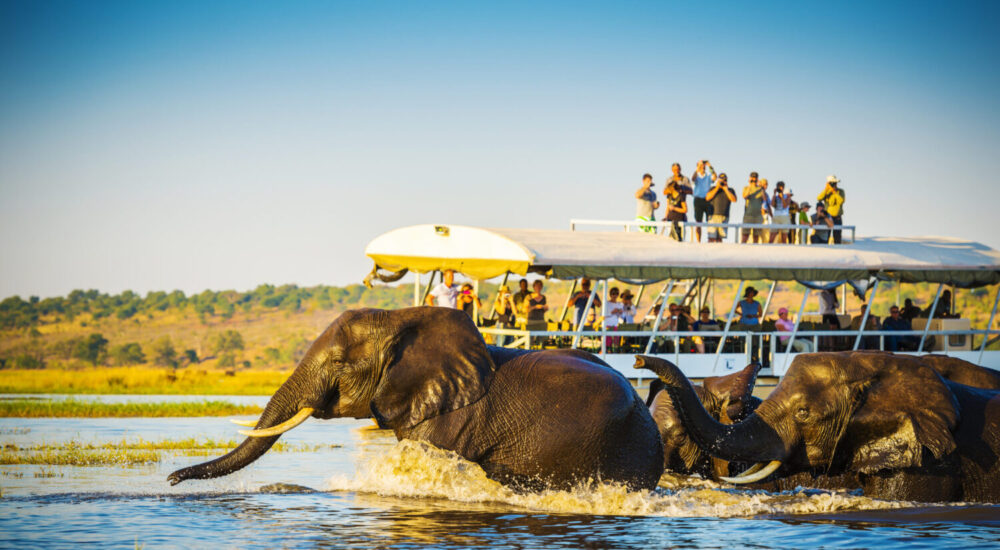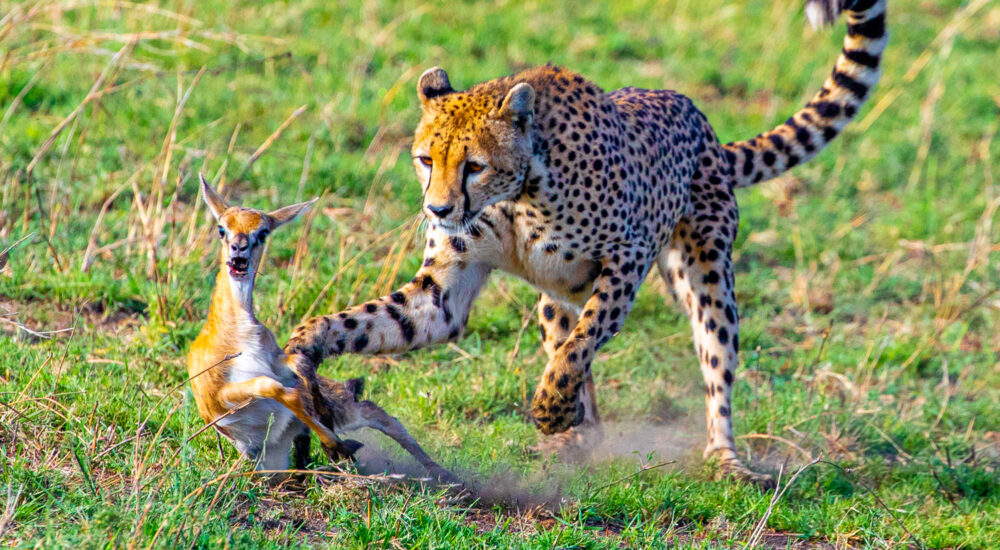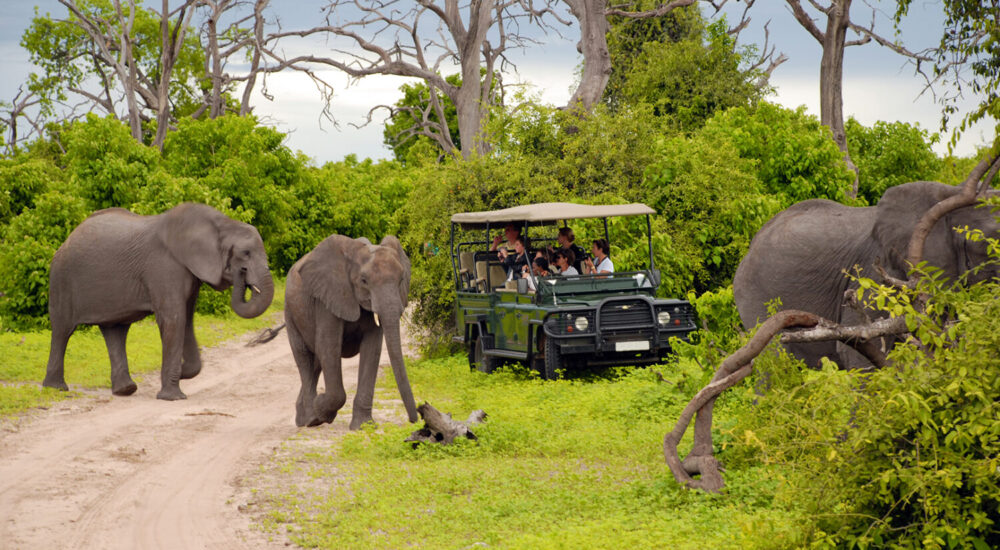
African Safari River Adventures and Boat Safaris African safaris are often associated with thrilling…
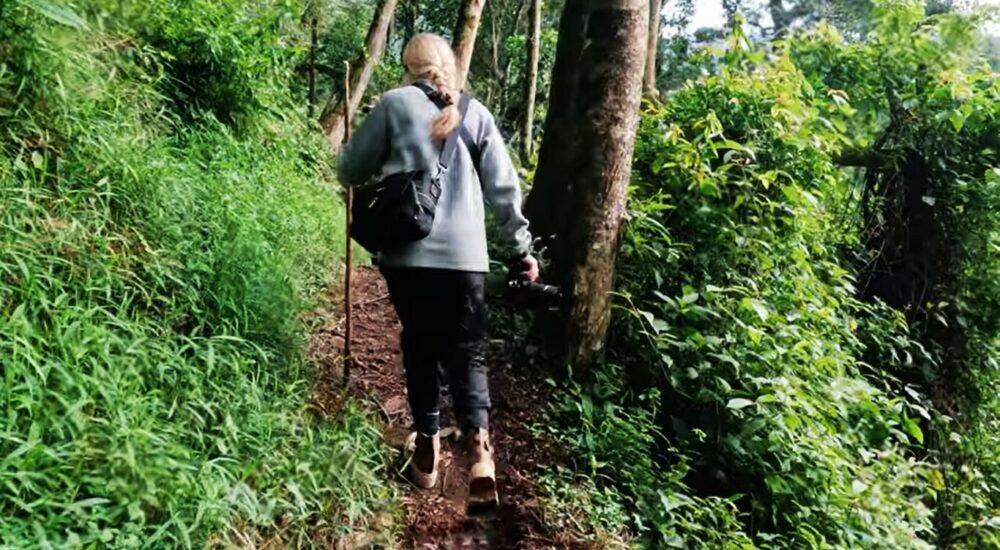
Walking Safaris in Uganda: Discover the Wild on Foot
Uganda, famously known as the Pearl of Africa, offers a diverse range of safari experiences, but none are quite as intimate and thrilling as walking safaris in Uganda. Unlike traditional game drives, a walking safari allows you to immerse yourself fully in the sights, sounds, and smells of the African wilderness. Guided by expert rangers, walking safaris let you explore the natural world up close—tracking animals, identifying plants, and understanding Uganda’s rich ecosystems.
What is a Walking Safari?
A walking safari is a guided nature walk in national parks, game reserves, or conservancies. Unlike vehicle-based safaris, it provides an on-foot experience, giving tourists the chance to experience wildlife in Uganda up close in a more natural and unfiltered way.
Led by trained Uganda Wildlife Authority (UWA) rangers and naturalists, these safaris offer insights into animal behavior, native flora, and ecological systems. You won’t just see animals—you’ll learn about Uganda’s biodiversity from the ground level.
Why Choose a Walking Safari in Uganda?
- Up-Close Encounters: Walk the same trails as zebras, elephants, and antelopes.
- Eco-Friendly Exploration: Walking safaris leave a minimal carbon footprint.
- Authentic Wilderness Experience: Smell, hear, and feel the wild around you.
- Educational and Safe: Led by expert guides with deep local knowledge.
Best Destinations for Walking Safaris in Uganda
Lake Mburo National Park
Lake Mburo is the top destination for walking safaris in Uganda. Its low predator count and flat terrain make it ideal.
- Wildlife: Zebras, elands, impalas, buffalo, and over 350 bird species
- Features: Acacia woodlands, beautiful lakes, and sunrise walks
Kidepo Valley National Park
Located in northeastern Uganda, Kidepo Valley offers dramatic landscapes and raw wilderness. Great for seasoned explorers.
- Wildlife: Ostriches, cheetahs, jackals, giraffes
- Culture: Interactions with the Ik and Karamojong tribes
Rwenzori Mountains National Park
The “Mountains of the Moon” provide a unique alpine safari experience.
- Sightings: Turacos, colobus monkeys, chameleons
- Adventure: Multi-day trekking with glacier views
Bwindi Impenetrable National Park
While best known for gorilla trekking, Bwindi also offers guided nature walks.
- Focus: Birdwatching, forest herbs, butterflies
- Wildlife: Forest elephants, monkeys
Mount Elgon National Park
An extinct volcano perfect for trekking-based safaris mixing geology and wildlife.
- Wildlife: Buffalo, hyenas, forest monkeys
- Features: Waterfalls, hot springs, ancient caves
Wildlife You Can Encounter on a Walking Safari
- Zebras, impalas, warthogs, giraffes
- Bushbucks, buffalo, baboons
- Birds: Turacos, hornbills, kingfishers, bee-eaters
- Primates: Vervet monkeys, colobus monkeys
Best Time for Walking Safaris in Uganda
The best time for walking safaris is during the dry seasons:
- December to February
- June to September
These periods provide dry trails and better wildlife visibility near water sources.
How to Prepare for a Walking Safari in Uganda
Clothing
- Neutral colors: khaki, green, brown
- Long sleeves and trousers
- Comfortable hiking boots
- Hat and sunglasses
Gear
- Reusable water bottle
- Binoculars and camera
- Insect repellent and sunscreen
Permits
Walking safaris must be booked through your tour operator or the Uganda Wildlife Authority (UWA). Fees vary by park and experience type.
Safety Tips for Walking Safaris
- Always follow your guide’s instructions
- Stay quiet and calm—no sudden movements
- Never run if startled—walk slowly behind your guide
- Respect wildlife; keep your distance
Cultural Walking Safaris
Many parks offer guided village walks where visitors can:
- Meet local farmers and craftspeople
- Learn about traditional healing and cooking
- Participate in songs, dances, and storytelling
These walks enhance the safari experience and support local communities.
Sustainable Tourism and Conservation
Walking safaris in Uganda support sustainable tourism by:
- Reducing environmental impact
- Creating local employment opportunities
- Funding conservation efforts through permits and fees
Frequently Asked Questions
- Are walking safaris safe? Yes, they are led by armed, trained guides from UWA.
- How long do they last? From 1 hour to full-day treks.
- Can kids participate? Most parks require participants to be 12+ years.
- What’s the cost? Typically $30–$100 per person, depending on the location and duration.
Conclusion
Walking safaris in Uganda offer a deeper, slower, and more meaningful way to experience Africa. From tracking animal footprints in the savannah to learning ancient stories from local communities, every step in Uganda’s wilderness tells a tale.
If you’re planning a safari, don’t just ride—walk into the wild, and see Uganda as nature intended.
Related Posts