African Safari Adventures for Birdwatchers: A Paradise for Birding Enthusiasts Africa is globally renowned for…
Top African Wetlands, Lakes & Estuaries to Visit for Wildlife and Birding
Why Visit African Wetlands, Lakes & Estuaries?
- Rich biodiversity: Home to endemic and migratory birds, mammals, reptiles, and aquatic life.
- Unique ecosystems: From freshwater lakes to saline estuaries, each offers distinct habitats.
- Spectacular birding: Many sites feature flamingos, pelicans, storks, eagles, and over 1000 bird species in some areas.
- Conservation importance: Many wetlands and lakes are protected areas, ensuring sustainable tourism.
- Scenic beauty: The landscapes are stunning and offer photographic opportunities for nature lovers.
Top African Wetlands, Lakes & Estuaries for Wildlife and Birding
1. Okavango Delta, Botswana
One of the world’s largest inland deltas, the Okavango Delta is a UNESCO World Heritage site and a prime destination for wildlife safaris and birdwatching. This sprawling wetland system floods seasonally, creating a mosaic of channels, lagoons, and islands.
- Wildlife: Elephants, hippos, lions, leopards, and African wild dogs.
- Birding: Over 400 bird species including African fish eagle, Pel’s fishing owl, and the rare Wattled crane.
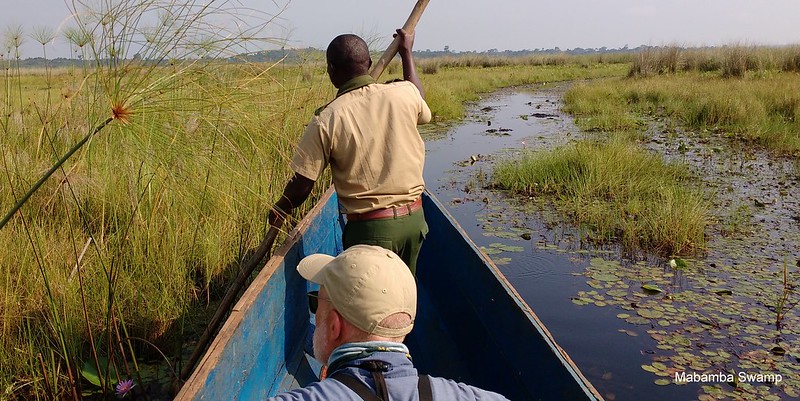
- Activities: Mokoro (dugout canoe) safaris, game drives, and walking safaris.
2. Lake Nakuru, Kenya
Located in the Rift Valley, Lake Nakuru National Park is famous for its spectacular flamingo populations that once numbered in the millions, turning the lake’s shores pink.
- Wildlife: Rhinos, giraffes, lions, and buffalo.
- Birding: Hundreds of thousands of lesser and greater flamingos, pelicans, cormorants, and fish eagles.
- Highlight: The lake’s alkaline waters support a rich fish population, attracting numerous birds.
3. Walvis Bay Lagoon, Namibia
The Walvis Bay Lagoon is a critical wetland estuary on Namibia’s Atlantic coast and a vital stopover for migratory birds along the East Atlantic Flyway.
- Birding: Greater and lesser flamingos, cormorants, pelicans, and the rare Damara tern.
- Wildlife: Seals, jackals, and occasionally dolphins.
- Best time to visit: Between November and April for peak bird activity.
4. Lake Malawi (Lake Nyasa), Malawi
Lake Malawi, Africa’s third-largest lake, is a biodiversity hotspot with unique freshwater fish species and important bird populations along its shores.
- Wildlife: Hippopotamus, crocodiles, and a variety of fish species.
- Birding: African fish eagle, kingfishers, herons, and malachite sunbirds.
- Activities: Boat trips, snorkeling, and lakeside birding walks.
5. The Sudd Wetlands, South Sudan
One of the largest freshwater wetlands in the world, the Sudd Wetlands is a vast swamp fed by the White Nile, providing an untouched wilderness teeming with wildlife.
- Wildlife: Nile crocodile, hippos, buffalo, and elephant.
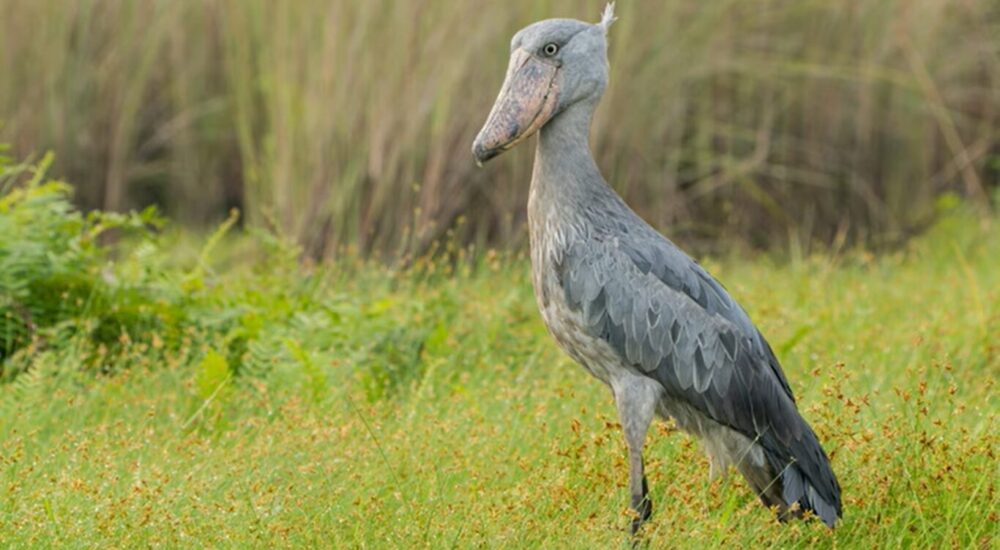
- Birding: Pelicans, storks, herons, and the rare shoebill stork.
- Access: Difficult but rewarding for intrepid travelers interested in remote birding.
6. The Niger Delta, Nigeria
The Niger Delta is one of Africa’s most important wetland ecosystems, supporting an incredible array of aquatic and terrestrial species.
- Wildlife: Manatees, monkeys, and forest elephants.
- Birding: Numerous waterfowl, kingfishers, and hornbills.
- Highlight: Mangrove forests and estuarine habitats.
7. Lake Victoria, East Africa
The largest tropical lake in the world, Lake Victoria spans Kenya, Uganda, and Tanzania. It sustains millions of people and diverse wildlife.
- Wildlife: Nile perch, hippopotamus, crocodiles.
- Birding: African jacana, papyrus gonolek, and fish eagles.
- Cultural importance: Numerous fishing communities and conservation efforts.
8. The Rufiji Delta, Tanzania
The Rufiji Delta is Tanzania’s largest delta system and a crucial wetland supporting a rich variety of species.
- Wildlife: Saltwater crocodiles, hippos, and monkeys.
- Birding: Flamingos, herons, egrets, and fish eagles.
- Activities: Boat safaris and village cultural tours.
9. The St. Lucia Estuary, South Africa
Part of the iSimangaliso Wetland Park, the St. Lucia Estuary is a Ramsar site and UNESCO World Heritage site known for its diverse ecosystems.
- Wildlife: Nile crocodiles, hippos, elephants, and buffalo.
- Birding: African fish eagle, flamingos, kingfishers, and pelicans.
- Highlights: Boat cruises and hippo spotting.
10. Lake Turkana, Kenya
Known as the “Jade Sea,” Lake Turkana is the world’s largest permanent desert lake and an important wetland habitat in a harsh environment.
- Wildlife: Nile crocodiles, fish species, and desert-adapted mammals.
- Birding: Flamingos, African fish eagle, and various waterfowl.
- Unique feature: Remote and less touristy, ideal for adventurous birders.
Bird Species You Can Spot in African Wetlands and Lakes
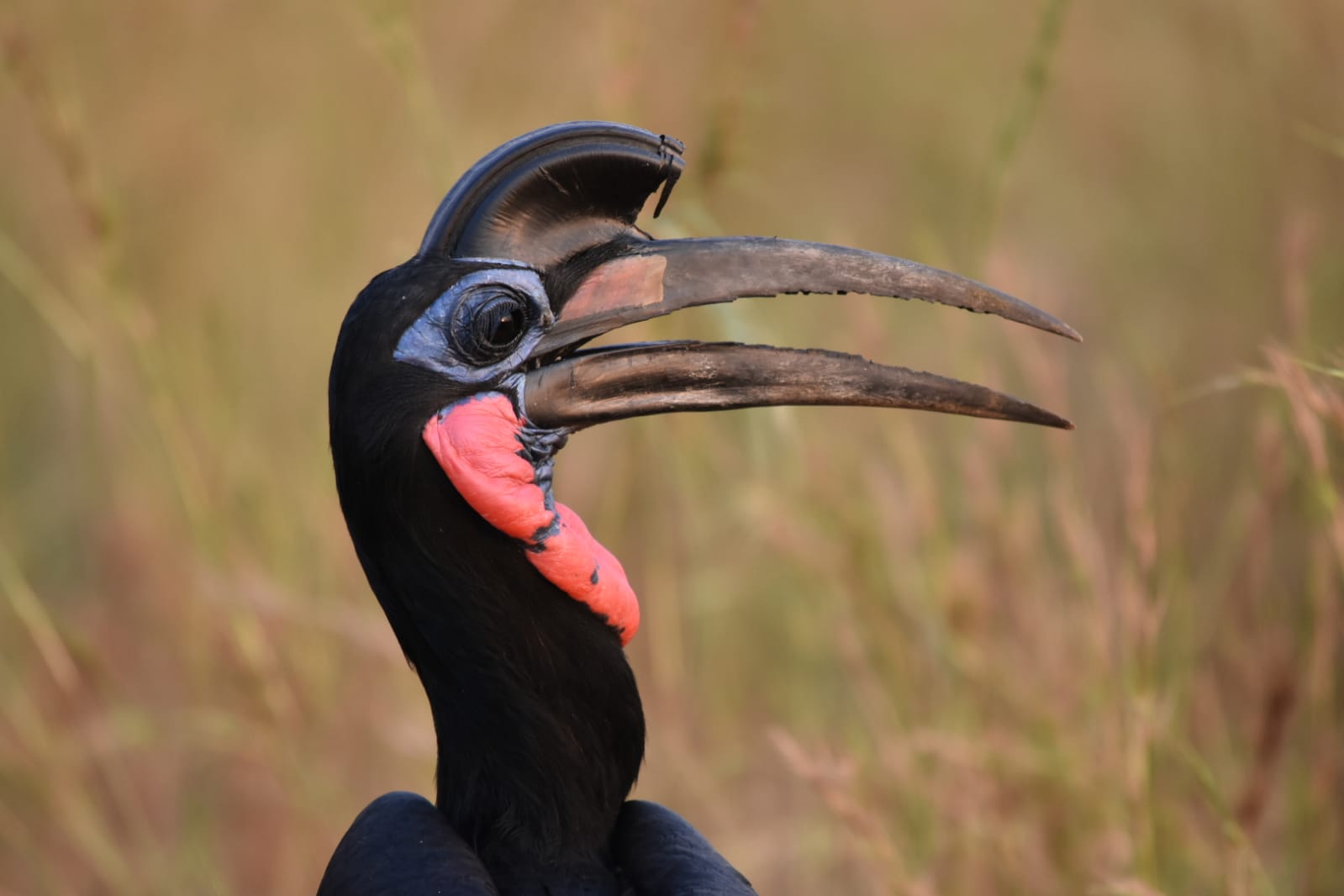
Africa’s wetlands and lakes host a dazzling variety of bird species. Some of the most iconic and sought-after birds for birders include:
- African Fish Eagle – Often seen soaring above lakes and rivers.
- Flamingos – Lesser and greater flamingos paint the skies pink at alkaline lakes.
- Shoebill Stork – A prehistoric-looking bird found in swampy wetlands like the Sudd.
- Pel’s Fishing Owl – A rare and elusive owl species found in the Okavango Delta.
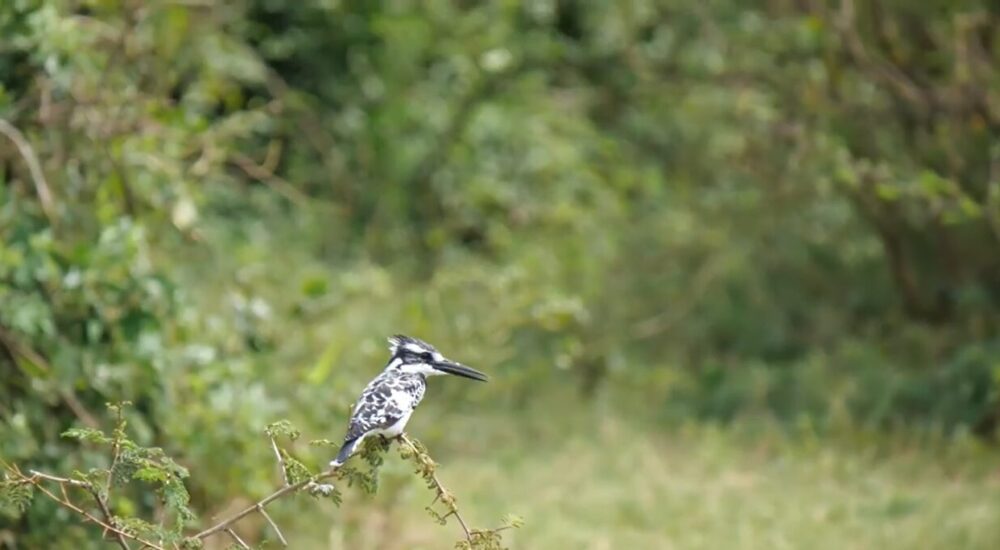
- Malachite Kingfisher – Small, vibrant birds that dart along waterways.
- Wattled Crane – A threatened species often found in wetlands of southern Africa.
- African Jacana – Known as the “lily trotter” for its ability to walk on floating vegetation.
When to Visit African Wetlands and Lakes for Optimal Wildlife Viewing
Timing your visit is crucial for the best wildlife and birding experience. The dry season generally offers better visibility of animals concentrating near water, while the wet season provides breeding activity and lush scenery.
- Best months: June to September (dry season) for most East and Southern African wetlands.
- Peak birding: Migratory species peak during the rainy season and early dry season.
- Avoid: Peak rains if you want to avoid difficult access.
Tips for a Successful African Wetlands and Birding Safari
- Bring binoculars and a good camera: Essential for birding and capturing wildlife.
- Hire local guides: Their knowledge is invaluable for spotting elusive species.
- Wear neutral colors: To blend with the environment and avoid disturbing wildlife.
- Respect the environment: Stick to designated paths and avoid disturbing animals.
- Prepare for mosquitoes: Use insect repellent and wear long sleeves.
Conservation Challenges and How You Can Help
African wetlands and lakes face threats from habitat loss, pollution, and climate change. By visiting responsibly, supporting conservation projects, and spreading awareness, travelers can contribute to preserving these vital ecosystems.
Related Posts