Gorilla Trekking Rwanda Travel Tips 2026 Planning a gorilla trekking safari is one of the…
Primate Trekking Experiences in Rwanda
Primate Trekking Experiences in Rwanda: Explore Gorillas, Monkeys, and Forest Adventures
Primate trekking experiences in Rwanda offer some of the most rewarding wildlife encounters in Africa. From tracking endangered mountain gorillas in mist-covered volcanoes to observing playful golden monkeys and diverse forest primates, Rwanda delivers unforgettable adventures for nature lovers, photographers, and conservation-minded travelers.
With excellent infrastructure, professional guiding standards, and strong conservation leadership, Rwanda has become a top destination for guided primate trekking safaris in Africa.
Why Choose Rwanda for Primate Trekking?
Rwanda is often called the land of a thousand hills, and its varied landscapes support a rich diversity of primates. The country’s small size allows travelers to experience multiple primate trekking adventures in a single itinerary.
Key reasons to choose primate trekking experiences in Rwanda:
-
Home to mountain gorillas, golden monkeys, chimpanzees, and colobus monkeys
-
Well-protected national parks
-
High trekking success rates
-
Easy access from Kigali
-
Strong commitment to conservation and community tourism
Top Primate Trekking Destinations in Rwanda
Volcanoes National Park – Gorilla and Golden Monkey Trekking
Volcanoes National Park is the crown jewel of primate trekking in Rwanda. Located in the northwest, this park is part of the Virunga Conservation Area and is famous for its volcanic scenery and mountain forests.
Primate experiences here include:
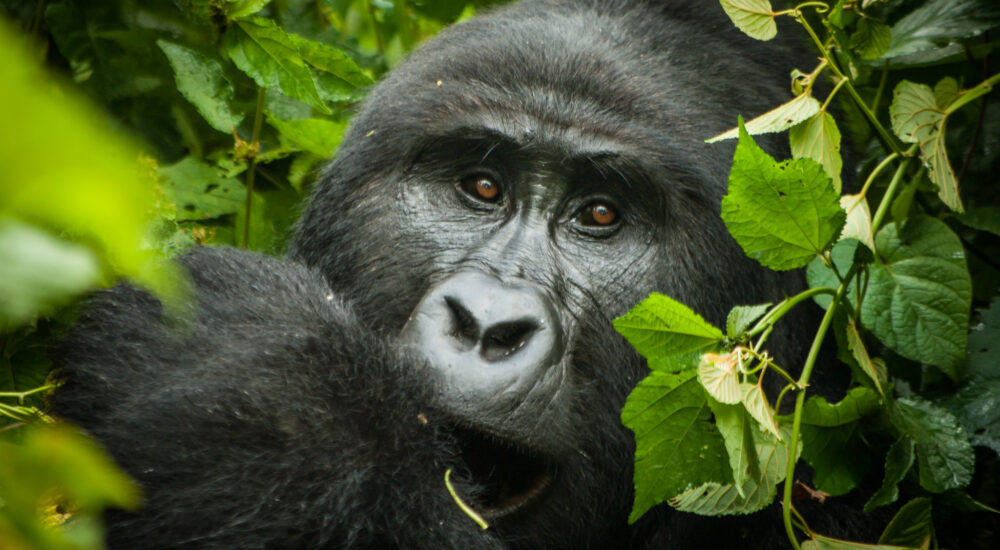
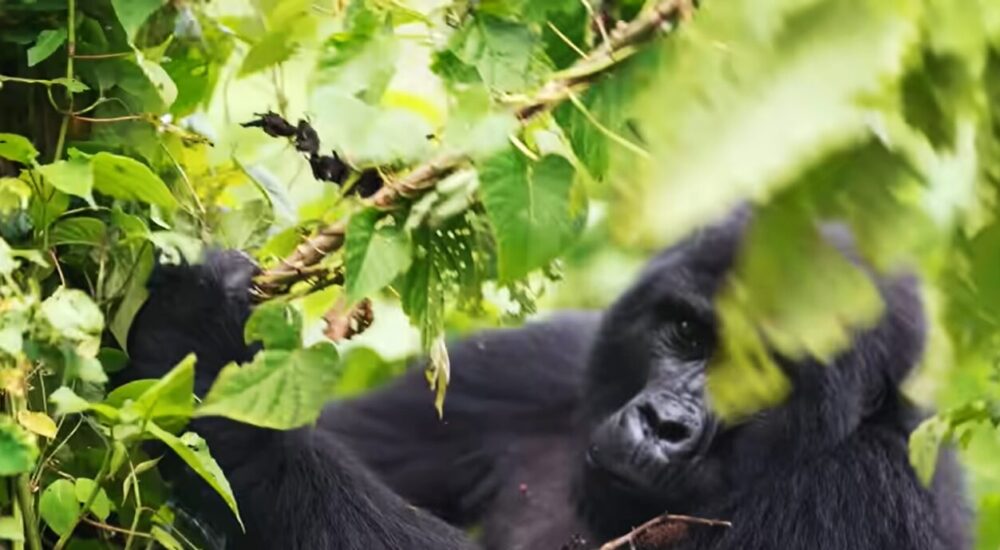
Mountain gorilla trekking is limited to small groups and offers a one-hour encounter with a habituated gorilla family. Golden monkey treks are more active and playful, ideal for photography and families.
Nyungwe Forest National Park – Chimpanzees and Colobus Monkeys
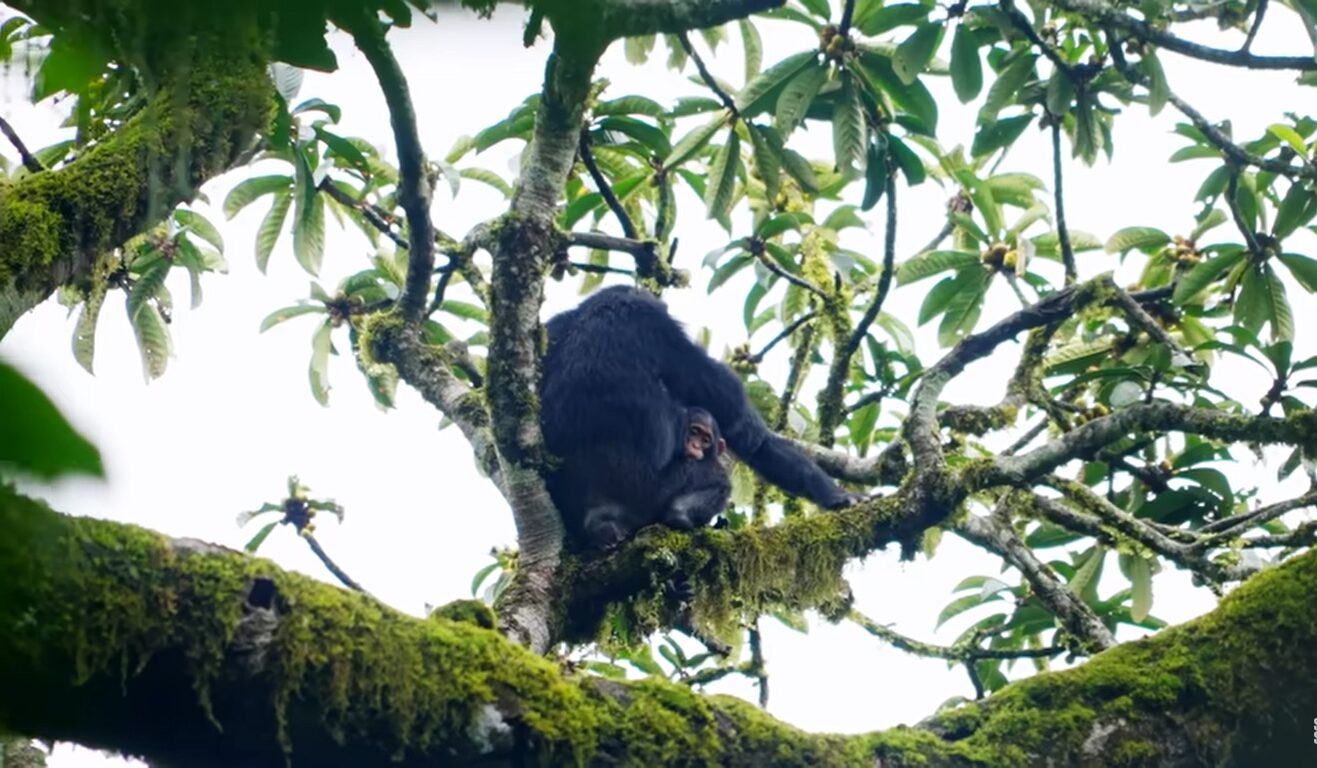
Nyungwe Forest National Park is Rwanda’s premier destination for chimpanzee trekking and forest primate experiences. This ancient rainforest is home to 13 primate species, making it one of Africa’s richest primate habitats.
Primate trekking highlights:
-
Chimpanzee trekking adventures
-
Colobus monkey tracking
-
Large troops of up to 300 monkeys
-
Canopy walk and birding opportunities
Nyungwe offers a more immersive rainforest trekking experience, perfect for adventurous travelers.
What Is a Primate Trekking Experience?
A primate trekking experience in Rwanda is a guided forest hike led by professional rangers and trackers. Treks vary in difficulty and duration depending on the primate species and terrain.
What to expect:
-
Early morning briefings
-
Small group sizes
-
Guided hikes through forests and mountains
-
Close but regulated primate encounters
-
Strict conservation and safety rules
Each primate species offers a unique experience, from the calm observation of gorillas to the energetic movement of chimpanzees and monkeys.
Mountain Gorilla Trekking in Rwanda
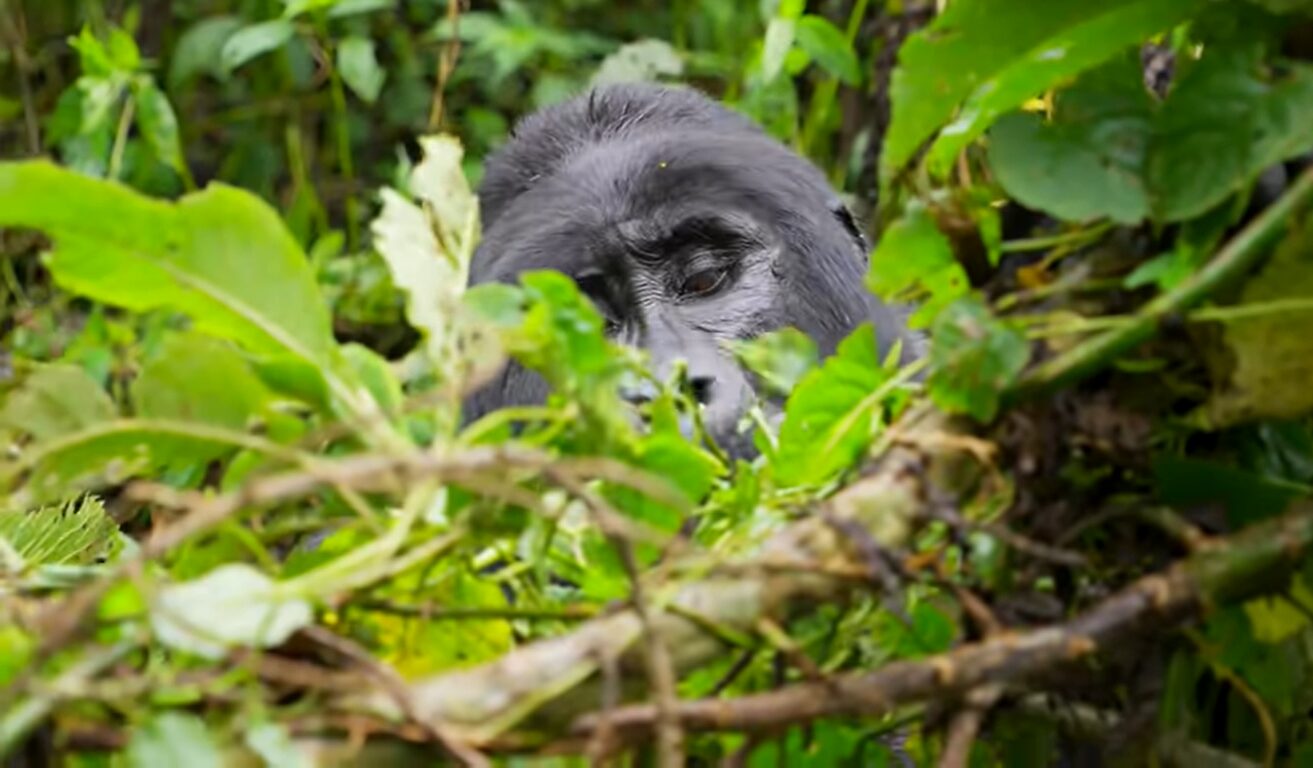
Mountain gorilla trekking is the most iconic of all primate trekking experiences in Rwanda. Treks take place in Volcanoes National Park and are carefully managed to protect gorillas.
Key details:
-
Maximum of 8 trekkers per gorilla family
-
USD 1,500 permit fee
-
One hour with gorillas
-
High success rate
The emotional impact of observing gorillas in the wild is unmatched.
Chimpanzee Trekking in Rwanda
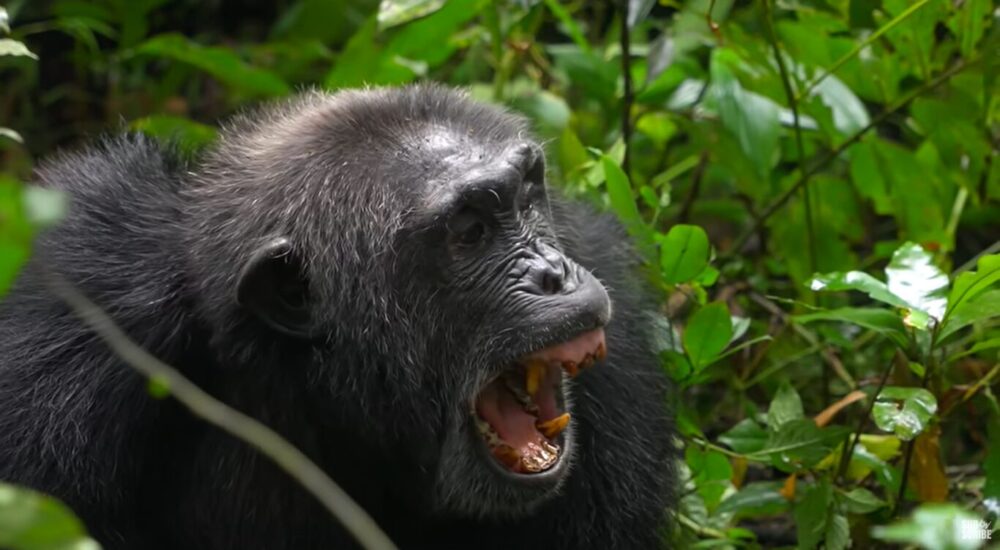
Chimpanzee trekking in Nyungwe Forest is more energetic and unpredictable than gorilla trekking. Chimpanzees move quickly through the forest, making the experience dynamic and exciting.
Expect:
-
Early starts
-
Steep and dense forest trails
-
Vocal, social chimpanzee behavior
-
Shorter viewing times than gorillas
Chimp trekking is ideal for travelers seeking active primate adventure safaris.
Golden Monkey Trekking Experience
Golden monkey trekking in Rwanda takes place in Volcanoes National Park. These colorful, playful primates live in bamboo forests and are easier to track than gorillas.
Why choose golden monkey trekking:
-
Lower permit cost
-
Shorter trekking time
-
Excellent photography opportunities
-
Perfect add-on to gorilla trekking
Best Time for Primate Trekking in Rwanda
Dry Seasons (Best Conditions)
-
June to September
-
December to February
Benefits:
-
Easier hiking trails
-
Better visibility
-
Comfortable weather
Wet Seasons
-
March to May
-
October to November
Advantages:
-
Fewer tourists
-
Lush forest scenery
-
Unique rainforest atmosphere
Primate trekking is available year-round in Rwanda.
What to Pack for Primate Trekking Experiences
Essential packing list:
-
Waterproof hiking boots
-
Long-sleeved shirts and trousers
-
Rain jacket
-
Insect repellent
-
Gardening or trekking gloves
-
Camera (no flash)
-
Refillable water bottle
Porters are available and encouraged to support local communities.
Health, Safety, and Responsible Tourism
Primate trekking in Rwanda follows strict health and safety protocols:
-
No trekking if ill
-
Maintain required distance
-
Masks may be required
-
Follow ranger instructions
These guidelines protect both visitors and primates, who share a high percentage of human DNA.
Conservation and Community Impact
All primate trekking experiences in Rwanda directly support:
-
Wildlife conservation
-
Anti-poaching patrols
-
Community development projects
-
Forest protection
Tourism revenue is shared with local communities, creating long-term incentives for conservation.
Why Primate Trekking in Rwanda Is Unique
Rwanda stands out for its ability to combine high-quality guiding, luxury eco-lodges, and strong conservation ethics. Travelers can enjoy world-class comfort while contributing to the protection of endangered species.
This balance makes Rwanda one of Africa’s leading primate trekking destinations.
Final Thoughts
Primate trekking experiences in Rwanda offer an extraordinary opportunity to connect with Africa’s most fascinating primates in their natural environment. Whether you’re tracking gorillas in volcanic forests, following chimpanzees through ancient rainforests, or watching golden monkeys leap through bamboo, Rwanda delivers unforgettable encounters rooted in conservation and sustainability.
Related Posts