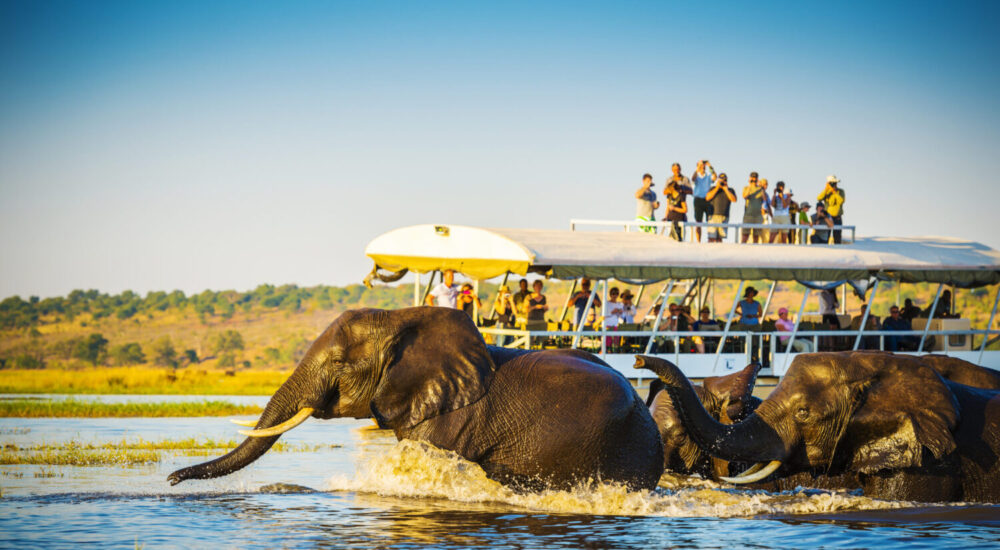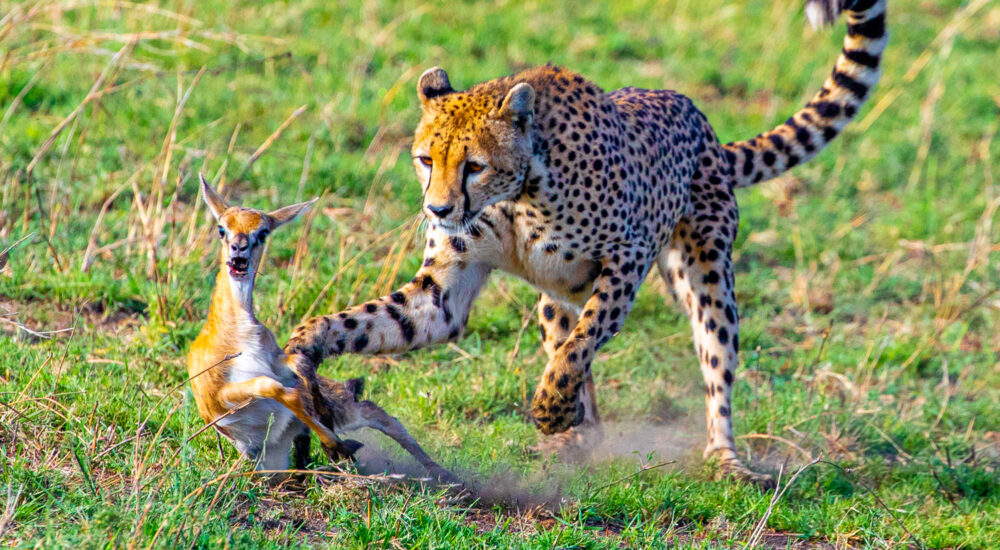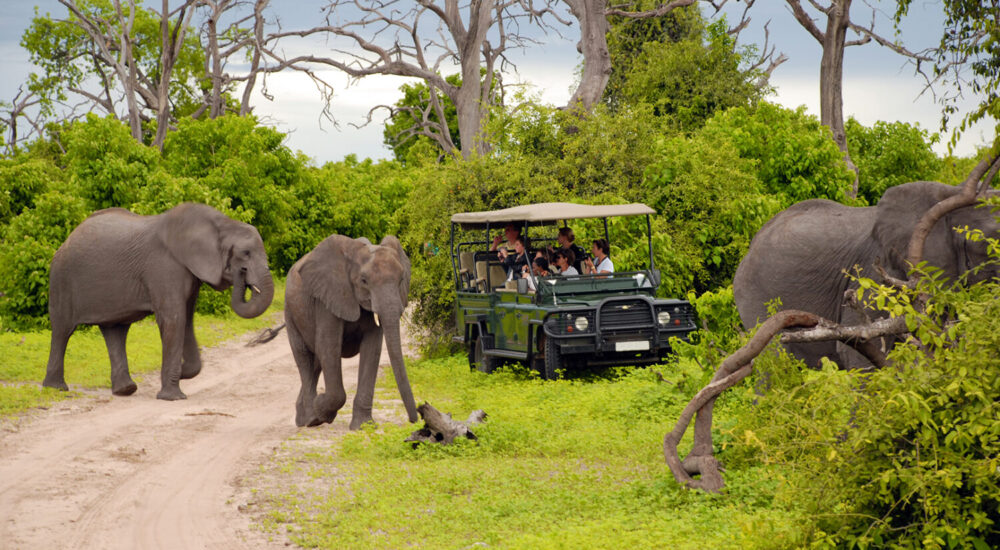
African Safari River Adventures and Boat Safaris African safaris are often associated with thrilling…
Is Gorilla Trekking Safe?
Is Gorilla Trekking Safe?
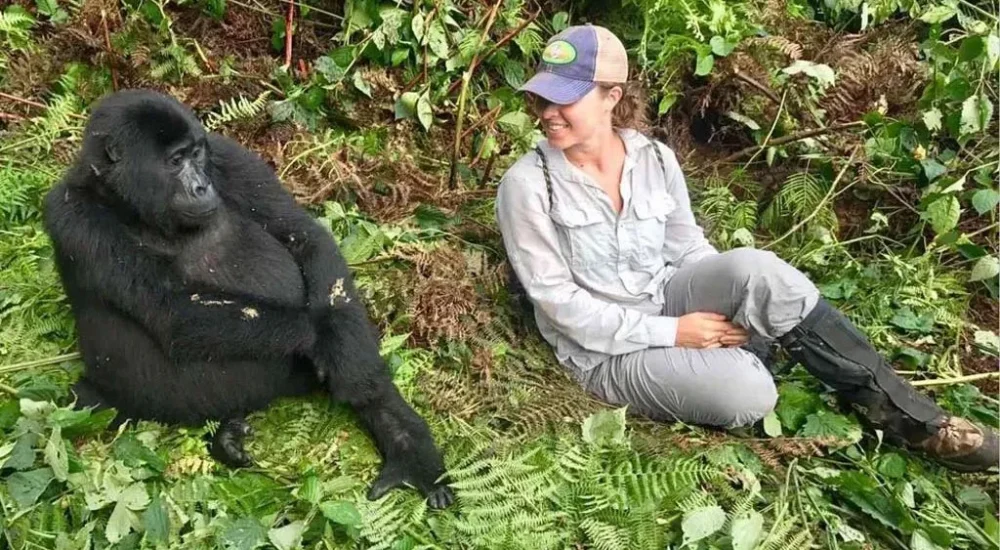
Gorilla trekking is a safe activity if you adhere to a few simple rules and listen to your guide. It is an incredible experience that we highly recommend, especially since it is very safe. Despite their large size and strength, mountain gorillas are gentle giants with no desire to harm humans. The funds generated from gorilla trekking contribute significantly to the economies of Uganda, Rwanda, and the Democratic Republic of the Congo. A gorilla permit costs $400 in Congo, $800 in Uganda, and $1500 in Rwanda.
Every day, nearly 200 individuals monitor mountain gorillas across these nations. For underdeveloped countries, the total amount generated is substantial. These countries are committed to great efforts to protect the gorillas and ensure the safety of visitors, as gorilla tourism is a crucial source of foreign income. To achieve this, various conservation programs have been implemented to protect the gorillas using funds from tourists. Most national parks employ armed rangers to watch for poachers, and the military is also deployed to eliminate rebel groups taking refuge in the parks. Additionally, army border patrols assist in monitoring any security concerns that may affect the safety of tourists.
Is Gorilla Trekking Safe?
Regarding safety and security at gorilla trekking destinations, it is important to mention that the people of Uganda, Rwanda, and the Congo are incredibly warm, courteous, and welcoming to international tourists. Uganda and Rwanda are generally calm and safe, but, as in any country, caution should be exercised when visiting major cities, as pickpocketing can be a concern.
While Uganda’s tourist industry was affected by the Kony insurgency in the northern regions about a decade ago, peace has now been fully restored, and the militants have been driven out.
Is Gorilla Trekking Safe in Congo’s Virunga National Park?
Certain areas in the Democratic Republic of the Congo remain insecure. However, it is important to note that the country is vast, and unrest in the capital and some outlying districts does not usually spread nationwide. Virunga National Park in Congo is a safe location for visitors engaging in gorilla trekking. It is one of Africa’s best-managed parks, home to one of the most beautiful lodges in East and Central Africa. The park’s administration, including both local and international staff, is focused on safeguarding visitors’ safety.
The park has armed guards and wardens to monitor poachers and other armed groups. A significant detachment of UN soldiers stationed in the nearby town of Goma further enhances security. Visitors to Virunga National Park should expect to see more armed personnel than usual, but rest assured that their presence ensures your safety.
Is Gorilla Trekking Safe in Uganda?
Gorilla trekking in Uganda takes place in Bwindi Impenetrable National Park and Mgahinga Gorilla National Park. Uganda is home to the largest population of mountain gorillas, which can be found in both parks. Uganda is also a more affordable option for gorilla trekking compared to Rwanda. There have been no security incidents in these parks for over 20 years. The government maintains a military presence in the parks, with armed rangers and tourist police on standby.
The Uganda Peoples Defense Forces (UPDF) conduct secret border patrols to ensure no rebels from neighboring countries seek refuge in the parks. Local communities near the parks are actively involved in security efforts and are quick to report any suspicious activity that could threaten visitors.
Is Gorilla Trekking in Rwanda Safe?
Rwanda is considered one of the safest countries in the world. In fact, the likelihood of being robbed or stolen from in Rwanda may be lower than in many other nations. The country has strict security measures, and police are visible throughout the country. Rwanda’s national parks, including Volcanoes National Park, have a strong security presence, and there are very few incidents of poaching. Rebel groups from neighboring countries are unlikely to pose any threat due to the high military and police presence in the area.
Why Gorilla Trekking is Safe?
Here are some reasons why we believe gorilla trekking is a safe experience for everyone:
-
Mountain Gorillas are Calm and Peaceful: Despite their size and strength, mountain gorillas are gentle creatures, often referred to as “gentle giants of the forest.” The gorillas you will encounter on a trek have been habituated to human presence over a two-year process. While it’s important to follow guidelines during your trek, gorillas are not aggressive animals and will not approach humans unless they feel threatened.
-
Gorilla Families are Habituated: The gorilla families you meet during the trek have become accustomed to human presence. This long process of habituation reduces the chances of gorillas feeling intimidated or aggressive.
-
Trained Guides Accompany Visitors: Every gorilla trek is led by a certified guide who is knowledgeable about the specific gorilla group and the behavior to expect. It is essential to follow your guide’s instructions and remain with the group during the trek. For example, it is prohibited to poke or approach a silverback gorilla.
Gorilla Trekking for Elderly People
Gorilla trekking in the forest involves walking through mountainous terrain to find the gorillas. The length and difficulty of the trek vary depending on factors such as the park, weather, and the specific gorilla troop you are assigned to. Visitors who are less fit may request a shorter trek, and hikes can last anywhere from 30 minutes to 3 hours.
Elderly visitors will be allocated to the closest gorilla families, and they may also hire a porter to assist with the trek. It is important to be in good physical condition, as trekking may require walking on uneven trails.
Tips and Regulations for Gorilla Trekking Safety
-
Age Requirement: You must be at least 15 years old to participate in gorilla trekking. This age limit is in place to prevent the transmission of diseases such as flu, colds, and chickenpox that can affect gorillas.
-
Health Requirements: You must have a yellow fever vaccination to enter Uganda, Rwanda, or Congo. Tourists may also need a visa for these countries. If you are sick or suspect you may have a contagious illness, it is best to stay behind, as human diseases such as coughs and diarrhea can easily spread to gorillas.
-
Guidelines to Follow: Always follow the instructions of your guide. Keep noise to a minimum, as loud sounds can startle the gorillas. Avoid sudden movements or actions that might scare them. Do not leave trash in the park, and always dispose of waste properly to prevent contamination.
-
Distance from Gorillas: Maintain a safe distance of at least 15 feet from the gorillas to reduce the risk of transmitting infections. If a gorilla approaches you, slowly step back or remain still.
-
Photography: Do not use flash photography as it can disturb the gorillas. Follow your guide’s instructions on when it is safe to take pictures.
-
Avoid Eye Contact: Do not make direct eye contact with the gorillas, as they may interpret this as a threat. Your body language should be calm and non-threatening.
In conclusion, gorilla trekking is a safe and enriching experience for those aged 15 and above. We encourage you to book a tour with a reputable operator, such as Monumental Expeditions and Safaris, and embark on this unforgettable adventure with your loved ones.
Related Posts