Best African Primate Safaris for USA Wildlife Lovers Introduction For travelers from the United States…

How Much Does an African Safari Cost from the USA in 2026?
How Much Does an African Safari Cost from the USA in 2026?
Planning an African safari from the United States in 2026 requires a clear understanding of costs, travel logistics, and destination choices. The total price of a safari varies widely depending on destination, level of luxury, travel season, and included experiences such as gorilla trekking, Big Five safaris, or Great Migration tours. This guide breaks down every cost component to help travelers from the USA budget accurately and choose the right safari package with Monumental Expeditions and Safaris.
Understanding the Total Cost of an African Safari from the USA
The cost of an African safari is not a single fixed figure. It is a combination of international flights, in-country logistics, park fees, accommodation, and guided experiences. In 2026, a well-planned safari from the USA typically ranges between $3,500 to $15,000+ per person, depending on the level of comfort and destinations chosen.
A midrange safari combining Uganda gorilla trekking and wildlife viewing will generally cost between $5,500 and $8,500 per person, while luxury safaris in destinations like Rwanda, Kenya, or Tanzania can exceed $12,000 per person.
Travelers should approach safari budgeting in layers rather than a single package price, ensuring every element is accounted for before booking.

International Flights from the USA to Africa
Flights represent one of the largest cost components when traveling from the United States. In 2026, round-trip airfare from major US cities such as New York, Los Angeles, or Chicago to East Africa ranges between $900 and $2,000, depending on season and airline.
Premium economy and business class tickets can range from $2,500 to $6,500, significantly impacting the total safari budget. Popular routes include flights to Entebbe (Uganda), Kigali (Rwanda), Nairobi (Kenya), and Kilimanjaro (Tanzania).
Booking flights at least 3–6 months in advance often results in better fares. Travelers planning peak-season safaris between June and September should secure flights early due to high demand.
Safari Package Costs in Africa
Once in Africa, the safari package covers accommodation, transport, guides, meals, and activities. For travelers booking through Monumental Expeditions and safaris, packages are typically tailored based on preferences and travel style.
A midrange safari in Uganda or Rwanda costs approximately $300 to $500 per person per day. Luxury safaris range between $700 and $1,500 per person per day, depending on lodge exclusivity and included services.
For example, a 7-day Uganda gorilla trekking safari combined with wildlife in Queen Elizabeth National Park may cost around $4,500 to $6,500 excluding flights. A similar luxury version in Rwanda can exceed $10,000 due to higher permit and accommodation costs.
Gorilla Trekking Permit Costs in 2026
One of the most significant costs for travelers interested in primate experiences is the gorilla permit. In 2026, the pricing remains a major factor in safari budgeting.
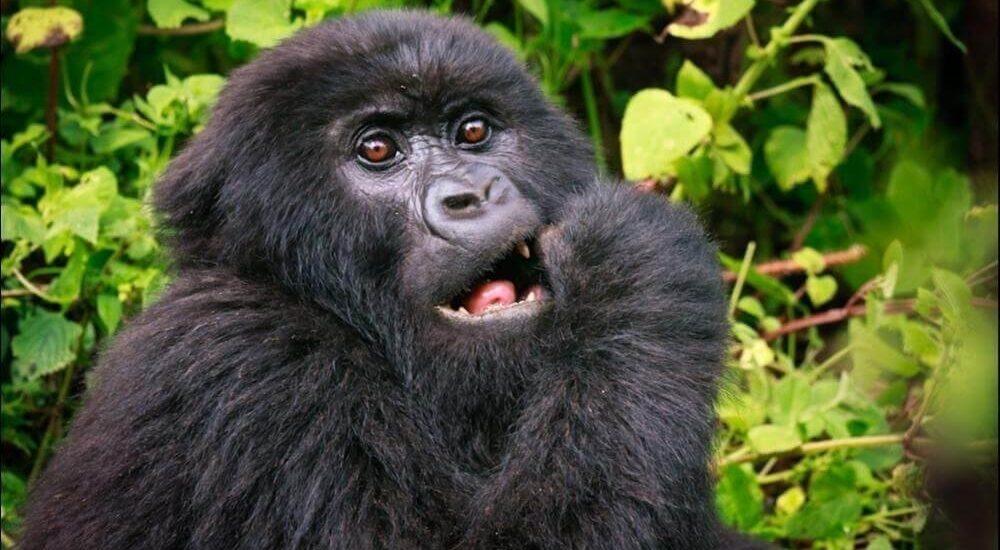
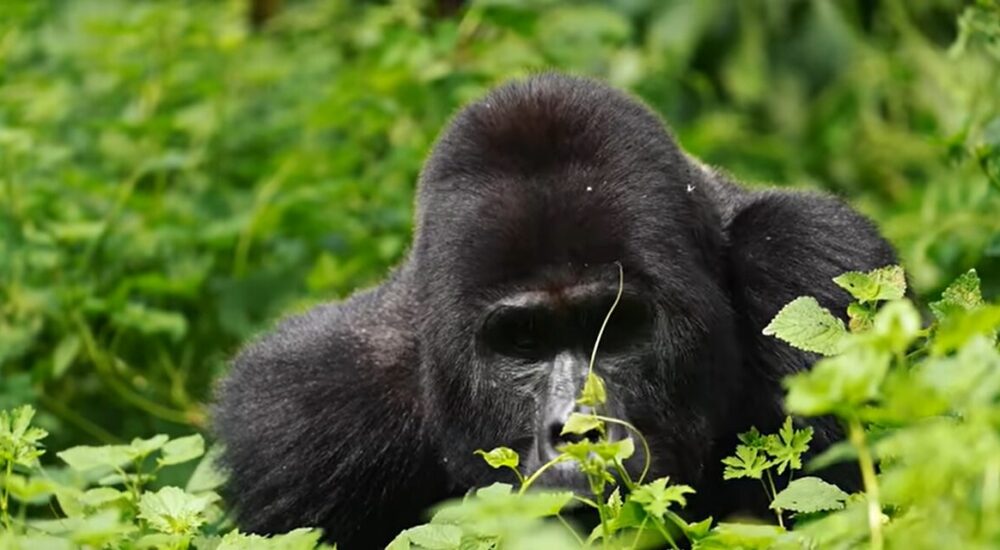
Uganda gorilla trekking permits cost $800 per person, making it one of the most affordable options for viewing mountain gorillas. Rwanda permits cost $1,500 per person, offering a shorter travel time from Kigali and more premium trekking experiences.
For travelers seeking a deeper experience, Uganda offers a gorilla habituation experience at $1,500 per person, allowing up to four hours with a gorilla family instead of the standard one hour.
These permits are issued by Uganda Wildlife Authority and Rwanda Development Board, and they must be booked well in advance, especially during peak travel months.
Accommodation Costs Across Safari Destinations
Accommodation plays a major role in determining safari costs. In East Africa, lodges are categorized into midrange and luxury, with each offering unique experiences.
Midrange lodges typically cost between $150 and $350 per night per person, offering comfortable rooms, good meals, and guided activities. Luxury lodges range from $500 to over $1,500 per night, featuring private villas, premium service, and exclusive wildlife access.
In Uganda, properties such as Nkuringo Gorilla Lodge or Nile Safari Lodge offer excellent midrange to luxury experiences. In Rwanda, high-end options like Bisate Lodge significantly increase overall trip costs but provide unmatched comfort and conservation-focused stays.
Park Fees and Conservation Charges
National park entry fees are an essential component of safari costs and contribute directly to conservation efforts. In Uganda, park fees range between $40 and $70 per day, while Rwanda charges approximately $100 per day for parks like Volcanoes National Park.
These fees are often included in safari packages booked through operators like Monumental Expeditions and Safaris, ensuring seamless access to protected areas without additional on-ground payments.
Transportation and Internal Transfers
Safari transportation includes airport transfers, 4×4 safari vehicles, and sometimes domestic flights. Road transfers are common in Uganda and Rwanda, while destinations like Kenya and Tanzania often incorporate internal flights to reduce travel time.
Private safari vehicles with professional driver-guides cost approximately $150 to $300 per day. Domestic flights within Africa range from $200 to $600 per person depending on route and distance.
For travelers entering via Kigali and trekking in Bwindi, the shorter Kigali to Bwindi route significantly reduces travel time compared to starting in Entebbe.
Food, Drinks, and Additional Expenses
Most safari packages include full-board meals, meaning breakfast, lunch, and dinner are covered. However, travelers should budget for premium drinks, tips, and personal expenses.
Tipping is customary on safari, with recommended amounts ranging between $10 and $20 per day for guides and lodge staff. Additional costs may include souvenirs, optional activities, and travel insurance.
Travel insurance is highly recommended and typically costs between $100 and $300 depending on coverage.
Best Time to Travel and Its Impact on Cost
The timing of your safari greatly influences overall costs. Peak season, which runs from June to September and December to February, sees the highest prices due to favorable weather and wildlife visibility.
Low season months such as March to May and November offer discounted lodge rates and fewer crowds. Travelers can save up to 20–30% by choosing these periods while still enjoying excellent wildlife experiences.
For gorilla trekking, both dry and wet seasons are viable, although trails can be more challenging during rainy months.
Choosing the Right Destination for Your Budget
East Africa remains the most popular region for safaris due to its diversity and accessibility. Uganda offers the best value for gorilla trekking safaris, while Rwanda caters to luxury travelers seeking shorter travel times and high-end lodges.
Kenya and Tanzania are ideal for classic wildlife safaris, especially during the Great Migration. Combining destinations increases overall costs but delivers a richer and more diverse experience.
Travelers should align their budget with their priorities, whether it is primate encounters, Big Five safaris, or a mix of both.
Why Book with Monumental Expeditions and Safaris
Booking through an experienced operator such as Monumental Expeditions and Safaris ensures a well-coordinated safari experience from arrival to departure. The team specializes in tailor-made itineraries for US travelers, offering expert guidance on permits, accommodations, and logistics.
By booking through Monumental Expeditions and Safaris, travelers benefit from local expertise, competitive pricing, and seamless planning. The company also handles gorilla permit reservations, which are often difficult to secure independently.
Internal Planning Tips for USA Travelers
Travelers from the United States should plan their safari at least 4–6 months in advance, especially for peak seasons. Booking early ensures availability of permits, lodges, and flights.
Visa requirements vary by country, with Uganda and Rwanda offering straightforward online visa applications. Vaccinations such as yellow fever are mandatory for entry into most East African countries.
It is also important to consider packing essentials, including hiking boots, rain jackets, and neutral-colored clothing for wildlife viewing.
Plan Your Safari
An African safari from the USA in 2026 is a significant investment, but one that delivers unmatched value through wildlife encounters, cultural experiences, and conservation impact. Whether you are planning a gorilla trekking safari in Uganda, a luxury Rwanda experience, or a multi-country adventure, understanding the cost structure allows you to plan confidently.
Let us help you design a seamless and rewarding safari tailored to your budget and travel goals. Contact Monumental Expeditions and Safaris today and start planning your journey to Africa.
Related Posts