African Safari River Adventures and Boat Safaris African safaris are often associated with thrilling…
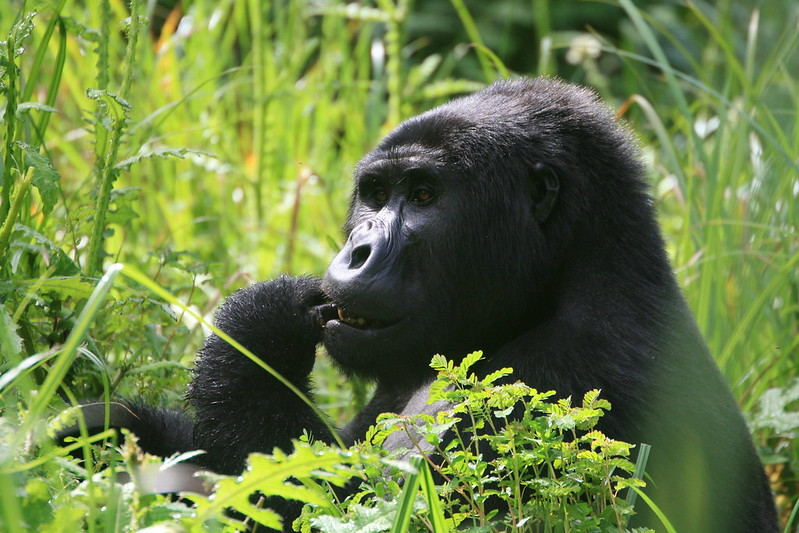
How many tourists visit gorillas each day? | Gorilla safaris
How Many Tourists Visit Gorillas Each Day? Understanding Gorilla Trekking Numbers and Conservation
Gorilla trekking in Africa is one of the most sought-after wildlife experiences in the world. From Uganda’s Bwindi Impenetrable Forest to Rwanda’s Volcanoes National Park, tourists flock to see mountain gorillas in their natural habitat. But a common question among travelers is: how many tourists visit gorillas each day?
Understanding the numbers not only informs your planning but also highlights how tourism is carefully managed to protect these endangered animals. In this article, we explore the daily visitor limits, how trekking is organized, the reasons behind these restrictions, and the role of tourism in gorilla conservation. For guided treks and detailed planning, visit Monumental Expeditions and Safaris.
Why Visitor Numbers Are Limited
Mountain gorillas are endangered species. There are fewer than 1,200 mountain gorillas left in the wild, spread across Uganda, Rwanda, and the Democratic Republic of Congo. Limiting daily visitor numbers is crucial for several reasons:
-
Reduce Stress on Gorillas
-
Gorillas are sensitive to human presence. Too many visitors can cause stress, disrupt feeding patterns, and alter natural behaviors.
-
-
Prevent Disease Transmission
-
Gorillas are vulnerable to human-borne illnesses, including respiratory infections. Limiting visitors helps protect their health.
-
-
Ensure Quality Experiences
-
Smaller groups provide a more intimate, educational, and safer trekking experience.
-
-
Conservation Management
-
By regulating the number of tourists, park authorities can better manage habitats and anti-poaching patrols.
-
Daily Visitor Limits
Across gorilla trekking destinations, strict limits are enforced. The numbers vary slightly by park and country:
1. Uganda – Bwindi Impenetrable Forest
-
Each gorilla group allows up to 8 tourists per day.
-
Multiple gorilla families can be visited, but overall visitor numbers are capped to protect the forest and gorillas.
2. Rwanda – Volcanoes National Park
-
Similar to Uganda, 8 tourists per gorilla family per day.
-
Trekking permits are limited to prevent overcrowding and preserve the gorilla experience.
3. Democratic Republic of Congo – Virunga National Park
-
Virunga also allows 8 visitors per gorilla group daily.
-
Park authorities maintain strict regulations to ensure minimal disturbance to the gorillas.
These limits ensure that, regardless of the park, visitors enjoy a safe and respectful encounter with gorillas while minimizing ecological impact.
How Gorilla Treks Are Organized
The trekking experience is carefully structured to balance tourism and conservation:
-
Permit System
-
Visitors purchase a gorilla trekking permit, which limits access to one specific gorilla group.
-
Permits are in high demand, and advance booking is highly recommended.
-
-
Guided Treks
-
Each group is accompanied by a licensed guide and trackers who locate the gorillas, ensure safety, and interpret behavior.
-
-
Group Size
-
Typically, up to 8 people per group, sometimes fewer for private tours.
-
Guides enforce a minimum distance of 7 meters (23 feet) from gorillas to prevent stress and disease transmission.
-
-
Time Limits
-
Visitors spend up to 1 hour with the gorillas.
-
This ensures minimal disturbance while allowing enough time for observation, photography, and learning.
-
Annual Tourism Numbers
While daily limits are strict, gorilla trekking tourism is significant globally:
-
Uganda: Around 10,000–12,000 gorilla trekking permits are issued annually.
-
Rwanda: Approximately 12,000–15,000 permits are sold each year.
-
DRC: Visitor numbers are lower due to security concerns, but conservation efforts continue to increase access safely.
This controlled approach balances tourism revenue with conservation priorities, ensuring long-term sustainability.
How Tourism Supports Gorilla Conservation
Tourism revenue is essential for gorilla protection and habitat management:
-
Funding Anti-Poaching Patrols
-
Trekking fees help pay rangers who monitor forests, prevent poaching, and protect gorilla families.
-
-
Habitat Preservation
-
Permit fees contribute to forest conservation, including trail maintenance and reforestation programs.
-
-
Community Development
-
Local communities benefit from tourism through jobs, eco-lodges, and craft markets, fostering positive attitudes toward conservation.
-
-
Research and Veterinary Care
-
Funds support gorilla health monitoring, disease prevention, and emergency veterinary interventions.
-
By visiting responsibly and purchasing a permit, tourists become active contributors to gorilla conservation and community development.
For more details on how tourism helps protect gorillas, visit Monumental Expeditions and safaris.
Tips for Tourists
To make the most of your gorilla trekking experience while respecting limits:
-
Book Permits Early
-
Trekking permits are limited and sell out months in advance.
-
-
Respect Group Sizes
-
Stick to your assigned group to minimize disruption.
-
-
Follow Guide Instructions
-
Maintain distance, avoid flash photography, and stay calm around gorillas.
-
-
Support Responsible Tourism
-
Choose licensed operators like Monumental Expeditions and safaris to ensure your visit benefits conservation.
-
-
Be Patient and Flexible
-
Gorillas move through dense forest terrain, so trekking can vary in duration and difficulty.
-
Why Small Daily Visitor Numbers Matter
Limiting visitors to 8 per group per day has a profound impact:
-
Reduces Gorilla Stress: Smaller groups mean less disruption to feeding, resting, and social behaviors.
-
Improves Safety: Guides can manage small groups more effectively, reducing the risk of accidents.
-
Enhances Visitor Experience: Tourists enjoy a more personal and educational encounter with gorillas.
-
Promotes Sustainability: Balances tourism revenue with ecological preservation, ensuring gorilla habitats remain intact for future generations.
Fun Facts About Gorilla Tourism
-
Some gorilla families have become famous, like Mubare and Sabyinyo in Uganda or Amahoro in Rwanda.
-
Each gorilla group’s daily visitor limit is strictly enforced, sometimes with rangers turning away additional tourists to protect the animals.
-
Trekking permits are among the most expensive wildlife permits in Africa, but the revenue is critical for conservation.
Conclusion
So, how many tourists visit gorillas each day? The answer is carefully controlled: up to 8 visitors per gorilla family per day, depending on the park and country. These limits ensure gorillas experience minimal stress, maintain natural behaviors, and are protected from disease.
By regulating visitor numbers and implementing a permit system, authorities balance tourism with conservation, allowing thousands of people annually to witness gorillas safely while supporting habitat preservation, anti-poaching efforts, and community development.
When planning your gorilla trekking adventure, secure your permit early and choose a responsible operator like Monumental Expeditions and Safaris to ensure a safe, sustainable, and unforgettable experience.
Related Posts