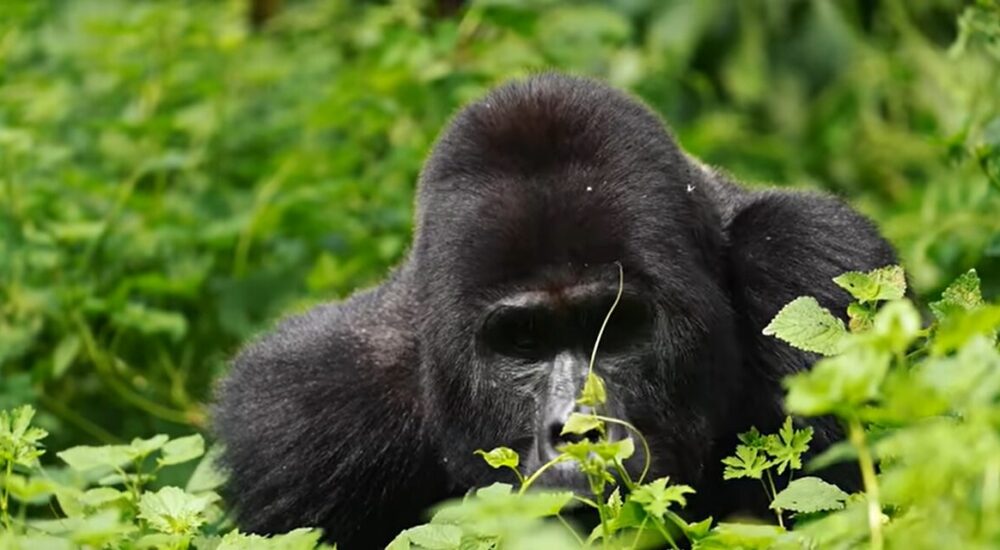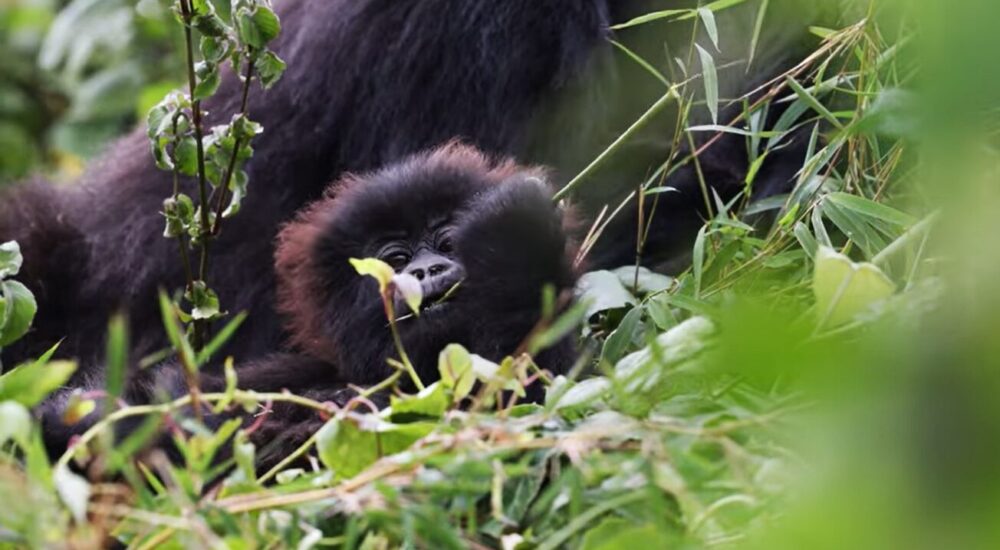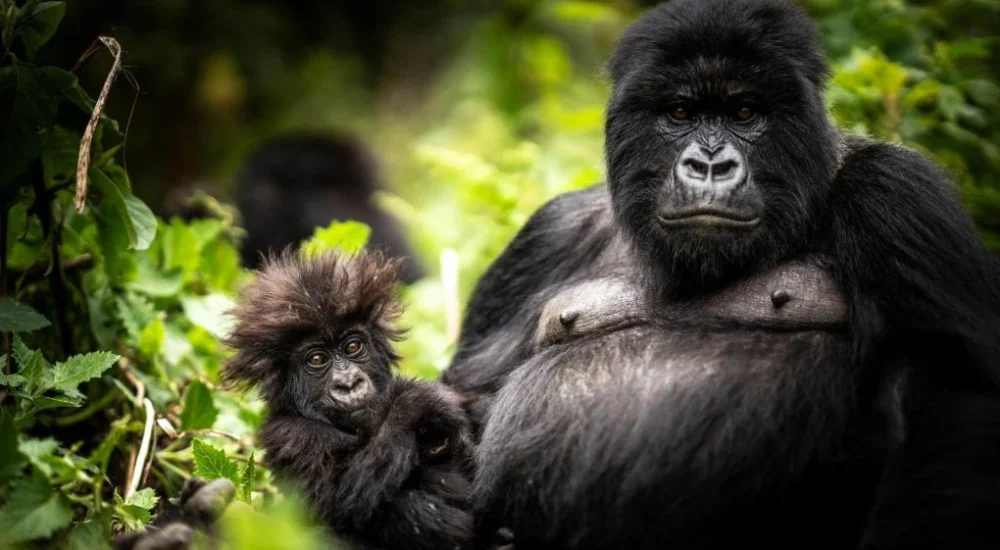
How to Travel from Dubai to See Mountain Gorillas Overview Traveling from the UAE to…
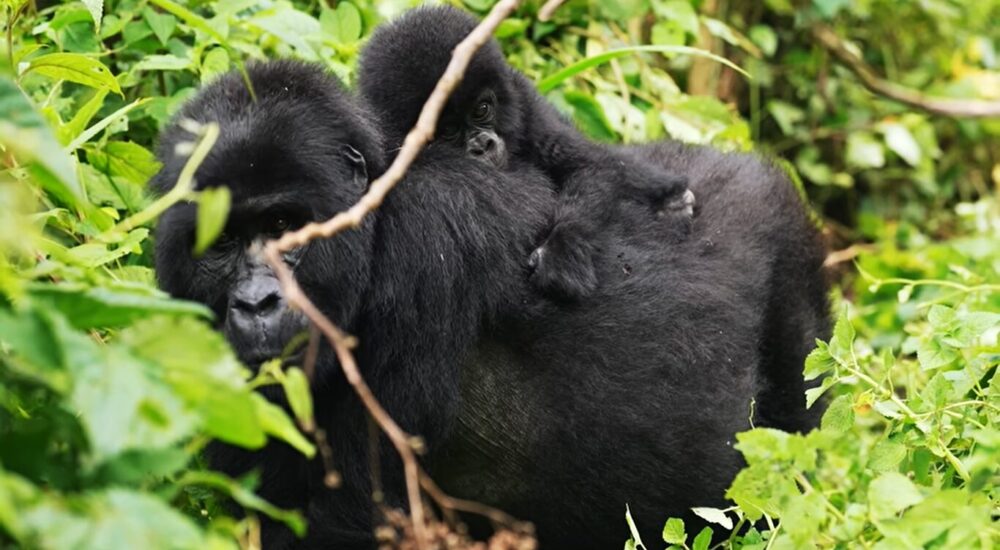
How long are gorillas pregnant? | Trekking des gorilles
How Long Are Gorillas Pregnant?
Gorillas are among the most fascinating and intelligent animals on Earth. As the largest of the great apes, they share about 98% of their DNA with humans, making their biology and life cycles particularly interesting to scientists and wildlife lovers alike. One of the most frequently asked questions about these majestic creatures is: How long are gorillas pregnant? In this detailed blog post, we’ll explore everything you need to know about gorilla pregnancy — from gestation periods to behavior changes, and why understanding this natural phenomenon enhances your gorilla trekking experience with companies like Monumental Expeditions and Safaris.
1. Introduction to Gorilla Reproduction
Gorillas live in stable social groups, typically led by a dominant silverback male. These groups consist of several females and their offspring. Female gorillas reach sexual maturity between the ages of 8 to 12 years, while males mature later, around 12 to 15 years.
The reproductive cycle of gorillas is slow compared to many other mammals — a characteristic that underscores the importance of conservation efforts. With long intervals between births and extended parental care, every gorilla infant represents a significant investment of time and energy.
One of the most remarkable periods in this cycle is the gestation period, which is the time from conception to birth. So let’s dive into the specifics.
2. Gorilla Gestation Period: How Long Are Gorillas Pregnant?
The average gestation period for a gorilla is approximately 8.5 months, which is about 257 days — very similar to that of humans. This means gorillas carry their young for nearly three-quarters of a year before giving birth.
Why Is the Gorilla Pregnancy So Long?
-
Brain Development: Gorillas give birth to highly developed infants. Their brains and bodies need time to grow sufficiently before birth, and the relatively long gestation supports this advanced development.
-
Survival Advantage: Longer pregnancies often correlate with greater survival rates among newborns because they arrive at the world stronger and more developed.
-
Evolutionary Strategy: Gorillas, like humans and other great apes, have invested heavily in fewer offspring with higher survival chances, leading to longer gestational periods.
3. The Stages of Gorilla Pregnancy
While gorillas don’t have clearly defined trimesters like humans, scientists recognize three broad stages in gorilla pregnancy:
a. Early Pregnancy (Weeks 1–10)
In the initial weeks following conception, hormonal changes occur to support embryo development. Female gorillas may show little outward sign of pregnancy during this stage.
b. Mid-Pregnancy (Weeks 11–25)
During this period, physical changes become more noticeable. The expectant mother gains weight, and her abdomen begins to expand. Behavioral shifts — such as increased resting and reduced activity — may also be observed.
c. Late Pregnancy (Weeks 26–36)
In the final months of pregnancy, the gorilla’s belly grows substantially. She becomes more cautious and may spend increasing amounts of time foraging and resting to conserve energy for the upcoming birth.
4. Behavioral Changes During Pregnancy
Gorilla pregnancy brings about several behavioral changes that are helpful signs for researchers and guides on gorilla trekking tours, such as those offered by Monumental Expeditions and Safaris. These changes include:
-
Increased Food Intake: Pregnant females eat more to support the growing fetus.
-
Reduced Social Interaction: Expectant mothers may avoid unnecessary movement or aggressive behaviors.
-
More Resting Periods: As the pregnancy progresses, females rest more often to conserve energy.
Experienced trackers can sometimes predict the stage of pregnancy based on these cues.
5. Birth and Infant Gorilla Care
A gorilla baby is typically born weighing about 4 to 5 pounds (1.8–2.3 kg). The newborn is incredibly delicate and depends entirely on its mother for nourishment and protection.
Immediate Post-Birth Period
-
The baby clings to its mother’s chest.
-
Nursing begins almost immediately.
-
The mother is highly protective.
Infant Development Milestones
-
First Few Months: The infant is always carried by its mother.
-
Six Months: The baby begins to explore more, often riding on the mother’s back.
-
One Year: The infant becomes more independent but still relies heavily on maternal care.
This high level of parental investment and care reinforces why gorillas have such long gestation periods — the journey from conception to independence is a gradual and tender one.
6. Factors Influencing Gorilla Gestation Length
While the average pregnancy lasts about 8.5 months, several factors can influence the exact duration:
Genetics
Just like humans, genetic differences among gorillas can cause slight variations in gestation length.
Health and Nutrition
Poor nutrition or illness in the mother can alter the pregnancy timeline, sometimes leading to shorter or longer gestational periods.
Environmental Conditions
Stress and changes in habitat quality can affect reproductive health and timing. This is one reason why conservation efforts and responsible wildlife tourism are so vital.
7. Conservation and the Importance of Understanding Gorilla Reproduction
Understanding gorilla gestation isn’t just academically interesting — it has important conservation implications.
Gorillas are endangered or critically endangered (Eastern gorillas and Western gorillas respectively). Their slow reproductive rate means populations recover much more slowly from threats like poaching, habitat loss, and disease.
By studying and sharing accurate information about gorilla pregnancy and reproductive biology, we can:
-
Promote awareness of their vulnerability.
-
Support conservation organizations.
-
Encourage ethical and responsible wildlife tourism.
Travelers who choose to trek with reputable companies such as Monumental Expeditions and Safaris contribute to the protection of these incredible primates. Revenue from permits and guided treks often goes directly toward conservation and local community support.
8. Gorilla Trekking: Witnessing Life in the Wild
One of the most unforgettable wildlife experiences is gorilla trekking. When you embark on a trek with a trusted operator like Monumental Expeditions and Safaris, you immerse yourself in the natural rhythms of gorilla life — including the chance to observe family groups that include pregnant females or infants.
Here’s why gorilla trekking enhances your understanding of gorilla pregnancy and behavior:
Up-Close Observations
Seeing gorillas in their natural environment lets you notice subtle changes in behavior that indicate pregnancy or maternal care.
Expert Guides
Guides with years of experience can interpret gorilla actions and explain how pregnancy affects movement, feeding, and social interactions.
Conservation Education
Guided treks often include educational briefings about gorilla biology, ecology, and threats — enriching your appreciation of these animals beyond the trek itself.
For detailed itineraries and booking information, check out the gorilla trekking tours available on Monumental Expeditions and Safaris
9. FAQs About Gorilla Pregnancy
To wrap up, here are some frequently asked questions about gorilla gestation:
Q: How long are gorillas pregnant compared to humans?
A: Gorillas are pregnant for about 8.5 months, which is slightly shorter than the average human pregnancy (about 9 months).
Q: Do all gorilla species have the same gestation period?
A: Generally, yes. Both Eastern and Western gorillas have similar pregnancy lengths, though slight variations can occur.
Q: Can gorilla pregnancy be detected in the wild?
A: Trained trackers and researchers can often infer pregnancy through physical and behavioral signs.
Q: How often do gorillas give birth?
A: Female gorillas typically give birth every 4 to 6 years, due to long infant dependency and slow reproductive rates.
Q: Why is gorilla reproductive information important for travellers?
A: Understanding gorilla life cycles enhances your trekking experience, increases awareness of conservation needs, and deepens respect for these animals.
10. Conclusion
The question “How long are gorillas pregnant?” may seem straightforward, but learning about gorilla gestation opens the door to a deeper understanding of gorilla biology, behavior, and conservation. With a pregnancy lasting roughly 8.5 months, gorillas invest significant time and energy in each offspring — a fact that underscores their vulnerability and the need for continued protection.
For travelers and wildlife enthusiasts, observing gorillas in the wild through carefully managed experiences with Monumental Expeditions and Safaris offers an unequaled opportunity to witness these majestic creatures up close, learn from expert guides, and support sustainable tourism initiatives that benefit both gorillas and local communities.
Whether you’re planning your first gorilla trek or simply expanding your knowledge about our closest animal relatives, understanding gorilla pregnancy enriches your appreciation of nature’s complexity and the remarkable life of gorillas in the wild.
Related Posts