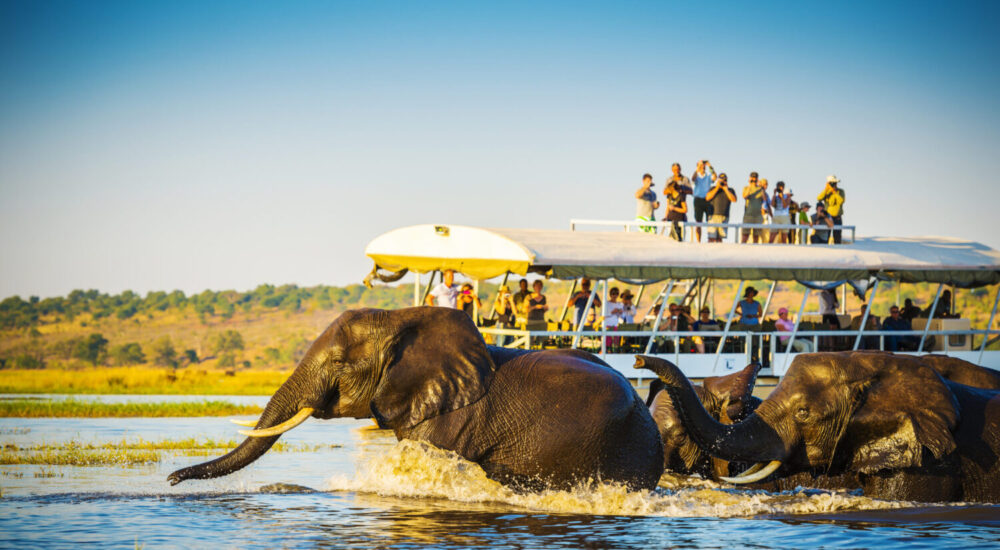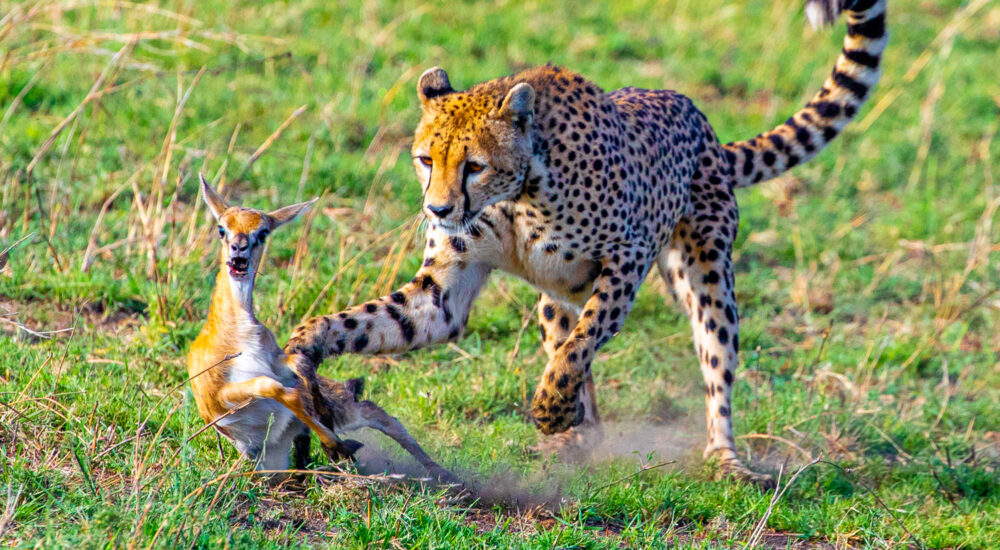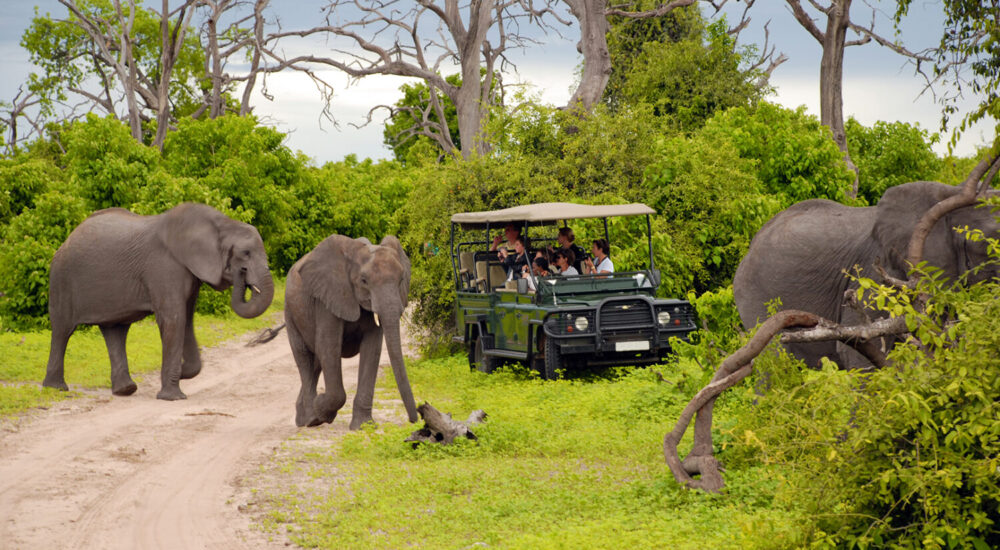
African Safari River Adventures and Boat Safaris African safaris are often associated with thrilling…
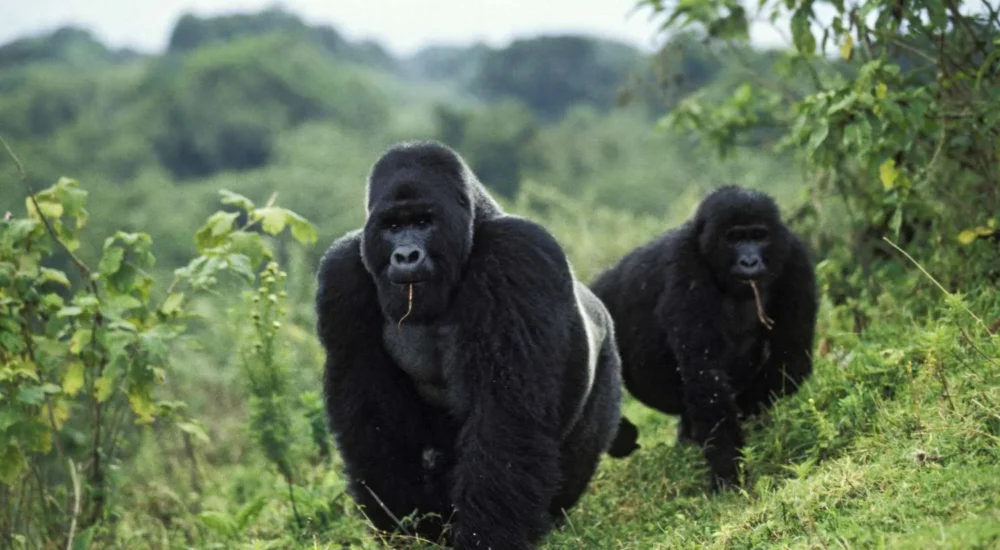
How can I identify a silverback gorilla? | Gorilla safaris and tours
How Can I Identify a Silverback Gorilla? The Complete Guide
Gorillas are among the most fascinating and powerful primates on Earth. While observing them in the wild, many wildlife enthusiasts and travelers often ask, “How can I identify a silverback gorilla?” Recognizing a silverback is crucial for understanding gorilla social structures, behavior, and for planning safe and ethical wildlife encounters.
This comprehensive guide explores the physical features, behavior, social role, and habitat of silverback gorillas. We’ll also highlight where you can see these majestic creatures and how to experience gorilla trekking responsibly with Monumental Expeditions and Safaris.
1. What Is a Silverback Gorilla?
A silverback gorilla is an adult male gorilla, typically 12 years or older, whose back develops a distinctive silver or gray patch of hair. This silver coloration signals maturity, strength, and leadership within a gorilla troop.
Silverbacks are not just larger males; they are protectors and decision-makers in the gorilla family. Their presence ensures the safety and cohesion of the group.
2. Physical Characteristics of Silverback Gorillas
Recognizing a silverback requires careful observation of several key physical traits:
2.1 Size and Musculature
-
Silverbacks are the largest living primates.
-
Adult males weigh between 160–250 kg (350–550 lbs) depending on the species.
-
They can stand 1.7–1.8 meters (5.5–5.9 feet) tall upright.
-
Broad chests, massive shoulders, and strong arms give them a muscular and commanding appearance.
These physical features distinguish silverbacks from females, juveniles, and smaller adult males.
2.2 Silver Hair on the Back
-
One of the most defining characteristics is the silver or gray hair patch on their back.
-
This patch appears gradually, starting around 12 years old, and signifies dominance and maturity.
2.3 Sagittal Crest
-
Adult male gorillas have a prominent sagittal crest, a ridge of bone atop the skull.
-
It supports large jaw muscles for chewing fibrous vegetation.
-
This feature is absent or less pronounced in females and younger males.
2.4 Facial Features
-
Large, broad faces with prominent brow ridges
-
Wide nostrils and expressive eyes
-
Flattened noses distinguish them from other primates
Observing these facial features helps identify dominant males within the troop.
2.5 Knuckle-Walking Posture
-
Silverbacks, like all gorillas, walk on knuckles when on the ground.
-
Their massive hands and long arms make their knuckle-walking distinctive.
-
When standing upright, silverbacks appear towering and imposing compared to females and juveniles.
3. Behavioral Signs of a Silverback
Physical traits alone aren’t enough; behavior also indicates a silverback:
3.1 Leadership Role
-
Silverbacks lead the troop, deciding where to feed, sleep, and travel.
-
Other gorillas follow their movements and cues.
3.2 Protective Behavior
-
Silverbacks guard the group from predators and rival males.
-
Chest-beating, vocalizations, and displays of strength are warning signals.
3.3 Interaction with Females and Juveniles
-
Silverbacks mediate disputes and maintain peace.
-
They guide and protect younger gorillas, sometimes carrying or reassuring infants.
3.4 Dominance Displays
-
Chest-beating, ground slapping, and vocal roars are hallmarks of a silverback asserting authority.
-
These displays help maintain order without physical conflict.
4. Age and Maturity Indicators
Knowing the age range of a silverback helps in identification:
-
Young males (8–12 years): Smaller, beginning to develop silver hair
-
Adult silverbacks (12–20 years): Fully developed silver back and dominant posture
-
Older silverbacks (20+ years): Massive size, deep chest-beating sounds, and experienced leadership
Age influences both physical size and social behavior.
5. Differences Between Silverbacks and Other Gorillas
| Feature | Silverback | Female/Younger Male |
|---|---|---|
| Weight | 160–250 kg | 70–150 kg |
| Height | 1.7–1.8 m | 1.3–1.5 m |
| Hair on Back | Silver/Gray | Dark |
| Muscle Mass | Very muscular | Less pronounced |
| Leadership | Dominant leader | Subordinate or juvenile |
| Chest-Beating | Frequent | Rare |
Recognizing these differences ensures you can identify the dominant male in any gorilla group.
6. Habitat and Locations to Spot Silverbacks
Silverbacks can be observed in the wild in protected areas across Africa:
-
Bwindi Impenetrable Forest, Uganda – Mountain gorillas
-
Volcanoes National Park, Rwanda – Iconic silverback-led families
-
Mgahinga Gorilla National Park, Uganda – Smaller, scenic groups
-
Virunga National Park, DR Congo – Eastern lowland gorillas
These areas offer safe, guided trekking experiences, allowing visitors to see silverbacks without disturbing their natural behavior.
Plan your gorilla trekking safari with Monumental Expeditions and Safaris.
7. Silverback Social Structure
Silverbacks are central to gorilla social dynamics:
-
Lead groups of 5–30 gorillas
-
Ensure reproductive success by protecting females
-
Mediate conflicts and maintain group harmony
-
Their presence reduces stress in the troop
Observing interactions among silverbacks, females, and juveniles provides a window into gorilla society.
8. Conservation Status and Importance of Silverbacks
All gorilla species, including silverbacks, are endangered or critically endangered:
-
Threats: Habitat loss, poaching, disease, and human conflict
-
Silverbacks are essential for genetic diversity and troop survival
-
Conservation areas and responsible ecotourism help protect silverbacks
Learn more about gorilla conservation here:
Visiting silverbacks through responsible gorilla trekking supports their protection.
9. Tips for Observing Silverbacks Safely
When observing silverbacks in the wild:
-
Maintain a safe distance (7 meters/23 feet)
-
Follow guide instructions and avoid loud noises
-
Watch for vocalizations and body language to gauge mood
-
Do not attempt to touch or feed the gorillas
-
Use binoculars or cameras to capture moments without disturbance
These tips ensure ethical and safe wildlife experiences.
10. Fascinating Facts About Silverbacks
-
Silverbacks can weigh up to 250 kg, making them the largest living primates.
-
Chest-beating is a communication tool, not always a sign of aggression.
-
Silverbacks may lead the troop for 15–20 years before aging or being challenged.
-
Their intelligence allows problem-solving, tool use, and complex social behavior.
-
Observing silverbacks in their natural habitat is one of the most life-changing wildlife experiences.
11. Why Identifying Silverbacks Matters
Recognizing silverbacks is important for:
-
Wildlife research: Monitoring troop health and social structure
-
Conservation efforts: Protecting key leaders essential for reproduction
-
Ecotourism: Enhancing gorilla trekking experiences by understanding behavior
-
Education: Teaching visitors and communities about gorilla society
Understanding how to identify silverbacks enriches any encounter with these majestic creatures.
12. Conclusion
So, how can you identify a silverback gorilla?
-
Look for silver hair on the back
-
Notice large body size and muscular build
-
Observe dominant behavior such as chest-beating and troop leadership
-
Pay attention to facial features and posture
-
Recognize their role in social dynamics
Spotting a silverback in the wild is an awe-inspiring experience that combines wildlife observation, adventure, and conservation awareness.
For an ethical and unforgettable gorilla trekking safari, visit: Monumental Expeditions and Safaris.
Related Posts