
Can Children Trek to See Gorillas? A Complete Guide for Families Gorilla trekking is one…
Gorilla Safari vs Great Wall of China: Best Trip Ever?
Gorilla Safari vs Great Wall of China: Best Trip Ever?
Travelers today are no longer satisfied with ordinary holidays. Instead, they look for experiences that feel transformative, emotionally powerful, and deeply memorable. Two destinations that often appear in completely different travel conversations are the Great Wall of China and an African gorilla safari in Uganda or Rwanda. At first glance, they seem impossible to compare. One represents ancient human engineering stretching across mountains and deserts, while the other offers a rare encounter with endangered mountain gorillas in untouched rainforest ecosystems.
Yet modern travelers increasingly ask a surprising question: which experience is truly the best trip ever? A walk along the Great Wall of China or a gorilla safari in Africa?
Both journeys are iconic in their own right, but they deliver very different emotional and sensory experiences. Understanding the contrast helps travelers choose not just a destination, but a life-changing adventure that aligns with what they truly value in travel.
The Great Wall of China: A Journey Through Human History
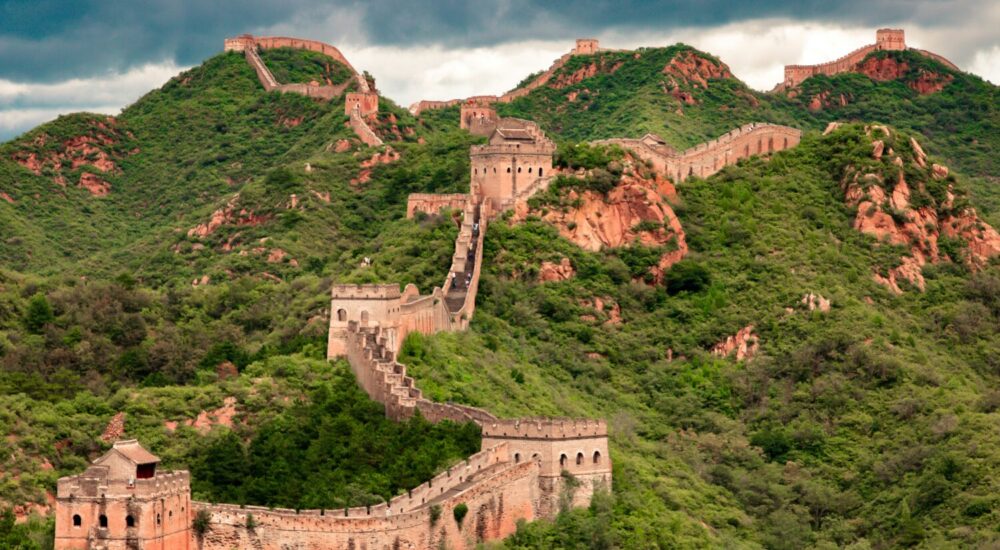
The Great Wall of China is one of the most recognizable structures in the world. Stretching thousands of kilometers across northern China, it represents centuries of engineering, military strategy, and cultural heritage. Walking along its ancient stone pathways offers travelers a direct connection to human history on an immense scale.
The experience is visually impressive. Towering watchtowers rise above rugged mountain ridges, while stone steps wind across dramatic landscapes. Visitors often feel a sense of awe when considering the effort required to construct such a massive structure without modern technology.
For many travelers, the Great Wall offers:
- Historical immersion into ancient civilizations
- Panoramic mountain views
- Architectural wonder
- Cultural storytelling and heritage
- A physically engaging walking experience
It is a destination that appeals strongly to history enthusiasts, architecture lovers, and cultural explorers who appreciate human achievement.
However, despite its grandeur, the Great Wall remains a structured, constructed environment shaped by human design and modern tourism infrastructure.
The Gorilla Safari: A Journey Into Untamed Nature
 In contrast, a gorilla trekking safari in Uganda or Rwanda offers something completely different. Instead of walking through an artificial structure, travelers step into ancient rainforests that have existed for millions of years.
The journey begins in dense, mist-covered forests where expert trackers guide visitors through natural terrain in search of endangered mountain gorillas. The experience is not predictable. It changes depending on gorilla movement, weather conditions, and forest density.
Then comes the defining moment of the entire safari: encountering a wild gorilla family in their natural habitat.
Standing quietly a few meters away from a silverback gorilla, observing its calm authority, watching mothers care for their young, and witnessing the social structure of the group creates a deeply emotional and often life-changing experience.
Unlike the Great Wall, which reflects human history, a gorilla safari connects travelers to raw nature and evolutionary history that predates civilization itself.
Human Engineering vs Wild Evolution
The comparison between the Great Wall and a gorilla safari ultimately becomes a contrast between human creation and natural existence.
The Great Wall represents human ambition, defense, and endurance across centuries. It is structured, predictable, and shaped by historical purpose. Travelers walk along a path built for human movement and observation.
A gorilla safari, however, represents something entirely different. It is unpredictable, organic, and governed entirely by nature. No two gorilla trekking experiences are ever the same. The forest dictates the pace, and wildlife behavior determines the encounter.
This fundamental difference shapes the emotional tone of each journey.
The Great Wall inspires admiration for human achievement. A gorilla safari inspires emotional connection with living nature.
Emotional Impact: Awe vs Connection
Travel experiences are often remembered not by what is seen, but by what is felt.
Walking the Great Wall often creates feelings of awe, admiration, and reflection. Travelers imagine ancient soldiers, historical battles, and centuries of cultural evolution. The experience is intellectually engaging and visually striking.
A gorilla safari, however, creates emotional connection at a completely different level. Watching gorillas interact, communicate, and behave in ways that mirror human emotions often triggers empathy, wonder, and deep emotional presence.
Many travelers describe gorilla trekking as one of the most emotional wildlife encounters in the world. The experience feels intimate, personal, and unfiltered.
While the Great Wall impresses the mind, a gorilla safari often moves the heart.
Accessibility and Physical Experience
Both experiences require physical effort, but in different ways.
The Great Wall involves walking along steep stone steps, often in structured tourist sections restored for safety. Visitors can choose easier or more challenging segments depending on fitness levels and preference.
Gorilla trekking, on the other hand, involves hiking through dense rainforest terrain, sometimes for several hours. The trek may include mud, steep slopes, vegetation, and unpredictable forest conditions.
However, the reward is equally different. On the Great Wall, the reward is panoramic historical scenery. On a gorilla safari, the reward is a rare wildlife encounter with endangered primates in the wild.
Both require effort, but only one delivers a once-in-a-lifetime wildlife encounter that cannot be replicated in captivity or exhibitions.
Wildlife vs Architecture
The Great Wall is an architectural masterpiece. Its value lies in human design, construction, and historical storytelling. It is static, permanent, and preserved as a cultural monument.
A gorilla safari represents living wildlife in motion. Gorillas feed, move, interact, and behave naturally within their ecosystem. Nothing is staged or constructed.
For travelers who prefer architecture, engineering, and historical exploration, the Great Wall offers a powerful experience. For travelers who prefer biodiversity, wildlife photography, and nature immersion, a gorilla safari delivers something far more dynamic and emotionally engaging.
Rarity and Exclusivity of Experience
The Great Wall is visited by millions of tourists every year. It is one of the most famous landmarks in the world and has multiple access points designed for mass tourism.
Gorilla trekking, however, is highly restricted. Only a limited number of permits are issued daily in Uganda and Rwanda to protect endangered mountain gorillas and preserve their natural environment.
This creates a sense of exclusivity that is difficult to replicate. Travelers who successfully trek gorillas are part of a small global group who have experienced this encounter in the wild.
The rarity of the experience often increases its emotional value.
Cultural Depth: Two Different Perspectives
The Great Wall offers deep insight into Chinese history, ancient defense systems, and imperial civilization. Travelers gain an understanding of cultural evolution and historical strategy.
Gorilla safaris in Uganda and Rwanda also offer cultural depth, but in a different way. Travelers interact with local communities, learn about conservation efforts, and experience African traditions alongside wildlife exploration.
In Uganda, cultural experiences around Bwindi and Kibale Forest introduce visitors to community tourism, traditional dance, and forest-adjacent lifestyles. In Rwanda, cultural visits near Volcanoes National Park highlight resilience, conservation, and modern transformation.
Both destinations offer cultural enrichment, but through very different historical and environmental contexts.
Photography Value: Monument vs Moment
The Great Wall offers dramatic landscape photography opportunities. Sunrise and sunset shots across the mountains create visually striking compositions. The structure itself provides symmetry, texture, and historical framing.
Gorilla safaris offer something more intimate. Wildlife photography in rainforest environments captures emotion, behavior, and personality. A silverback gorilla sitting quietly or a young gorilla playing in vegetation creates powerful storytelling images.
One destination offers monumental scale. The other offers living emotion.
Conservation and Meaningful Travel
One of the most significant differences between the two experiences lies in conservation impact.
Gorilla safaris directly support endangered species protection, anti-poaching efforts, and local community development. Tourism revenue contributes to preserving one of the world’s most threatened primate populations.
The Great Wall is preserved primarily as a historical and cultural heritage site. While it supports tourism economies, it does not directly contribute to wildlife conservation.
For travelers seeking meaningful and responsible tourism, gorilla trekking often feels more impactful.
Comfort and Travel Experience
The Great Wall offers easier accessibility through modern transport systems, organized tourist facilities, and structured sightseeing routes. It is generally more predictable and comfortable for most travelers.
Gorilla safaris require more preparation, including permits, guided trekking, and travel to remote forest regions. However, luxury safari lodges in Uganda and Rwanda have significantly improved comfort levels.
Today, travelers can enjoy high-end eco-lodges, personalized service, fine dining, and carefully managed trekking experiences while still maintaining a sense of wilderness adventure.
So Which Is the Best Trip Ever?
The answer depends entirely on what a traveler values most.
The Great Wall of China offers history, architecture, cultural heritage, and panoramic mountain views shaped by human civilization. It is ideal for travelers who appreciate historical landmarks and structured sightseeing.
A gorilla safari in Uganda or Rwanda offers emotional connection, wildlife encounters, conservation impact, and immersive rainforest adventure. It is ideal for travelers seeking transformative, once-in-a-lifetime nature experiences.
However, when travelers describe experiences that change their worldview, create emotional memories that last for decades, and feel truly irreplaceable, gorilla trekking often stands out more strongly.
Many travelers return from Africa saying the same thing: they expected a safari, but experienced something far deeper.
Why Many Travelers Choose Gorilla Safaris Over Everything Else
In modern travel trends, experiences that combine adventure, sustainability, emotional depth, and exclusivity are becoming more valuable than traditional sightseeing.
Gorilla trekking in Uganda and Rwanda represents all of these elements. It is rare, meaningful, conservation-driven, and emotionally powerful.
For travelers seeking the most unforgettable journey possible, East Africa offers something that goes beyond comparison.
Final Reflection for Travelers
The Great Wall of China and a gorilla safari are not truly competitors. They represent two completely different worlds of travel experience.
One connects travelers to human history. The other connects travelers to living nature.
One is a monument. The other is a moment that cannot be recreated anywhere else on Earth.
For many travelers, the real “best trip ever” is not defined by famous landmarks alone, but by experiences that leave lasting emotional impact long after the journey ends.
Visit Monumental Expeditions and safaris to plan customized gorilla trekking safaris, luxury wildlife adventures, East African tours, and transformative travel experiences.
Related Posts
Is Gorilla Trekking Safe? A Complete Guide for Adventurers Gorilla trekking is one of Africa’s…
How Difficult Is Gorilla Trekking? A Complete Guide for Adventurers Gorilla trekking is one of…