
The Tourism Guide in Uganda 2026: Your Ultimate Safari & Adventure Handbook Uganda — the…
Exploring the Rich History of Uganda: Must-Visit Historical Sites
Exploring the Rich History of Uganda: Must-Visit Historical Sites
Uganda is home to some of the most fascinating historical landmarks in Africa, from royal tombs and ancient kingdoms to colonial-era monuments. In this blog, we explore the top historical sites in Uganda, offering you a glimpse into the country’s diverse cultural heritage and historical evolution.
1. Kasubi Tombs: A Royal Burial Ground
Located in Kampala, the Kasubi Tombs are one of the most significant historical sites in Uganda. This UNESCO World Heritage Site serves as the burial ground for the kings of the Buganda Kingdom, one of the largest and most influential kingdoms in Uganda. The tombs are famous for their traditional architecture, which uses materials like mud, timber, and grass to create stunning grass-thatched structures.
Dating back to the 13th century, the Kasubi Tombs are not only a place of burial but also a cultural hub where the Baganda people continue to honor their kings. The site hosts various ceremonies, offering visitors a unique cultural experience. For anyone interested in Uganda’s history and royal heritage, the Kasubi Tombs are a must-visit.
2. The Uganda Museum: A Gateway to the Past
The Uganda Museum, located in Kampala, is the oldest museum in East Africa and an essential destination for history lovers. Established in 1908, it houses an extensive collection of historical artifacts, including tools, musical instruments, and attire from various Ugandan ethnic groups. The museum also features exhibits on Uganda’s prehistoric past, colonial history, and post-independence development.
Visitors can explore the history of Uganda through archaeological findings, ethnographic displays, and historical documents. The museum’s fascinating collections offer a deeper understanding of the country’s diverse cultures and how they evolved over centuries.
3. Fort Portal and the Toro Kingdom
Fort Portal, located in western Uganda, is a town rich in historical significance, particularly with its ties to the Toro Kingdom. The Toro Kingdom is one of Uganda’s ancient monarchies, and Fort Portal served as a central point of the kingdom. The Toro Royal Palace is located here, providing a glimpse into the monarchy’s structure and the kingdom’s role in Uganda’s history.
Fort Portal’s location near the stunning Kibale Forest adds to its appeal, offering visitors a combination of natural beauty and historical depth. Visitors can tour the royal palace and learn about the kingdom’s governance, its relationship with the colonial powers, and the role it played in shaping Uganda’s modern identity.
4. The Gaddafi National Mosque: A Blend of History and Religion
The Gaddafi National Mosque is one of the most prominent landmarks in Kampala, situated on Old Kampala Hill. This mosque, built in the 1970s with the help of Muammar Gaddafi, the former Libyan leader, is not only a place of worship but also a symbol of the political and religious relationships between Uganda and Libya.
The mosque features grand architecture with minarets and domes, and visitors can explore its museum to learn about the role of Islam in Uganda’s history. The Gaddafi National Mosque stands as a reminder of the influence of religion and politics in Uganda’s historical development.
5. Murchison Falls National Park: A Historical Natural Wonder
Murchison Falls National Park is one of Uganda’s most famous natural attractions, known for its stunning waterfalls and diverse wildlife. However, it also has historical significance, particularly related to Uganda’s early exploration and colonial past. The park is named after the famous Murchison Falls, where the Nile River forces its way through a narrow gorge, creating one of the most spectacular waterfalls in Africa.
The park was visited by early European explorers, including Samuel and Florence Baker, in the 19th century, making it an important site in the history of Uganda’s colonial exploration. Today, it is a UNESCO-protected area, offering visitors the chance to witness both natural beauty and historical legacy.
6. Entebbe: The Hub of Uganda’s Colonial History
Entebbe, located on the shores of Lake Victoria, holds immense historical value. During British colonial rule, Entebbe served as the administrative capital of Uganda. Visitors can explore the Entebbe Botanic Gardens, established in 1898, to experience the colonial legacy through the plants and trees that were introduced to Uganda at that time.
Entebbe is also home to the Uganda Wildlife Education Centre and the Uganda Martyrs Shrine in Namugongo. The Uganda Martyrs Shrine commemorates the Christian martyrs who were executed in the late 19th century for their faith, marking a pivotal moment in Uganda’s religious and colonial history.
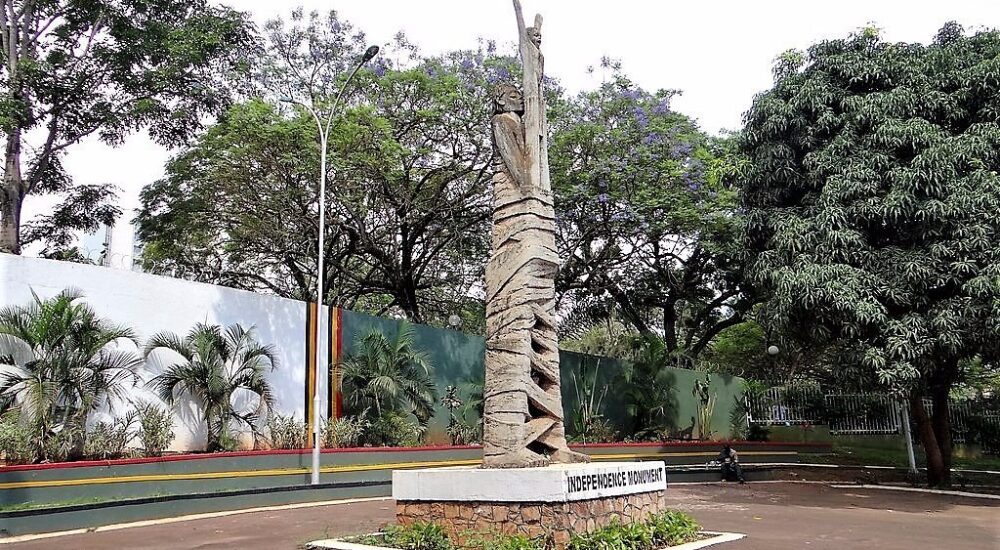
7. The Independence Monument: A Symbol of Freedom
The Independence Monument, located in Kampala, is a significant symbol of Uganda’s journey to independence. Erected in 1962, it marks the moment when Uganda gained freedom from British colonial rule. The monument is a powerful reminder of the country’s resilience and determination in its pursuit of self-governance.
The Independence Monument stands on Nakasero Hill, near the Parliament buildings, and serves as a place of reflection for Ugandans and visitors alike. It is an essential stop for anyone interested in the country’s political history and the struggles that led to its independence.
Related Posts