Safari Adventures in Uganda: Uganda boasts several safari experiences that have drawn a large number…
Diabetes Management on Safari in Uganda
Diabetes Management on Safari in Uganda
Diabetes Management on Safari in Uganda
Traveling on an African safari is one of the most rewarding experiences in the world, offering encounters with mountain gorillas, savannah wildlife, and breathtaking landscapes. For travelers living with diabetes, however, the excitement is often accompanied by important questions about health, safety, medication, diet, and physical activity while on the road.
The good news is that diabetes management on safari in Uganda is absolutely possible with the right preparation, awareness, and support. Thousands of travelers with diabetes successfully enjoy gorilla trekking safaris, game drives, and cultural experiences every year across East Africa. Uganda, in particular, offers well-organized safari infrastructure, experienced guides, and accessible medical support in major travel regions.
At Monumental Expeditions and Safaris, we regularly assist travelers with medical conditions including diabetes, ensuring their safari experience is safe, comfortable, and stress-free. With proper planning, a safari in Uganda can be both medically manageable and deeply fulfilling.
This guide explains everything you need to know about managing diabetes during a safari in Uganda, including medication storage, diet control, physical activity, emergency planning, and practical travel tips for gorilla trekking and wildlife safaris.
Is It Safe to Travel on Safari with Diabetes?
For most travelers, diabetes does not prevent participation in a Uganda safari. Both type 1 and type 2 diabetes can be managed effectively during travel with careful preparation and awareness of your body’s needs.
Safari travel involves changes in routine, diet, climate, and physical activity levels. These changes can influence blood sugar levels, so consistency in monitoring and medication is essential.
Uganda has good access to pharmacies in major towns such as Kampala, Entebbe, and regional safari hubs. However, remote national parks such as Bwindi Impenetrable National Park or Queen Elizabeth National Park may have limited medical facilities. This makes personal preparation extremely important.
With proper planning, most travelers with diabetes enjoy safaris without major complications. In fact, many find that outdoor activity and structured safari routines help them maintain stable health levels.
Pre-Travel Medical Preparation for Safari in Uganda
Before traveling for a gorilla trekking safari or wildlife safari in Uganda, it is essential to consult your healthcare provider. A pre-travel medical assessment ensures your condition is stable enough for long-distance travel and physical activity.
Your doctor may adjust medication schedules, especially if your safari itinerary includes time zone changes or early morning game drives. They may also recommend carrying extra medication supplies in case of delays.
A written medical summary is highly recommended. This document should include your diagnosis, medication details, emergency instructions, and physician contact information.
Travel insurance that covers pre-existing conditions is also important. Medical evacuation coverage is particularly valuable for safaris in remote regions.
At Monumental Expeditions and Safaris, we always advise travelers with diabetes to share medical information in advance so we can plan suitable itineraries and accommodations.
Managing Insulin and Medication During Safari Travel
Proper storage of medication is one of the most important aspects of diabetes management on safari in Uganda.
Insulin and some diabetes medications require temperature control. Uganda’s climate can be warm, especially in lowland safari areas, so insulated cooling bags or portable medical coolers are strongly recommended.
It is important to carry medication in hand luggage rather than checked baggage to avoid loss or temperature damage during flights and transfers.
Always pack more medication than required for the duration of your trip. Unexpected delays or itinerary changes can occur in safari travel.
Setting reminders for medication schedules is also helpful, especially during long game drives or early morning gorilla trekking activities.
Safari guides and tour leaders are trained to assist travelers with medical routines when needed, including timing stops for meals or medication.
Diet Management While on Safari
Diet plays a major role in diabetes control during safari travel. Ugandan cuisine is rich and diverse, with fresh fruits, vegetables, grains, and proteins widely available in lodges and safari camps.
Most safari lodges can accommodate special dietary requirements when informed in advance. This includes low-sugar meals, controlled carbohydrate portions, and balanced nutrition options.
Breakfasts typically include eggs, fruits, cereals, and bread, while lunches and dinners offer meat, fish, vegetables, and starch-based dishes such as rice or potatoes.
It is important to be mindful of portion sizes and avoid excessive intake of high-sugar snacks or beverages. Staying hydrated is equally important, especially during trekking activities.
During gorilla trekking days, packed lunches are usually provided. These should be reviewed for sugar content if necessary.
Blood Sugar Monitoring During Safari Activities
Regular monitoring of blood glucose levels is essential during a Uganda safari with diabetes. Changes in activity levels, altitude, and diet can influence blood sugar fluctuations.
Travelers are encouraged to carry portable glucose monitoring devices and testing supplies at all times. Checking levels before and after physically demanding activities such as gorilla trekking or nature walks helps maintain stability.
Recognizing early symptoms of low or high blood sugar is also important. Fatigue, dizziness, confusion, or excessive thirst should never be ignored.
Safari guides can assist in emergency situations and help travelers access medical care if needed.
Physical Activity and Diabetes During Gorilla Trekking
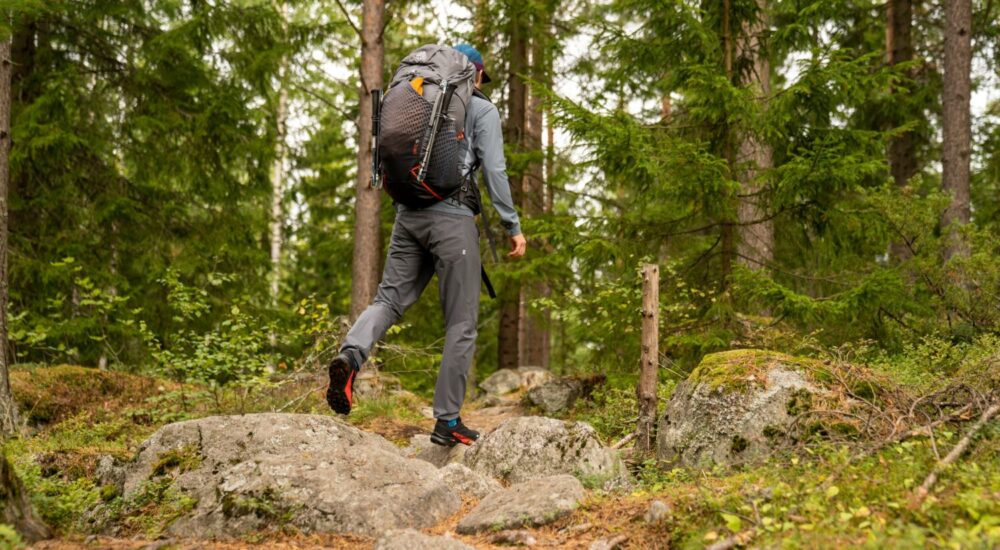
One of the highlights of any Uganda safari is gorilla trekking in Bwindi Impenetrable National Park or Mgahinga Gorilla National Park. This activity involves hiking through dense rainforest terrain, which can be physically demanding.
For travelers with diabetes, physical exertion can affect glucose levels, making preparation essential.
Eating a balanced meal before trekking, carrying quick sugar sources such as glucose tablets, and staying hydrated are important safety measures.
Porters are available to assist with carrying bags, reducing physical strain during trekking. This is highly recommended for travelers managing medical conditions.
Breaks are regularly taken during treks, allowing time to rest and monitor health if necessary.
With proper preparation, most travelers with diabetes successfully complete gorilla trekking without complications.
Recognizing and Managing Hypoglycemia or Hyperglycemia
Understanding how to respond to blood sugar fluctuations is crucial during safari travel.
Hypoglycemia (low blood sugar) can occur during physical exertion or missed meals. Carrying fast-acting glucose sources such as candies or tablets is essential.
Hyperglycemia (high blood sugar) may result from dietary changes, stress, or dehydration. Staying hydrated and following medication routines helps reduce risk.
Safari guides are trained to respond calmly to medical situations and can assist in arranging transport to nearby medical facilities if required.
Having a clear emergency plan before travel provides additional peace of mind.
Safari Logistics and Diabetes-Friendly Planning
Good safari planning plays a major role in successful diabetes management on safari in Uganda.
Choosing accommodations with reliable electricity, refrigeration access, and comfortable facilities is important for medication storage and rest.
Travel itineraries should allow flexible pacing rather than overly rushed schedules. This helps maintain energy levels and reduces stress-related glucose fluctuations.
Private guided safaris are often recommended for travelers with medical conditions, as they provide flexibility in timing, meals, and rest stops.
At Monumental Expeditions and Safaris, we design customized itineraries that prioritize both comfort and medical safety.
Altitude and Climate Considerations
Uganda’s safari destinations vary in altitude and climate. Higher-altitude regions such as Bwindi and Mgahinga can be cooler, while savannah parks like Queen Elizabeth National Park are warmer.
Altitude and temperature changes may influence how the body responds to insulin and physical activity.
Staying aware of environmental conditions and adjusting hydration and activity levels accordingly helps maintain stable health.
Layered clothing is recommended to adapt to temperature variations throughout the day.
Emergency Planning and Medical Access
Although serious medical emergencies are rare during safaris, having a clear emergency plan is essential.
Major towns near safari regions have hospitals and clinics, while evacuation services are available for remote areas.
Travel insurance with emergency evacuation coverage is strongly recommended for all travelers with diabetes.
Safari operators should always have emergency contact details and medical information on file.
Mental Wellbeing and Stress Management on Safari
Stress can influence blood sugar levels, making emotional wellbeing an important part of diabetes management during travel.
African safaris are generally relaxing experiences, but travel logistics, long drives, and excitement can sometimes create stress.
Maintaining a calm routine, getting enough rest, and enjoying slow-paced wildlife experiences can help stabilize both mood and blood sugar levels.
Many travelers find that being in nature improves overall mental wellbeing and reduces stress-related symptoms.
Gorilla Trekking with Diabetes: What to Expect
Gorilla trekking remains one of the most memorable experiences in Uganda. For travelers with diabetes, preparation ensures a smooth and enjoyable adventure.
The trek begins early in the morning with a briefing before entering the forest. Hiking time varies depending on gorilla location, but guides ensure regular breaks when needed.
Once gorillas are located, visitors spend one hour observing them in their natural habitat. This period involves minimal physical activity, allowing time to rest and enjoy the experience.
With proper preparation, gorilla trekking is fully achievable for travelers managing diabetes.
Why Uganda Is Suitable for Travelers with Diabetes
Uganda is considered a safe and accessible safari destination for travelers with medical conditions due to its well-developed tourism infrastructure, experienced guides, and proximity to medical services in major regions.
Safari lodges are accustomed to handling dietary requirements and guest needs. Local communities and tourism staff are supportive and trained in assisting international visitors.
The combination of wildlife diversity, gorilla trekking, and cultural experiences makes Uganda an excellent destination for travelers seeking both adventure and comfort.
Plan Your Uganda Safari with Medical Confidence
At Monumental Expeditions and Safaris, we specialize in designing safe and comfortable safari experiences for travelers with medical conditions, including diabetes.
We assist with itinerary planning, accommodation selection, gorilla trekking permits, dietary arrangements, and flexible scheduling to ensure your health needs are fully supported.
Our goal is to make African safari travel accessible, safe, and unforgettable for every traveler.
Conclusion
Managing diabetes on safari in Uganda is entirely possible with proper preparation, awareness, and support. By planning medication schedules, monitoring blood sugar levels, choosing appropriate meals, and working with experienced safari professionals, travelers can enjoy a safe and rewarding African adventure.
Uganda offers world-class wildlife experiences, including gorilla trekking, game drives, and cultural encounters, all of which can be enjoyed comfortably with diabetes when managed correctly.
With expert guidance from Monumental Expeditions and Safaris, travelers can confidently explore Uganda’s incredible landscapes while maintaining full control of their health and wellbeing.
Related Posts