
Family Safari Travel Experiences in Tanzania: The Ultimate Guide to Unforgettable Adventures Planning a safari…
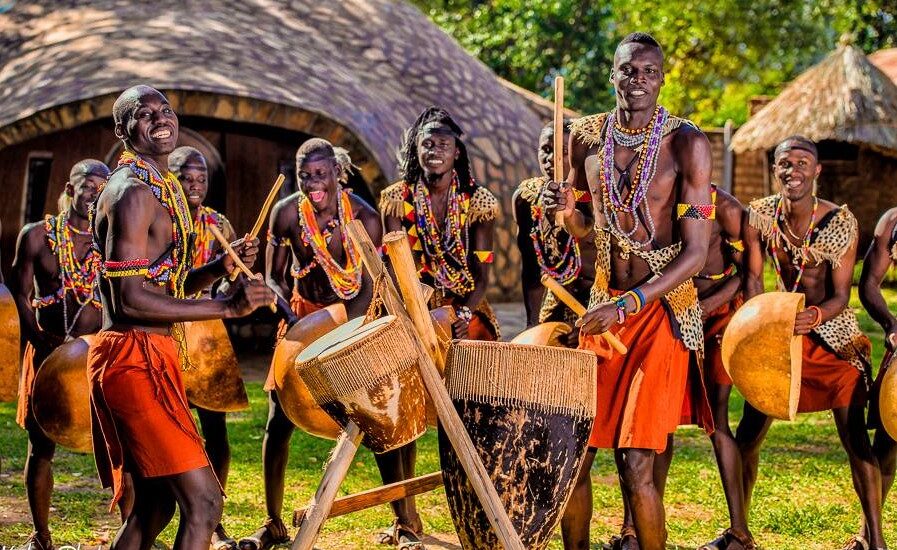
Cultural Sensitivity: Teaching Kids About Ugandan Traditions
Cultural Sensitivity: Teaching Kids About Ugandan Traditions
In our increasingly globalized world, raising culturally aware and empathetic children is no longer optional — it’s essential. Cultural sensitivity empowers children to appreciate diversity, embrace new perspectives, and interact respectfully with people from different backgrounds.
When traveling to a country like Uganda, which is rich in cultural heritage and ethnic diversity, it’s especially important to prepare young travelers through respectful education. Teaching your kids about Ugandan traditions, languages, values, and social customs not only enhances the travel experience but also builds lasting respect and global citizenship.
In this blog, we explore how families can instill cultural awareness in children while visiting Uganda, including practical ways to engage with Ugandan culture, tips on respectful behavior, and suggestions for immersive educational activities.
Understanding Uganda’s Cultural Landscape
A Nation of Diversity
Uganda is home to more than 56 ethnic groups, each with its own language, traditions, dress, music, and beliefs. Some of the major cultural groups include:
- Baganda (central Uganda)
- Banyankole (southwestern Uganda)
- Basoga (eastern Uganda)
- Acholi (northern Uganda)
- Bakiga, Batooro, Bagisu, and more
This cultural mosaic makes Uganda a dynamic and enriching destination for families seeking educational travel and cultural exposure for their children.
Benefits of Teaching Kids Cultural Sensitivity in Uganda
- Develops Empathy – Children learn to value different perspectives and lifestyles, which enhances compassion.
- Encourages Open-Mindedness – Exposure to different customs breaks down stereotypes and promotes inclusiveness.
- Boosts Language and Social Skills – Learning local greetings, songs, or dances encourages curiosity and communication.
- Creates Deeper Travel Experiences – Understanding traditions helps children appreciate the meaning behind rituals, foods, and social norms.
Preparing Kids for Cultural Immersion in Uganda
1. Introduce Ugandan Culture Before You Travel
Use books, documentaries, maps, and YouTube videos to teach about:
- Uganda’s location and geography
- National symbols (flag, crested crane, anthems)
- Local food and traditional clothing
- Famous Ugandan figures like Idi Amin, Milton Obote, or Stephen Kiprotich
2. Learn Basic Luganda or Swahili Phrases
Languages are keys to culture. Teach your kids greetings like:
- “Gyebale ko” (Hello in Luganda)
- “Webale” (Thank you)
- “Habari gani?” (How are you? in Swahili)
This shows respect and helps children connect with local peers.
3. Set Expectations on Etiquette
Teach your children:
- To greet elders first with a handshake or respectful bow
- Not to point or stare at people
- To ask permission before taking photos
- To remove shoes when entering a home
Cultural Experiences for Kids in Uganda
1. Homestays with Ugandan Families
Staying with a local family is one of the best ways to immerse children in everyday Ugandan life.
What kids can learn:
- How Ugandan families share meals and chores
- Traditional games, songs, and bedtime stories
- The importance of respect for elders and community
2. Traditional Arts and Crafts
Enroll your child in a hands-on workshop in:
- Basket weaving (commonly practiced by women in Buganda)
- Bead making from recycled paper
- Bark cloth creation, a traditional Buganda art
These tactile experiences are not only fun but also teach patience, creativity, and history.
3. Music and Dance Workshops
Ugandan traditional music is vibrant and educational.
Must-try experiences:
- Drumming lessons with local musicians
- Learning traditional dances like the Bakisimba or Larakaraka
- Visiting a children’s cultural center in Kampala or Jinja
These experiences are perfect for kinesthetic learners and musical kids.
4. Cooking Local Foods
Teach kids to make:
- Matooke (steamed green bananas)
- Groundnut sauce
- Chapati and rolexes
They’ll learn about local ingredients, nutrition, and the cultural significance of shared meals.
Cultural Dos and Don’ts for Kids in Uganda
Cultural Dos
- Greet people respectfully — especially elders
- Use two hands when offering or receiving items
- Smile and be polite
- Show interest in local customs
- Participate in community activities respectfully
Cultural Don’ts
- Don’t make fun of unfamiliar foods or clothing
- Don’t touch people’s heads — considered sacred in some cultures
- Don’t take photos without permission
- Avoid public displays of affection — they are frowned upon
- Don’t interrupt adults speaking — respect is crucial
Learning About Ugandan Holidays and Ceremonies
1. Independence Day (October 9th)
Teach your kids about Uganda’s independence from British rule in 1962. Parades, dances, and national pride make this a great time for cultural learning.
2. Introduction Ceremonies (Kwanjula)
This pre-wedding tradition in Buganda involves vibrant dress, family negotiations, and gifts. If you’re invited to one, it’s a rich learning opportunity.
3. Naming Ceremonies
Different ethnic groups celebrate births uniquely. The Acholi, for instance, have specific rituals around naming and blessing children.
Volunteering and Community Engagement for Families
Choose child-friendly, ethical volunteering opportunities that allow your family to contribute meaningfully:
- Tree planting or reforestation projects
- School visits with book donations
- Attending a church service with local communities
- Spending time at youth arts centers or sports programs
These experiences deepen empathy and help kids see the impact of service and compassion.
Visiting Cultural Sites in Uganda with Kids
- Kasubi Tombs (Kampala) – Teach your kids about the heritage of the Buganda Kingdom and its burial traditions.
- Ndere Cultural Centre – Catch a family-friendly evening of dance, storytelling, and music from all regions of Uganda.
- Uganda Museum – Offers child-friendly displays of artifacts, traditional homes, and musical instruments.
- Igongo Cultural Centre (Mbarara) – Perfect for road trips through western Uganda. Explore Ankole traditions and ancient folklore.
Conclusion: Raising Global Citizens Through Ugandan Culture
Exposing children to the vibrant, respectful, and community-focused Ugandan traditions fosters lifelong values of empathy, openness, and understanding. By teaching your kids cultural sensitivity in Uganda, you go beyond travel — you shape their worldview.
Start planning your cultural family trip to Uganda today! Engage with local guides, support ethical tourism, and inspire your child with one of Africa’s richest cultural landscapes. Uganda awaits — and your child’s heart and mind will never be the same.
“My 9-year-old daughter still talks about learning to make matooke with our host family in Kabale. Uganda gave us more than memories — it taught us values.” — Sarah N., UK
“Our kids made friends with local children in Jinja and exchanged songs. It was cultural exchange at its finest.” — Miguel L., Spain