Gorilla Trekking Rwanda from Dubai: The Ultimate Luxury Safari Guide Travelers based in Dubai are…
Chances of Seeing Mountain Gorillas in Bwindi and Rwanda
Chances of Seeing Mountain Gorillas in Bwindi and Rwanda: What You Need to Know
For wildlife enthusiasts, few experiences rival seeing mountain gorillas in the wild. Bwindi Impenetrable Forest in Uganda and Volcanoes National Park in Rwanda are among the best places on Earth to encounter these gentle giants. However, many travelers wonder: “How likely am I to see gorillas on my trek?”
This guide explains factors affecting gorilla sightings, best times to trek, and how to maximize your chances while planning your adventure with Monumental Expeditions and Safaris.
Understanding Mountain Gorilla Habits
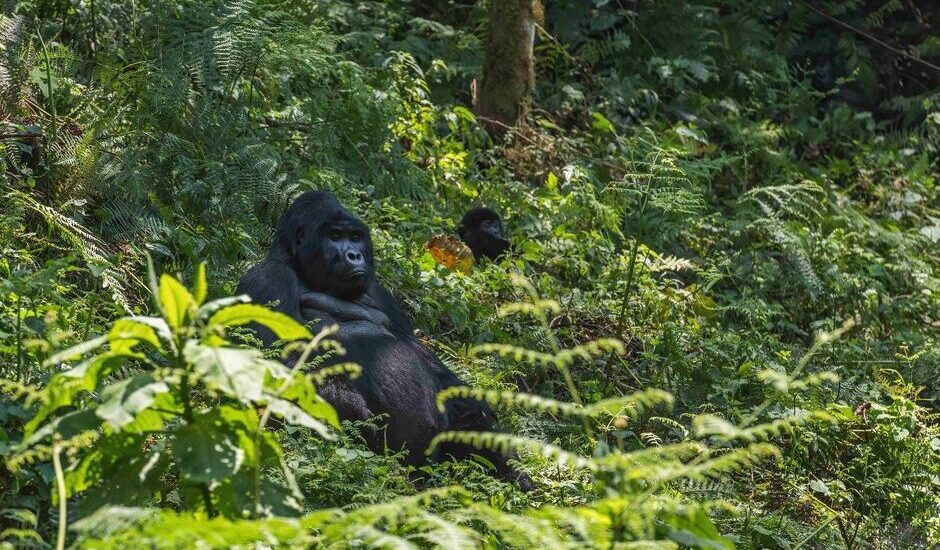
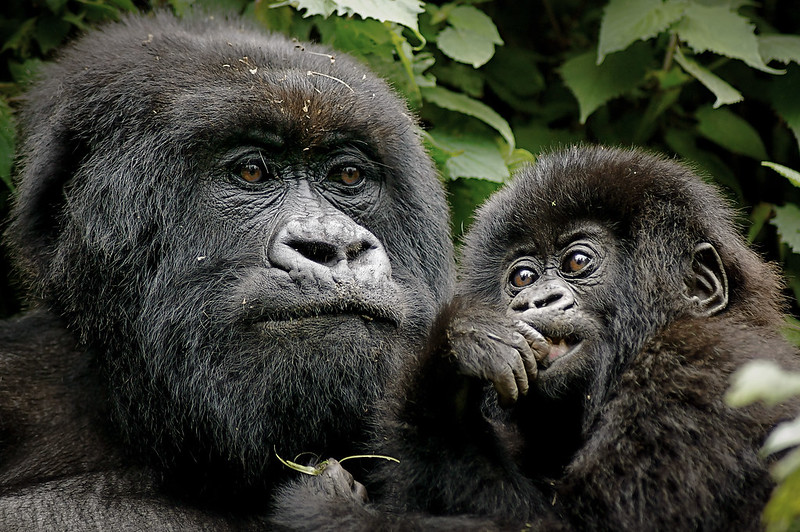
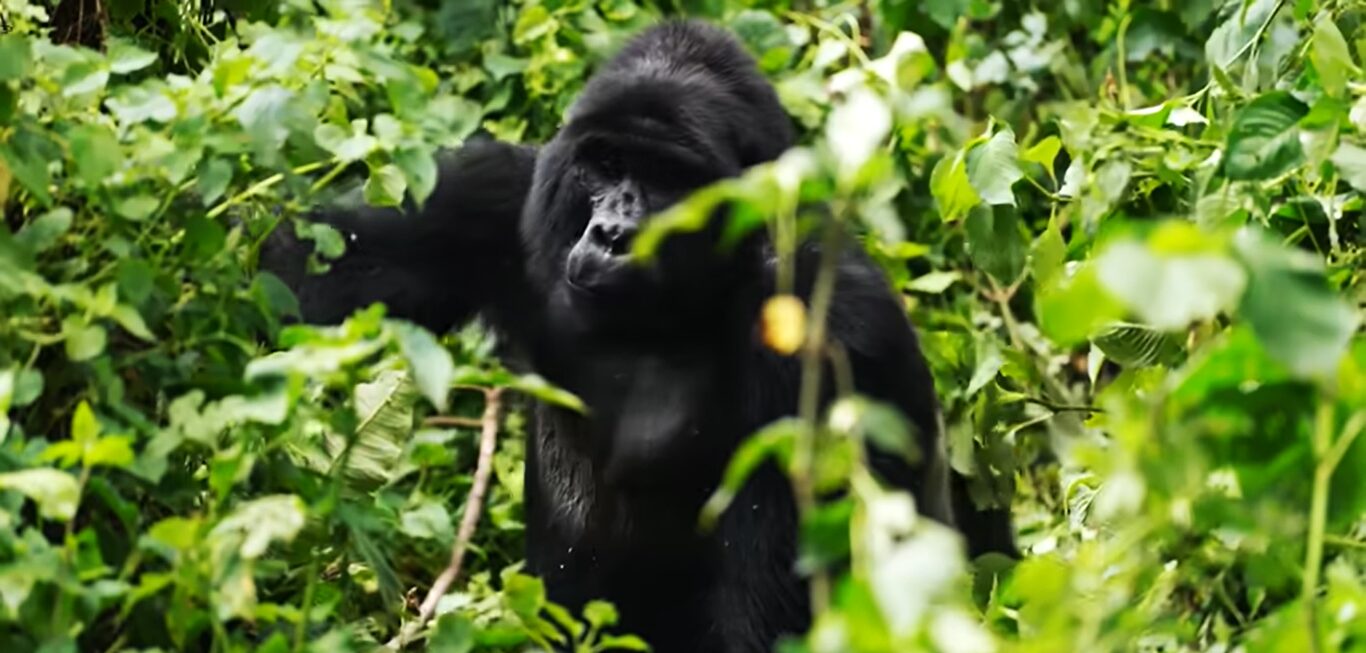
Mountain gorillas live in family groups called troops, which can range from 5 to over 30 members. These gorillas are diurnal, meaning they are active during the day, but they move across dense forests and steep terrain, making sightings sometimes challenging.
Key points about gorilla behavior:
-
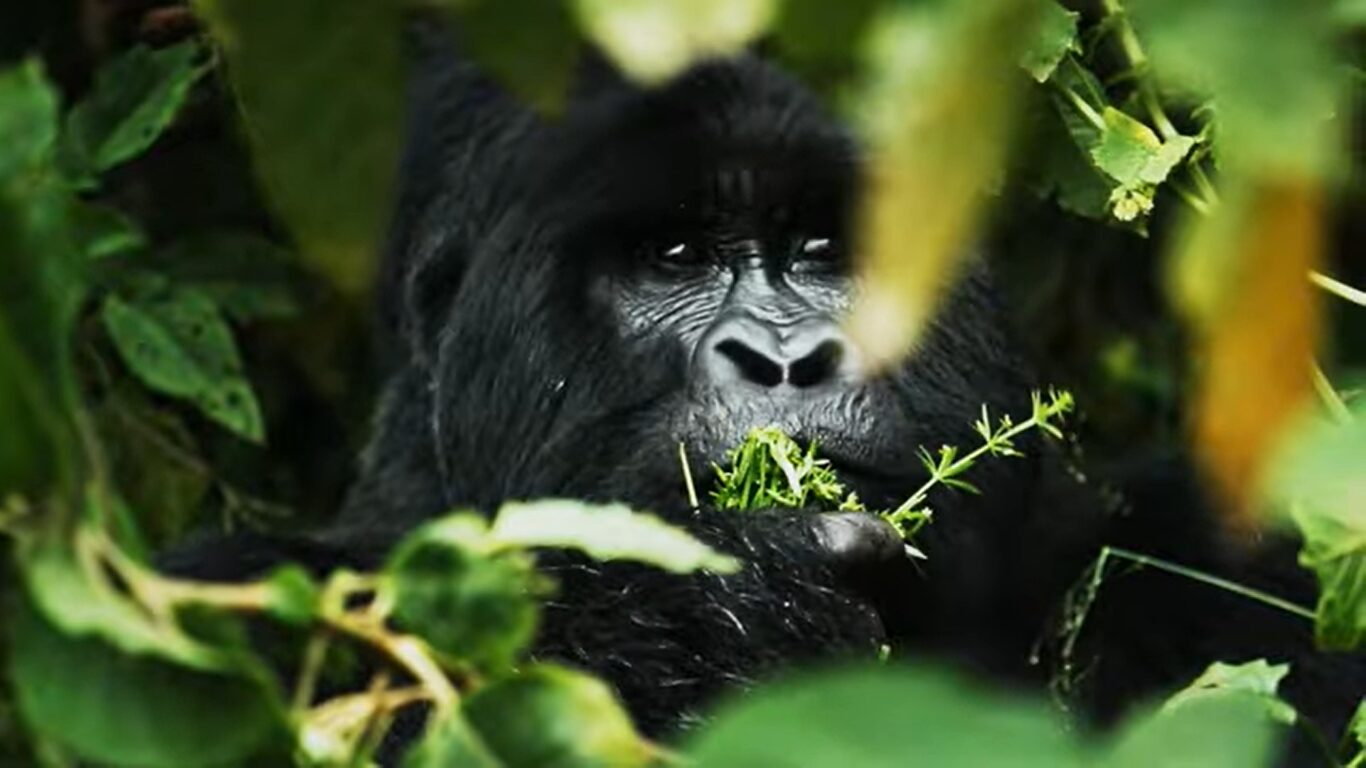
Gorillas spend most of the day feeding on leaves, shoots, and fruits.
-
They move several kilometers per day in search of food.
-
Silverbacks (adult males) lead and protect the group.
Understanding these behaviors helps set realistic expectations for visitors on gorilla trekking adventures.
Bwindi Impenetrable Forest, Uganda
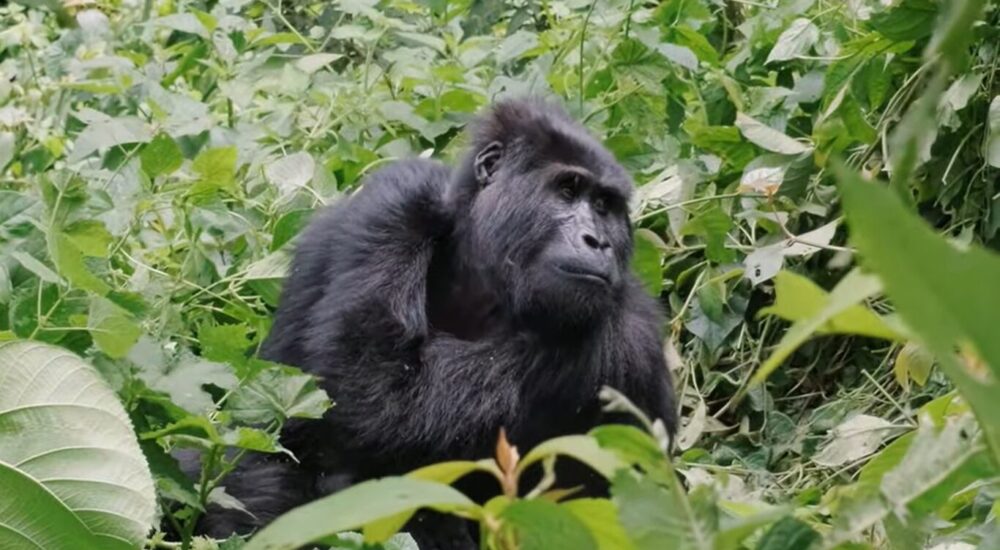
Bwindi Impenetrable Forest is home to over half of the world’s mountain gorilla population, with 11 habituated gorilla families open for trekking.
Chances of Seeing Gorillas in Bwindi
-
High success rate: Visitors have a 95–98% chance of seeing gorillas on a guided trek.
-
Factors affecting sightings: Weather conditions, terrain, and gorilla movement can slightly influence success.
-
Permit system: Trekking requires a permit (~$700 per person), which ensures controlled access and protection for gorillas.
Visitors are guided by experienced rangers, trained to track gorilla movements using GPS, sound, and signs such as fresh nests and feeding areas.
Best Seasons for Gorilla Trekking in Bwindi
Uganda has two rainy seasons: March–May and October–November.
-
Dry seasons (June–September and December–February) are ideal for trekking:
-
Trails are less slippery and more accessible.
-
Gorilla visibility is slightly higher as they move to more predictable feeding areas.
-
-
Rainy seasons: Trails can be muddy, but gorilla encounters are still very likely.
Volcanoes National Park, Rwanda
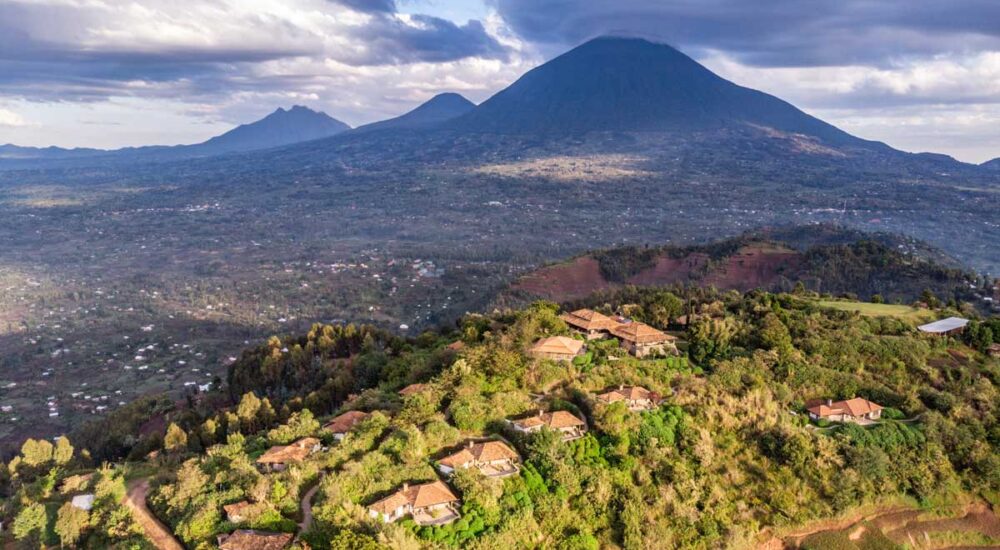
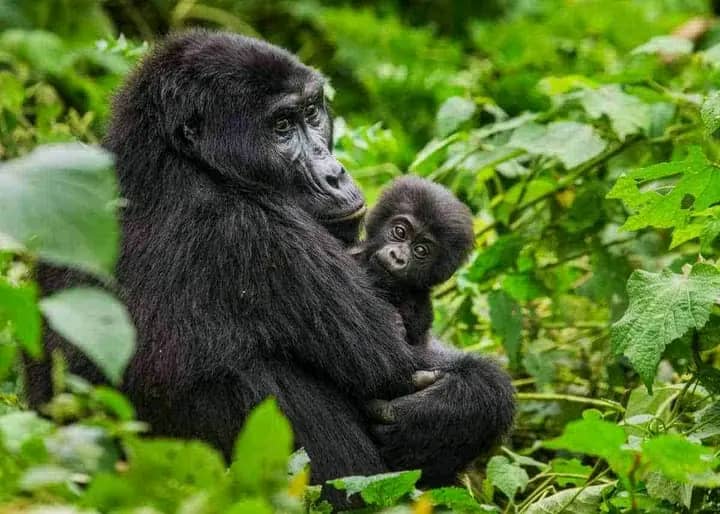
Volcanoes National Park, Rwanda, is another prime gorilla trekking destination, famous for its Silverback-led gorilla families and well-maintained trekking trails. The park is smaller than Bwindi, which allows for easier access and shorter treks.
Chances of Seeing Gorillas in Rwanda
-
Extremely high success rate: About 98–100%, due to fewer habituated families and well-trained guides.
-
Gorilla families: Trekking permits (~$1,500 per person) allow access to 10 habituated groups, each monitored daily by rangers.
-
Trekking difficulty: Trails vary from moderate to steep; guides match groups to visitors’ fitness levels.
Best Seasons for Gorilla Trekking in Rwanda
-
Dry seasons (June–September and December–February) are optimal for comfort and trail safety.
-
Wet seasons (March–May and October–November) can be muddy, but gorilla sightings remain likely.
Tips to Maximize Your Chances of Seeing Gorillas
-
Book Permits in Advance – Gorilla trekking is limited to one permit per person per trek, so secure yours early.
-
Hire Experienced Guides – Local guides are trained to track gorillas efficiently while ensuring visitor safety.
-
Choose the Right Family – Some habituated gorilla groups are more active and visible than others.
-
Arrive Early – Early morning treks increase chances of spotting gorillas before they move deep into the forest.
-
Stay Fit and Prepared – Treks can last 2–8 hours; comfortable hiking shoes, water, and snacks are essential.
Why Your Trek Supports Conservation
By trekking with ethical operators like Monumental Expeditions and Safaris, you:
-
Contribute directly to gorilla conservation efforts.
-
Support local communities through employment and tourism revenue.
-
Help fund anti-poaching initiatives and habitat preservation.
Gorilla trekking is not just a tourist activity — it’s a powerful tool for wildlife protection.
Combining Uganda and Rwanda Gorilla Adventures
Many travelers combine Bwindi and Volcanoes National Park treks for a comprehensive gorilla experience. Doing so allows visitors to:
-
Compare gorilla families and habitats across countries.
-
Increase overall chances of sightings, as both parks have high success rates.
-
Extend their East African safari experience with wildlife viewing, cultural tours, and scenic landscapes.
Pro Tip: Ask Monumental Expeditions and Safaris about customized packages that include gorilla trekking, chimpanzee tracking, and safari drives, creating a full East African adventure.
What to Expect on the Trek
-
Gorilla Interaction Time: Visits are limited to 1 hour per group, ensuring minimal stress for the animals.
-
Photography: Capture memories, but avoid flash photography as it may disturb gorillas.
-
Safety Guidelines: Maintain a safe distance (7 meters) and follow guide instructions.
-
Eco-Friendly Behavior: Do not litter, and sanitize hands before the trek to prevent disease transmission.
Final Thoughts
Seeing mountain gorillas in Bwindi and Rwanda is one of the most rewarding wildlife experiences in the world. With high success rates, expert guides, and ethical trekking practices, your chances of encountering these majestic creatures are excellent.
Pairing your trek with cultural tours, safari drives, or chimpanzee tracking through Monumental Expeditions and Safaris ensures a holistic East African adventure, blending wildlife, nature, and culture.
Whether you choose Uganda, Rwanda, or both, gorilla trekking is a once-in-a-lifetime journey that connects you to nature, conservation, and the incredible story of one of the planet’s most endangered species.
Related Posts