Bwindi Impenetrable Forest Weather & Climate Guide
Bwindi Impenetrable Forest Weather & Climate Guide
Overview
Understanding Bwindi Impenetrable Forest weather and climate is essential for planning a successful gorilla trekking safari in Uganda. Bwindi is a true tropical rainforest, meaning weather conditions can change quickly, rainfall is frequent, and the forest remains lush throughout the year.
For travelers, this climate directly affects trekking conditions, visibility, packing needs, and overall comfort. While gorilla trekking happens year-round, knowing how the weather behaves allows you to choose the right time to visit and prepare properly.
This Bwindi Impenetrable Forest weather and climate guide explains seasonal patterns, monthly conditions, temperature ranges, and how climate influences your safari experience with Monumental Expeditions and Safaris.
Bwindi’s Unique Rainforest Climate
The Bwindi Impenetrable Forest climate is classified as tropical rainforest, influenced by altitude and its location along the Albertine Rift. The park sits between 1,160 and 2,600 meters above sea level, which moderates temperatures and creates a cooler environment compared to lowland tropical regions.
Humidity remains high throughout the year, and rainfall is a constant feature. Even during drier months, short showers can occur, making waterproof preparation essential.
This climate is what sustains Bwindi’s dense vegetation, diverse wildlife, and thriving gorilla population.
Temperature in Bwindi Impenetrable Forest
Temperatures in Bwindi Impenetrable Forest Uganda remain relatively stable throughout the year due to its elevation. Daytime temperatures typically range between 20°C and 25°C, while nighttime temperatures can drop to around 10°C to 15°C.
The cooler mornings and evenings are particularly noticeable in higher sectors such as Ruhija and Nkuringo. This makes layered clothing important for comfort during early morning treks.
Unlike many safari destinations, Bwindi does not experience extreme heat, making it more comfortable for extended trekking activities.
Rainfall Patterns in Bwindi
Rainfall is the defining feature of Bwindi Impenetrable Forest weather. The park experiences two main rainy seasons and two relatively drier periods.
The long rainy season occurs from March to May, bringing heavy and consistent rainfall. The short rainy season follows from October to November, with lighter but still frequent showers.
Dry seasons typically fall between June to September and December to February. These periods see reduced rainfall, though occasional showers are still possible.
Understanding these patterns helps travelers decide when to visit based on their preferences for trekking conditions and overall experience.
Dry Season in Bwindi Impenetrable Forest
The dry season is often considered the most comfortable time to experience Bwindi Impenetrable Forest weather and climate. Trails are less muddy, vegetation is slightly less dense, and trekking becomes easier.
From June to September, conditions are generally stable, making this the peak travel period. December to February offers another dry window, though it can be less predictable.
During these months, demand for gorilla permits increases significantly. Travelers should book in advance to secure their preferred dates.
For a detailed seasonal breakdown, explore:
Best Time to Visit Bwindi Impenetrable Forest
Rainy Season in Bwindi
The rainy season transforms Bwindi Impenetrable Forest Uganda into a vibrant, green landscape. The forest becomes denser, rivers flow more strongly, and birdlife becomes more active.
However, trekking conditions become more challenging. Trails can be slippery, steep sections become harder to navigate, and hikes may take longer.
Despite these challenges, the rainy season offers advantages such as fewer tourists and a more peaceful atmosphere. Permits may also be easier to secure during these months.
For travelers who enjoy a more immersive rainforest experience, this season can be highly rewarding.
Monthly Weather Breakdown
Each month in Bwindi Impenetrable Forest weather and climate offers a slightly different experience.
January and February are relatively dry, with good trekking conditions and clear views. March to May brings the heaviest rains, creating lush scenery but more difficult trails.
June to September is the main dry season, offering the best conditions for trekking and wildlife viewing. October and November introduce shorter rains, while December marks the return of drier conditions.
Choosing the right month depends on your balance between comfort, crowd levels, and budget.
How Weather Affects Gorilla Trekking
The Bwindi Impenetrable Forest weather directly influences trekking conditions.
During dry months, trails are easier to navigate, and trekking times are often shorter. In the rainy season, mud and dense vegetation can slow progress, making treks more physically demanding.
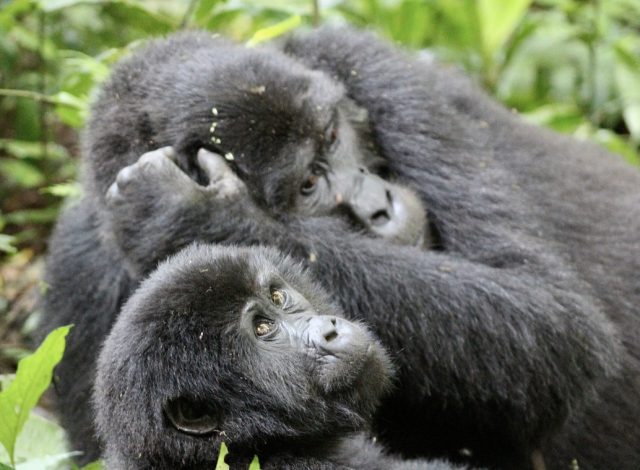
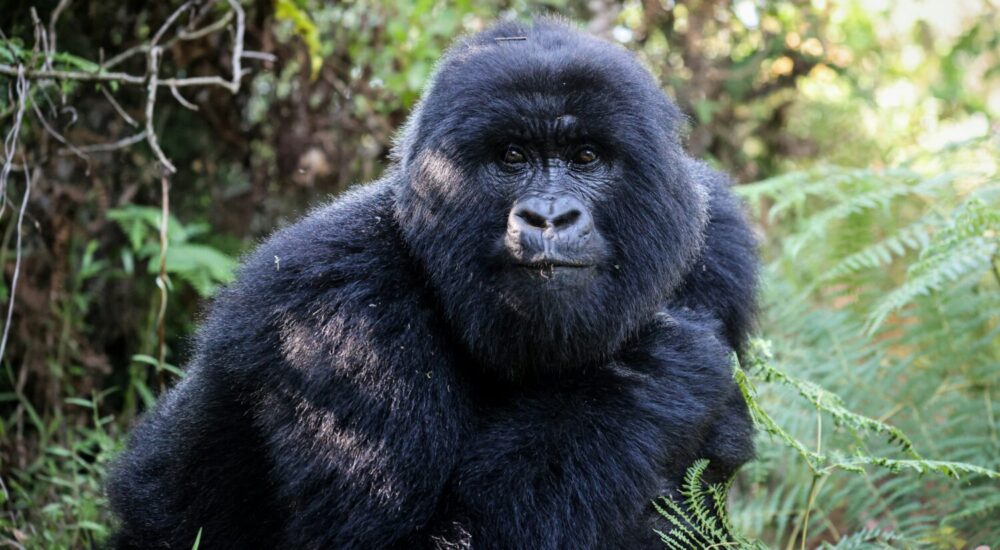
However, gorilla sightings remain consistent throughout the year. The weather does not affect the presence of gorillas, as they remain within the forest regardless of conditions.
Understanding this helps travelers focus on comfort and preparation rather than worrying about the quality of the encounter.
Weather Differences Across Bwindi Sectors
The Bwindi Impenetrable Forest climate varies slightly across its sectors due to differences in altitude and terrain.
Ruhija and Nkuringo, located at higher elevations, tend to be cooler and wetter. Buhoma and Rushaga, at lower altitudes, experience slightly warmer conditions.
These variations can influence your trekking experience and should be considered when choosing a sector.
For a detailed comparison, explore:
Bwindi Impenetrable Forest: Buhoma vs Ruhija vs Rushaga vs Nkuringo
Packing for Bwindi Weather Conditions
Preparing for Bwindi Impenetrable Forest weather and climate requires thoughtful packing.
Waterproof clothing is essential, including a rain jacket and protective gear for cameras and electronics. Sturdy hiking boots with good grip are necessary for navigating uneven terrain.
Layered clothing helps adapt to changing temperatures throughout the day. Long sleeves and trousers provide protection against insects and vegetation.
Regardless of the season, being prepared for rain ensures a more comfortable trekking experience.
Bird Watching and Climate Conditions
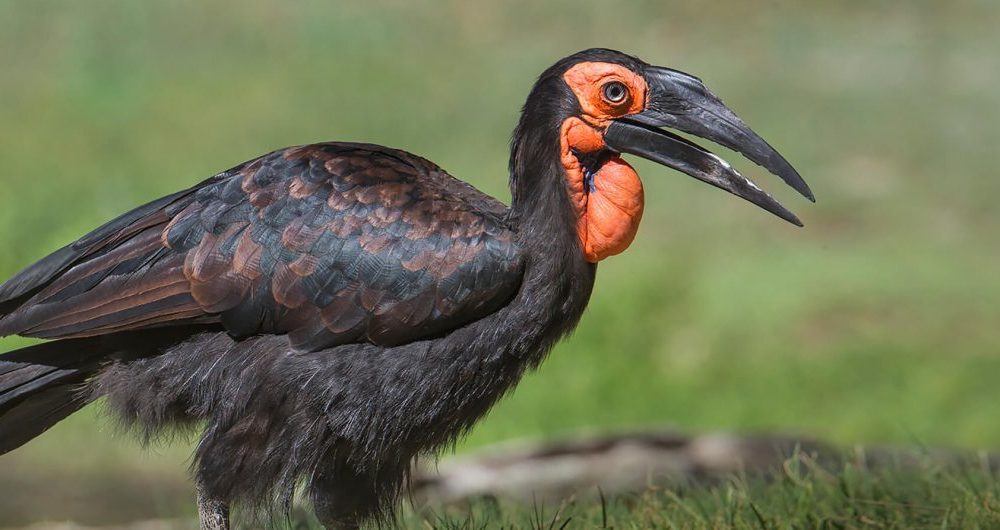
The Bwindi Impenetrable Forest climate plays a significant role in bird activity. Rainy seasons often bring increased bird movement and vocal activity, making it an excellent time for bird watchers.
Ruhija sector, in particular, benefits from these conditions, offering opportunities to spot rare Albertine Rift species.
For more insights, explore:
Ruhija Sector Bwindi: Gorilla Tracking & Bird Watching
Combining Weather with Travel Planning
Understanding Bwindi Impenetrable Forest weather helps you align your safari with other destinations.
Dry seasons are ideal for combining Bwindi with wildlife parks such as Queen Elizabeth National Park or Murchison Falls, as road conditions improve and wildlife viewing is enhanced.
For multi-country itineraries, explore:
East Africa Tourist Visa & Gorilla Permit Bundle Guide
This ensures your travel plans are coordinated across different regions.
Why Bwindi Is a Year-Round Destination
Despite its unpredictable Bwindi Impenetrable Forest climate, the park remains open for trekking throughout the year. Gorilla permits are issued daily, and sightings are highly reliable regardless of weather conditions.
This makes Bwindi one of the few destinations where visitors can plan a trip at any time and still have a successful experience.
The key is adjusting expectations and preparing for the conditions rather than avoiding certain seasons entirely.
Planning Your Bwindi Safari
Understanding Bwindi Impenetrable Forest weather and climate allows you to plan your safari with confidence. It helps you choose the right time to visit, pack appropriately, and prepare for trekking conditions.
Monumental Expeditions and Safaris provides expert guidance, ensuring that your itinerary aligns with seasonal patterns and your personal preferences. From permit booking to accommodation selection, every detail is carefully coordinated.
With the right preparation, the weather becomes part of the experience, enhancing your connection to one of Africa’s most remarkable natural environments.
Related Posts