
Primate Trekking Safaris in Uganda: An Unforgettable Wildlife Experience Uganda, fondly known as the “Pearl…
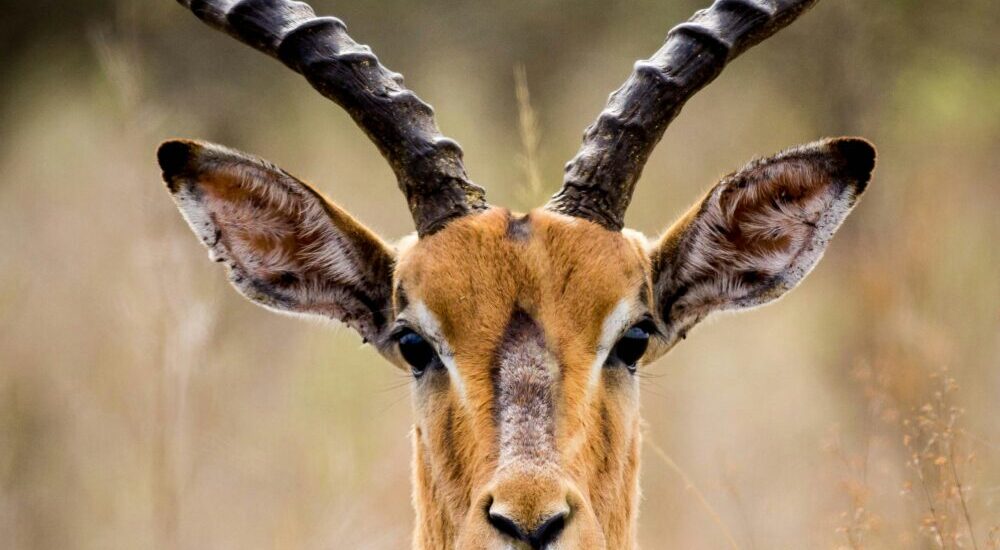
Eland, Topi & Roan Antelope at Lake Mburo
Eland, Topi & Roan Antelope at Lake Mburo
Uganda is widely celebrated for mountain gorillas, chimpanzees, and the Big Five, but the country’s diverse landscapes also support an impressive variety of antelope species. Among the best places to observe these graceful mammals is Lake Mburo National Park, a compact yet wildlife-rich protected area located in southwestern Uganda. The park’s rolling savannahs, acacia woodlands, wetlands, and rocky outcrops create ideal habitats for numerous herbivores, making it one of the most rewarding destinations for wildlife enthusiasts.
Visitors exploring the park often seek out three remarkable antelope species: the Eland, Topi, and Roan Antelope. These animals contribute significantly to the park’s ecological balance and offer exceptional wildlife viewing opportunities. Although Lake Mburo is especially famous for its large eland population and healthy topi numbers, discussions about antelope conservation in Uganda frequently include the rare and majestic roan antelope, a species that represents one of Africa’s most beautiful grazing mammals.
For travelers interested in understanding Uganda’s lesser-known wildlife treasures, exploring the world of Eland, Topi & Roan Antelope at Lake Mburo provides a fascinating safari experience that extends beyond traditional game viewing.
Discovering the Antelope Diversity of Lake Mburo National Park
Located approximately four hours from Kampala, Lake Mburo National Park covers about 370 square kilometers and protects one of Uganda’s most accessible savannah ecosystems. Despite being the country’s smallest savannah national park, it hosts an impressive concentration of wildlife.
The park supports more than 68 mammal species and over 350 bird species. Its varied habitats provide abundant grazing and browsing opportunities, allowing different antelope species to thrive.
Unlike many East African parks dominated by large predators, Lake Mburo offers exceptional opportunities to observe herbivores in relatively peaceful surroundings. This makes wildlife encounters more relaxed and often allows visitors to spend extended periods observing animal behavior.
The presence of extensive grasslands, permanent water sources, and acacia woodland creates perfect conditions for antelope populations, particularly the eland and topi, which are among the park’s signature species.
The Eland: Africa’s Largest Antelope
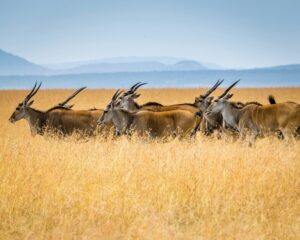 The Eland at Lake Mburo is one of the park’s most iconic wildlife attractions. As the largest antelope species in Africa, the common eland commands attention through its impressive size, gentle demeanor, and remarkable adaptability.
Adult males can weigh up to 1,000 kilograms and stand nearly two meters at the shoulder. Despite their enormous size, elands possess surprising agility and can jump over obstacles exceeding two meters in height.
Their light brown coats, spiral horns, and distinctive dewlap make them easily recognizable during game drives and walking safaris.
Why Lake Mburo is Famous for Elands
Lake Mburo National Park supports one of Uganda’s most significant populations of elands. The combination of open grasslands and woodland habitats provides abundant food resources throughout the year.
Visitors frequently encounter herds grazing peacefully across the savannah. During certain times of the day, these large antelopes move between feeding areas and water sources, creating excellent photographic opportunities.
Unlike some antelope species that remain elusive, elands often tolerate vehicles at moderate distances, allowing travelers to observe their behavior closely.
Eland Behavior and Social Structure
Elands typically live in herds ranging from a few individuals to several dozen animals. Females and young animals often form larger groups, while mature bulls may become more solitary.
These antelopes feed on grasses, leaves, fruits, and shrubs, making them highly adaptable to changing environmental conditions.
One fascinating characteristic of elands is the clicking sound produced by their leg tendons when walking. Researchers believe this sound may play a role in communication within herds, particularly during movement through dense vegetation.
Elands are generally calm animals, but their immense strength and speed make them formidable when threatened.
Best Places to Spot Elands in Lake Mburo
The open savannah regions surrounding Rwonyo, Kazuma Track, and Zebra Track offer some of the best opportunities for viewing elands.
Morning and late afternoon game drives typically provide the highest chances of successful sightings, as temperatures remain cooler and animals remain active.
Visitors participating in guided walking safaris often enjoy particularly memorable encounters with these magnificent antelopes.
The Topi: The Sentinel of the Savannah
 Among the most frequently observed species in the park is the Topi at Lake Mburo. Recognized for its striking coloration and alert behavior, the topi is considered one of East Africa’s most elegant antelopes.
Topis possess a distinctive reddish-brown coat with darker patches on their upper legs and shoulders, creating a unique appearance unlike other antelope species.
Their sleek build, curved horns, and athletic physique make them among the fastest herbivores on the African plains.
Topi Habitat Preferences
Topis thrive in open grasslands where they can easily detect predators and monitor their surroundings. Lake Mburo’s expansive savannah provides ideal habitat conditions for these vigilant animals.
Visitors frequently observe topis standing on termite mounds, elevated rocks, or small rises in the landscape. This behavior allows them to maintain excellent visibility across their territory.
Their preference for open areas often makes them one of the easiest species to locate during game drives.
Social Behavior of Topis
Topis display fascinating social dynamics. Females typically live in herds with their offspring, while dominant males establish territories within prime grazing areas.
These territories play an important role during breeding seasons when males compete for access to females.
Topis communicate through body posture, scent marking, and vocal signals. Their highly organized social structure helps maintain stability within populations.
Topi Adaptations for Survival
One reason topis flourish in East African grasslands is their exceptional speed. They can reach speeds exceeding 70 kilometers per hour when escaping danger.
Their keen eyesight and elevated observation habits further enhance their ability to detect threats.
Visitors often witness topis standing motionless on termite mounds while scanning the landscape, earning them the reputation of being the “watchmen” of the savannah.
Understanding the Roan Antelope
The Roan Antelope is one of Africa’s most impressive and beautiful antelope species. Although visitors rarely encounter roan antelope within Lake Mburo National Park today, discussions of Uganda’s antelope diversity often include this magnificent species because of its conservation importance and historical distribution.
Roan antelopes rank among the continent’s largest antelope species, second only to the giant eland in some regions.
Their distinctive appearance includes:
- A light brown body
- Black-and-white facial markings
- Long ears with dark tufts
- Strong ringed horns
- Muscular build
These characteristics make the roan antelope one of Africa’s most visually striking grazing animals.
Roan Antelope Distribution in Uganda
Historically, roan antelopes occurred in several regions of Uganda. Today, the largest surviving populations are associated with protected conservation areas, particularly Pian Upe Wildlife Reserve.
Wildlife conservation programs continue working to protect remaining populations and improve habitat conditions.
For travelers interested in observing roan antelope during a Uganda safari, combining Lake Mburo with other wildlife reserves may increase opportunities to learn about this remarkable species.
Ecological Importance of Roan Antelope
Roan antelopes play a valuable ecological role within savannah ecosystems.
As grazers, they help regulate grass growth, influence vegetation structure, and contribute to nutrient cycling.
Their presence also supports broader ecosystem health by maintaining balanced interactions between herbivores and plant communities.
Conservation efforts aimed at protecting roan antelope populations ultimately benefit many other species sharing the same habitats.
Why Lake Mburo is a Paradise for Antelope Lovers
Few parks in East Africa provide such excellent opportunities to observe multiple antelope species in a relatively compact area.
In addition to eland and topi, visitors may encounter:
- Impalas
- Bushbucks
- Defassa waterbucks
- Oribis
- Klipspringers
- Duikers
- Bohor reedbucks
Lake Mburo is particularly special because it hosts Uganda’s only population of impalas, adding another unique dimension to wildlife viewing.
The abundance of herbivores creates a rich ecological tapestry and provides countless opportunities for photography, wildlife observation, and ecological learning.
Best Wildlife Activities for Viewing Antelope at Lake Mburo
One of the reasons Lake Mburo stands out among Uganda’s safari destinations is the variety of wildlife activities available.
Game Drives
Morning and evening game drives remain the most popular method for observing Eland, Topi & Roan Antelope-related wildlife experiences.
Professional guides understand animal movements and know the most productive viewing areas.
Walking Safaris
Lake Mburo is one of the few national parks in Uganda where guided walking safaris are widely available.
Exploring the savannah on foot offers a completely different perspective and allows visitors to appreciate antelope behavior in greater detail.
Walking safaris frequently produce memorable encounters with elands, topis, zebras, and other herbivores.
Horseback Safaris
Horseback safaris represent one of Lake Mburo’s most unique activities.
Because wildlife generally perceives horses as less threatening than vehicles, visitors can often approach animals more closely.
Observing grazing elands and topis from horseback creates a truly immersive safari experience.
Boat Cruises
Although boat excursions focus primarily on aquatic wildlife, they occasionally reveal antelope species visiting shorelines to drink.
Combining a boat cruise with traditional game viewing provides a comprehensive overview of the park’s ecosystems.
Conservation of Antelope Species in Uganda
The long-term survival of Uganda’s antelope populations depends upon effective conservation strategies.
Protected areas such as Lake Mburo National Park play a vital role in safeguarding wildlife habitats and supporting healthy populations.
Uganda Wildlife Authority collaborates with conservation organizations, researchers, and local communities to address challenges including:
- Habitat degradation
- Human-wildlife conflict
- Illegal hunting
- Climate-related pressures
Tourism contributes significantly to conservation success by generating revenue that supports park management and wildlife protection.
Visitors who choose responsible safari operators directly contribute to ongoing conservation efforts.
Combining Lake Mburo with Other Uganda Wildlife Destinations
Many travelers include Lake Mburo as part of a broader Uganda safari itinerary.
The park’s strategic location makes it an excellent addition to journeys that include:
Bwindi Impenetrable National Park for gorilla trekking.
Queen Elizabeth National Park for tree-climbing lions and boat safaris.
Kibale National Park for chimpanzee tracking.
Murchison Falls National Park for Big Five wildlife experiences.
Combining these destinations creates a diverse safari that showcases Uganda’s extraordinary biodiversity.
At Monumental Expeditions and Safaris, customized itineraries allow travelers to experience the best of Uganda’s wildlife, from mountain gorillas and chimpanzees to zebras, elands, and topis.
Experience Uganda’s Remarkable Antelope Heritage
The story of Eland, Topi & Roan Antelope at Lake Mburo highlights the incredible diversity that makes Uganda one of Africa’s most rewarding safari destinations. While gorillas and chimpanzees often dominate travel headlines, the country’s antelope populations offer equally fascinating wildlife encounters.
Watching a herd of elands crossing the savannah, observing vigilant topis surveying the plains, or learning about the conservation of roan antelope provides valuable insight into Uganda’s rich ecosystems.
For photographers, wildlife enthusiasts, birders, and nature lovers, Lake Mburo National Park delivers unforgettable experiences within one of East Africa’s most scenic landscapes.
Book Your Lake Mburo Safari
Ready to discover the incredible Eland, Topi & Roan Antelope at Lake Mburo?
Contact Monumental Expeditions and Safaris for expertly crafted Uganda wildlife adventures that combine Lake Mburo National Park with gorilla trekking, chimpanzee tracking, and other iconic safari experiences.
Explore Uganda’s diverse wildlife and experience the beauty of Africa’s antelope-rich landscapes.
Related Posts
The Tourism Guide in Uganda 2026: Your Ultimate Safari & Adventure Handbook Uganda — the…
Ssezibwa Falls in Uganda: A Hidden Gem of Culture and Nature Uganda, famously known as…