
How Many Tourists Visit Gorillas Each Day? Understanding Gorilla Trekking Numbers and Conservation Gorilla trekking…
Supporting Women-Owned Businesses on Safari in Uganda
Supporting Women-Owned Businesses on Safari in Uganda
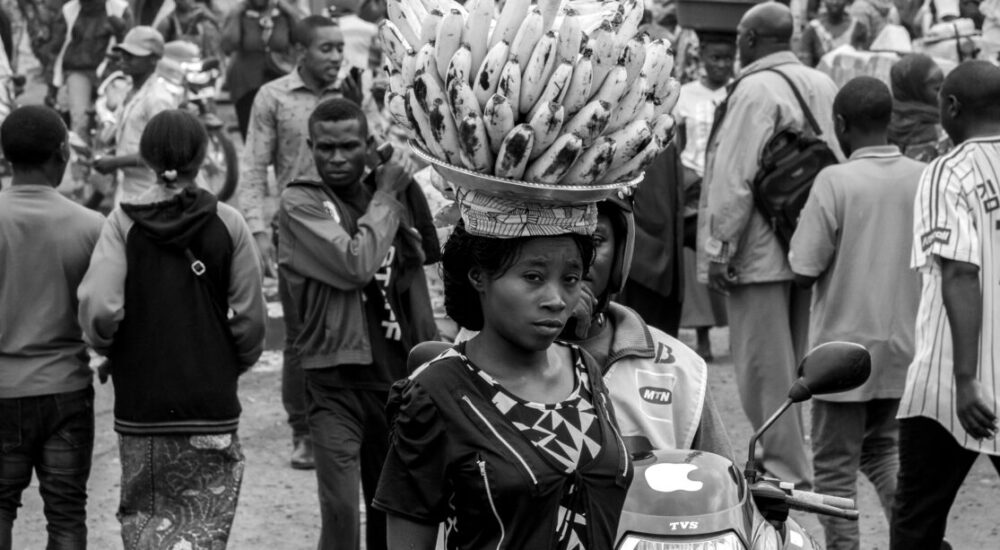
Uganda’s safari industry is widely celebrated for its mountain gorillas, wildlife safaris, lush rainforests, and cultural diversity, but behind many of these unforgettable experiences are women playing a transformative role in tourism and conservation. Across Uganda’s national parks, cultural villages, craft markets, eco-lodges, and community tourism projects, women-owned businesses are becoming an increasingly important part of the safari economy.
For travelers seeking more meaningful and responsible travel experiences, supporting women-owned businesses on safari in Uganda creates a direct and positive impact on local communities while enriching the overall journey. From handmade crafts near Bwindi Impenetrable Forest to female-led conservation initiatives around Queen Elizabeth National Park, these businesses contribute not only to tourism but also to education, economic independence, family livelihoods, and community development.
Modern safari travel is no longer only about wildlife encounters. It is also about understanding the people and communities that shape the destination. In Uganda, supporting women entrepreneurs has become one of the most powerful ways travelers can contribute to sustainable tourism.
The Growing Role of Women in Uganda’s Safari Industry
 For many years, tourism in Africa was traditionally male-dominated, particularly in safari guiding, conservation management, and hospitality leadership. However, Uganda has experienced a significant shift as more women establish businesses and leadership roles within the tourism sector.
Women now operate safari lodges, cultural tourism enterprises, handicraft cooperatives, restaurants, transport services, and conservation programs linked to Uganda’s national parks.
This transformation has created broader opportunities for women in rural regions where employment options were once limited. Tourism has become a pathway toward financial independence, education access, and stronger community participation.
The rise of women-led tourism in Uganda is also helping diversify safari experiences by introducing visitors to authentic local traditions, storytelling, culinary experiences, and cultural craftsmanship often rooted in generations of knowledge.
Women-Owned Craft Businesses Around Gorilla Trekking Destinations
One of the most visible ways travelers support women-owned businesses is through local crafts and handmade products sold near gorilla trekking regions such as Bwindi Impenetrable National Park and Mgahinga Gorilla National Park.
Women’s cooperatives in these areas create baskets, textiles, jewelry, wood carvings, woven bags, and traditional art inspired by local culture and forest life.
Purchasing handmade crafts directly from these groups provides income that supports families, school fees, healthcare, and community projects. It also helps preserve traditional skills that might otherwise disappear under modern economic pressures.
For travelers on a gorilla trekking Uganda safari, visiting women-led craft markets adds a meaningful cultural dimension to the wildlife experience.
Unlike mass-produced souvenirs, these products often carry personal stories and cultural significance, making them more valuable as travel memories.
Community Tourism and Women’s Empowerment
Community tourism projects around Uganda’s national parks increasingly involve women as entrepreneurs, guides, performers, and hospitality providers.
Near Bwindi Forest, women participate in cultural dance groups, cooking experiences, storytelling programs, and traditional village tours designed for safari visitors.
These experiences not only diversify tourism activities but also ensure that women benefit directly from conservation-related tourism revenue.
In areas surrounding Queen Elizabeth National Park and Kibale Forest, women-run cooperatives also support agricultural tourism, tea experiences, and local food production connected to safari itineraries.
Supporting women-owned safari businesses in Uganda helps strengthen community resilience while creating a more inclusive tourism industry.
Women in Safari Lodges and Hospitality
The hospitality sector in Uganda’s safari industry has seen growing female leadership in lodge management, guest services, and eco-tourism operations.
Many eco-lodges near gorilla trekking regions and wildlife parks now employ women in key operational roles, including chefs, hospitality managers, sustainability coordinators, and guest experience teams.
Some women have gone further by establishing their own boutique lodges and guesthouses focused on eco-friendly tourism and cultural authenticity.
Travelers who choose accommodations that prioritize female employment and leadership contribute to broader gender equality within Uganda’s tourism economy.
This is particularly important in rural tourism areas where employment opportunities for women have historically been limited.
Supporting Female Safari Guides and Conservationists
One of the most inspiring developments in Uganda’s tourism sector is the growing number of female safari guides and conservation professionals.
Female guides are increasingly leading gorilla trekking experiences, birdwatching tours, nature walks, and wildlife safaris across Uganda’s national parks.
Their presence challenges traditional stereotypes while providing role models for younger generations entering tourism and conservation careers.
Women are also actively involved in anti-poaching initiatives, environmental education, community outreach, and wildlife conservation programs linked to Uganda’s protected areas.
Travelers who support female safari guides in Uganda help encourage greater inclusivity within conservation tourism.
The Link Between Women’s Empowerment and Conservation
Supporting women-owned businesses in safari regions has a direct connection to wildlife conservation.
When local communities benefit economically from tourism, they are more likely to support conservation initiatives and protect surrounding ecosystems.
Women who earn sustainable income through tourism often invest directly in family welfare, education, healthcare, and community stability. This reduces economic pressures that can contribute to deforestation, poaching, or habitat destruction.
In gorilla trekking areas, women-led businesses help strengthen the long-term sustainability of conservation tourism by creating alternative livelihoods connected to forest protection.
This makes responsible safari tourism in Uganda not only a travel experience but also a social and environmental investment.
Women-Owned Food and Culinary Experiences
Uganda’s culinary culture is another area where women entrepreneurs are making a significant impact within safari tourism.
Across safari routes, women-run restaurants, community kitchens, and local food experiences introduce travelers to authentic Ugandan cuisine using locally sourced ingredients.
Travelers can enjoy traditional dishes such as matoke, groundnut sauce, millet bread, fresh tilapia, and Ugandan tea while learning about the cultural significance behind the meals.
These culinary experiences provide direct economic support to local women while enriching the safari journey beyond wildlife viewing.
Food tourism is increasingly becoming part of Uganda safari holidays, especially for travelers seeking immersive cultural experiences.
Why Travelers Are Choosing More Responsible Safaris
Modern travelers are increasingly interested in how their spending affects destinations and local communities.
Rather than focusing only on luxury or sightseeing, many safari visitors now prioritize:
- Ethical tourism practices
- Community benefit sharing
- Sustainable conservation models
- Female empowerment initiatives
- Authentic cultural interaction
Supporting women-owned businesses aligns perfectly with these priorities.
Travelers who intentionally engage with women-led tourism enterprises often leave Uganda with deeper emotional connections and a stronger understanding of local culture.
This shift reflects the growing importance of responsible tourism in East Africa.
How Monumental Expeditions and Safaris Supports Community Tourism
At Monumental Expeditions and Safaris, we believe that safari tourism should benefit both wildlife and local communities.
Our itineraries include opportunities for travelers to engage with women-led tourism initiatives, community craft groups, cultural programs, and locally owned businesses across Uganda.
Whether through gorilla trekking safaris in Bwindi, wildlife tours in Queen Elizabeth National Park, or chimpanzee tracking experiences in Kibale Forest, we aim to create journeys that support conservation and community development simultaneously.
By working with local women entrepreneurs and community tourism projects, we help ensure that tourism creates long-term positive impact beyond the safari experience itself.
The Importance of Ethical Shopping on Safari
One of the simplest ways travelers can support women-owned businesses is through thoughtful purchasing decisions during their safari.
Buying handmade crafts, locally produced textiles, traditional jewelry, or locally sourced products directly from women’s cooperatives ensures that tourism income stays within the community.
Ethical shopping also encourages cultural preservation by sustaining traditional craftsmanship and artistic expression.
Travelers should prioritize authentic locally made products over imported or mass-produced souvenirs that offer little community benefit.
This approach strengthens the sustainability of community tourism in Uganda.
Women and the Future of Uganda’s Safari Industry
The future of Uganda’s tourism industry will increasingly depend on inclusive and sustainable development models.
Women are already shaping this future through entrepreneurship, conservation leadership, hospitality innovation, and cultural preservation.
As tourism continues growing, supporting women-owned businesses will remain essential for ensuring that economic opportunities are shared fairly across communities.
Travelers have the power to contribute to this transformation simply through the choices they make during their safari.
By supporting women-led initiatives, visitors help build a tourism industry that protects wildlife while also empowering people.
Why Supporting Women-Owned Businesses Makes Your Safari More Meaningful
Safari travel becomes far more rewarding when travelers understand the human stories connected to conservation landscapes.
Meeting women artisans near Bwindi, dining at locally run establishments, or participating in female-led cultural experiences adds depth and emotional connection to the safari journey.
These interactions transform tourism from passive observation into meaningful cultural exchange.
In many cases, travelers discover that the people they meet become just as memorable as the wildlife encounters themselves.
Supporting women-owned businesses on safari in Uganda creates a more authentic, responsible, and impactful travel experience for everyone involved.
Plan a Responsible Safari in Uganda
Uganda offers extraordinary wildlife experiences, but its true richness also lies in the people and communities that shape its tourism landscape.
By supporting women-owned businesses, travelers contribute to conservation, community development, and long-term sustainability while enjoying deeper cultural experiences throughout their safari.
At Monumental Expeditions and Safaris, we design journeys that combine gorilla trekking, wildlife safaris, and meaningful community engagement across Uganda’s most iconic destinations.
Visit Monumental Expeditions and safaris to plan your responsible safari experience in Uganda today.
Related Posts
How Can I Contribute to Gorilla Conservation After My Visit? Gorilla trekking is one of…
1. Introduction to Gorilla Trekking Gorilla trekking is a unique form of eco-tourism that involves…