
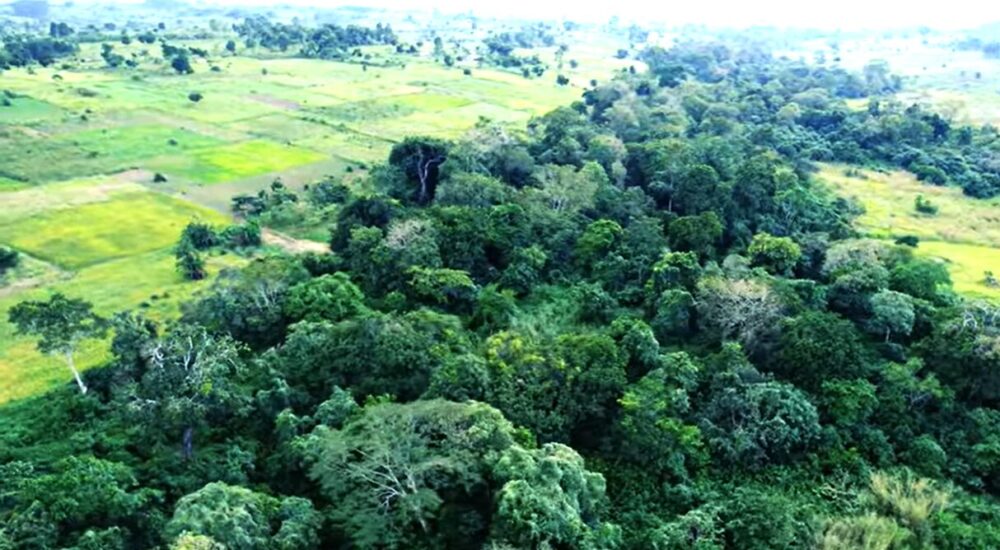
Budongo Central Forest – Chimpanzee Trekking Budongo Central Forest Reserve is a haven for primate…
Primate Safari Uganda: 5 Species in One Trip
Primate Safari Uganda: 5 Species in One Trip
Uganda is one of the most biologically rich countries in Africa, and few travel experiences demonstrate this better than a primate safari in Uganda. Within a single journey, travelers can encounter an extraordinary diversity of primates living in rainforests, savannah woodlands, and mountain ecosystems. Unlike many safari destinations where primate viewing is limited to a single species, Uganda allows visitors to track up to five iconic primates in one carefully designed itinerary.
This rare concentration of primate life is why Uganda is often described as the “primate capital of Africa.” For travelers seeking a deeply immersive wildlife experience, a Uganda primate safari delivers unmatched variety, combining gorillas, chimpanzees, colobus monkeys, L’Hoest’s monkeys, and baboons within one unforgettable journey.
What makes this experience even more remarkable is that these encounters take place in completely different ecosystems, each with its own atmosphere, wildlife behavior, and landscape identity. From the misty forests of Bwindi to the lush rainforests of Kibale and the savannah edges of Queen Elizabeth National Park, Uganda offers a complete primate world in one country.
Uganda as Africa’s Ultimate Primate Destination
Uganda’s geographical position within the Albertine Rift Valley has created ideal conditions for primate evolution and biodiversity. Dense tropical forests, high rainfall, and protected conservation areas have allowed multiple primate species to thrive side by side.
A Uganda wildlife safari focused on primates is unlike any other experience in Africa because it combines both forest and savannah primate ecosystems in a single itinerary. Travelers can move from tracking mountain gorillas in Bwindi Impenetrable National Park to observing chimpanzees in Kibale Forest, then continue into open savannahs where baboons and vervet monkeys dominate the landscape.
This ecological variety is what makes Uganda so special. Instead of focusing on one signature species, the country offers a layered primate experience that reveals the complexity of Africa’s rainforest and woodland ecosystems.
Mountain Gorillas in Bwindi Impenetrable Forest
The most iconic highlight of any primate safari Uganda itinerary is undoubtedly the mountain gorilla experience in Bwindi Impenetrable National Park or Mgahinga Gorilla National Park.
Bwindi is a UNESCO World Heritage Site and one of the most biologically diverse rainforests in Africa. It is home to nearly half of the world’s remaining mountain gorilla population, making it one of the most important conservation areas on the continent.
Gorilla trekking begins early in the morning with a briefing from Uganda Wildlife Authority rangers before visitors enter the dense forest in search of habituated gorilla families. The trek can last anywhere from one to several hours depending on the location of the gorillas.
Once found, travelers spend a precious hour observing these gentle giants as they feed, groom, play, and interact within their natural environment. The emotional impact of this encounter is often described as profound and life-changing.
A gorilla trekking Uganda safari is not only a wildlife experience but also a conservation journey, as permit fees directly support gorilla protection and local community development.
Chimpanzees in Kibale Forest National Park
Kibale Forest National Park is widely regarded as the best destination for chimpanzee trekking in Africa. Often referred to as the “primate capital of the world,” Kibale hosts over 1,500 chimpanzees along with a remarkable diversity of other primates.
Chimpanzee trekking in Kibale offers a very different experience compared to gorilla trekking. Chimpanzees are highly active, vocal, and dynamic, often moving quickly through the forest canopy and communicating loudly across the trees.
Tracking them requires attention and agility, as their movement patterns change throughout the day. Once located, visitors observe complex social behaviors including grooming, feeding, and playful interactions.
A chimpanzee trekking Uganda experience in Kibale Forest is often combined with forest walks where other primates and bird species can also be observed, making it one of the most rewarding rainforest experiences in East Africa.
Black-and-White Colobus Monkeys in Kibale and Bwindi
 Among Uganda’s most visually striking primates are the black-and-white colobus monkeys. These elegant monkeys are commonly found in Kibale Forest and also appear in Bwindi Impenetrable Forest.
Their long white tails and contrasting black fur make them highly photogenic as they leap gracefully through the forest canopy. Unlike chimpanzees or gorillas, colobus monkeys are primarily leaf-eaters and tend to remain in stable social groups.
Large troops can often be seen during guided forest walks, especially in Kibale where primate density is exceptionally high.
For travelers on a Uganda primate safari, colobus monkeys provide a beautiful contrast to the more powerful and grounded presence of gorillas and chimpanzees.
L’Hoest’s Monkeys in Mountain Forests
L’Hoest’s monkeys are one of Uganda’s more elusive primates and are typically found in montane and forested regions such as Kibale and Bwindi.
These monkeys are known for their dark bodies, distinctive white beards, and shy behavior. They prefer dense vegetation and are rarely seen in open areas, making sightings particularly special.
Their quiet and cautious nature contrasts with the more energetic chimpanzees and social baboons, adding diversity to Uganda’s primate experience.
Encounters with L’Hoest’s monkeys often occur during forest hikes or as incidental sightings during gorilla trekking routes, adding unexpected highlights to Uganda wildlife safari tours.
Olive Baboons in Savannah and Forest Edges
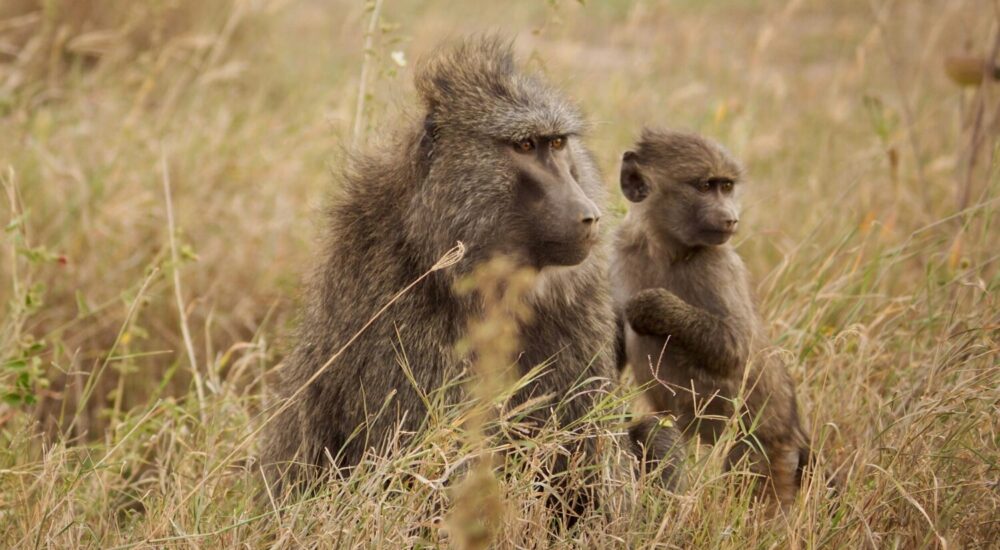
 The olive baboon is one of Uganda’s most adaptable primates and is commonly seen in savannah and woodland environments such as Queen Elizabeth National Park and Murchison Falls National Park.
Unlike forest-dwelling primates, baboons thrive in more open habitats and often move in large, complex social troops. Their behavior is highly intelligent, social, and sometimes opportunistic, especially near human settlements and park boundaries.
On game drives during a Uganda safari holiday, baboons are frequently encountered crossing roads, interacting within troops, or foraging across open landscapes.
Their presence adds a dynamic savannah dimension to Uganda’s primate diversity.
Vervet Monkeys in Open Landscapes
Vervet monkeys are another commonly observed primate species across Uganda’s national parks, lodges, and forest edges.
They are highly adaptable and often seen in groups near accommodation areas, riverbanks, and open savannah zones.
Their light grey bodies, black faces, and expressive behavior make them easily recognizable. Vervet monkeys are highly social and intelligent, often interacting with their environment in curious and playful ways.
For travelers, vervet monkeys provide frequent and entertaining sightings throughout a Uganda wildlife safari itinerary, especially in Queen Elizabeth and Murchison Falls National Parks.
How All Five Primates Fit Into One Safari Itinerary
One of the greatest advantages of a primate safari Uganda experience is the ability to combine all five species within a single journey.
A typical itinerary might begin in Kibale Forest for chimpanzee trekking, continue to Queen Elizabeth National Park for savannah primates like baboons and vervets, then proceed to Bwindi Impenetrable Forest for mountain gorillas and forest primates such as colobus and L’Hoest’s monkeys.
This structured route allows travelers to experience Uganda’s full primate diversity without long travel distances or complicated logistics.
Each destination adds a different ecological layer, from rainforest to savannah to mountainous terrain, creating a complete primate exploration journey.
Uganda’s Conservation Role in Protecting Primates
Uganda’s success in primate conservation is one of the key reasons it has become a global leader in wildlife tourism.
Protected national parks, community conservation programs, and strict wildlife regulations have helped stabilize and grow populations of endangered species, especially mountain gorillas and chimpanzees.
Tourism revenue from Uganda gorilla trekking safaris and chimpanzee permits plays a direct role in funding conservation efforts, anti-poaching patrols, and local community development.
This sustainable tourism model ensures that primate populations are protected while also benefiting surrounding communities economically.
Best Time for a Primate Safari in Uganda
Uganda offers year-round primate viewing opportunities, but dry seasons are generally preferred for easier trekking conditions.
Forest environments remain lush and active throughout the year, but dry periods make trails more accessible and improve hiking comfort.
Regardless of season, experienced guides ensure high success rates for primate tracking due to deep knowledge of animal behavior and habitat movement patterns.
Luxury and Midrange Experiences in Uganda Primate Safaris
Uganda offers a wide range of accommodation options, from luxury forest lodges to comfortable midrange safari camps.
Lodges near Bwindi and Kibale provide immersive forest experiences with panoramic views, personalized service, and proximity to trekking starting points.
Luxury travelers can enjoy private forest villas, spa treatments, and curated dining experiences, while midrange travelers benefit from well-located lodges offering comfort and convenience.
This flexibility makes Uganda suitable for a wide range of travelers seeking primate safari experiences in Africa.
Why Uganda Offers the Most Complete Primate Safari in Africa
Few destinations in the world offer such a concentrated diversity of primates within one country. Uganda stands out because it combines endangered species conservation, accessible trekking experiences, and ecological diversity across multiple habitats.
From mountain gorillas to chimpanzees, colobus monkeys to baboons, Uganda presents a complete primate ecosystem that allows travelers to experience Africa’s forests and savannahs in a single journey.
This makes it one of the most rewarding destinations for wildlife enthusiasts, photographers, conservation travelers, and adventure seekers.
Plan Your Primate Safari in Uganda
A primate safari Uganda experience is one of the most diverse wildlife journeys available in Africa. It brings together five primate species, multiple ecosystems, and world-class conservation experiences within a single itinerary.
At Monumental Expeditions and Safaris, we design customized Uganda safari packages that combine gorilla trekking, chimpanzee tracking, and full primate exploration routes tailored to your travel style.
Visit Monumental Expeditions and safaris to begin planning your Uganda primate safari today.
Related Posts
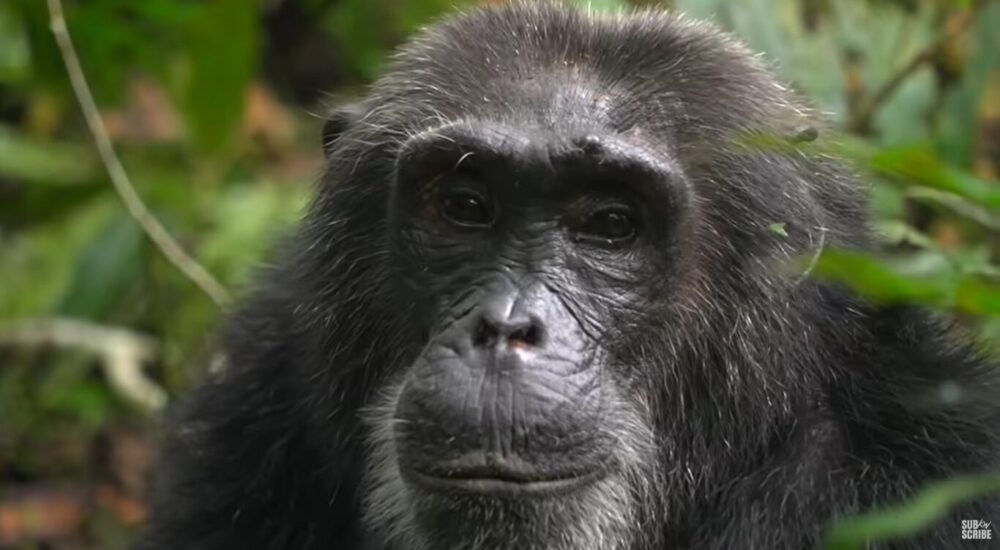
Chimpanzee Tracking in Kibale: Uganda's Primate Paradise Chimpanzee tracking in Kibale National Park offers one…
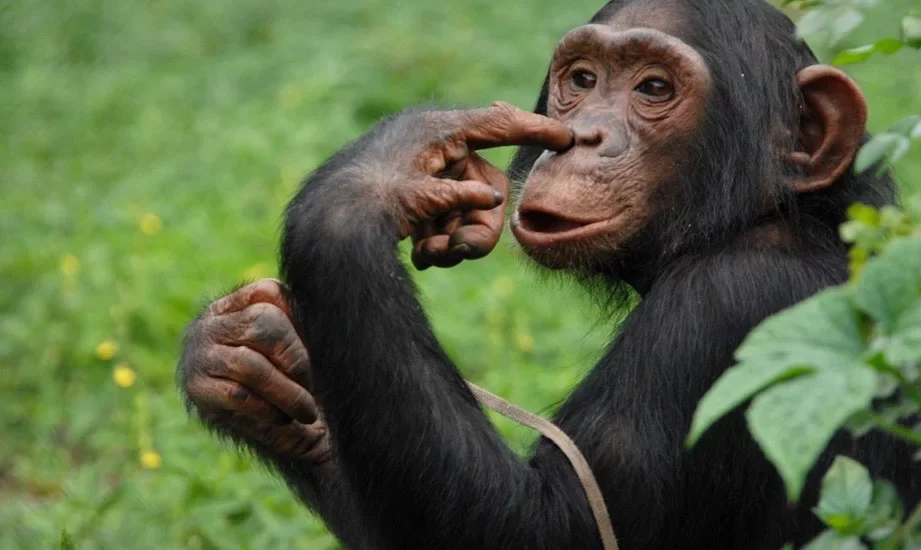
Why Choose Chimpanzee Trekking in Nyungwe Forest? Chimpanzee trekking in Nyungwe Forest National Park is…