Rwanda Gorilla Trekking Cost: A Comprehensive Overview Rwanda offers one of the most accessible and…
Knee Problems & Gorilla Trekking: Can You Still Go?
Knee Problems & Gorilla Trekking: Can You Still Go?
Knee Problems & Gorilla Trekking: Can You Still Go?
Gorilla trekking is one of Africa’s most powerful wildlife experiences, attracting travelers from all over the world to the misty forests of Uganda, Rwanda, and the Democratic Republic of Congo. It is an activity that involves hiking through dense jungle terrain in search of endangered mountain gorillas, often across uneven, muddy, and sometimes steep forest landscapes.
For many travelers, one important concern often arises before booking the experience: can you go gorilla trekking with knee problems? This question is especially common among older travelers, people recovering from injuries, or those with chronic joint pain. The good news is that having knee problems does not automatically disqualify you from participating in a gorilla trekking safari, but it does require careful planning, preparation, and realistic expectations.
At Monumental Expeditions and Safaris, we regularly assist travelers with different fitness levels and mobility concerns. Many guests with knee issues successfully complete gorilla trekking with the right support systems in place, including porters, walking sticks, shorter trekking routes, and proper pre-trip planning.
This guide explains what to expect, how challenging gorilla trekking really is on the knees, what options are available for travelers with joint problems, and how to make the experience safe and enjoyable.
Understanding the Physical Demands of Gorilla Trekking
To understand whether you can go gorilla trekking with knee problems, it is important to first understand the nature of the activity itself.
Gorilla trekking takes place in high-altitude rainforest environments where mountain gorillas live in protected national parks such as Bwindi Impenetrable National Park in Uganda and Volcanoes National Park in Rwanda. These landscapes are beautiful but naturally rugged.
The trekking duration can vary significantly depending on the location of the gorilla family on that particular day. Some treks may take one to two hours, while others can extend to six hours or more in each direction. The terrain often includes steep slopes, slippery mud, dense vegetation, and uneven forest trails.
Because of this variability, gorilla trekking in Africa is considered a moderately to physically demanding activity. However, it is not a race or extreme sport. Visitors move at a controlled pace guided by experienced trackers and rangers who adjust the speed according to the group’s fitness level.
For travelers with knee problems, the most important factor is not speed but endurance, stability, and proper support.
Can You Go Gorilla Trekking with Knee Problems?
In most cases, the answer is yes. Many travelers with mild to moderate knee issues successfully complete gorilla trekking every year. The key is understanding your personal limits and preparing accordingly.
Knee problems such as arthritis, previous injuries, mild joint instability, or general age-related discomfort do not automatically prevent participation. However, severe mobility restrictions or recent surgeries may require medical clearance before traveling.
One of the reasons gorilla trekking is still possible for people with knee concerns is the availability of support systems within the parks. Porters can assist with carrying bags, walking sticks are provided for balance, and guides often adjust trekking pace depending on group needs.
In some cases, trekkers may be assigned to gorilla families that are located closer to park entry points, reducing hiking time significantly. While this cannot be guaranteed, park rangers often consider visitor fitness when assigning trekking groups.
At Monumental Expeditions and Safaris, we always advise guests with knee conditions to inform us early so we can plan the most suitable trekking arrangement.
How Knee Problems Affect Gorilla Trekking Experience
Knee issues primarily affect three aspects of gorilla trekking: ascent, descent, and prolonged walking on uneven terrain.
Downhill sections are often more challenging than uphill climbs because they place additional pressure on the knee joints. Slippery mud, loose soil, and forest roots can also increase strain if proper footwear and support are not used.
However, most trekking paths are navigated at a controlled pace with frequent stops. Guides understand terrain difficulty and ensure that groups rest when necessary.
Porters play an extremely important role in reducing knee strain. By carrying backpacks and offering physical support during steep sections, porters significantly improve comfort for travelers with mobility concerns.
Walking sticks or hiking poles are also widely used and highly recommended for additional stability.
Medical Advice Before Gorilla Trekking with Knee Issues
Before planning a gorilla trekking safari, travelers with knee problems should consult a medical professional. This is especially important for individuals with chronic pain, ligament injuries, or recent orthopedic procedures.
Doctors can assess whether trekking in uneven terrain is safe and may recommend pain management strategies, braces, or mobility aids.
In some cases, medical professionals may advise avoiding long hikes or suggest physical preparation exercises before travel.
It is always better to understand your physical limits before arriving in Africa rather than facing difficulties during the trek itself.
Best Strategies for Managing Knee Problems During Trekking
One of the most effective ways to make gorilla trekking manageable with knee issues is using porters. Hiring a porter is not only a conservation-friendly decision but also a practical solution for physical support. Porters assist with carrying bags, pushing gently on steep sections, and providing stability when needed.
Proper footwear is equally important. Strong, waterproof hiking boots with ankle support help reduce strain on knees by improving stability on uneven ground.
Using trekking poles distributes weight more evenly across the body and reduces pressure on knee joints, especially during downhill sections.
Choosing a slower pace and communicating openly with guides also makes a significant difference. Guides are experienced in adjusting trekking speed and ensuring comfort for all participants.
Hydration and pacing are also essential. Fatigue increases strain on joints, so regular rest breaks help maintain energy levels throughout the trek.
Choosing the Right Gorilla Trekking Destination
Some destinations may be more suitable than others for travelers with knee problems.
Bwindi Impenetrable National Park in Uganda offers multiple trekking sectors, and some gorilla families are located closer to access points depending on daily tracking reports. This increases the possibility of shorter treks.
Mgahinga Gorilla National Park, also in Uganda, is generally smaller and may offer shorter hiking distances in some cases.
Rwanda’s Volcanoes National Park is known for relatively shorter trekking distances compared to Bwindi in some sectors, though terrain can still be steep.
While no destination can guarantee an easy trek, experienced operators like Monumental Expeditions and Safaris can help match travelers with the most suitable options based on physical ability.
What to Expect Physically During the Trek
Even with knee concerns, understanding what happens during the trek helps reduce anxiety and improve preparation.
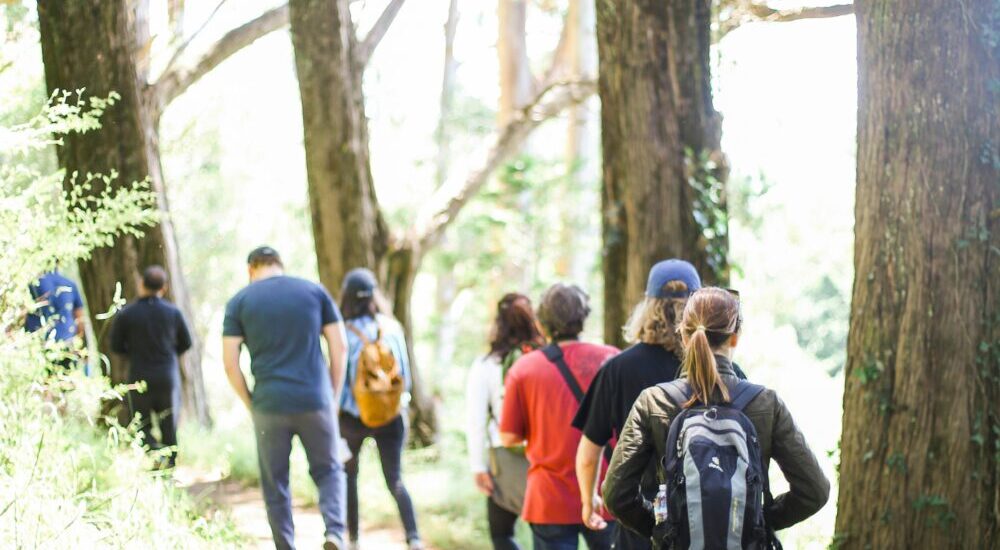
The trek begins early in the morning with a briefing from park rangers. From there, groups enter the forest accompanied by guides and trackers who lead the search for gorilla families.
Walking may involve forest paths, dense vegetation, muddy slopes, and occasional stream crossings. The pace is slow and controlled, with regular stops.
Once gorillas are located, visitors spend a maximum of one hour observing them in their natural habitat. During this time, there is minimal movement, allowing knees to rest completely.
The return journey may feel easier or more challenging depending on terrain and fatigue levels.
The Role of Porters in Supporting Travelers with Knee Problems
Porters are one of the most valuable support systems available during gorilla trekking. Their role extends far beyond carrying bags.
They assist travelers physically on difficult terrain, offer steady support during steep climbs, and help reduce the risk of slips or falls. For visitors with knee problems, hiring a porter can significantly improve comfort and confidence during the trek.
Porter services also contribute directly to local community livelihoods, making it both a practical and socially responsible choice.
When Gorilla Trekking May Not Be Suitable
While many people with knee problems can successfully trek, there are situations where gorilla trekking may not be advisable.
Severe mobility limitations, recent knee surgery, or conditions that prevent walking on uneven terrain may make trekking unsafe. In such cases, medical clearance is essential before attempting the activity.
Visitors who are unable to complete long walks may still enjoy other safari experiences in Uganda and Rwanda, such as wildlife game drives, boat cruises, cultural tours, and scenic sightseeing.
At Monumental Expeditions and Safaris, we can help design alternative itineraries that still include gorilla conservation education without physical trekking.
Mental Preparation for Trekking with Knee Concerns
Mental preparation plays a major role in managing physical challenges during gorilla trekking. Anxiety or fear of pain can sometimes increase discomfort.
Approaching the experience with realistic expectations and focusing on the reward of seeing mountain gorillas often helps shift attention away from physical strain.
Many travelers with knee issues report that the emotional experience of seeing gorillas in the wild outweighs temporary physical discomfort.
The presence of guides, porters, and fellow trekkers also provides reassurance throughout the journey.
What Happens If You Cannot Continue the Trek
In rare cases where a traveler cannot continue due to knee pain or fatigue, guides are trained to manage the situation safely.
Rest breaks are provided, and porters or support staff may assist in returning to the starting point if necessary. Safety is always prioritized over completion of the trek.
It is important to remember that gorilla trekking is not a competition. The goal is to have a safe and meaningful wildlife experience.
Why Many Travelers with Knee Problems Still Choose Gorilla Trekking
Despite physical challenges, many travelers with knee issues still choose gorilla trekking because of its unmatched emotional and wildlife value.
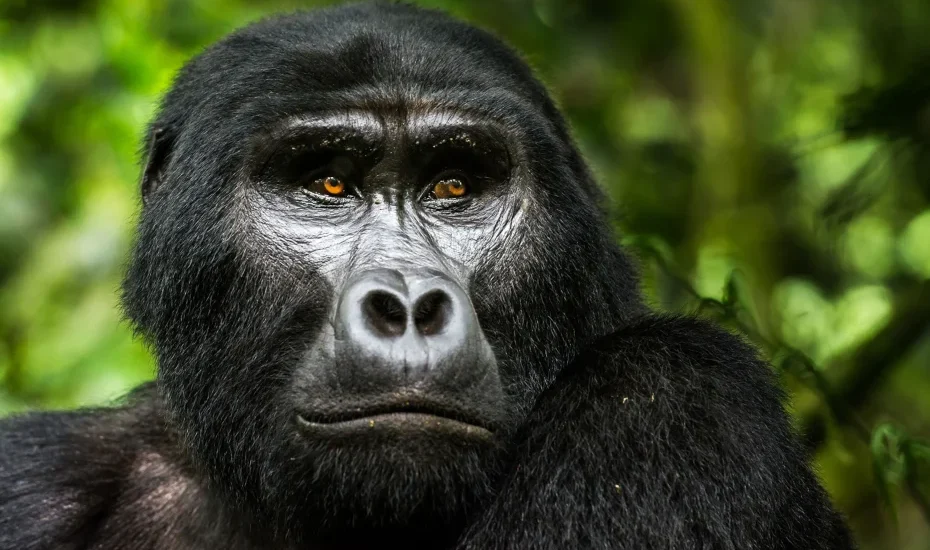
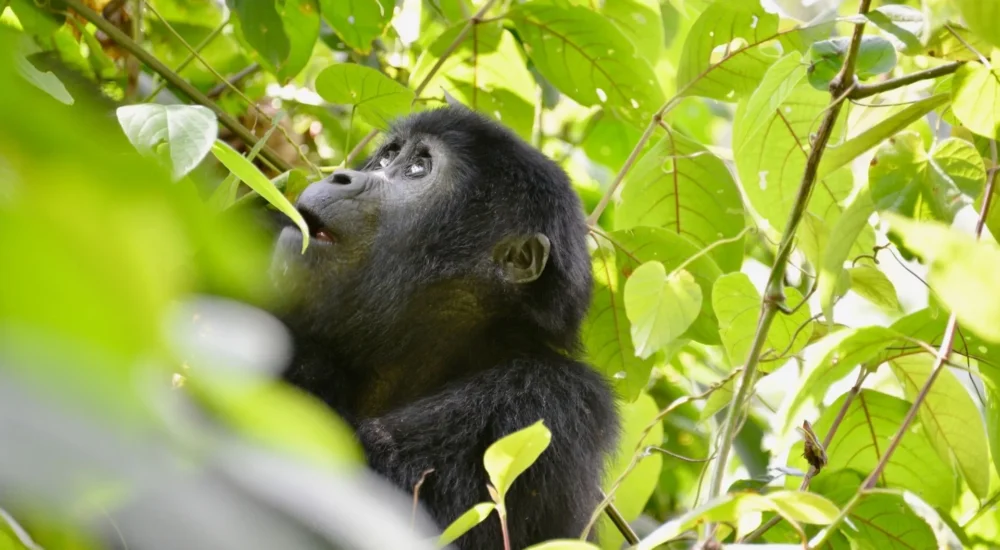
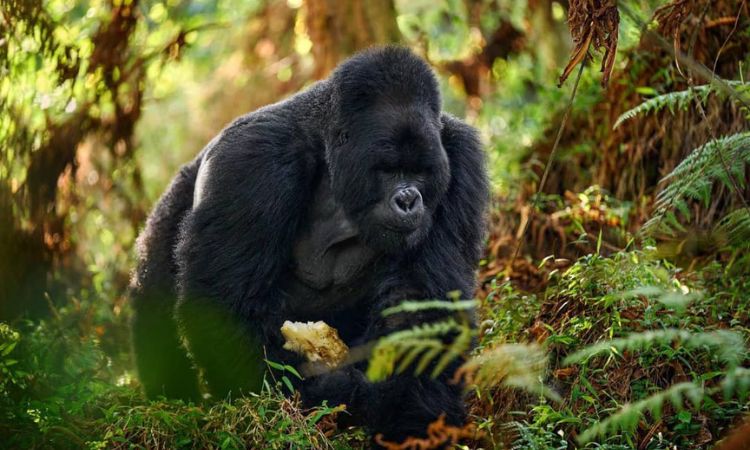
Seeing mountain gorillas in their natural habitat is often described as a once-in-a-lifetime experience. The opportunity to observe family interactions, silverback behavior, and infant gorilla play creates powerful memories.
For many visitors, the sense of achievement after completing the trek adds even more value to the experience.
Gorilla trekking is not just a physical journey but also an emotional and transformative one.
Plan Your Gorilla Safari with Expert Support
At Monumental Expeditions and Safaris, we specialize in designing customized gorilla trekking experiences for all types of travelers, including those with knee problems or mobility concerns.
We carefully match guests with suitable trekking sectors, arrange porter services, organize comfortable accommodations, and provide expert guidance throughout the safari journey.
Our goal is to ensure that every traveler enjoys a safe, comfortable, and unforgettable gorilla trekking experience regardless of physical limitations.
Conclusion
Having knee problems does not necessarily mean you cannot experience the magic of a gorilla trekking safari in Africa. With proper preparation, medical advice, physical support, and expert guiding, many travelers with joint concerns successfully complete the trek and enjoy unforgettable encounters with mountain gorillas.
The key is understanding your limitations, planning carefully, and using available support systems such as porters and trekking poles.
Gorilla trekking is a powerful experience that combines physical challenge with emotional reward. For many travelers, it becomes a defining moment that proves limitations can be managed with the right preparation and support.
With the guidance of experienced operators like Monumental Expeditions and Safaris, even travelers with knee problems can confidently take part in one of the world’s most extraordinary wildlife adventures.
Related Posts