
Why trek Gorillas in Mgahinga Gorilla National Park Mgahinga Gorilla National Park is another place…
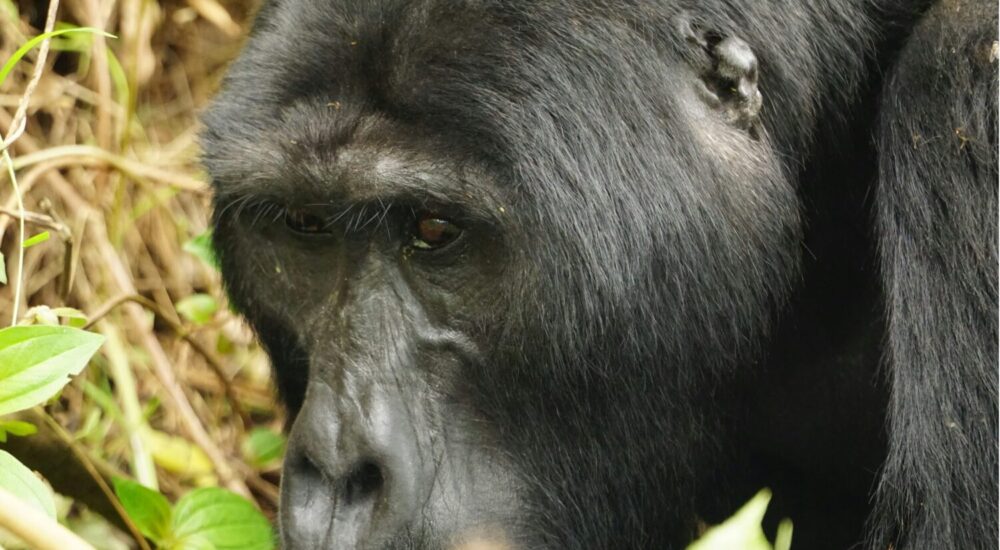
Best Time to Visit Bwindi Impenetrable Forest
Best Time to Visit Bwindi Impenetrable Forest
Overview
Understanding the best time to visit Bwindi Impenetrable Forest is essential for planning a successful gorilla trekking safari in Uganda. Bwindi is a year-round destination, but weather patterns, trekking conditions, permit availability, and overall experience vary across seasons.
Located in southwestern Uganda, Bwindi Impenetrable National Park sits in a tropical rainforest zone, which means rainfall is part of the ecosystem. However, this same climate sustains the dense vegetation and biodiversity that make the park one of Africa’s most extraordinary wildlife destinations.
This guide explains the best months to visit, what to expect in each season, and how to align your travel plans with gorilla trekking permits for a seamless safari experience with Monumental Expeditions and Safaris.
Bwindi’s Climate and Seasonal Patterns
The climate of Bwindi Impenetrable Forest Uganda is defined by two main dry seasons and two rainy seasons. Temperatures remain relatively stable throughout the year due to the park’s elevation, but rainfall patterns significantly influence trekking conditions.
Dry seasons typically occur from June to September and December to February. Rainy seasons fall between March to May and October to November.
These seasonal variations shape the trekking experience, affecting trail conditions, visibility, and overall comfort during your visit.
Visiting Bwindi During the Dry Season
The dry season is widely considered the best time to visit Bwindi Impenetrable Forest for most travelers. Trails are drier, less slippery, and easier to navigate, making gorilla trekking more manageable.
From June to September, the forest experiences lower rainfall, which improves hiking conditions and increases visibility within the dense vegetation. December to February offers similar advantages, though conditions can vary slightly.
During these months, demand for Bwindi gorilla trekking permits is at its highest. Travelers should book permits well in advance to secure their preferred dates.
The dry season is particularly suitable for first-time visitors and those concerned about physical difficulty.
Visiting Bwindi During the Rainy Season
The rainy season offers a different perspective on Bwindi Impenetrable Forest Uganda. From March to May and October to November, the forest becomes lush and vibrant, with dense greenery and active wildlife.
While trekking conditions are more challenging due to muddy and slippery trails, the experience remains rewarding. Fewer tourists visit during this time, creating a quieter and more exclusive atmosphere.
Permits may be easier to secure, and some lodges offer lower rates, making this season attractive for travelers seeking value.
For those willing to embrace the conditions, the rainy season provides a deeper sense of immersion in Bwindi’s natural environment.
Gorilla Trekking Experience Across Seasons
The core gorilla trekking experience does not change significantly with the seasons. Mountain gorillas remain in the forest year-round, and sightings are consistently successful regardless of weather.
However, the ease of the trek can vary. During the dry season, trails are more stable and easier to walk. In the rainy season, trekking may take longer due to challenging terrain.
Understanding the best time to visit Bwindi for gorilla trekking depends on whether you prioritize comfort or prefer fewer crowds and a more natural setting.
Permit Availability Throughout the Year
Permit availability is closely linked to the best time to visit Bwindi Impenetrable Forest.
During peak dry seasons, permits often sell out months in advance. Travelers planning to visit between June and September or December and February should secure permits early to avoid disappointment.
In contrast, rainy seasons offer more flexibility, with better chances of finding availability closer to your travel date.
Choosing the Right Month for Your Visit
Each month in Bwindi Impenetrable Forest Uganda offers a unique experience.
June to September is ideal for stable weather and easier trekking. October and November bring short rains but fewer crowds. December to February offers another dry window with good conditions. March to May is the wettest period, best suited for travelers seeking solitude and lower costs.
Selecting the right month depends on your travel priorities, including budget, flexibility, and tolerance for challenging conditions.
Impact of Seasons on Accommodation and Pricing
The best time to visit Bwindi Impenetrable Forest also affects accommodation availability and pricing.
During peak seasons, lodges fill up quickly, and rates are generally higher. Early booking is essential to secure preferred properties near your trekking sector.
In the rainy season, accommodation becomes more accessible, and some lodges offer reduced rates. This creates opportunities for travelers looking to balance cost and experience.contact ensures that your accommodation aligns with your permit and travel schedule, regardless of the season.
Combining Bwindi with Other Destinations
Timing your visit to Bwindi should also consider other destinations in your itinerary. Uganda offers diverse safari experiences, including wildlife viewing in Queen Elizabeth National Park and chimpanzee tracking in Kibale Forest.
The dry season is generally the best time for combining multiple parks, as road conditions and wildlife viewing improve across the country.
Sector Choice and Seasonal Impact
The choice of trekking sector can influence your experience depending on the season.
In wetter months, sectors with easier access such as Buhoma and Rushaga may be more manageable. Nkuringo, known for its steep terrain, can become more challenging during heavy rains.
For a detailed comparison, explore:
Bwindi Impenetrable Forest: Buhoma vs Ruhija vs Rushaga vs Nkuringo
Understanding sector differences helps you choose the best location for your travel time.
Health and Packing Considerations
Preparing for the best time to visit Bwindi Impenetrable Forest involves packing appropriately for the season.
During the dry season, lightweight clothing and sturdy hiking boots are essential. In the rainy season, waterproof gear becomes critical, including rain jackets and protective covers for equipment.
Regardless of the season, insect repellent, long-sleeved clothing, and comfortable hiking gear are necessary for trekking in a tropical rainforest environment.
Why Bwindi Is a Year-Round Destination
Despite seasonal differences, Bwindi Impenetrable Forest Uganda remains a year-round destination. Gorilla trekking is possible every day, and the park’s biodiversity ensures a rich experience in any month.
The key is aligning your expectations with seasonal conditions. Travelers who prioritize comfort may prefer the dry season, while those seeking fewer crowds and better value may find the rainy season more appealing.
This flexibility makes Bwindi one of the most accessible gorilla trekking destinations in Africa.
Planning Your Bwindi Gorilla Trekking Safari
Choosing the best time to visit Bwindi Impenetrable Forest is the foundation of your safari planning. It influences permit availability, trekking conditions, accommodation, and overall experience.
Monumental Expeditions and Safaris provides expert guidance to help you select the right travel dates, secure permits, and design an itinerary that matches your preferences.
Visit Monumental Expeditions and safaris to explore safari packages, check availability, and start planning your gorilla trekking adventure.
With the right timing and preparation, your journey into Bwindi becomes more than a trip. It becomes a deeply immersive experience in one of Africa’s most remarkable natural environments.
Related Posts
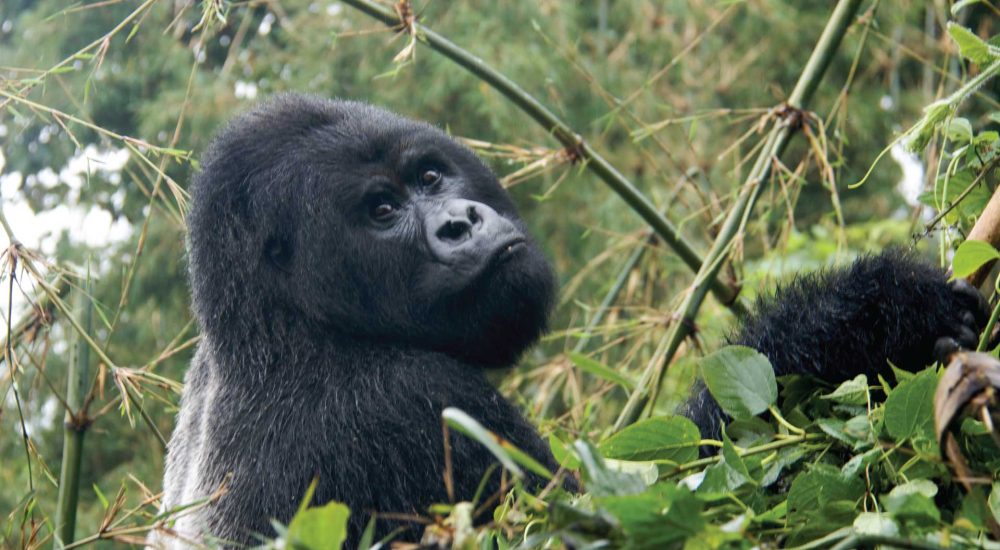
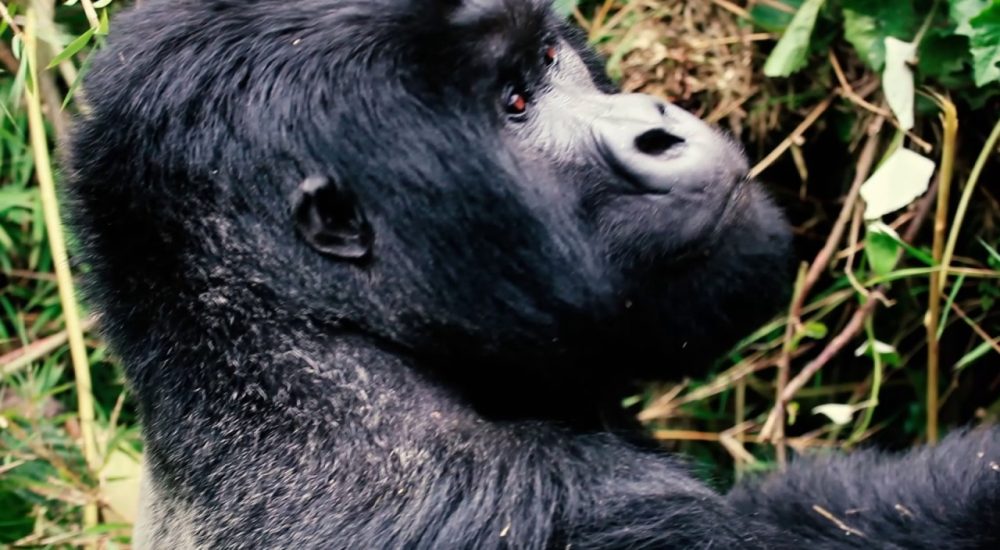
Gorilla Trekking in Nepal Gorilla trekking activity is a recently opened trekking course in Nepal…
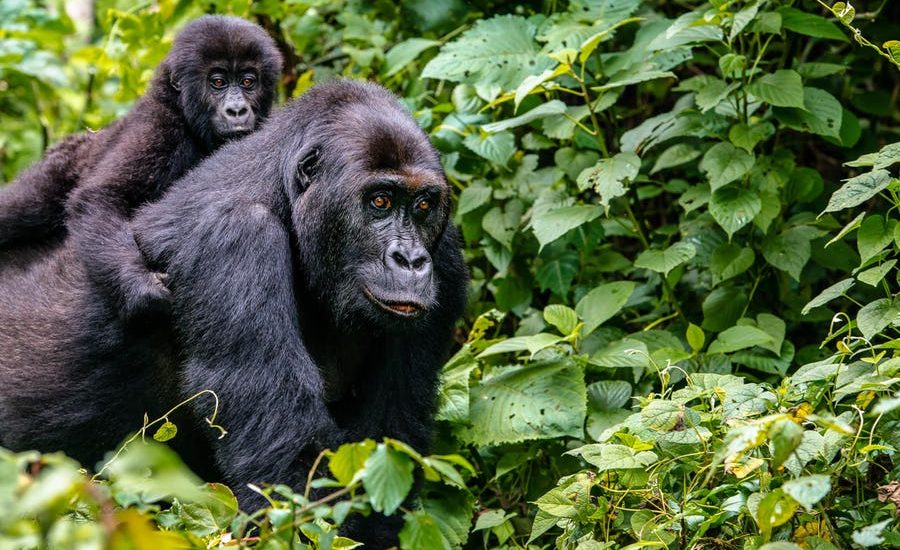
How Safe is Gorilla Trekking in Rwanda? Gorilla Trekking in Rwanda has highly become among…