African Parks Rewilds 2,000 White Rhinos in Historic Conservation Move In a groundbreaking move hailed…
African Safari Wildlife Conservation Success Stories
African Safari Wildlife Conservation Success Stories
Africa is one of the world’s most biodiverse continents, home to iconic wildlife species and vast ecosystems. However, many species have faced serious threats from poaching, habitat loss, and climate change. Fortunately, African safari wildlife conservation efforts have transformed tourism into a powerful tool for protecting wildlife and empowering local communities.
Today, many conservation success stories prove that responsible tourism and safari experiences play a vital role in preserving Africa’s natural heritage. By choosing sustainable travel options, visitors directly contribute to wildlife protection, habitat restoration, and community development.
At Monumental Expeditions and Safaris, we prioritize sustainable safari tourism that supports conservation projects across Africa while offering travelers unforgettable wildlife experiences.
Mountain Gorilla Conservation – A Remarkable Recovery Story
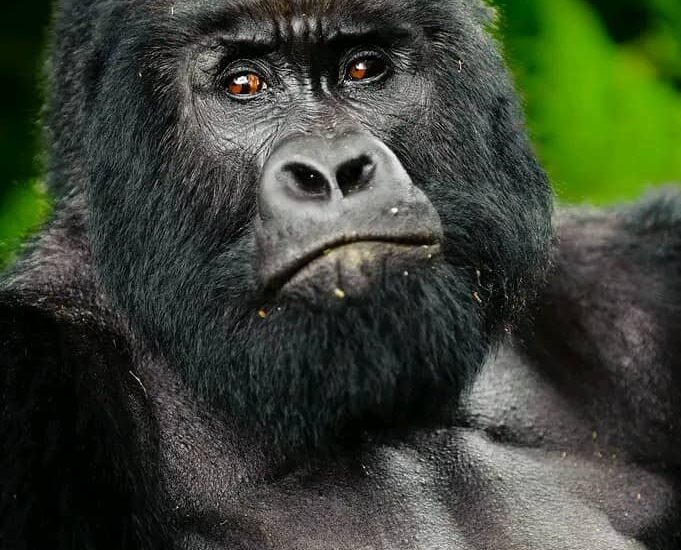
One of the greatest wildlife conservation success stories Africa has ever seen is the recovery of endangered mountain gorillas. Decades ago, mountain gorilla populations faced extinction due to poaching and habitat destruction.
Today, thanks to strict conservation efforts, gorilla numbers are steadily increasing. A major contributor to this success is eco-tourism and regulated gorilla trekking in protected habitats such as Bwindi Impenetrable National Park.
Gorilla trekking permits generate significant revenue that supports conservation, research, ranger patrols, and community development projects. Local communities benefit directly from tourism, reducing reliance on forest resources and discouraging poaching.
Organizations such as Uganda Wildlife Authority have played a critical role in enforcing anti-poaching laws and promoting sustainable tourism initiatives.
Why Gorilla Conservation Is Successful
-
Tourism revenue funds conservation projects
-
Strict permit systems limit visitor impact
-
Community involvement reduces wildlife conflict
-
Continuous research supports species protection
Today, mountain gorilla populations have grown significantly, proving that tourism can drive conservation success.
Experience responsible gorilla trekking while supporting conservation. Explore safari packages, here.
Rhino Conservation – Protecting Africa’s Giants
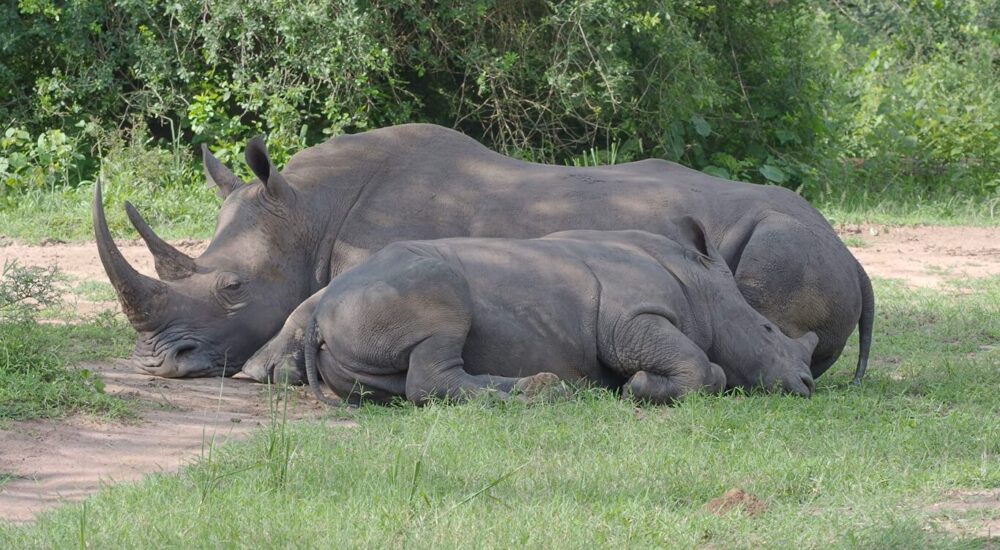
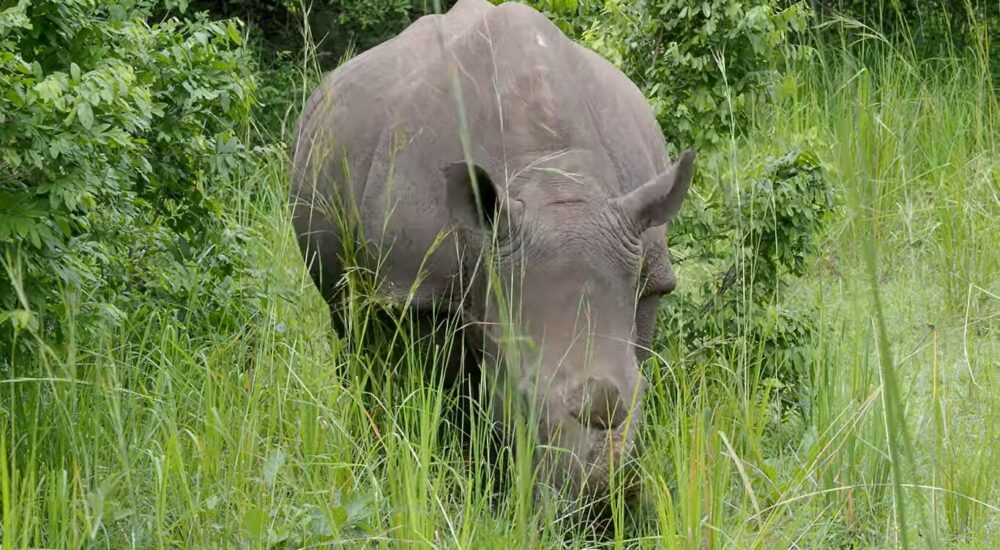
Rhinos are among Africa’s most threatened species due to illegal poaching driven by demand for rhino horn. However, dedicated conservation efforts have helped restore rhino populations in several safari destinations.
Private conservancies and national parks have introduced intensive protection strategies, including armed ranger patrols, monitoring technology, and community awareness programs.
One of the leading conservation success areas is Ziwa Rhino Sanctuary, which has successfully reintroduced rhinos into Uganda after decades of extinction.
Tourists visiting rhino sanctuaries contribute directly to conservation through entrance fees and educational tourism programs.
Key Rhino Conservation Achievements
-
Population recovery through breeding programs
-
Increased anti-poaching enforcement
-
Strong collaboration between governments and conservation groups
-
Tourism revenue supporting sanctuary management
Visit rhino conservation sanctuaries during your safari and support wildlife protection programs with Monumental Expeditions and Safaris.
Elephant Conservation – Reducing Human-Wildlife Conflict
African elephants are iconic safari animals but have historically faced threats from ivory poaching and habitat loss. Fortunately, conservation programs across Africa have successfully stabilized elephant populations in many regions.
Destinations such as Amboseli National Park have implemented successful elephant conservation programs focused on research, monitoring, and community education.
Conservation organizations, including African Wildlife Foundation, work closely with local communities to promote coexistence between humans and wildlife. Initiatives include building wildlife corridors and compensating farmers for crop damage caused by elephants.
Elephant Conservation Success Factors
-
Community-based conservation programs
-
Wildlife corridor development
-
Anti-poaching enforcement
-
Eco-tourism revenue funding research
Witness Africa’s majestic elephants while supporting conservation projects. Contact Monumental Expeditions and Safaris to design your elephant safari.
The Great Migration Ecosystem – Protecting Africa’s Largest Wildlife Movement
The Great Migration is one of the most spectacular natural events on Earth and represents a significant African safari wildlife conservation success. The migration depends on the protection of interconnected ecosystems spanning Serengeti National Park and Maasai Mara National Reserve.
Governments and conservation groups have successfully protected migration routes by restricting development and supporting wildlife-friendly land use. Tourism revenue from migration safaris funds park protection, ranger salaries, and community conservation projects.
Why Migration Conservation Matters
-
Protects one of the world’s largest wildlife ecosystems
-
Supports predator and prey balance
-
Generates millions in conservation funding
-
Preserves biodiversity across East Africa
Witness the Great Migration while supporting wildlife conservation. Book your migration safari, here.
Community-Based Conservation – Empowering Local People
One of the most effective conservation strategies in Africa is community involvement. Many safari destinations have introduced programs where local communities benefit financially from wildlife tourism.
When communities gain economic value from conservation, they become active participants in protecting wildlife habitats. Community projects often include:
-
Building schools and healthcare facilities
-
Creating employment through safari tourism
-
Supporting local handicraft industries
-
Promoting environmental education
These initiatives have significantly reduced poaching and habitat destruction in many African safari regions.
Travel responsibly and support community conservation projects through Monumental Expeditions and Safaris.
Predator Conservation – Protecting Africa’s Big Cats
Africa’s lions, cheetahs, and leopards have faced declining populations due to habitat loss and human-wildlife conflict. However, predator conservation programs have achieved impressive recovery results.
In destinations such as Okavango Delta, conservation authorities have established protected wildlife corridors and community education initiatives that support predator survival.
Safari tourism plays a vital role by funding predator monitoring programs and encouraging local communities to protect wildlife habitats instead of converting them into farmland.
Predator Conservation Success Includes
-
Stabilized lion populations in protected reserves
-
Increased awareness through wildlife tourism
-
Reduced illegal hunting through ranger patrols
-
Community incentives supporting conservation
Experience thrilling predator safaris while contributing to wildlife protection. Explore packages at Monumental Expeditions and safaris.
Wetland and Bird Conservation – Protecting Unique Ecosystems
Africa’s wetlands support incredible biodiversity, including rare birds, amphibians, and aquatic wildlife. Conservation programs have successfully protected fragile ecosystems through eco-tourism and environmental education.
Safari destinations like the Okavango Delta have implemented strict tourism guidelines that limit environmental impact while supporting wildlife monitoring and habitat restoration.
Birdwatching safaris generate conservation funding and raise awareness about the importance of preserving wetland ecosystems.
Discover Africa’s birdlife and wetland conservation safaris with Monumental Expeditions and Safaris.
Anti-Poaching Technology – Modern Conservation Innovation
Technology is transforming wildlife conservation across Africa. Conservation organizations now use advanced monitoring tools, including:
-
GPS tracking collars for wildlife monitoring
-
Drone surveillance for anti-poaching patrols
-
Satellite tracking for migration studies
-
Wildlife data analysis for conservation planning
These technological innovations have improved wildlife protection and enhanced safari experiences by providing accurate animal tracking information.
Sustainable Safari Tourism – The Future of Conservation
Sustainable tourism is one of the most effective ways to support wildlife conservation in Africa. Responsible safari operators prioritize eco-friendly practices such as:
-
Supporting local conservation programs
-
Minimizing environmental impact
-
Promoting ethical wildlife viewing
-
Partnering with community projects
Travelers choosing eco-friendly safaris help ensure that Africa’s wildlife remains protected for future generations.
Choose sustainable safari tourism with Monumental Expeditions and Safaris and help protect Africa’s wildlife heritage.
How Monumental Expeditions and Safaris Supports Conservation
Monumental Expeditions and Safaris is committed to promoting sustainable safari tourism by partnering with conservation organizations and local communities.
Our conservation-focused services include:
-
Responsible wildlife safari planning
-
Gorilla trekking permit arrangements supporting conservation funding
-
Community-based cultural safari experiences
-
Eco-friendly safari accommodations
-
Conservation education for travelers
Plan your conservation-focused African safari today, here.
Why Conservation Safaris Matter to Travelers
Choosing conservation-based safari experiences offers benefits beyond wildlife viewing. Travelers gain meaningful educational experiences while contributing to environmental protection.
Conservation safaris allow visitors to:
-
Support endangered species recovery
-
Contribute to local community development
-
Promote environmental awareness
-
Experience authentic and responsible travel
These safaris create deeper connections between travelers and Africa’s ecosystems while ensuring sustainable tourism growth.
The Future of African Wildlife Conservation
Africa’s conservation success stories prove that wildlife protection and tourism can work together. Governments, conservation organizations, safari operators, and local communities continue to collaborate to protect Africa’s biodiversity.
Future conservation goals include:
-
Expanding protected wildlife habitats
-
Enhancing anti-poaching technology
-
Strengthening community conservation programs
-
Promoting sustainable tourism globally
With continued support from responsible travelers, Africa’s wildlife will continue to thrive.
Final Thoughts
The success of African safari wildlife conservation demonstrates the powerful impact of responsible tourism. From gorilla recovery programs to rhino protection and community conservation initiatives, Africa is proving that wildlife and tourism can coexist successfully.
By choosing Monumental Expeditions and Safaris, travelers not only enjoy unforgettable wildlife encounters but also contribute to preserving Africa’s natural heritage.
Africa’s wildlife conservation success stories are still being written—and your safari adventure can be part of that story.
Start planning your conservation-focused safari today at Monumental Expeditions and safaris and help protect Africa’s incredible wildlife.
Related Posts