Do Mountain Gorillas Live in Uganda? Uganda is one of the most remarkable wildlife destinations…
Gorilla Trekking vs Gorilla Tracking: Is There a Difference?
Gorilla Trekking vs Gorilla Tracking: Is There a Difference?
When planning a wildlife adventure in East Africa, terms like gorilla trekking and gorilla tracking often pop up, leaving many travelers puzzled. Are they the same thing? Or is there a subtle yet significant distinction that could impact your safari experience? In this comprehensive guide, we’ll dive deep into the world of mountain gorillas, exploring the nuances between these two activities. Whether you’re a first-time visitor or a seasoned safari enthusiast, understanding these differences can help you choose the perfect itinerary. At Monumental Expeditions and Safaris, we specialize in crafting unforgettable gorilla tours in Uganda, Rwanda, and the Democratic Republic of Congo (DRC), ensuring you get the most out of your encounter with these majestic primates.
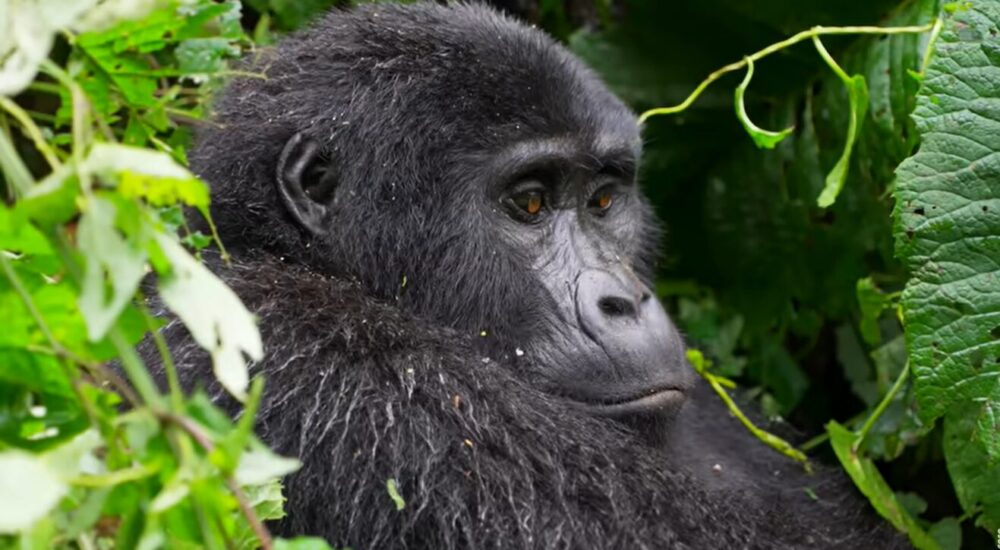
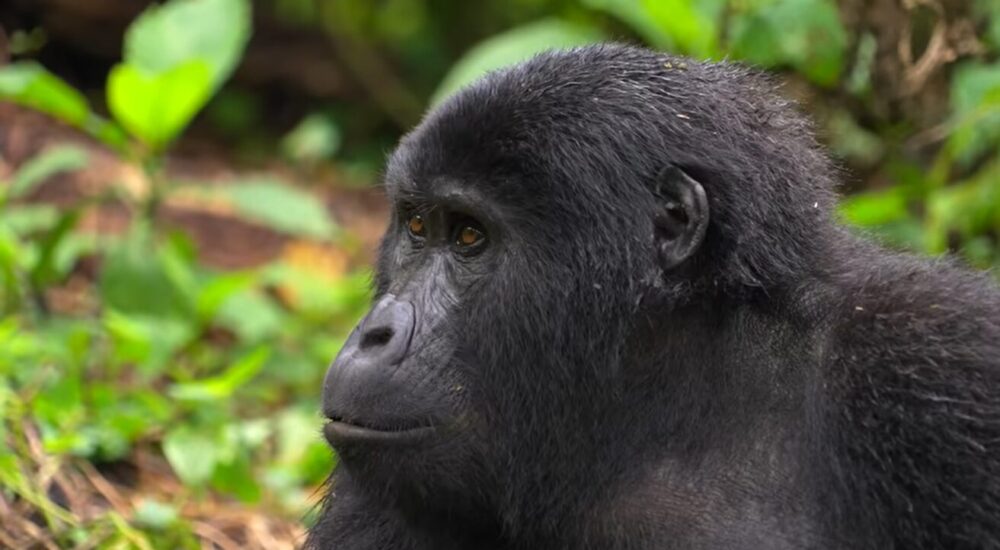
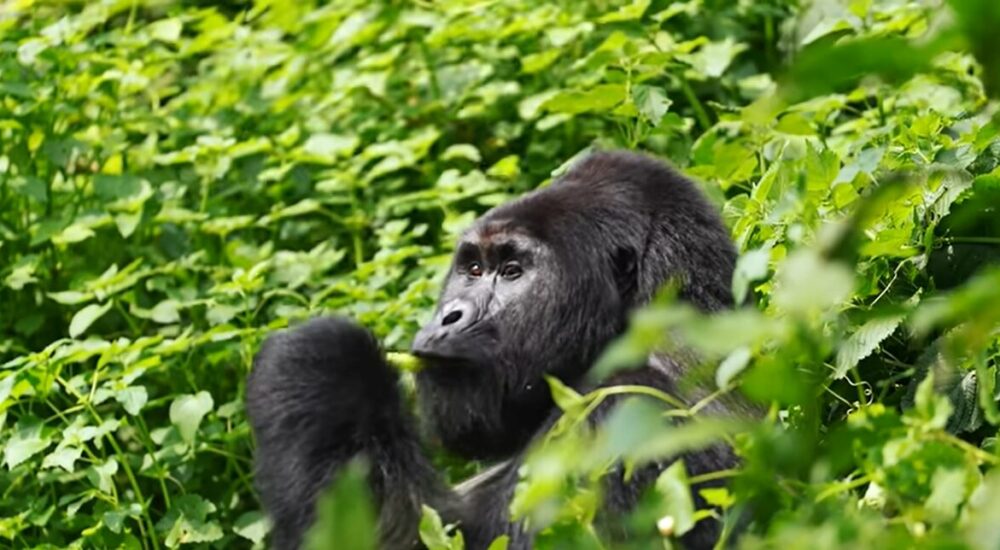
Mountain gorillas, one of the world’s most endangered species, inhabit the lush, misty forests of Bwindi Impenetrable National Park and Mgahinga Gorilla National Park in Uganda, Volcanoes National Park in Rwanda, and Virunga National Park in the DRC. With only about 1,063 individuals left in the wild as of the latest census, these gentle giants draw thousands of tourists each year seeking life-changing wildlife experiences.

Their conservation story is one of triumph, thanks to dedicated efforts by local governments, NGOs, and tour operators like Monumental Expeditions and Safaris, who prioritize sustainable tourism.
But let’s address the core question: gorilla trekking vs gorilla tracking—is there really a difference? The short answer is yes, though the terms are frequently used interchangeably in casual conversations and marketing materials. To clarify, we’ll break it down step by step, drawing from expert insights and real-world experiences from our tours.
What is Gorilla Tracking?
Gorilla tracking refers to the specialized process of locating and monitoring mountain gorilla families in their natural habitat. This activity is primarily carried out by experienced rangers, researchers, and conservationists who venture into the forest early each morning to find the gorillas based on their last known location from the previous day.
The process begins at dawn. Trackers, often part of an advance team employed by national parks, use a combination of skills and clues to pinpoint the gorillas’ whereabouts. They look for fresh signs such as footprints, broken vegetation, fresh dung, and nests where the gorillas slept the night before. These nests, made from bent branches and leaves, are typically abandoned at first light as the family moves in search of food.
Why is gorilla tracking essential? Mountain gorillas are nomadic, roaming up to several kilometers daily through dense, mountainous terrain. Without tracking, finding them would be like searching for a needle in a haystack. This preparatory work ensures a higher success rate—often 99%—for tourists. In Uganda’s Bwindi Impenetrable Forest, for instance, trackers communicate via radio with guides, providing real-time updates on the gorillas’ movements.
Gorilla tracking also serves broader purposes beyond tourism. Researchers use it for scientific studies, monitoring health, behavior, and population dynamics. During gorilla censuses, which occur every few years, teams track families to count individuals and assess threats like poaching or disease. Conservation organizations like the International Gorilla Conservation Programme (IGCP) rely on tracking data to inform protection strategies.
At Monumental Expeditions and Safaris, our expert guides often share stories from the tracking teams during briefings. For example, on our 3-Day Gorilla Trekking Safari in Uganda, you’ll learn how trackers habituate gorilla families—a multi-year process where wild gorillas are gradually accustomed to human presence, making safe interactions possible.
In essence, gorilla tracking is the behind-the-scenes groundwork that makes magical encounters feasible. It’s not typically an activity open to tourists unless you’re part of a research or habituation experience, which we’ll touch on later.
What is Gorilla Trekking?
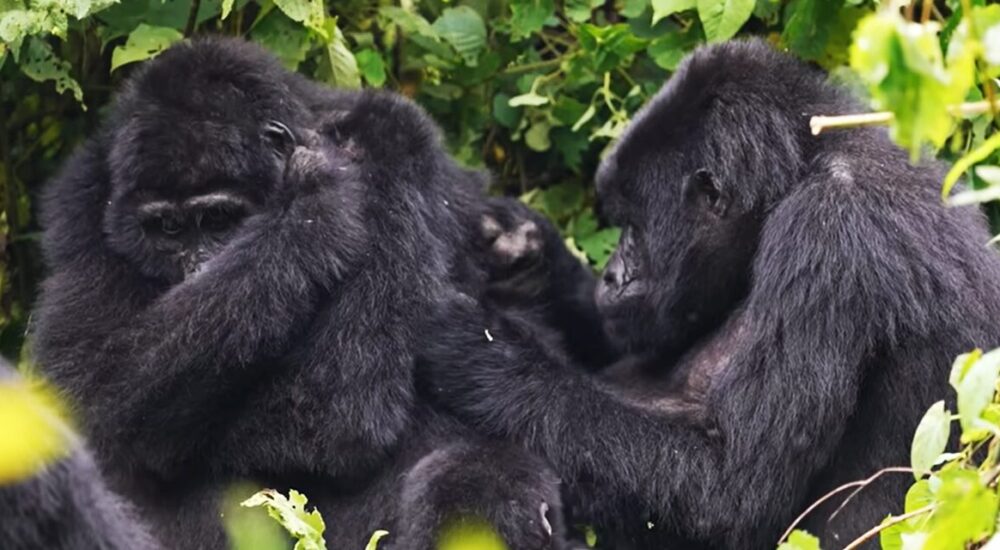
On the other hand, gorilla trekking is the thrilling adventure that tourists embark on to observe habituated gorilla families up close. This is the highlight of many East African safaris, where you hike through the forest, guided by rangers, to spend a precious hour with the gorillas.
A typical gorilla trekking day starts with a briefing at the park headquarters. Rangers assign groups of up to eight trekkers to a specific gorilla family, based on fitness levels and preferences. Armed with walking sticks and porters (optional but recommended for carrying gear), you set off into the wilderness. The trek can last anywhere from 30 minutes to 8 hours, depending on the gorillas’ location, terrain, and weather.
Once you reach the family, the magic unfolds. You’ll maintain a safe distance of at least 7 meters to minimize stress and disease transmission. Observe silverbacks leading their troops, mothers nursing infants, and juveniles playing—behaviors that reveal striking similarities to human family dynamics.
.jpg)
Gorilla trekking requires permits, which are limited to protect the animals. In Uganda, a permit costs $800 per person; in Rwanda, it’s $1,500; and in the DRC, $450. These fees fund conservation, community projects, and anti-poaching efforts. Monumental Expeditions and Safaris handles all permit bookings, ensuring seamless arrangements for our clients.
Unlike tracking, trekking is accessible to tourists of varying fitness levels, though it demands preparation. The altitude (up to 2,500 meters) and steep, muddy paths can be challenging, but the reward is unparalleled. Our tours include options for easier treks in sectors like Buhoma in Bwindi or Kinigi in Volcanoes National Park.
Key Differences Between Gorilla Trekking and Gorilla Tracking
Now that we’ve defined each, let’s highlight the differences between gorilla trekking and gorilla tracking in a clear, comparative format for better understanding:
| Aspect | Gorilla Tracking | Gorilla Trekking |
|---|---|---|
| Primary Participants | Rangers, researchers, conservationists | Tourists, guided by rangers |
| Purpose | Locate gorillas for monitoring, research, or preparation for tourism | Observe and interact with gorillas for experiential tourism |
| Timing | Starts at dawn, before tourists arrive | Begins after briefing, typically mid-morning |
| Duration | Ongoing, can span hours or days for research | 2-8 hours trek + 1 hour observation |
| Accessibility | Restricted to experts | Open to permitted tourists |
| Focus | Signs like footprints, nests, dung | Direct observation and photography |
| Cost | Not tourist-facing; part of park operations | Requires paid permit |
The main distinction lies in the roles: gorilla tracking is the scouting phase, while gorilla trekking is the culmination for visitors. Tracking ensures trekking success by pre-locating the families, reducing random wandering and increasing encounter rates. Without effective tracking, trekking could be frustratingly inefficient.
Some sources note that “tracking” might also refer to research-oriented activities, whereas “trekking” emphasizes the physical journey. However, in practice, many operators like Monumental Expeditions and Safaris use the terms fluidly, as the tourist experience encompasses elements of both.
It’s worth mentioning gorilla habituation, often confused with these terms. Habituation is a long-term process (2-3 years) where trackers gradually introduce humans to wild gorilla groups. Tourists can join habituation experiences in Uganda’s Bwindi (for $1,500 per permit), spending up to 4 hours with semi-habituated families—longer than standard trekking.
Similarities Between Gorilla Trekking and Gorilla Tracking
Despite the differences, gorilla trekking and gorilla tracking share common ground, contributing to the overall conservation ecosystem:
- Location: Both occur in the same protected areas, like Bwindi Impenetrable Forest, where over half the world’s mountain gorillas reside.
- Skills Involved: Navigation through dense vegetation, understanding gorilla behavior, and using machetes to clear paths.
- Conservation Impact: Revenue from trekking supports tracking teams, anti-poaching patrols, and habitat protection.
- Challenges: Weather, terrain, and the need for physical fitness and respect for wildlife rules.
- Goal: Ultimately, both aim to facilitate safe, ethical interactions with gorillas while promoting their survival.
In our tours at Monumental Expeditions and Safaris, we emphasize these similarities to educate travelers on the holistic process, fostering appreciation for the hard work behind the scenes.
Best Places for Gorilla Trekking and Tracking Experiences
East Africa offers prime destinations for these activities, each with unique appeals:
- Uganda – Bwindi Impenetrable National Park: Home to 459 gorillas, this UNESCO site features diverse sectors (Buhoma, Ruhija, Rushaga, Nkuringo). Treks here are adventurous, with chances to see birds and other primates. Monumental Expeditions and Safaris recommends our 3-Day Gorilla Trekking Safari, starting from Kampala, including transfers, lodging, and permits.
- Uganda – Mgahinga Gorilla National Park: Smaller but scenic, bordering Rwanda and DRC. Ideal for combining gorilla trekking with golden monkey tracking or volcano hikes.
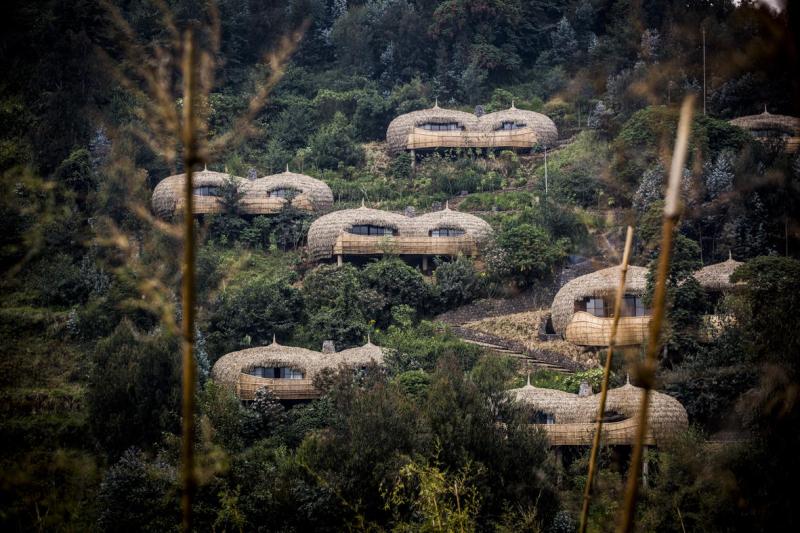
- Rwanda – Volcanoes National Park: Known for easier access and luxurious lodges. Treks here often involve bamboo forests and volcanic landscapes.
- DRC – Virunga National Park: More affordable but adventurous, with active volcanoes. Security has improved, making it viable for intrepid travelers.
Choosing the right spot depends on your budget, fitness, and interests. Uganda offers the best value, with permits at $800 vs. Rwanda’s $1,500. Monumental Expeditions and Safaris customizes multi-country tours, like combining Uganda and Rwanda for diverse experiences.
How Monumental Expeditions and Safaris Enhances Your Gorilla Adventure
As a leading tour operator based in Kampala, Uganda, Monumental Expeditions and Safaris is your gateway to authentic gorilla trekking and related experiences. Founded in 2018, we offer customizable private and group tours, focusing on sustainable practices and local community support.
Our popular packages include:
- 3-Day Gorilla Trekking Safari: Road transfer to Bwindi, trekking, and return—perfect for short trips.
- Extended Wildlife Safaris: Combine gorilla trekking with game drives in Queen Elizabeth or Murchison Falls National Parks.
- Family and Luxury Options: Tailored for all ages, with high-end lodges and expert guides.
We handle everything: permits, accommodations, meals, and transportation. Our guides, fluent in English and local languages, provide insights into gorilla behavior and conservation. Reviews from past clients highlight our commitment to safety, eco-friendliness, and memorable moments—like close encounters with silverbacks.
Booking with us ensures 100% of your fees contribute to conservation. Contact us at info@gorillatrackings.com or +256782105855 for personalized itineraries.
Preparation and Tips for Gorilla Trekking
To make your gorilla trekking successful, preparation is key:
- Fitness: Build stamina with hikes; the terrain is rugged.
- Packing Essentials: Waterproof boots, rain jacket, gloves (for nettles), insect repellent, binoculars, and a camera with zoom lens.
- Health: Get yellow fever vaccination; consider anti-malaria meds. Avoid trekking if ill to protect gorillas from human diseases.
- Rules: No flash photography, maintain distance, and follow guide instructions.
- Best Time: Dry seasons (June-September, December-February) for easier trails, though gorillas are trek-able year-round.
- Sustainability: Choose operators like us who support local porters and communities.
For gorilla tracking insights, join our pre-trek briefings where rangers share techniques.
The Importance of Conservation in Gorilla Experiences
Gorilla trekking and tracking play vital roles in conservation. Permit revenues fund ranger salaries, veterinary care, and habitat restoration. Success stories include gorilla populations rising from 680 in 2008 to over 1,000 today.
Threats persist: habitat loss, poaching, and climate change. By choosing responsible tourism with Monumental Expeditions and Safaris, you contribute directly—our tours allocate portions to IGCP and local initiatives.
Conclusion
In summary, while gorilla trekking and gorilla tracking are interconnected, the difference lies in their execution and participants. Tracking is the expert-led location process, paving the way for the tourist-focused trekking adventure. Both are integral to experiencing mountain gorillas ethically.
If you’re ready to embark on this journey, Monumental Expeditions and Safaris is here to make it monumental. From Uganda’s misty forests to Rwanda’s volcanic peaks, our expert-guided tours promise awe-inspiring moments. Book today and discover the difference for yourself.
Related Posts