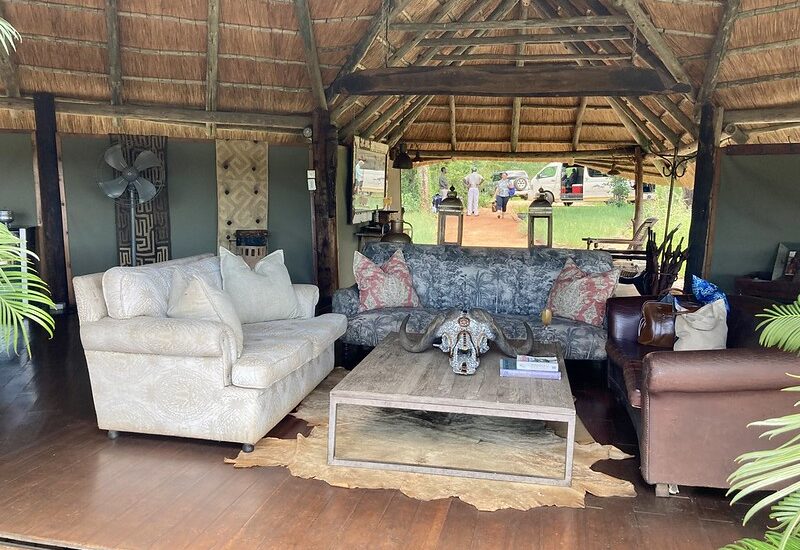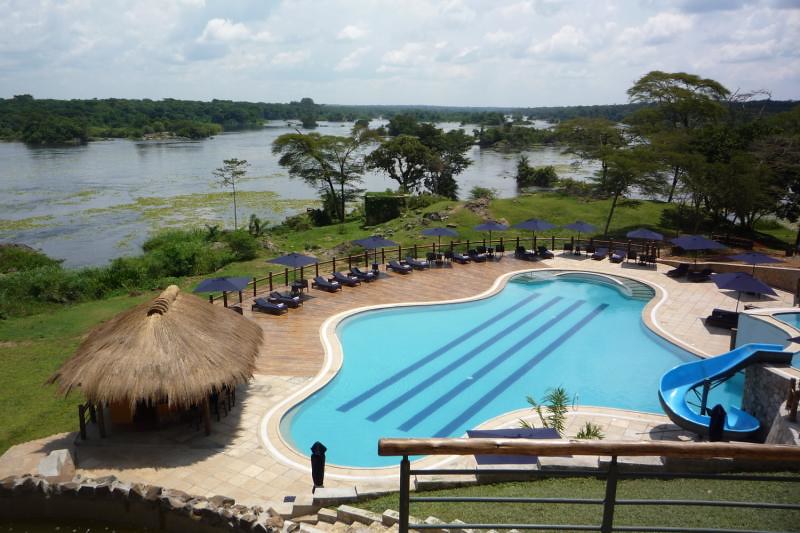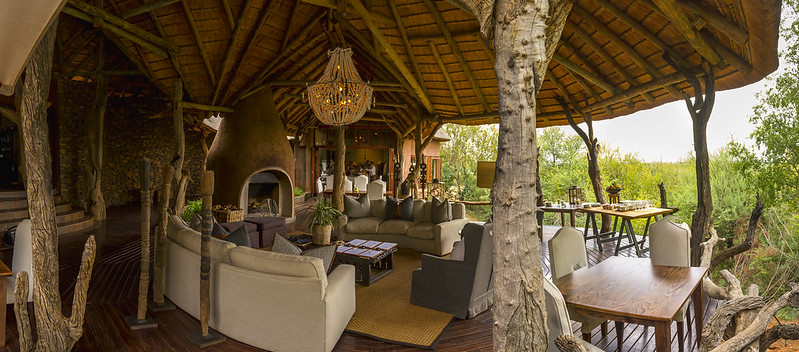
Top 10 Best Luxury Hwange Safari Lodges & Camps Hwange National Park, Zimbabwe's largest and…
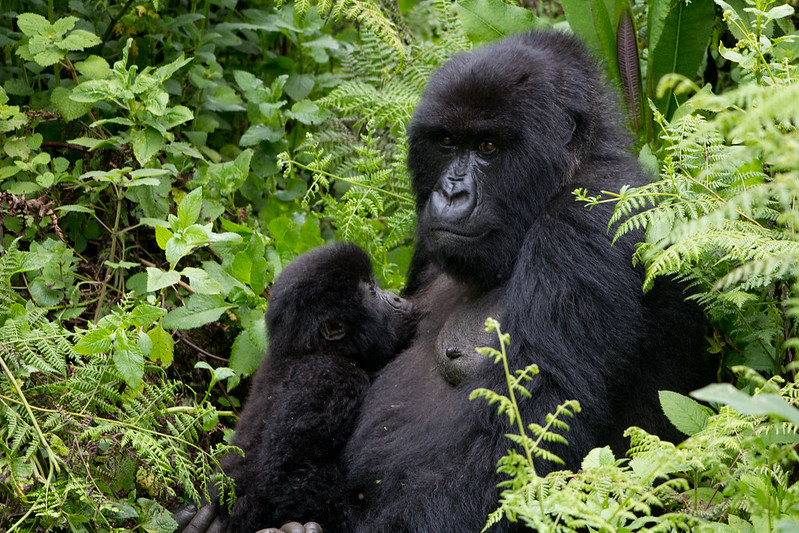
What languages do the guides and rangers speak? |Gorilla safaris
What Languages Do Gorilla Trekking Guides and Rangers Speak?
Gorilla trekking is one of the most extraordinary wildlife experiences in the world. Trekking through lush forests in Uganda, Rwanda, or the Democratic Republic of Congo to observe mountain gorillas up close is a journey filled with excitement, awe, and education. A key part of this experience is the guidance provided by local guides and park rangers, who not only ensure safety but also enrich your understanding of gorilla behavior and conservation.
Many visitors wonder: what languages do gorilla trekking guides and rangers speak? Understanding this can help you plan your trip, communicate effectively, and gain the most from your gorilla trekking adventure.
This article explores the languages spoken by guides and rangers, the importance of multilingual communication, and how it enhances both safety and the overall gorilla trekking experience. For expert-guided gorilla treks, visit Monumental Expeditions and Safaris.
The Role of Guides and Rangers in Gorilla Trekking
Before diving into languages, it’s important to understand the roles of guides and rangers:
-
Guides: Usually accompany tourists on treks, interpret gorilla behavior, and share insights about forest ecology, local culture, and conservation.
-
Rangers: Primarily responsible for monitoring gorilla populations, protecting them from poaching, and ensuring that trekking is safe and non-intrusive.
-
Trackers: Sometimes work alongside guides to locate gorillas and interpret signs like footprints, nests, or feeding sites.
These roles are critical for ensuring safe, informative, and responsible trekking experiences.
Languages Commonly Spoken by Guides and Rangers
Gorilla trekking takes place in regions with diverse linguistic landscapes. Guides and rangers often speak multiple languages to communicate with tourists from around the world. Common languages include:
1. Local Languages
Local languages vary by country and region, and guides are typically fluent in the language spoken by nearby communities. Examples include:
-
Uganda:
-
Rukiga (Bwindi region)
-
Rukonjo (Mgahinga region)
-
Luganda (widely spoken nationally)
-
-
Rwanda:
-
Kinyarwanda (national language)
-
French (widely used, especially in tourism)
-
-
Democratic Republic of Congo (DRC):
-
Swahili (eastern regions)
-
Lingala and French in other areas
-
Local languages are important for guides to communicate with communities, coordinate conservation efforts, and navigate the forest safely.
2. Regional and Colonial Languages
-
English:
-
In Uganda and Rwanda, many guides and rangers are fluent in English, making it easier for international tourists to communicate.
-
English is commonly used for park briefings, safety instructions, and guided tours.
-
-
French:
-
French is spoken in Rwanda, DRC, and some parts of Uganda.
-
Guides fluent in French cater to French-speaking tourists and researchers.
-
3. Tourist Languages
To accommodate international visitors, many guides also learn additional languages, such as:
-
German, Spanish, Italian, and Chinese – increasingly common as tourism grows.
-
Swahili – widely used in East Africa, often serves as a lingua franca for travelers from neighboring countries.
This multilingual ability ensures that tourists receive accurate information about gorilla behavior, ecology, and conservation, regardless of their native language.
Why Multilingual Guides Enhance Your Trekking Experience
Having guides and rangers who speak multiple languages offers several advantages:
-
Enhanced Understanding of Gorilla Behavior
-
Guides can explain complex behaviors, social structures, and vocalizations in a language you understand.
-
Visitors gain deeper insights into gorilla life and ecology.
-
-
Improved Safety and Communication
-
Clear communication reduces the risk of accidents in dense forest terrain.
-
Guides can quickly relay instructions during unexpected encounters, such as sudden gorilla movements.
-
-
Cultural Connection
-
Guides fluent in local languages can explain traditions, folklore, and community conservation efforts.
-
Tourists learn about the human-wildlife relationship in the region.
-
-
Support for Research and Conservation
-
Multilingual guides can assist international researchers, helping monitor gorilla populations and collect data efficiently.
-
How Guides Learn Multiple Languages
Guides and rangers undergo extensive training before accompanying tourists:
-
Language Courses: Many undergo formal instruction in English, French, or other international languages.
-
On-the-Job Experience: Daily interactions with tourists allow guides to refine communication skills.
-
Tourism and Conservation Workshops: These programs often include training in cross-cultural communication, interpretation skills, and wildlife education.
This ensures that tourists from around the world can enjoy informative and safe gorilla trekking experiences.
The Role of Trackers in Communication
Trackers, who locate gorillas and interpret signs like nests, footprints, and feeding areas, are also often multilingual. They communicate with guides and rangers to:
-
Coordinate safe approaches to gorilla groups.
-
Provide information about recent gorilla movements.
-
Ensure that tourists maintain safe distances and follow ethical trekking practices.
Trackers’ knowledge of local languages and gorilla behavior is essential for the success of each trek.
Tips for Tourists on Communicating with Guides
To maximize your gorilla trekking experience:
-
Check Language Availability When Booking
-
Confirm with your tour operator whether guides speak your language.
-
At Monumental Expeditions and Safaris, you can find guides who speak multiple languages.
-
-
Learn Basic Local Phrases
-
Simple greetings or thank-you phrases in Rukiga, Kinyarwanda, or Swahili can enhance your interaction with guides and local communities.
-
-
Use Translation Tools if Needed
-
While guides are multilingual, having a translation app as a backup can help clarify instructions or explanations.
-
-
Respect Cultural Communication Norms
-
Listening attentively and following guides’ instructions is crucial in sensitive gorilla habitats.
-
The Importance of Multilingual Communication in Conservation
Multilingual guides and rangers do more than assist tourists—they support conservation efforts:
-
Education: Explaining threats to gorillas, such as poaching or habitat loss, to international visitors.
-
Community Outreach: Communicating with local communities in their native language to promote sustainable practices.
-
Research Collaboration: Facilitating communication between researchers, tourists, and local staff to monitor gorilla populations effectively.
By supporting responsible tourism and multilingual communication, visitors contribute to long-term gorilla conservation goals.
Success Stories in Multilingual Gorilla Trekking
Tour operators and conservation parks have seen impressive results from multilingual communication:
-
Uganda: Bwindi Impenetrable Forest guides fluent in English, Rukiga, and French ensure safe and educational treks.
-
Rwanda: Volcanoes National Park guides communicate in Kinyarwanda, English, and German, enhancing visitor satisfaction.
-
DRC: Multilingual rangers improve anti-poaching patrol coordination and assist international research teams.
These examples demonstrate that language skills are integral to both tourism and conservation success.
Conclusion
Gorilla trekking guides and rangers speak a variety of languages, including local dialects (Rukiga, Rukonjo, Kinyarwanda), colonial languages (English, French), and additional international languages to cater to tourists from around the world. Multilingual communication enhances safety, understanding of gorilla behavior, cultural exchange, and conservation efforts.
When planning your gorilla trekking adventure, ensure that your guides speak a language you understand, follow their instructions carefully, and appreciate the unique insights they provide. By doing so, you help support responsible tourism and the ongoing protection of mountain gorillas.
For expert-guided gorilla trekking tours and more information on responsible wildlife tourism, visit Monumental Expeditions and Safaris.
Related Posts