
Top 10 Best Luxury Hwange Safari Lodges & Camps Hwange National Park, Zimbabwe's largest and…
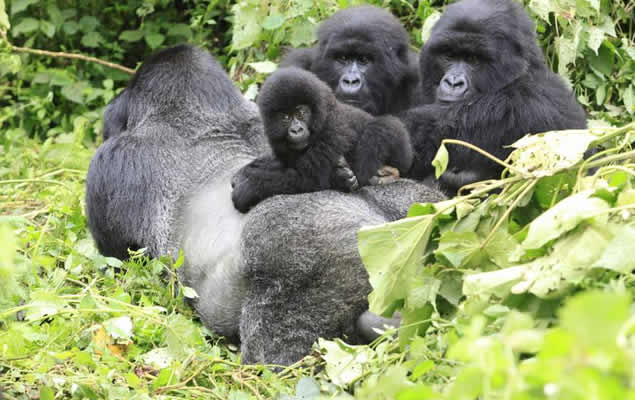
How do gorillas communicate? | Gorilla safaris
How Do Gorillas Communicate? Understanding Their Language and Social Signals
Gorillas are among the most intelligent and social animals on the planet. While they cannot speak like humans, they have developed a complex system of communication that allows them to interact, maintain social bonds, and protect their families. Understanding how gorillas communicate gives us fascinating insights into their behavior, emotions, and intelligence.
For wildlife enthusiasts and travelers, learning about gorilla communication enhances the experience of a gorilla trekking safari, making encounters more meaningful and educational. You can plan such trips at Monumental Expeditions and Safaris, which offers guided experiences in Uganda, Rwanda, and DR Congo.
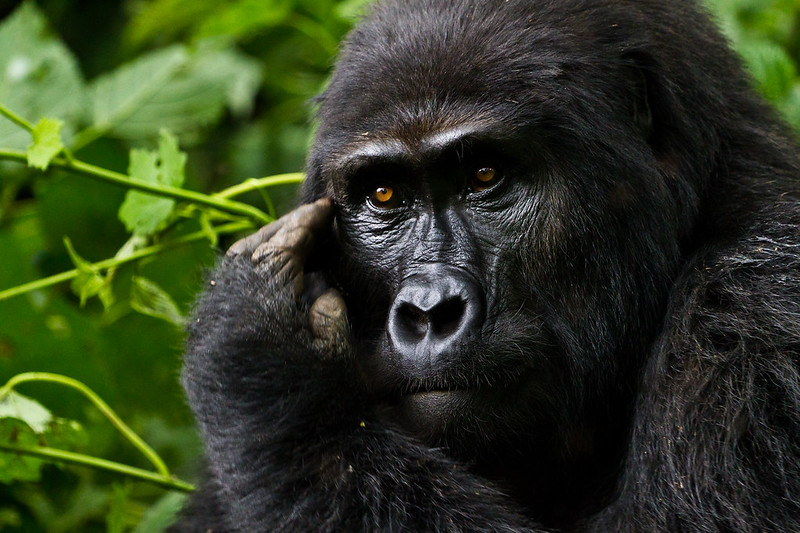
1. Introduction to Gorilla Communication
Gorillas are social primates that live in family groups called troops. Each troop is typically led by a dominant male silverback, who coordinates movement, resolves conflicts, and protects the group. Communication is essential for maintaining group cohesion and ensuring survival.
Gorillas communicate using a combination of:
-
Vocalizations
-
Body language
-
Facial expressions
-
Touch and grooming
This multi-layered communication system allows gorillas to convey a wide range of emotions, intentions, and warnings.
2. Vocal Communication in Gorillas
Gorillas use vocalizations for various purposes, from alerting the group to expressing contentment or aggression. Researchers have identified over 20 different sounds used by gorillas.
2.1 Types of Gorilla Vocalizations
-
Hoots and Grunts
-
Used during feeding, moving, or social interaction
-
Signal comfort and social cohesion
-
-
Roars and Chest Beating
-
Dominant silverbacks often roar or beat their chest to display strength
-
Serves as a warning to rivals or predators
-
-
Screams or Wails
-
Produced in fear or during disputes
-
Alert the troop to danger
-
-
Belch Vocalizations
-
Unique sounds signaling reassurance or social bonding
-
These vocalizations are context-specific and can vary between troops.
3. Body Language in Gorilla Communication
A large part of gorilla communication is non-verbal. Gorillas use posture, movement, and gestures to convey meaning.
3.1 Posture and Gestures
-
Standing tall or chest-beating: Dominance or threat
-
Crouching or slouching: Submission
-
Arm gestures or pointing: Direct attention or indicate direction
-
Knuckle-walking speed: Shows mood or urgency
3.2 Facial Expressions
-
Bared teeth: Can be aggression or fear, context-dependent
-
Pout or lip-smacking: Often signals friendliness or playfulness
-
Raised eyebrows and wide eyes: Curiosity or surprise
Body language allows gorillas to communicate quickly and efficiently, especially in dense forest habitats where visibility is limited.
4. Touch and Grooming
Physical contact plays a crucial role in gorilla communication and social bonding:
-
Grooming: Maintains hygiene and strengthens social bonds
-
Hugging or gentle touching: Reassurance or comfort
-
Patting or stroking: Often observed between mothers and infants
Touch helps reduce stress, resolve conflicts, and maintain harmony within the troop.
5. Chemical Communication in Gorillas
Gorillas also communicate using scent and chemical signals:
-
Scent marking: Silverbacks may rub scent glands on vegetation to mark territory
-
Urine marking: Can signal dominance or reproductive status
Though less visible than vocal or body communication, chemical signals are vital for maintaining territorial boundaries and social hierarchy.
6. Infant Gorilla Communication
Baby gorillas communicate primarily through:
-
Cooing, whining, and crying
-
Reaching gestures and clinging behavior
-
Facial expressions: Smiling or pouting
Infant communication ensures they receive care, protection, and attention from mothers and other troop members.
Interestingly, mothers respond selectively to different infant sounds, showing that gorillas understand meaningful vocal distinctions from a very young age.
7. The Role of the Silverback in Communication
The dominant male silverback is the central figure in gorilla communication:
-
Protects the troop by using vocalizations and displays
-
Coordinates troop movement and daily activities
-
Mediates conflicts within the group
-
Uses chest-beating, roaring, and gestures to assert dominance and reassure the group
A silverback’s communication skills are essential for troop survival, especially in areas with predators or rival males.
8. Communication During Conflict and Play
Gorillas have sophisticated communication strategies for both conflict and play:
-
Conflict Resolution: Submissive gestures and vocal cues prevent escalation
-
Play: Gentle gestures, mock charges, and vocalizations signal friendly interactions
-
Dominance displays: Chest-beating and roaring assert hierarchy without physical fighting
Play is particularly important for juveniles to learn social cues and survival skills.
9. Comparing Gorilla Communication to Humans and Other Primates
-
Gorillas have more complex body language and facial expressions than monkeys
-
Their vocalizations are more varied, including distinct sounds for different threats
-
Like humans, gorillas use multi-modal communication: combining gestures, sounds, and touch
This complexity reflects gorillas’ advanced cognitive abilities and close evolutionary relationship with humans.
10. How Gorilla Communication Enhances Conservation and Ecotourism
Understanding gorilla communication is essential for responsible tourism and conservation:
-
Guides can interpret gorilla signals to avoid disturbing the troop
-
Observing communication helps researchers monitor health, stress, and social dynamics
-
Educating tourists on communication improves appreciation and empathy
For organized gorilla trekking safaris, visit Monumental Expeditions and Safaris
11. Fascinating Facts About Gorilla Communication
-
Gorillas can understand simple sign language in captivity.
-
Chest-beating is both a display of strength and a form of long-distance communication.
-
Infants learn vocalizations by mimicking adults.
-
Social grooming is a critical form of non-verbal communication.
-
Gorillas can convey subtle emotions such as joy, sadness, or concern through facial expressions.
12. Where to Observe Gorilla Communication in the Wild
The best places to observe gorilla communication firsthand include:
-
Bwindi Impenetrable Forest, Uganda – Mountain gorillas in family groups
-
Volcanoes National Park, Rwanda – Iconic silverback-led troops
-
Mgahinga Gorilla National Park, Uganda – Smaller groups, intimate experience
-
Virunga National Park, DR Congo – Eastern lowland gorillas in the wild
These locations provide safe, ethical opportunities to observe gorillas communicating naturally.
Plan your gorilla trekking safari here: Monumental Expeditions and Safaris
13. Conclusion
Gorillas communicate in ways far more complex and subtle than most people realize. From vocalizations and facial expressions to body language and touch, they have a rich system for conveying emotion, maintaining social bonds, and protecting their troops.
Understanding how gorillas communicate not only enhances wildlife encounters but also supports conservation by providing insight into social behavior and well-being. Observing these majestic creatures in their natural habitat is a truly unforgettable experience for any wildlife enthusiast.
For an authentic gorilla encounter, including guided treks and conservation-friendly tours, contact us, Monumental Expeditions and Safaris
Related Posts