Top 10 Best Luxury Hwange Safari Lodges & Camps Hwange National Park, Zimbabwe's largest and…
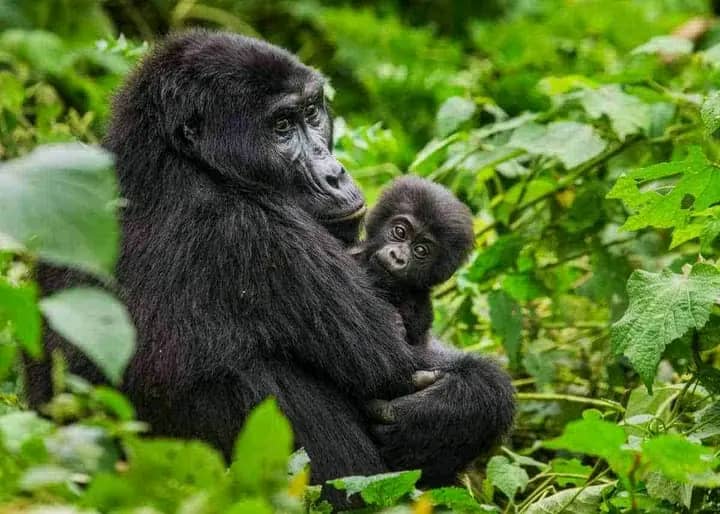
How are gorillas different from monkeys? | Gorilla safaris
How Are Gorillas Different from Monkeys? A Complete Guide
Gorillas and monkeys are two of the most recognized types of primates in the world, yet many people confuse them or assume they are the same. Understanding how gorillas differ from monkeys is essential for wildlife enthusiasts, conservationists, and travelers planning a gorilla trekking safari.
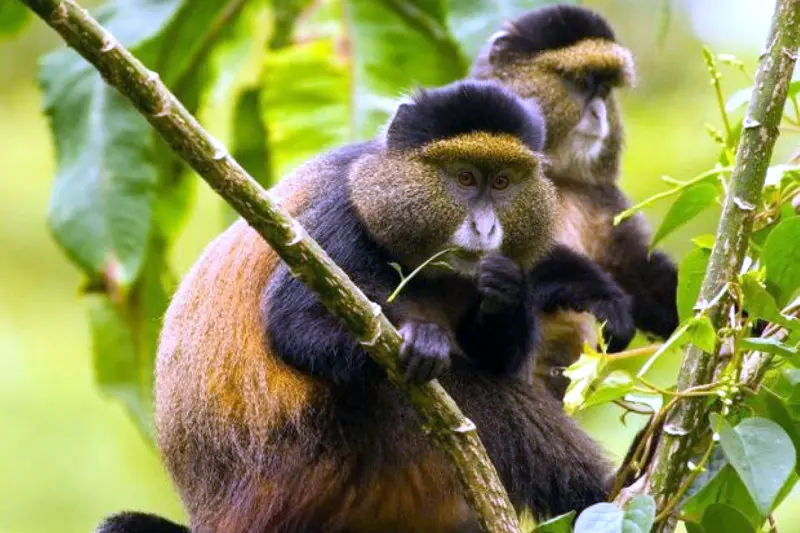
In this guide, we’ll explore anatomical differences, behavior, intelligence, social structure, habitat, and conservation status to clearly distinguish gorillas from monkeys. We’ll also highlight where you can see gorillas in the wild and how conservation efforts help protect these incredible animals.
Planning to see gorillas in their natural habitat? Check out Monumental Expeditions and Safaris for guided safaris, permits, and trekking tours.
1. Introduction to Primates
Primates are a diverse order of mammals that includes:
-
Monkeys
-
Apes (gorillas, chimpanzees, orangutans, bonobos)
-
Humans
Primates are characterized by:
-
Flexible hands and feet
-
Forward-facing eyes for depth perception
-
Large brains relative to body size
Despite these similarities, gorillas and monkeys have key differences in anatomy, intelligence, and behavior.
2. Key Differences Between Gorillas and Monkeys
Here’s a breakdown of the main differences:
2.1 Size and Build
-
Gorillas:
-
Largest living primates
-
Adult males (silverbacks) can weigh up to 250 kg (550 lbs) and stand 1.7–1.8 meters tall
-
Massive, muscular bodies with broad chests and long arms
-
-
Monkeys:
-
Much smaller, typically 5–20 kg (11–44 lbs) for medium-sized species
-
Slender bodies and less muscular
-
Can be arboreal (tree-dwelling) or terrestrial depending on species
-
2.2 Tail
-
Gorillas:
-
Apes; do not have tails
-
-
Monkeys:
-
Most species have tails, which aid in balance and communication
-
Prehensile tails in some New World monkeys help them grasp branches
-
2.3 Brain Size and Intelligence
-
Gorillas:
-
Larger brains relative to body size
-
Highly intelligent: can use tools, understand basic sign language, and exhibit problem-solving skills
-
-
Monkeys:
-
Smaller brains; intelligent but less capable of complex reasoning
-
Some species can use simple tools and learn tasks
-
2.4 Locomotion
-
Gorillas:
-
Knuckle-walkers on the ground
-
Can stand and walk bipedally for short distances
-
-
Monkeys:
-
Many are arboreal, swinging and leaping between branches
-
Some monkeys walk on all fours on the ground
-
2.5 Social Structure
-
Gorillas:
-
Live in family groups led by a dominant silverback
-
Groups consist of 5–30 individuals
-
Strong bonds and cooperative care of young
-
-
Monkeys:
-
Social structure varies; can live in large troops or small groups
-
Often hierarchically organized with dominance ranks
-
2.6 Lifespan
-
Gorillas:
-
Wild: 35–50 years
-
Captivity: 40–60 years
-
-
Monkeys:
-
Wild: 10–30 years depending on species
-
Captivity: Some species may reach 40+ years
-
2.7 Communication
-
Gorillas:
-
Use facial expressions, body postures, and vocalizations
-
Can express emotions such as joy, sadness, and anger
-
-
Monkeys:
-
Use vocal calls and body language
-
Less expressive than gorillas
-
3. Habitat Differences
Gorillas
-
Found only in Africa, in dense forests and high-altitude regions
-
Major locations:
-
Bwindi Impenetrable Forest, Uganda
-
Virunga Mountains (Uganda, Rwanda, DR Congo)
-
Western lowland regions in Gabon and Congo
-
Monkeys
-
Found in Africa, Asia, and Central/South America
-
Habitats include:
-
Tropical rainforests
-
Savannas
-
Mountains
-
Urban areas in some species
-
Gorillas are primarily terrestrial, while monkeys are often arboreal.
4. Diet Comparison
Gorillas
-
Primarily herbivorous
-
Eat:
-
Leaves, stems, bamboo shoots
-
Roots, bark, and occasionally fruit
-
-
Consume 30 kg of vegetation daily
Monkeys
-
Omnivorous in many species
-
Eat:
-
Fruits, seeds, leaves
-
Insects and small animals in some species
-
Diet reflects habitat and size: larger gorillas need more fibrous, bulk plant matter.
5. Reproduction and Lifespan Differences
Gorillas
-
Sexual maturity:
-
Females: 8–10 years
-
Males: 10–12 years (silverbacks)
-
-
Gestation: ~8.5 months
-
Lifespan: 35–50 years in the wild
Monkeys
-
Sexual maturity varies widely: 3–6 years in smaller monkeys
-
Gestation: 4–8 months depending on species
-
Lifespan: 10–30 years
Gorillas have longer lifespans and slower reproduction, which makes conservation critical.
6. Conservation Status
Gorillas
-
All species are endangered or critically endangered
-
Threats:
-
Habitat loss and deforestation
-
Poaching
-
Disease (Ebola, respiratory infections)
-
-
Conservation efforts:
-
Anti-poaching patrols
-
Ecotourism (gorilla trekking)
-
Protected areas and national parks
-
See gorilla trekking options here: Monumental Expeditions and Safaris
Monkeys
-
Conservation status varies by species
-
Some species are thriving, while others (like the golden snub-nosed monkey) are endangered
-
Threats include habitat destruction, hunting, and the exotic pet trade
7. Why Knowing the Difference Matters
Understanding how gorillas differ from monkeys helps:
-
Educate the public about primates
-
Support conservation efforts
-
Avoid misconceptions when planning wildlife tours
For example, seeing a gorilla in the wild is a very different experience than seeing a monkey. Gorillas are large, gentle, and mostly terrestrial, while monkeys are smaller, agile, and mostly arboreal.
8. Fascinating Facts About Gorillas vs. Monkeys
-
Silverbacks are the largest primates, while monkeys rarely exceed 20 kg.
-
Gorillas do not have tails, but most monkeys do.
-
Gorillas display complex social bonds, emotional intelligence, and problem-solving skills.
-
Monkeys are more diverse, with over 260 species globally.
-
Seeing a gorilla in the wild requires trekking permits, while monkeys are often visible in forests and urban areas.
9. Where to See Gorillas in the Wild
If you want to observe gorillas, you can go on guided treks in Africa:
-
Bwindi Impenetrable Forest, Uganda: Home to mountain gorillas
-
Volcanoes National Park, Rwanda: Famous for silverback families
-
Mgahinga Gorilla National Park, Uganda: Quieter and scenic trekking
-
Virunga National Park, DR Congo: Remote and wild experience
Plan your gorilla trekking safari with experienced guides, contact us, Monumental Expeditions and Safaris.
10. Conclusion
So, how are gorillas different from monkeys?
| Feature | Gorillas | Monkeys |
|---|---|---|
| Size | Largest primates, up to 250 kg | Smaller, 5–20 kg |
| Tail | None | Most species have tails |
| Intelligence | Highly intelligent, problem-solving | Less complex cognition |
| Locomotion | Knuckle-walking | Arboreal or quadrupedal |
| Lifespan | 35–50 years (wild), 40–60 (captivity) | 10–30 years |
| Social Structure | Family groups led by silverback | Troops, varying hierarchies |
| Diet | Herbivorous, fibrous vegetation | Omnivorous in many species |
Gorillas and monkeys are both incredible primates, but gorillas are larger, stronger, and more socially complex. Observing them in the wild is a once-in-a-lifetime experience that supports conservation efforts and deepens our understanding of primates.
Plan your gorilla encounter today: Monumental Expeditions and Safaris
Related Posts