Kidepo Valley National Park: Uganda's Untamed Safari Experience Discover the wild beauty, unique wildlife, and…
The Tree Climbing Lions of Masai Mara: Nature’s Majestic Climbers
The Tree Climbing Lions of Masai Mara: Nature’s Majestic Climbers
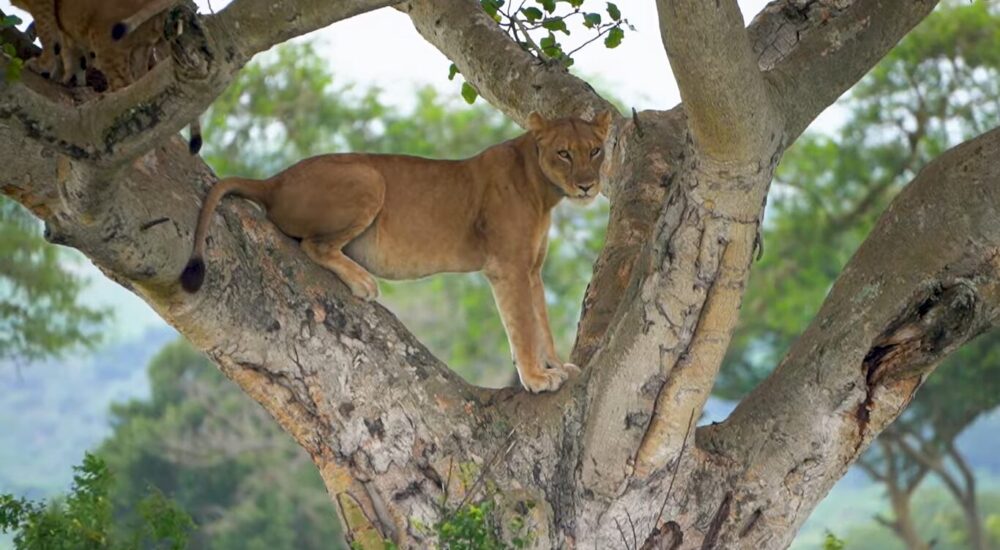
The Masai Mara National Reserve in Kenya is world-famous for its breathtaking wildlife and vast savannah landscapes. Among the many iconic species that call this area home, the tree climbing lions of Masai Mara stand out as one of the most fascinating and unusual phenomena in African wildlife. Unlike typical lions that rest on the ground, these remarkable lions have mastered the art of climbing trees, a behavior that intrigues researchers, tourists, and photographers alike.
In this article, we will explore everything about these unique tree climbing lions — their habits, why they climb trees, how this behavior differs from lions elsewhere, and the impact on tourism. Whether you’re a wildlife enthusiast, a safari traveler, or just curious about African animals, this comprehensive guide will deepen your appreciation for these incredible creatures.
Understanding Lions in the Masai Mara
Before diving into the unique tree climbing behavior, it’s important to understand the basic ecology of lions in Masai Mara. The Masai Mara is part of the larger Serengeti ecosystem and supports a healthy population of lions, which are apex predators playing a crucial role in maintaining ecological balance.
- Lion Pride Structure: Lions live in social groups called prides, usually consisting of related females, their cubs, and a coalition of males.
- Habitat: The Masai Mara features open grasslands, riverine forests, and acacia woodlands — a diverse environment that supports a variety of prey species like wildebeests, zebras, and gazelles.
What Makes the Tree Climbing Lions Special?
Most lions prefer to stay on the ground, where they hunt, rest, and socialize. However, in the Masai Mara and certain parts of East Africa, some lions have adopted the unusual habit of climbing trees. This behavior is most famously observed in the Mara Triangle and around areas such as Lemek Hills.
Reasons Why Lions Climb Trees
- Escape from Heat: Climbing trees helps lions avoid the intense heat on the ground during midday. Perched on branches, they catch cooling breezes and relax in the shade.
- Avoid Insects: Lions use trees to escape bothersome insects like tsetse flies and biting ants prevalent in the grasslands.
- Watch for Prey or Threats: Elevated positions offer excellent vantage points for spotting prey or rival predators.
- Avoid Aggressive Herbivores: Lions sometimes climb trees to avoid territorial or aggressive animals like buffaloes.
- Rest and Relaxation: The branches offer a comfortable place to rest, away from the damp or rough ground.
Unique Tree Climbing Lion Groups in Masai Mara
The Lions of the Mara Triangle
The Mara Triangle, the western part of the Masai Mara, is famous for its resident population of tree climbing lions. These lions have become a major attraction for tourists and wildlife photographers. Some prides, like the Mara River Lions, are well-known for this distinctive habit.
Lemek Hills Lions
Another hotspot for spotting tree climbing lions is the Lemek Hills area, where lions often ascend large acacia trees. This behavior is more common in young male lions and sub-adults who are agile enough to navigate branches.
How Do Lions Climb Trees?
Lions are not natural climbers like leopards, but the tree climbing lions have adapted their behavior:
- They use their strong forelimbs and claws to grip the bark.
- They often climb short distances and rest on thick branches.
- Usually, only younger, lighter lions are able to climb high; older males tend to stay on the ground.
- The climbing is often slow and deliberate, as lions are heavy and not built for tree climbing.
The Significance of Tree Climbing Lions for Wildlife Tourism
The tree climbing lions of Masai Mara have become a highlight for many safari visitors. This rare and captivating behavior offers:
- Unique Photo Opportunities: Tourists get rare shots of lions lounging in trees, a sight not commonly seen elsewhere.
- Educational Value: Guides and naturalists use this behavior to educate visitors about lion ecology and adaptation.
- Ecotourism Growth: The fascination with these lions draws more visitors, boosting local economies and conservation funding.
Comparing Tree Climbing Lions to Other Big Cats
Leopards are expert tree climbers and regularly drag prey into trees to avoid scavengers. Cheetahs rarely climb trees; they rely on speed and camouflage on the ground. Lions climbing trees is rare and localized, mostly in Masai Mara and a few places in Uganda (e.g., Queen Elizabeth National Park).
This unique behavior sets Masai Mara lions apart and adds to the region’s biodiversity appeal.
Conservation Challenges Facing the Tree Climbing Lions
Despite their fascinating behavior, lions in Masai Mara face threats such as:
- Habitat Loss: Expansion of human settlements and agriculture reduces lion habitats.
- Human-Wildlife Conflict: Lions sometimes prey on livestock, leading to retaliatory killings.
- Poaching: Though lions are not heavily targeted for ivory like elephants, poaching for skins and trophies still occurs.
- Climate Change: Changes in rainfall and vegetation affect prey availability.
Conservation efforts focus on protecting habitats, promoting coexistence with local communities, and anti-poaching patrols.
Best Time and Places to See Tree Climbing Lions in Masai Mara
When to Visit
The best time to observe lions in the Masai Mara is during the dry seasons (July to October and January to March). During these months, animals gather around water sources, making sightings more predictable.
Top Spots for Tree Climbing Lions
- Mara Triangle
- Lemek Hills
- Talek River areas
Guided safaris with experienced trackers increase chances of spotting tree climbing lions.
Fun Facts About Tree Climbing Lions
- Not all lions climb trees; it is a behavior observed in select prides.
- Tree climbing lions help debunk the myth that lions are strictly ground dwellers.
- Climbing trees helps lions avoid biting insects during the wet season.
- Young male lions are often the most frequent climbers.
How to Photograph Tree Climbing Lions
- Use a telephoto lens for safe distance shots.
- Early morning or late afternoon light gives the best natural lighting.
- Capture lions resting, yawning, or scanning the horizon from their tree perches.
- Patience and quiet observation are key.
Conclusion
The tree climbing lions of Masai Mara are a rare and captivating spectacle that adds to the magic of African safaris. Their unique behavior reflects the adaptability and resilience of wildlife in one of the world’s premier conservation areas.
Whether you are an avid wildlife photographer, a nature lover, or planning your next safari, witnessing these majestic lions lounging high in the trees is an unforgettable experience that highlights the wonders of the Masai Mara ecosystem.
Related Posts