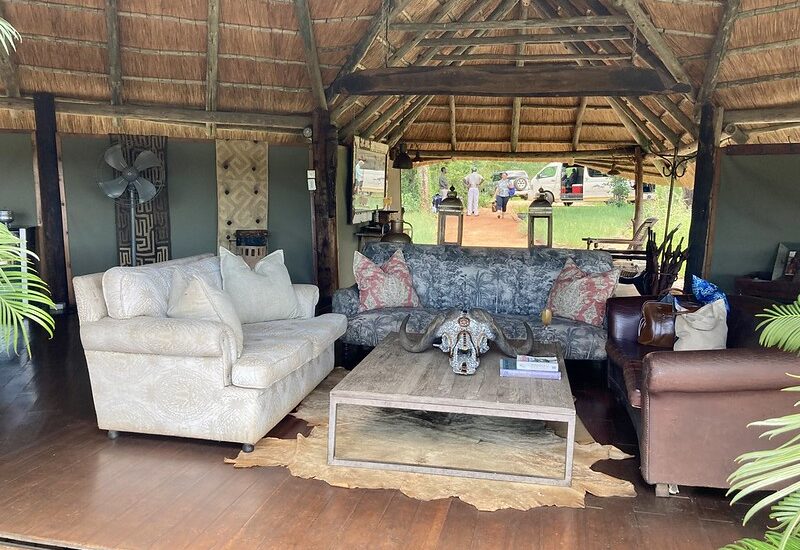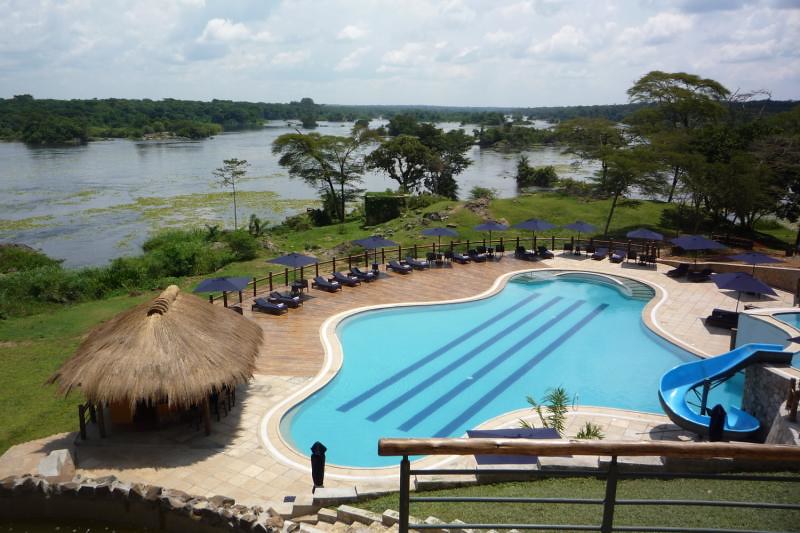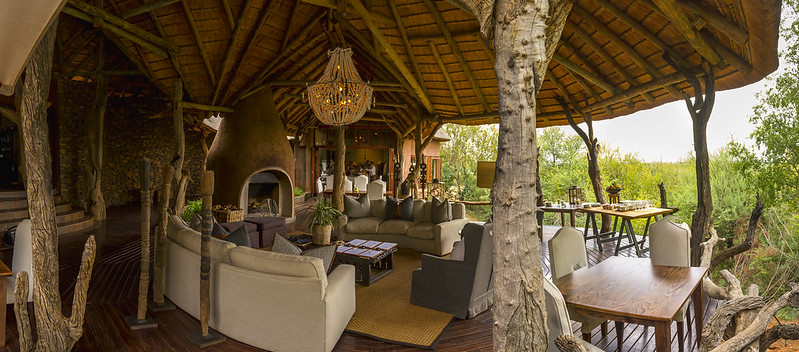
Top 10 Best Luxury Hwange Safari Lodges & Camps Hwange National Park, Zimbabwe's largest and…
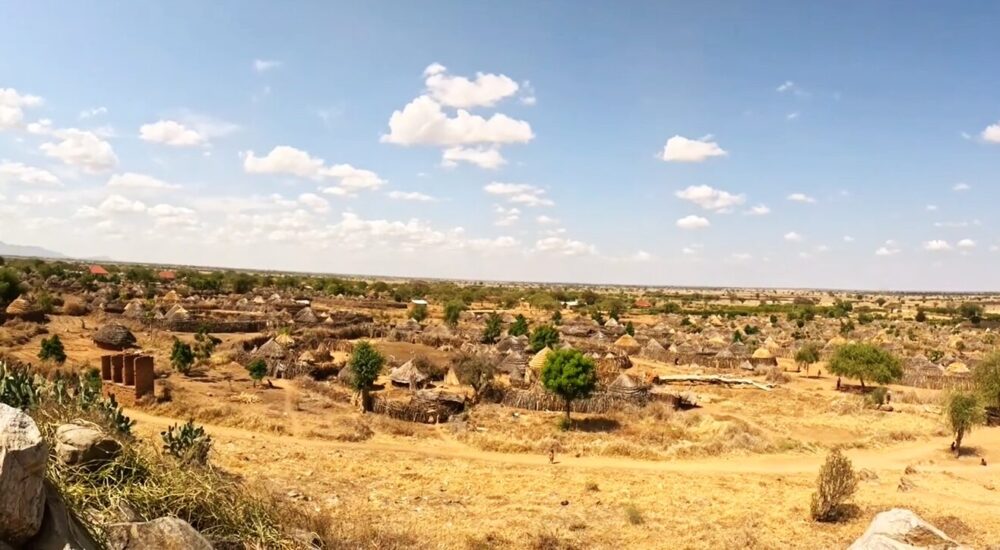
Nakapelimoru Village: A Hidden Gem in Uganda’s Karamoja Region
Nakapelimoru Village: A Hidden Gem in Uganda’s Karamoja Region
Nakapelimoru Village is a vibrant and culturally rich community located in the heart of Uganda’s northeastern Karamoja sub-region. Nestled within the Karamojong cultural landscape, Nakapelimoru offers an authentic glimpse into the lives, traditions, and resilience of one of Uganda’s most unique ethnic groups.
This article explores everything you need to know about Nakapelimoru Village — its geography, history, culture, economy, and potential for tourism development — making it a valuable resource for travelers, anthropologists, and anyone curious about Uganda’s diverse cultural tapestry.
Location and Geography of Nakapelimoru Village
Nakapelimoru is situated within Nakapiripirit District, part of the greater Karamoja region in northeastern Uganda. This semi-arid area is characterized by vast savannahs, rolling hills, and seasonal rivers. The village lies near the border with Kenya, making it part of a transboundary cultural zone inhabited by the Karamojong people.
The environment of Nakapelimoru features a challenging climate, with long dry seasons and sporadic rainfall, influencing local livelihoods that largely depend on pastoralism and small-scale agriculture.
The People of Nakapelimoru: The Karamojong Tribe
Nakapelimoru is predominantly inhabited by the Karamojong people, a Nilotic ethnic group known for their semi-nomadic pastoral lifestyle. The Karamojong have a rich cultural heritage deeply rooted in cattle keeping, with livestock serving as the cornerstone of their economy, social status, and identity.
Karamojong Culture and Traditions
- Cattle Keeping: Livestock is central to Karamojong life. Cows are a measure of wealth and the basis for social transactions like marriage dowries.
- Attire: Traditional Karamojong dress includes colorful beads, animal skins, and intricate jewelry worn during ceremonies.
- Music and Dance: Nakapelimoru hosts vibrant cultural events where traditional songs and dances celebrate milestones like weddings, initiations, and harvests.
- Language: The people speak the Karamojong language, part of the Nilotic language family, with a distinct oral tradition.
History and Social Structure of Nakapelimoru
Nakapelimoru, like many Karamojong villages, has a history intertwined with the broader Karamoja region’s narrative of resilience and adaptation. Historically, the Karamojong engaged in cattle raids and conflict with neighboring groups as part of traditional defense and wealth acquisition strategies. However, over recent decades, peace initiatives and government programs have encouraged more stability.
Village Leadership
Nakapelimoru’s social organization revolves around clan elders, who play a crucial role in conflict resolution, cultural preservation, and community decision-making.
Economy and Livelihoods in Nakapelimoru Village
Pastoralism and Agriculture
The economy of Nakapelimoru centers on pastoralism, with cattle, goats, and sheep being the main livestock. The villagers rely on seasonal grazing lands, which can be scarce during dry spells, affecting herd health and productivity.
Small-scale subsistence farming supplements pastoralism, with crops like sorghum, millet, and maize grown when rainfall permits.
Challenges
- Climate variability leads to droughts that threaten livestock survival.
- Limited access to markets restricts economic growth.
- Inadequate infrastructure hampers trade and education.
Tourism Potential in Nakapelimoru Village
While not yet a mainstream tourist destination, Nakapelimoru has significant potential for cultural tourism and eco-tourism, thanks to its rich heritage and proximity to natural attractions.
Cultural Tourism
Visitors interested in indigenous cultures can experience traditional Karamojong life firsthand through:
- Homestays in Nakapelimoru
- Participation in cultural ceremonies
- Learning traditional crafts and beadwork
- Witnessing livestock management and communal life
Natural Attractions Nearby
- The nearby Matheniko Wildlife Reserve offers opportunities for wildlife viewing and nature walks.
- Scenic landscapes and open savannahs make Nakapelimoru ideal for photography and nature enthusiasts.
Education and Development Initiatives
Nakapelimoru village is increasingly benefiting from development programs focused on improving education, healthcare, and infrastructure.
Schools and Education
Local primary schools serve the village children, although access to secondary education often requires travel to larger towns. NGOs and government projects work to improve literacy and school enrollment rates.
Healthcare
Basic healthcare facilities are present but limited. Community health programs often focus on maternal care, nutrition, and disease prevention.
How to Visit Nakapelimoru Village
Getting There
Nakapelimoru is accessible by road from Kampala or Moroto, though roads can be challenging during rainy seasons. Travelers typically arrange guided tours through local operators specializing in Karamoja cultural experiences.
Best Time to Visit
The dry season, from December to March and June to August, is ideal for travel, with easier road access and more cultural festivals.
Preserving Tradition in a Modernizing World
Nakapelimoru faces the challenge of balancing tradition with modernization. Younger generations are increasingly exposed to urban lifestyles and education, leading to shifts in cultural practices. Community leaders emphasize the importance of cultural preservation while embracing sustainable development.
Conclusion
Nakapelimoru Village stands as a testament to the rich cultural diversity and resilient spirit of Uganda’s Karamoja region. From its deeply rooted pastoralist traditions to its evolving social fabric, the village offers a unique and enriching experience for visitors and researchers alike.
Whether you are interested in Karamojong culture, eco-tourism, or understanding Uganda beyond the usual safari circuit, Nakapelimoru presents an authentic and captivating destination waiting to be explored.
Related Posts