Does Uganda Have Tigers? Exploring the Big Cats of Africa The simple answer is no,…
Mountain Gorilla Trekking Information – Uganda, Rwanda & DRC
Mountain Gorilla Trekking Information – Uganda, Rwanda & DRC
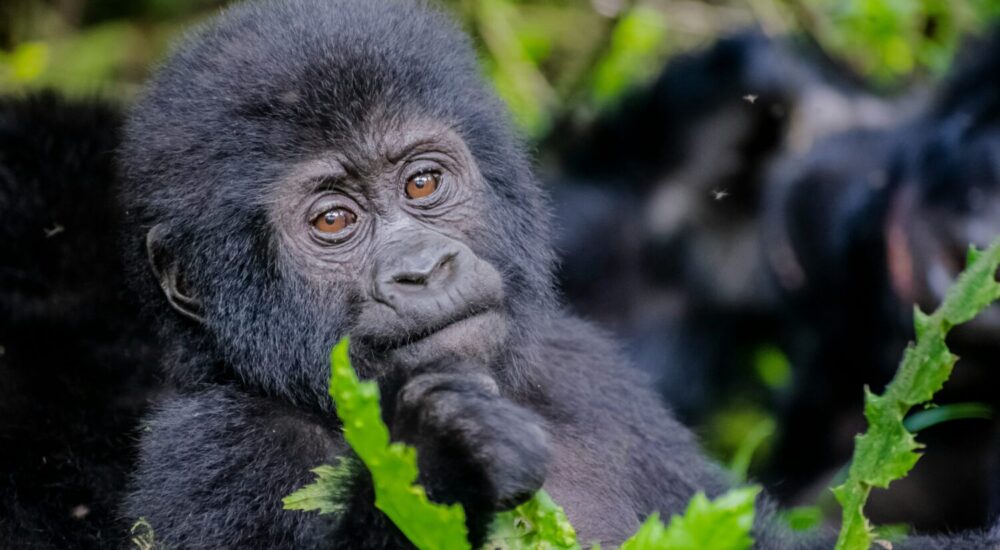
Mountain gorilla trekking is one of the most thrilling wildlife experiences on the planet, drawing nature lovers, adventurers, and conservation enthusiasts from around the globe. Nestled in the misty mountains of East and Central Africa, these incredible creatures offer a rare glimpse into the wild world of our closest relatives. For travelers eager to witness mountain gorillas in their natural habitat, Uganda, Rwanda, and the Democratic Republic of Congo (DRC) stand out as the premier destinations. This comprehensive guide provides all the essential mountain gorilla trekking information you need, including where to go, how to prepare, and what to expect during your unforgettable journey.
Why Trek Mountain Gorillas?
Mountain gorilla trekking is a unique experience combining wildlife adventure, conservation awareness, and cultural immersion. Unlike traditional safaris, gorilla trekking involves hiking through dense forests and rugged terrains to encounter these gentle giants up close. Mountain gorillas are endangered, with only around 1,000 individuals remaining in the wild, primarily concentrated in three countries: Uganda, Rwanda, and the DRC. Trekking these gorillas supports conservation efforts and local communities, making your visit both meaningful and impactful.
Best Countries for Mountain Gorilla Trekking: Uganda, Rwanda & DRC
Uganda
Uganda is often regarded as the birthplace of mountain gorilla trekking. Bwindi Impenetrable National Park and Mgahinga Gorilla National Park are the main gorilla habitats in Uganda. Bwindi is home to over half of the world’s mountain gorillas and boasts several habituated gorilla families that trekkers can visit.
Uganda’s gorilla trekking experience is famed for its rich biodiversity and the chance to see other wildlife such as chimpanzees, golden monkeys, and a wide variety of birds.
Rwanda
The “Land of a Thousand Hills,” offers a highly organized gorilla trekking experience centered in Volcanoes National Park. Rwanda is often praised for its efficient tourism infrastructure, well-trained guides, and a strong commitment to gorilla conservation. Gorilla permits in Rwanda tend to be pricier, but many travelers feel the experience justifies the cost.
Democratic Republic of Congo (DRC)
The DRC is home to Virunga National Park, Africa’s oldest national park and a UNESCO World Heritage site. Gorilla trekking in the DRC is less frequented due to political instability but offers a more adventurous and off-the-beaten-path experience for intrepid travelers. Virunga National Park also features active volcanoes and stunning landscapes.
Overview of Mountain Gorilla Habitats in the Virunga Massif
The Virunga Massif is a volcanic mountain range that stretches across the borders of Uganda, Rwanda, and the DRC, encompassing three key protected areas:
- Bwindi Impenetrable National Park (Uganda)
- Mgahinga Gorilla National Park (Uganda)
- Volcanoes National Park (Rwanda)
- Virunga National Park (DRC)
This massif is the only place where mountain gorillas are found in the wild. The dense forests and bamboo zones provide the perfect habitat for gorilla groups, which are monitored by park rangers and researchers to ensure their protection.
Gorilla Trekking Permits – Prices & How to Book
One of the most important aspects of planning your mountain gorilla trek is securing a gorilla trekking permit. These permits limit the number of visitors to protect gorillas from excessive human contact and generate funds for conservation.
Permit Prices (as of 2025):
- Uganda: $800 per person (Bwindi Impenetrable National Park)
- Rwanda: $1,500 per person (Volcanoes National Park)
- DRC: $400 per person (Virunga National Park)
How to Book:
- Uganda: Permits are booked through the Uganda Wildlife Authority (UWA) website or trusted tour operators. Due to high demand, it’s advisable to book months in advance.
- Rwanda: Permits can be purchased via the Rwanda Development Board (RDB) or through tour companies.
- DRC: Due to security concerns and limited infrastructure, permits are often arranged through specialized tour operators with experience in the region.
Tips:
- Book early, especially for peak seasons.
- Use authorized agencies to avoid scams.
- Keep digital and printed copies of your permit during your trek.
Best Time to Go Gorilla Trekking
The best time for mountain gorilla trekking largely depends on the weather patterns, as heavy rains can make trekking difficult and less enjoyable.
Dry Seasons (Ideal Trekking Periods)
- June to September: Long dry season, great for trekking, but can be busy with tourists.
- December to February: Short dry season, also an excellent time to trek with slightly fewer tourists.
Wet Seasons (Off-Peak Periods)
- March to May and October to November: These are the rainy seasons, and trekking can be challenging due to muddy trails and slippery conditions. However, gorillas are still visible, and you may find fewer visitors.
Travelers should prepare for unpredictable weather and pack accordingly, regardless of the season.
What to Expect on a Gorilla Trek
Mountain gorilla trekking typically begins early in the morning, with a briefing from your ranger guide covering safety protocols, tracking techniques, and gorilla behavior. Then, the adventure begins as you hike through dense forests and rugged terrain to locate the gorilla family.
Trek Duration
Treks can last anywhere from 1 to 6 hours, depending on how far the gorillas are from the starting point. The actual time spent with gorillas is limited to one hour to minimize stress on the animals.
Wildlife & Scenery
Along the way, expect to see diverse flora and fauna, including colorful birds, monkeys, butterflies, and unique plant species. The experience offers breathtaking views of misty mountains, volcanic peaks, and ancient forests.
The Gorilla Encounter
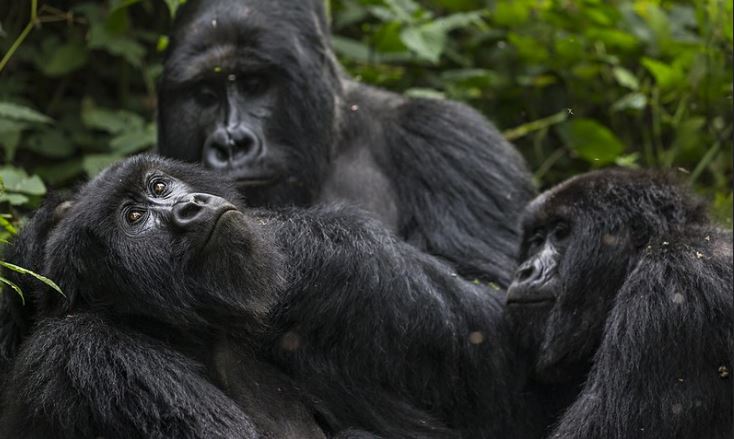
Once you find the gorillas, you will observe them as they forage, play, groom, and care for their young. The encounter is emotional and awe-inspiring, a rare opportunity to connect with wildlife on a deep level.
Preparing for the Trek: Physical Fitness & Gear
Mountain gorilla trekking can be physically demanding due to steep trails, muddy paths, and variable weather. Preparation is essential.
Fitness Tips
- Engage in cardio workouts like hiking, jogging, or cycling.
- Practice walking on uneven terrain.
- Build leg and core strength through exercises.
Essential Gear
- Sturdy hiking boots with good grip.
- Lightweight rain jacket and layered clothing.
- Long-sleeved shirts and pants to protect from insects and vegetation.
- Gloves (optional but helpful for gripping rough vegetation).
- Water bottle and snacks.
- Camera or smartphone (without flash).
- Insect repellent and sunscreen.
Health Considerations
- Visitors must be at least 15 years old (some parks allow younger with special permits).
- People with respiratory illnesses or communicable diseases should avoid trekking, as gorillas are susceptible to human infections.
Responsible and Ethical Gorilla Tourism
Mountain gorilla trekking plays a crucial role in conservation, but it must be practiced responsibly to protect these endangered animals.
Guidelines to Follow
- Maintain a minimum distance of 7 meters (about 23 feet) from the gorillas.
- Avoid making loud noises or sudden movements.
- Do not eat, drink, or smoke near the gorillas.
- Follow the guide’s instructions at all times.
- Do not use flash photography.
- Only spend one hour with the gorillas to minimize stress.
- Avoid trekking if you are sick.
Conservation Impact
Tourism revenue supports anti-poaching patrols, veterinary care for gorillas, and community development projects, helping protect gorilla habitats and local livelihoods.
Other Attractions Near Gorilla Trekking Sites
While mountain gorilla trekking is the main highlight, Uganda, Rwanda, and DRC offer numerous other attractions worth exploring.
Uganda
- Chimpanzee trekking in Kibale National Park.
- Wildlife safaris in Queen Elizabeth National Park.
- Boat cruises on Lake Bunyonyi or the Kazinga Channel.
Rwanda
- Golden monkey trekking in Volcanoes National Park.
- Exploring Kigali city and cultural centers.
- Lake Kivu for relaxation and water activities.
DRC
- Climbing Mount Nyiragongo volcano.
- Exploring Virunga’s diverse wildlife beyond gorillas.
- Visiting local communities for cultural experiences.
Safety and Health Considerations
- Ensure all necessary vaccinations are up-to-date (yellow fever vaccination is mandatory).
- Carry anti-malarial medication.
- Use mosquito nets and repellents.
- Be aware of political situations, especially in the DRC, and follow travel advisories.
- Register with your embassy or travel insurance provider.
Conclusion – Making the Most of Your Gorilla Trekking Experience
Mountain gorilla trekking in Uganda, Rwanda, and the DRC offers a once-in-a-lifetime opportunity to witness one of the world’s most endangered and fascinating species. By understanding the logistics, preparing physically and mentally, and practicing responsible tourism, you can ensure your adventure is safe, rewarding, and meaningful.
Whether you choose Uganda’s Bwindi Impenetrable Forest, Rwanda’s Volcanoes National Park, or the rugged Virunga National Park in the DRC, you will come away with unforgettable memories and a deeper appreciation for conservation efforts protecting mountain gorillas and their habitats.
Related Posts