Luxury Rwanda gorilla safaris – If you are interested in Rwanda gorilla trekking in Volcanoes…
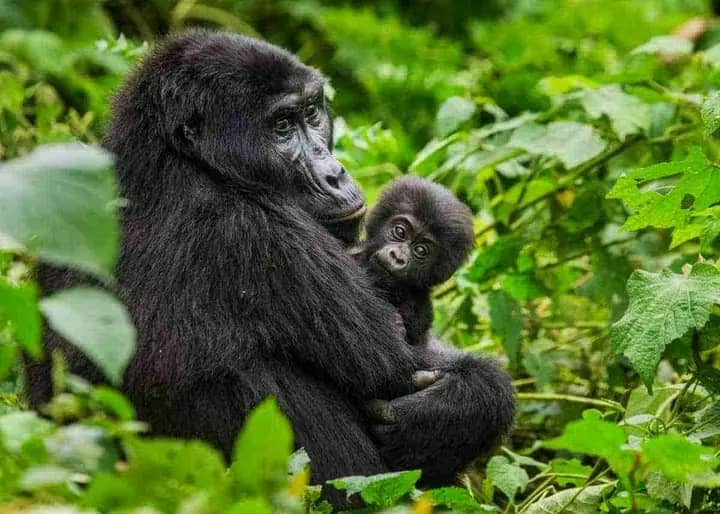
The Magical Tradition of Naming Ceremonies for Baby Gorillas
The Magical Tradition of Naming Ceremonies for Baby Gorillas
When we think of grand celebrations, we often picture weddings, national holidays, or cultural festivals. But in the heart of Africa, there’s a unique and deeply symbolic tradition that captures the attention of conservationists, locals, and travelers alike — the baby gorilla naming ceremony, known locally as Kwita Izina.
What is a Gorilla Naming Ceremony?
The gorilla naming ceremony is a public and symbolic event where baby gorillas born in Rwanda’s Volcanoes National Park are officially given names. This tradition was inspired by a similar human ritual in Rwandan culture, where babies are named in a communal ceremony involving family and the local community.
The event, now globally recognized as Kwita Izina, was first officially launched in 2005 by the Rwanda Development Board (RDB) and conservation partners. Since then, it has become a cornerstone of Rwanda’s tourism and conservation strategy, attracting international attention and participation from celebrities, conservationists, and tourists.
The Cultural Roots of Kwita Izina
In traditional Rwandan culture, naming a child is not just a formal gesture; it’s a spiritual and communal milestone. The name is believed to carry meaning, often reflecting hopes for the child’s future or the circumstances of their birth.
Inspired by this, Kwita Izina was born out of the need to give individual identities to baby gorillas, highlighting them not just as wildlife, but as living beings with personalities, families, and stories. This cultural adaptation bridges the gap between local traditions and modern conservation efforts.
Why Naming Baby Gorillas Matters
1. Personalizing Conservation
Giving gorillas names helps researchers and park rangers track them over time. Each name often reflects the gorilla’s personality, behavior, or the circumstances of their birth — which aids in building individual profiles.
2. Raising Awareness
The baby gorilla naming ceremony is a powerful tool for raising awareness about the endangered status of mountain gorillas and the importance of conservation.
3. Fostering Local and International Engagement
By involving Rwandan communities, government leaders, and international figures, the event strengthens collaboration in gorilla protection.
How the Ceremony Works
Held near the Volcanoes National Park — the natural habitat of the mountain gorillas — Kwita Izina is typically celebrated in September. Leading up to the event, conservation teams compile data on newborn gorillas: their family groups, health, behavior, and social dynamics.
- A select group of “namers” are invited to bestow names on the gorillas.
- Performances, traditional music, dance, and storytelling showcase Rwanda’s rich cultural heritage.
- Conservation milestones and community initiatives are highlighted.
The names often reflect themes like peace, unity, health, or strength — reinforcing values that resonate both locally and globally.
Notable Gorilla Names and Their Meanings
- Ubwiyunge – Meaning “Reconciliation.”
- Inkingi – Meaning “Pillar.”
- Kwibohora – Symbolizing freedom and liberation.
- Amabano – Meaning “Togetherness,” named during the COVID-19 pandemic.
These names carry cultural and symbolic weight, allowing each baby gorilla to be seen as an ambassador for conservation and peace.
The Role of Gorilla Conservation
Naming gorillas is more than a ceremony; it’s the outward expression of an inward commitment to gorilla conservation. Mountain gorillas (Gorilla beringei beringei) were once on the brink of extinction. Thanks to efforts by the Rwandan government, NGOs, and communities, their numbers have slowly rebounded.
Key Conservation Milestones
- Increased Ranger Patrols: Protect gorillas from poachers.
- Veterinary Interventions: Programs like Gorilla Doctors help sick or injured gorillas.
- Community Involvement: Eco-tourism profits are reinvested in local development.
- Strict Eco-Tourism Rules: Limit group sizes and contact with gorillas to prevent disease.
Tourism and Economic Impact
Kwita Izina is a key part of Rwanda’s eco-tourism strategy. The event draws global attention and creates jobs for local people.
Economic Benefits Include:
- Revenue from gorilla trekking permits supports conservation efforts.
- Local artisans and businesses gain exposure during the event.
- Hotels, transport, and tourism services thrive from visitor traffic.
Global Recognition and Media Coverage
The symbolism of Kwita Izina has earned attention from outlets like BBC, National Geographic, and CNN. It has become a global model for conservation-driven events.
How You Can Get Involved
If you want to help support gorilla conservation and the baby gorilla naming ceremony, here’s how:
- Visit Rwanda and participate in gorilla trekking.
- Donate to groups like the Dian Fossey Gorilla Fund and Gorilla Doctors.
- Raise awareness by sharing this tradition with others.
- Support eco-tourism operators who give back to local communities.
A Celebration of Life, Nature, and Hope
The naming ceremonies for baby gorillas are more than festive events — they’re a testament to how culture, conservation, and community can come together to protect endangered species.
Final Thoughts
In a world often dominated by environmental concerns, the baby gorilla naming ceremony is a story of hope. With collaboration and creativity, we can preserve biodiversity and create a more compassionate future.
Related Posts