10 Things I wish I knew before Climbing Rwenzori Mountains, The Mount Rwenzori Mountains are…
Gorilla Trekking Difficulty Explained: Trails, Permits & Terrain
Gorilla Trekking Difficulty Explained: Trails, Permits & Terrain
Discover the challenges and requirements of gorilla trekking in East Africa including trail conditions, permit regulations, and terrain to prepare for your adventure in Uganda, Rwanda, and DRC.
Introduction
Gorilla trekking is one of the world’s most unique wildlife experiences, bringing travelers face-to-face with endangered mountain gorillas in their natural habitats. Many visitors wonder about the difficulty of gorilla trekking and what physical and logistical challenges they might encounter.
In this detailed guide, we will explain the difficulty levels of gorilla trekking, focusing on the trails, permits, and terrain across the major trekking destinations of Uganda, Rwanda, and the Democratic Republic of Congo (DRC). Understanding these factors will help you prepare for a safe and memorable adventure.
Understanding Gorilla Trekking: What It Involves
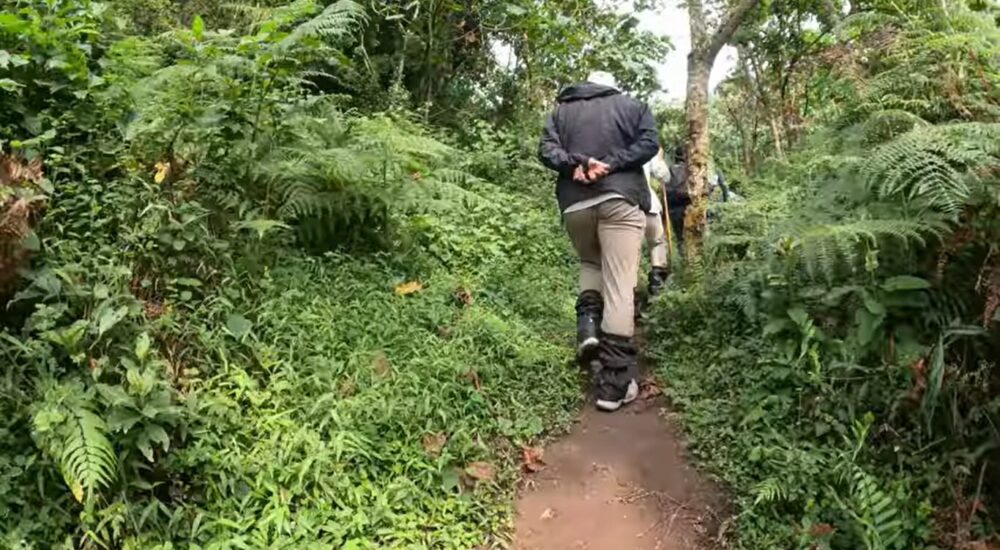
Gorilla trekking involves hiking through dense forests and challenging terrain in protected national parks to observe mountain gorillas up close. Treks can be physically demanding due to:
- Variable trail conditions including mud, steep slopes, and uneven ground
- Dense vegetation requiring bushwhacking or slow movement
- High altitude environments with fluctuating weather
The reward, however, is an unforgettable encounter with one of the world’s most magnificent primates.
Gorilla Trekking Locations and Their Terrain
Bwindi Impenetrable Forest, Uganda
Bwindi Impenetrable Forest is renowned for hosting nearly half of the world’s mountain gorilla population. Its trekking trails are known for being:
- Steep and rugged: Some routes include steep ascents and descents.
- Dense vegetation: Thick undergrowth and vines slow progress.
- Variable weather: Frequent rain leads to muddy and slippery trails.
Bwindi is divided into several trekking sectors: Buhoma, Ruhija, Nkuringo, and Rushaga — each offering different trekking difficulty levels.
Volcanoes National Park, Rwanda
Volcanoes National Park, the original gorilla trekking site, features:
- Steep volcanic slopes: Elevation gains make treks strenuous.
- Cool climate: Higher altitudes result in cooler weather.
- Well-maintained trails: Trails are marked but still physically demanding.
Virunga National Park, Democratic Republic of Congo (DRC)
Virunga National Park offers an authentic and often tougher trekking experience:
- Rugged terrain: Less maintained trails with steep climbs.
- Security concerns: Guided trekking is mandatory due to past instability.
- Wild, untouched wilderness: Expect physically demanding hikes through dense forest.
Gorilla Trekking Permits: Access and Regulations
Permits are essential for gorilla trekking. They limit visitor numbers to protect gorillas and fund conservation efforts.
Permit Prices and Availability
- Uganda: Approximately $700 per permit.
- Rwanda: Around $1500 per permit.
- DRC: Typically $400–$600, subject to security conditions.
Permits are limited and must be booked months in advance, especially during peak tourism seasons (June–September and December–February).
Permit Rules Affecting Difficulty
- Group size limited to 8 trekkers per gorilla group to reduce impact.
- Time with gorillas restricted to 1 hour to minimize stress on animals.
- Strict guidance by park rangers to ensure safety and minimal disturbance.
Trail Difficulty Levels: What to Expect
Trail difficulty varies by sector and park. Here’s a breakdown:
Easy Trails
- Generally flat or gently sloping paths.
- Suitable for beginners or moderate fitness levels.
- Examples: Some Buhoma sector trails in Bwindi or lower routes in Volcanoes Park.
Moderate Trails
- Uneven ground with moderate elevation gain.
- Occasional muddy or slippery patches.
- Some bushwhacking may be required.
Difficult Trails
- Steep, slippery, and rugged terrain.
- Longer distances and higher altitudes.
- Thick vegetation requiring use of hands or ropes in some cases.
Preparing for Gorilla Trekking: Fitness and Gear Tips
Physical Preparation
- Cardiovascular fitness: Hiking, jogging, or cycling to build stamina.
- Strength training: Focus on legs and core for steep climbs and balance.
- Flexibility and balance: Stretching or yoga to prevent injuries.
Essential Gear
- Waterproof hiking boots with excellent grip.
- Long-sleeved shirts and trousers for protection against insects and vegetation.
- Rain jacket and thermal layers for weather variability.
- Trekking poles to aid stability on steep or slippery trails.
- Gloves for hand protection while bushwhacking.
- Backpack with water, snacks, and camera.
Tips to Manage Trekking Difficulty
- Follow your guide’s pace and instructions closely.
- Take breaks as needed—don’t rush the trek.
- Stay hydrated and dress in layers to adjust to changing weather.
- Keep noise levels low to avoid disturbing gorillas.
Health and Safety Considerations
- Be aware of altitude sickness symptoms, especially on higher routes.
- Use insect repellent to prevent bites and possible diseases.
- Check the latest COVID-19 guidelines and park requirements before your trek.
Conclusion
The difficulty of gorilla trekking depends on the location, trail chosen, and your physical condition. While some routes are moderately challenging, others demand high fitness levels and endurance. The incredible reward of spending time with mountain gorillas makes the effort worthwhile.
With proper preparation, appropriate gear, and respect for park rules, gorilla trekking in Uganda, Rwanda, or the DRC can be an accessible adventure for many travelers seeking one of Africa’s most extraordinary wildlife encounters.
Related Posts